
The Real Cost of Owning a Gecko: Your Budget Breakdown
Published on: December 16, 2025 | Last Updated: December 16, 2025
Written By: Alexander 'Gecko Geek' Johnson
Thinking about bringing a gecko home but worried about hidden costs piling up? You’re right to plan ahead. Many new owners are surprised by the full investment needed for a proper setup.
I’ve raised my crew of geckos for years, and I’ll help you understand the real numbers. We’ll break down every expense so you can budget confidently.
Here are the key takeaways we will cover:
- The complete, non-negotiable initial setup costs for a healthy habitat.
- The predictable, manageable monthly expenses to keep your gecko thriving.
- Smart, budget-friendly alternatives I’ve personally used without compromising welfare.
By the end of this guide, you’ll have a crystal-clear picture of the financial commitment. We will cover: initial purchase, enclosure, heating, lighting, substrate, decor, plus monthly food, utilities, and health costs.
The Real Price Tag: Understanding Total Gecko Ownership Costs
Owning a gecko splits your budget into two clear categories: the big one-time setup purchase and the smaller, ongoing monthly bills. Getting this initial setup right is the single most important financial step you will take, as it directly impacts your pet’s health and your long-term costs. For a complete plan, check out the ultimate gecko shopping list—everything you need for a new pet. It helps you cover all essentials before your gecko arrives and keeps your budgeting on track.
| Budget Level | Initial Setup Cost | Estimated Monthly Cost |
|---|---|---|
| Low Budget | $200 – $300 | $20 – $30 |
| Medium Budget | $350 – $500 | $35 – $50 |
| High Budget | $550+ | $50+ |
I learned this the hard way with my first leopard gecko, Griffey. I budgeted for the tank and the heat lamp, but I was completely shocked by the cost of a good thermostat and the sheer number of hides he needed to feel secure. Those little “extras” added up to almost a hundred dollars I hadn’t planned for, teaching me that the devil of gecko budgeting is truly in the details.
Essential Initial Setup: Your Gecko’s Starter Home Shopping List
Choosing the Right Enclosure: Tank, Terrarium, or Vivarium?
Your gecko’s home is its castle, and the type you choose sets the stage for everything else. A proper enclosure is a long-term investment, so it pays to get it right the first time. For beginners, the perfect leopard gecko enclosure setup starts with a secure, appropriately sized tank and simple, dependable heating and hiding spots. Keep the design flexible so you can adjust as you learn.
- Basic Glass Tank: The classic choice. A 20-gallon long tank is perfect for a single terrestrial gecko like a leopard gecko. Expect to pay $50 – $150.
- Front-Opening Terrarium: Ideal for arboreal species like crested geckos. A tall 18x18x24 inch model is great. Costs range from $150 – $300.
- Bioactive Vivarium: A self-cleaning ecosystem with live plants and microfauna. More complex but rewarding. Starter kits can run $250 – $500+.
A secure, well-fitting lid is non-negotiable and can add $20-$50 to your total. My crested gecko Jeter taught me the value of a front-opening cage; it’s so much easier to feed him and redecorate his high-rise apartment without disturbing his favorite perches.
Heating and Lighting: Non-Negotiable Comfort Investments
Geckos are cold-blooded and rely on you to create the perfect climate. Never, ever skip the thermostat; it is the most critical safety device in your entire setup. For the best results, choose a thermostat designed for gecko heating equipment with accurate sensors and strong safety features. This helps keep basking spots and the rest of the enclosure at stable, safe temperatures.
- Heat Lamp & Bulb: $15 – $30
- Digital Thermometer/Hygrometer: $15 – $25
- Thermostat: $30 – $80
- UVB Light Strip (species-dependent): $40 – $60
My giant day gecko Babe is a sun worshipper. He will park himself directly under his heat lamp for hours, and without that precise temperature gradient, he would become lethargic and stop eating. Watching Babe’s vibrant health is all the proof I need that proper heating isn’t a luxury—it’s a lifeline. It’s essential for their overall well-being and behavior.
Here are the steps for a safe heating system:
- Place the heat lamp on one side of the enclosure to create a warm zone.
- Plug the lamp into the thermostat.
- Set the thermostat probe in the warm zone and set your desired temperature.
- Use the digital thermometer to verify the temperatures in both the warm and cool zones.
Substrate and Decor: Creating a Safe and Stimulating Habitat
What you put on the floor and in the cage matters for both safety and sanity. The wrong substrate can lead to costly vet bills for impaction, so choose wisely from the start.
- Paper Towel/Tile: The safest, cheapest option ($5 – $20). Easy to clean but not very natural.
- Coconut Fiber: A good, affordable loose substrate ($10 – $25 for a block). Holds humidity well.
- Bioactive Mix: More expensive ($30 – $60) but supports a living ecosystem.
Your gecko also needs furniture! Here are the essentials:
- Multiple Hides (warm, cool, and humid): $10 – $25 each
- Climbing Branches & Vines: $15 – $40
- Food & Water Dishes: $5 – $15
- Fake Plants for cover: $10 – $20
My African fat-tailed gecko A-Rod is extremely territorial. I quickly learned that providing multiple, identical-looking hides in different temperature zones stopped him from claiming one spot and getting stressed defending it, a simple decor trick that saved his mood and my peace of mind.
Monthly Gecko Care Expenses: The Ongoing Financial Commitment
Feeding Costs: Insects, Supplements, and Nutrition
Your gecko’s grocery bill is a recurring charge you need to budget for. This isn’t a one-time purchase; it’s a continuous cycle of buying live food and vital supplements.
- Crickets: A main staple. A monthly supply for one gecko costs between $5 and $15, depending on size and quantity.
- Mealworms: A convenient, slower-moving option. A container of 500 costs around $5 and can last a few weeks.
- Dubia Roaches: A highly nutritious feeder. A colony is a bigger upfront cost, but monthly expenses drop to nearly zero.
- Other Feeders: Occasional treats like waxworms or black soldier fly larvae add $3 to $5 to your monthly total.
My Gargoyle Gecko, Mookie, is a perfect example of varied needs. His playful, leaping nature means he burns energy fast. I spend about $12 a month on a mix of crickets for his chasing fun and repashy crested gecko diet for balanced nutrition. He gets bored with the same food, so I rotate his insects to keep him engaged.
Supplements are non-negotiable for preventing Metabolic Bone Disease. A plain calcium powder costs around $8 and lasts months. A calcium powder with D3 and a separate multivitamin will each run you $10 to $15. You must dust almost every insect feeding to ensure your pet gets the nutrients it can’t get from bugs alone.
Maintenance and Utility Bills: Keeping the Habitat Humid and Warm
Creating a slice of the tropics in your home comes with a small but steady utility cost. Your gecko’s health is directly tied to a stable, warm environment, and that requires consistent power.
- Under Tank Heater (UTH): Running 24/7 on a thermostat, this adds roughly $3 to $5 to your monthly electric bill.
- Overhead Heating/Lighting: A low-wattage halogen or deep heat projector used with a day/night timer may add another $2 to $4.
The single best investment I ever made was a reliable thermostat, which prevents heaters from overheating and spiking your electricity use. It pays for itself in safety and efficiency.
General upkeep is a constant. You’ll go through bags of substrate, with costs varying by type. Paper towel is cheap ($3 a month), while bioactive setups have almost no recurring substrate cost. Factor in another $5 or so monthly for cleaning supplies like reptile-safe disinfectant, dedicated sponges, and spray bottles for misting.
My Giant Day Gecko, Babe, demands high humidity. This requires tools beyond just a spray bottle. A digital hygrometer to monitor levels costs around $15, and an automatic misting system, while a splurge, ensures his skin and shedding stay perfect without constant manual effort. These one-time purchases are crucial for managing the ongoing environment.
Budget-Friendly Gecko Care: Smart Ways to Save Money
Providing excellent care doesn’t have to drain your bank account. With a little strategy and creativity, you can significantly cut costs without compromising your gecko’s health and happiness. I’ve raised my crew of five on a budget for years, and these are the methods that truly work. Budgeting should also include your gecko’s annual veterinary care—setting aside funds for routine checkups and preventive care helps keep expenses predictable. I’ll share simple, budget-friendly ways to cover those essential vet visits as part of your overall plan.
Shop Smart for Supplies
Thinking ahead is your greatest money-saving tool. Impulse buys at pet stores will wreck your budget.
- Buy Substrate in Bulk: A large brick of coconut fiber substrate is far cheaper per use than the small, pre-hydrated bags.
- Stock Up on Feeders: Ordering live insects like crickets or dubia roaches online in larger quantities is immensely cheaper than buying them weekly from a pet store.
- Watch for Seasonal Sales: Pet supply stores often have major sales around holidays. This is the perfect time to buy a backup thermostat or a new heat lamp.
Get Creative with DIY Decor
You don’t need expensive, branded decorations. Some of the best hides and climbing structures are free or cost pennies to make. My gecko A-Rod actually prefers the hide I made him over the store-bought one.
- Plant Pot Hides: A simple, clean terracotta pot with a chipped edge filed smooth makes a perfect, cheap hide. You can even bury it partially for a cool burrow effect.
- Cardboard and Container Crafts: Clean, plastic food containers with an entry hole cut out are fantastic temporary hides. Non-toxic cardboard tubes from paper towels are great for crested and gargoyle geckos to climb on.
- Natural Branch Scavenging: Instead of buying pricey driftwood, you can collect branches from your yard. Just bake them in the oven at 250°F for an hour to sterilize them first.
My Personal Budget-Care Success Story
I am a fierce advocate for animal welfare, and saving money never comes at the expense of my pets’ needs. My philosophy is to splurge on the non-negotiable items and save on everything else. I always invest in high-quality thermostats and UVB lighting because they are critical for health.
But for decor? Almost all of it is DIY. My gargoyle gecko, Mookie, has a climbing gym made from baked oak branches and PVC pipes. My leopard gecko, Griffey, has a moist hide made from a repurposed plastic tub. They are safe, they are loved, and they are thriving. By being resourceful, I’ve been able to provide a fantastic habitat for each of my geckos while keeping my finances healthy.
Cost Variations by Gecko Species: Leopard vs. Crested and More
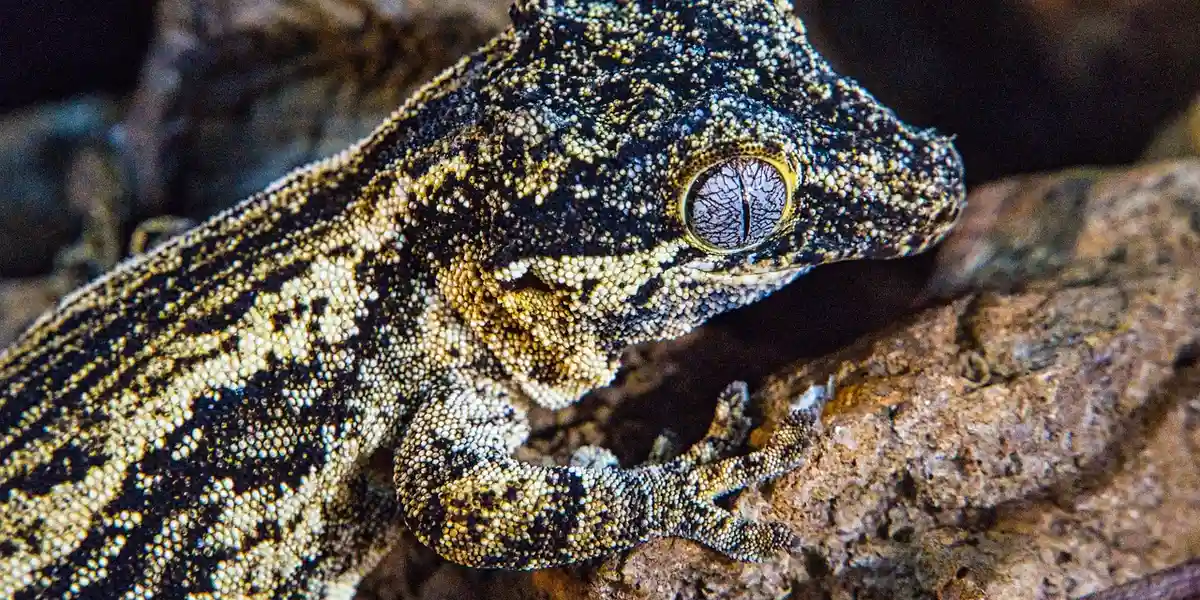
Not all geckos are created equal when it comes to your wallet. The species you fall in love with will be the single biggest factor shaping your budget, from the initial setup to your monthly bills. I learned this quickly after setting up habitats for my energetic leopard gecko, Griffey, and my calm crested gecko, Jeter. That’s where a detailed cost analysis for breeding geckos comes in—the financial reality behind every choice. From enclosure setups to ongoing feed and veterinary care, the numbers shape which geckos fit your budget.
Initial Setup & Monthly Cost Comparison
The core equipment needed is similar, but the specifics create a price gap. A leopard gecko from a dry climate needs under-tank heat. A crested gecko from a humid jungle needs vertical space and misting gear.
- Leopard Geckos (like Griffey): Require a longer, horizontal tank with a dedicated heat mat and thermostat. Their initial setup is often more affordable because they don’t need a tall, expensive terrarium.
- Crested Geckos (like Jeter): Need a taller enclosure for climbing, which can cost more. Their budget-friendly, powdered diet (you just mix with water) makes their monthly food costs surprisingly low.
- African Fat-Tailed Geckos (like A-Rod): Have needs very similar to leopard geckos, so their costs are comparable. They are a great alternative if you love the look but want something a little different.
- Gargoyle & Day Geckos: Gargoyles, like my Mookie, need setups similar to crested geckos. Giant Day Geckos, like Babe, require intense lighting and larger enclosures, making them one of the more expensive species to house correctly.
How Your Gecko’s Personality Adds to the Bill
You can’t predict personality from a price tag. A gecko’s individual behavior directly influences how quickly you’ll be replacing items and spending on upkeep. My leopard gecko, Griffey, is a prime example. His endless curiosity and energy mean he’s constantly exploring, climbing on (and sometimes knocking over) his decorations. I replace his cheap, plastic plants far more often than the sturdy branches in Jeter’s tank.
In contrast, Jeter the crested gecko is calm and methodical. He doesn’t stress his equipment. His gentle nature means less wear and tear, which saves money long-term. A gecko that is more skittish or a prolific climber might necessitate more frequent replacements of fragile items.
| Species | Typical Initial Setup Cost | Estimated Monthly Cost | Key Cost Driver |
|---|---|---|---|
| Leopard Gecko | $250 – $400 | $20 – $40 | Live insect feeders & heating |
| Crested Gecko | $300 – $500 | $15 – $30 | Tall terrarium & UVB lighting |
| African Fat-Tailed Gecko | $250 – $450 | $20 – $40 | Live insect feeders & humidity control |
| Gargoyle Gecko | $350 – $550 | $20 – $35 | Tall terrarium & powdered diet |
FAQs
How can I budget for unexpected veterinary expenses for my gecko?
Set aside a small emergency fund of $50-$100 per year to cover potential issues like infections or injuries, as routine check-ups and sudden health problems can arise.
Is it more cost-effective to buy a gecko from a breeder or a pet store?
Purchasing from a reputable breeder often costs more upfront but typically includes healthier, well-cared-for geckos, reducing long-term vet bills compared to pet stores where hidden health issues may occur. When deciding between gecko breeder vs pet store or rescue, consider factors like health guarantees, ethical sourcing, and post-purchase support to determine which option is best for you.
What are the long-term financial commitments over a gecko’s lifespan?
Over a gecko’s 10-20 year life, you’ll spend significantly on recurring costs like food, substrate, and utilities, making the total ownership cost much higher than the initial setup alone. To calculate the true lifetime cost of owning a gecko, project yearly expenses over 10–20 years. Include food, substrate, utilities, and vet care in your estimate.
Final Thoughts on Your Gecko Budget
Ultimately, the cost of a gecko is more than its price tag. Budget for a robust initial setup, which is your biggest investment, and then plan for smaller, predictable monthly expenses for food and substrate. Then set aside an emergency veterinary fund for your gecko—unexpected illnesses or injuries can arise. A small monthly contribution can build a safety net that keeps care affordable when emergencies hit. Don’t cut corners on essentials like a proper thermostat or high-quality UVB lighting, as these are non-negotiable for your pet’s health.
Viewing these costs as part of a long-term commitment changes everything. Hidden costs can creep in—from replacement bulbs to routine vet visits—so planning ahead helps you stay on track. Your financial investment directly translates into your gecko’s quality of life, so embrace the learning process and always strive to provide a better habitat. The joy of a thriving, healthy gecko is absolutely worth every penny.
Further Reading & Sources
- r/geckos on Reddit: how much does owning a gecko cost
- How Much Does a Leopard Gecko Cost? – Leopard Gecko Habitat
- Pet Gecko Guide: What You Need To Know – A-Z Animals
The Gecko Guide is your ultimate resource for gecko enthusiasts, providing expert advice and practical tips to ensure the health and happiness of your scaly companions. Alexander is a passionate gecko owner with over a decade of experience in reptile care. We are dedicated to offering accurate, up-to-date information to support your gecko journey.Our mission is to foster a community of responsible gecko owners who are passionate about the well-being of these fascinating creatures.
Initial Costs & Budgeting