
How to Properly Quarantine a New Reptile to Prevent Parasite Spread
Published on: December 30, 2025 | Last Updated: December 30, 2025
Written By: Alexander 'Gecko Geek' Johnson
Bringing home a new reptile is exciting, but the hidden risk of parasites can turn your collection into a sick ward if you skip quarantine. I learned this the hard way when my first gecko, Griffey, introduced mites to my other pets, causing weeks of stress and vet bills.
I will help you avoid that headache by breaking down the must-know steps for a safe quarantine. Here are three key takeaways you will master:
- Setting up a bare-bones, easy-to-clean quarantine tank away from your other reptiles
- Spotting early signs of illness or parasites before they spread
- Following a strict handling and cleaning routine to protect your whole collection
You will get clear, step-by-step advice that works. The article covers quarantine duration, enclosure setup, health monitoring, cleaning protocols, and vet consultation.
Why Gecko Quarantine is Non-Negotiable
I learned this lesson the hard way when I introduced a new gecko without quarantine, and it led to a mite outbreak that stressed my whole crew. Quarantining a new gecko is your first and best defense against invisible threats like parasites and infections. Think of it as a mandatory health check-in before your new friend joins the team. Of course, it’s equally important to avoid common mistakes during the quarantine process.
The Risks of Skipping Reptile Quarantine
Ignoring quarantine is like rolling the dice with your entire gecko family’s health. Parasites such as pinworms or mites can hitch a ride on a new gecko and spread rapidly to your established pets. This isn’t just about discomfort-it can lead to weight loss, lethargy, or even severe illness. I once saw a friend’s collection suffer from a crypto outbreak because they skipped this step; it was heartbreaking and entirely preventable.
- Direct parasite transmission: New geckos often carry internal worms or external mites that can infect others.
- Stress-induced illnesses: The stress of a new environment can weaken a gecko’s immune system, making hidden issues flare up.
- Cross-contamination of bacteria: Bacteria like Salmonella can transfer through feces or surfaces, risking human and pet health.
Biosecurity Basics for Multi-Gecko Homes
If you have multiple geckos like I do with Griffey and Jeter, biosecurity is your daily routine. Always wash your hands thoroughly with soap and water after handling any gecko or their supplies. I keep separate feeding tongs and cleaning tools for each enclosure to prevent cross-contact. It sounds fussy, but it stops germs from playing hopscotch between tanks. This, combined with proper habitat setup, helps keep them healthy.
- Use dedicated equipment: Assign specific hides, water bowls, and decor to each gecko’s space.
- Clean surfaces regularly: Wipe down counters and handles with a reptile-safe disinfectant after maintenance.
- Limit handling during quarantine: Avoid moving the new gecko near other enclosures to reduce airborne risks.
Setting Up Your Isolation Enclosure
Your quarantine tank doesn’t need to be fancy, but it must be functional and easy to clean. I use a simple 10-gallon glass tank for most of my geckos during their isolation period—especially when setting up a quarantine tank for new leopard geckos. This setup lets me monitor the new arrival closely without disrupting my main habitats. Remember, simplicity is key-fewer decorations mean fewer places for pests to hide.
Essential Quarantine Tank Supplies
Stock your isolation space with items that prioritize hygiene and observation. Paper towel substrate is my go-to because it’s cheap, disposable, and lets you spot abnormal droppings instantly. I learned this trick after Babe had a digestive issue that was easy to catch on plain white towels. Here’s what you’ll need:
- Enclosure: A secure tank or tub with a tight-fitting lid to prevent escapes.
- Substrate: Paper towels or newspaper-avoid loose substrates that can harbor parasites.
- Hides: One or two simple hides (like plastic containers) for security without complexity.
- Water and food dishes: Shallow, easy-to-clean dishes that you can sanitize daily.
- Heating: An under-tank heater or heat mat with a thermostat to maintain safe temperatures.
Creating Ideal Environmental Parameters
Getting the environment right reduces stress and helps your new gecko thrive. Aim for a warm side around 88-90°F and a cool side near 75°F to mimic their natural thermoregulation needs. The role humidity in conjunction with heating is central to creating the right microclimates for geckos. Monitoring both heat and humidity ensures their temps and moisture stay balanced for comfort and shedding. My crested gecko Jeter perks up when humidity hits 60-70%, while my leopard geckos like Griffey prefer it drier. Use a digital thermometer and hygrometer—guesswork isn’t an option here.
- Set up heating: Place a heat source on one end to create a temperature gradient.
- Monitor humidity: Mist lightly if needed, but avoid making the enclosure damp.
- Provide light cycles: Use a simple timer for 12 hours of light and 12 of dark to establish a routine.
Executing the Quarantine Protocol

Step-by-Step Isolation Process
Start by placing your new gecko in a completely separate room from your existing pets. This physical barrier is your first and best defense against invisible hitchhikers like mites or intestinal parasites. I learned this the hard way when I brought home Jeter, my crested gecko; his calm demeanor hid the fact he needed a full health check before meeting the others.
- Set up a simple, easy-to-clean enclosure with paper towel substrate, a couple of hides, and a shallow water dish.
- Use dedicated feeding tongs, spray bottles, and cleaning supplies only for the quarantine tank.
- Always wash and sanitize your hands thoroughly before and after handling the new gecko or its supplies.
- Maintain this strict separation for a minimum of 30 to 90 days, depending on your vet’s advice and any symptoms that appear.
I keep a dedicated “quarantine kit” with all the essentials ready to go. Having everything prepared in advance reduces stress for both you and your new pet during this critical period.
Daily Observation and Record Keeping
Watch your new gecko like a hawk during this time. Consistent daily checks help you spot subtle changes that could signal a health problem. When Mookie, my gargoyle gecko, first arrived, his playful leaps seemed normal, but a slight drop in appetite was my first clue to dig deeper.
- Note their appetite: How much are they eating? Are they refusing food?
- Monitor their behavior: Are they active, hiding constantly, or lethargic?
- Check their feces: Look for unusual color, consistency, or the presence of undigested food.
- Observe their skin and eyes: Watch for retained shed, discharge, or mites.
I use a simple notebook or a notes app on my phone to log these details every day. This record becomes invaluable evidence for your veterinarian if anything seems off. It turns vague worries into specific, actionable data.
Parasite Screening and Veterinary Care
When and How to Do a Fecal Examination
Schedule a fecal exam within the first two weeks of quarantine, even if your gecko looks perfectly healthy. Many parasites are masters of stealth, showing no outward signs until they’ve multiplied significantly. With my leopard gecko Griffey, his energetic posing didn’t stop a routine fecal from revealing a minor pinworm load we caught early.
- Collect a fresh stool sample-ideally less than 24 hours old-and place it in a clean, sealed container.
- Refrigerate the sample if you can’t get it to the vet immediately, but avoid freezing it.
- Your vet will perform a float test under a microscope to identify eggs or live parasites.
If the test comes back positive, don’t panic. Early detection means simpler treatment and a faster recovery for your scaly friend. It’s a small step that prevents big problems down the road.
Working with a Reptile Veterinarian
Find a vet who specializes in reptiles before you even bring a new gecko home. A knowledgeable reptile vet is worth their weight in gold, offering tailored advice that general vets might miss. I built a great relationship with my vet after Babe, my giant day gecko, needed a check-up for his chubby tail-it was just weight management, but the peace of mind was priceless.
- Ask for recommendations from local reptile groups or breeders to find an experienced pro.
- Bring your daily observation records to appointments; they provide crucial context.
- Discuss a full wellness check, including the fecal exam and a physical inspection for mites or skin issues.
Be your gecko’s advocate-ask questions and follow treatment plans precisely. Your proactive partnership with a vet ensures your new pet gets the best start in its forever home. It’s a team effort that keeps everyone healthy and happy.
Preventing Cross-Contamination
Sanitization and Disinfection Routines
I handle all my geckos’ enclosures with a strict cleaning protocol, especially during quarantine. You must treat every tool and surface as if it could carry invisible hitchhikers. I use a dedicated set of supplies-tongs, spray bottles, and cloths-that never touch my established pets’ habitats.
Here is my step-by-step routine after any contact with the quarantined gecko:
- Wear disposable gloves and remove any waste or soiled substrate immediately.
- Wash all tools with hot, soapy water, then soak them in a reptile-safe disinfectant like chlorhexidine or diluted F10 for at least 10 minutes.
- Rinse thoroughly with clean water and allow to air dry completely before next use.
My gecko A-Rod is so meticulous about his space, I swear he’d approve of this routine. Disinfecting isn’t just about killing germs-it’s about creating a safety bubble for your entire collection. I do a deep clean of the quarantine enclosure itself at least once a week, replacing all substrate and scrubbing every hide and dish.
Managing Water and Feeding Isolation
Never share food or water dishes between your new and existing geckos. Cross-contamination often happens through shared resources, so assign a unique set of bowls for your quarantined pet. I use different colored dishes to avoid mix-ups.
When feeding, I prepare the quarantined gecko’s meal separately and wash my hands before and after. If you feed live insects, do not use the same tongs or containers. Quarantine any sick gecko in a separate enclosure until evaluated. Use dedicated tools for that gecko and sanitize them between uses. This simple habit prevents parasites from hopping from one gecko to another via your tools or hands. My energetic Griffey once flicked his food bowl, reminding me how easily things can spread.
- Use separate water bottles or sources to avoid splashing contamination.
- Dispose of uneaten food promptly to reduce mold and bacterial growth.
- Store quarantine supplies in a designated area away from other pet items.
Monitoring Health During the Observation Period
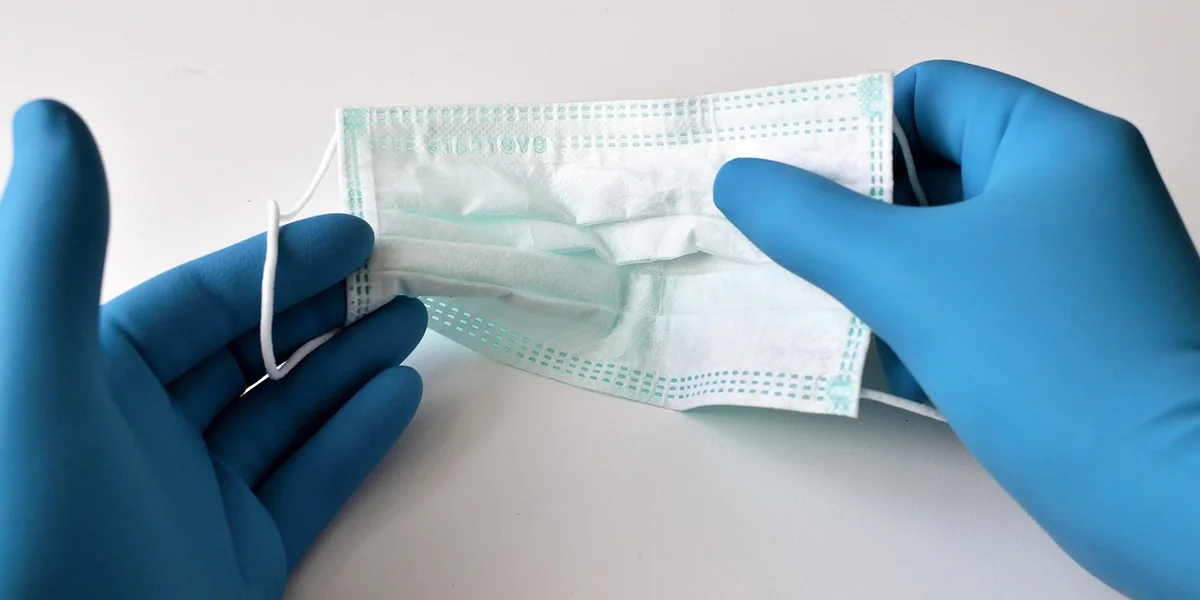
Key Signs of Illness in Quarantined Geckos
Watch your new gecko like a hawk during quarantine. Early detection of problems can save you from a full-blown outbreak in your home. I keep a small notebook to log daily observations, which helped me catch a issue with Jeter early on.
Look for these warning signs:
- Lethargy or lack of movement-your gecko should be alert and responsive.
- Loss of appetite or weight, which you can monitor with a small kitchen scale.
- Abnormal feces, such as runny, discolored, or foul-smelling droppings.
- Excessive shedding issues or stuck skin, which can indicate stress or parasites.
- Wheezing, mucus around the nose, or labored breathing.
Trust your gut-if something seems off, it probably is. My gecko Babe once had a slight change in her basking habits, and it turned out to be a minor infection we caught in time.
Adjusting Care Based on Behavior
Your gecko’s behavior is a live feed of their health status. Be ready to tweak your care routine based on what you observe, not a rigid schedule. If your gecko hides constantly, reduce handling and add more cover to lower stress.
For example, when Mookie showed signs of stress by avoiding his food, I moved his feeding dish to a quieter spot and offered food at different times. Small adjustments can make a huge difference in helping a gecko feel secure and recover.
- If lethargic, check temperatures and humidity-sometimes a slight bump in heat can boost activity.
- For geckos not eating, try offering varied, enticing foods like gut-loaded insects or fruit mixes for species like cresteds.
- Increase observation frequency if you notice any subtle changes, and consult a vet if symptoms persist.
I learned with A-Rod that a territorial gecko might need more visual barriers to feel safe. Adapting to your gecko’s unique personality is key to a successful quarantine. It shows respect for their wellbeing and prevents small issues from becoming big problems.
Transitioning Out of Quarantine
Moving your new gecko out of quarantine feels like a big win, but rushing it can undo all your careful work. I always treat this phase with the same caution as the initial setup to keep my entire gecko family safe. Think of it as the final safety check before your new pet joins the main crew. In the next 24 hours, follow our essential step-by-step guide to ensure a smooth transition. This quick 24-hour plan covers setup, feeding, and monitoring to keep you and your gecko on the same page.
Determining the Right Quarantine Duration
How long should you wait? The answer isn’t one-size-fits-all. In my experience, a solid 60 to 90-day quarantine gives you the best shot at catching any hidden issues. Shorter periods might miss slow-developing parasites. I learned this the hard way with my leopard gecko, Griffey, who seemed fine at first but showed subtle signs only after six weeks.
Consider these factors when setting your timeline:
- Veterinary clearance: No exit without a clean bill of health from a reptile-savvy vet.
- Consistent behavior and appetite: Your gecko should act normally for the entire quarantine.
- Fecal test results: Multiple negative tests spaced weeks apart are your green light.
Longer quarantines are cheap insurance against heartbreaking outbreaks in your established pets. My crested gecko, Jeter, stayed isolated for a full 10 weeks because I wanted zero doubts.
Safe Post-Quarantine Reintegration Steps
Once quarantine ends, reintroduce your gecko slowly and systematically. Sudden changes can stress even the healthiest gecko, leading to suppressed immunity and potential illness. Chronic stress from ongoing fluctuations can weaken the immune system, and a stable routine helps maintain immune health. I follow a strict routine that has never failed me or my pets.
Here is my step-by-step process for a smooth transition:
- Deep clean the main enclosure with a reptile-safe disinfectant before moving your new gecko in.
- Place the new gecko in its own, freshly sanitized hide within the main habitat for the first few days.
- Monitor all geckos closely for any signs of aggression, stress, or unusual behavior.
- Keep handling minimal and watch for changes in eating or bathroom habits over the next week.
Always have a backup plan to separate them immediately if anything seems off. When I introduced my gargoyle gecko, Mookie, his playful leaps initially startled the others, but gradual exposure helped everyone adjust. This careful approach honors your commitment to every gecko’s well-being.
FAQs
What factors determine the length of quarantine for a new gecko?
The quarantine duration depends on the gecko’s health status, veterinary recommendations, and consistent normal behavior observed over time.
How can I prevent stress in my new gecko during quarantine?
Provide a simple, secure setup with appropriate hides and stable environmental conditions to minimize stress and support immune health.
What should I do if I suspect my quarantined gecko is ill?
Immediately isolate the gecko further, consult a reptile veterinarian, and avoid any contact with your other pets until cleared.
Final Thoughts
Proper quarantine boils down to three simple rules: keep your new gecko in a separate, simple enclosure for at least 30-90 days, handle them last with freshly washed hands, and get a vet to check a fecal sample. This routine is the single most effective step you can take to protect your entire gecko family from hidden illnesses and parasites. For a detailed breakdown, follow the complete gecko quarantine protocol that guides you through each day safely.
Committing to this process is a clear sign of a dedicated keeper who puts animal welfare above all else. Your journey in gecko care doesn’t end after quarantine; stay curious, keep researching, and always strive to provide the best possible life for your scaly companions.
Further Reading & Sources
- Parasitic Diseases of Reptiles – Exotic and Laboratory Animals – Merck Veterinary Manual
- A Beginner’s Guide to Fighting Reptile Parasites
- Reptile Parasites & Worms in Reptiles
The Gecko Guide is your ultimate resource for gecko enthusiasts, providing expert advice and practical tips to ensure the health and happiness of your scaly companions. Alexander is a passionate gecko owner with over a decade of experience in reptile care. We are dedicated to offering accurate, up-to-date information to support your gecko journey.Our mission is to foster a community of responsible gecko owners who are passionate about the well-being of these fascinating creatures.
Preventative Care & Vet Visits