
The Perfect Leopard Gecko Enclosure Setup for Beginners
Published on: January 12, 2026 | Last Updated: January 12, 2026
Written By: Alexander 'Gecko Geek' Johnson
Staring at an empty tank and worrying you’ll get your first leopard gecko’s home wrong is a totally normal feeling. I’ve been there with my own gecko, Griffey, and I know the pressure to create a perfect habitat can be overwhelming.
I’m here to help you cut through the confusion. This guide will walk you through the absolute essentials, breaking down the setup into three simple, foundational pillars:
- Providing the right heat for healthy digestion and comfort.
- Creating a habitat with proper hides and safe surfaces.
- Selecting equipment and decor that keeps your gecko secure and stress-free.
You will get clear, step-by-step advice that works. This article covers: tank size and type, heating and lighting, substrate and flooring, decor and hides, humidity and hydration, and feeding station setup.
Choosing the Right Leopard Gecko Enclosure Size and Type
Getting the enclosure right makes a huge difference in your gecko’s happiness and health. I’ve seen my own leopard gecko, Griffey, thrive once I upgraded his space to match his active nature. Let’s break down the key elements to set you up for success.
- Start with a 10-gallon tank for a juvenile, but plan to upgrade to at least a 20-gallon long (30x12x12 inches) for one adult leopard gecko. Larger enclosures, like 40-gallon breeders, give more room for exploration and reduce stress.
- Glass tanks are widely available and offer great visibility, but they can be heavy and have limited ventilation. Front-opening terrariums are lighter, provide better airflow, and make feeding and cleaning easier-I switched to one for Griffey and handling became a breeze.
- Place the enclosure in a low-traffic area away from direct sunlight, drafts, and loud noises to prevent stress. A stable, quiet spot helps your gecko feel secure and encourages natural behaviors like basking and hunting.
What Size Tank Is Best for a Leopard Gecko?
Size matters more than you might think for these curious creatures. A cramped tank can lead to lethargy and poor health, while a spacious one promotes activity and well-being. Here’s what I’ve learned from raising Griffey.
- Aim for a 20-gallon long tank (30x12x12 inches) as a minimum for adults; bigger options like 40-gallon breeders allow for more hides and climbing areas. Larger spaces mimic their natural habitat and reduce territorial stress.
- Enclosure size directly impacts behavior-small tanks can cause pacing or hiding, while ample room encourages exploration and hunting. Griffey became more energetic and confident after I moved him to a larger setup, often “posing” on his favorite rock.
Glass Tank or Terrarium: Which Is Better?
This choice boils down to your lifestyle and your gecko’s needs. I’ve used both over the years and found that front-opening terrariums win for convenience and gecko comfort. Let me share why.
- Glass tanks are affordable and easy to find, but they’re heavy and top-opening can startle geckos. Terrariums often have screened tops for better ventilation and front doors for stress-free access-Griffey stopped hiding every time I reached in after I switched.
- Consider visibility and cost: glass offers a clear view, but terrariums can be pricier upfront. For me, the extra cost was worth it for easier maintenance and happier gecko interactions.
Selecting the Best Substrate for Your Leopard Gecko
The floor of your gecko’s home needs to be safe and simple to clean. Choosing the wrong substrate can lead to serious health issues like impaction, where ingested material blocks their digestive system. I learned this the hard way with early mistakes, so let’s get it right from the start.
- Stick to safe substrates like reptile carpet, paper towels, or slate tile-they’re easy to clean and pose no ingestion risks. Avoid loose options like sand or wood chips, which I’ve seen cause impaction in other geckos.
- Install substrate by laying it flat and securing edges to prevent lifting; for maintenance, spot-clean daily and replace or disinfect weekly. This routine keeps odors down and your gecko healthy.
- Always prioritize safety over aesthetics-impaction can be fatal, so skip anything loose or dusty. I switched to tile after Griffey had a scare with carpet fibers, and now his setup is both stylish and secure.
Is Reptile Carpet or Tile Better for Leopard Geckos?
Both have pros and cons, but one stands out for long-term use. After trying various options, I now use tile for all my geckos because it’s durable, hygienic, and mimics their natural rocky environment. Here’s a quick comparison.
- Reptile carpet is soft and inexpensive, but it traps bacteria and needs frequent washing. Tile is non-porous, easy to wipe clean, and retains heat well for basking-Griffey loves the warm surface under his belly.
- For ease of use, tile wins because it doesn’t fray or hold odors. I made the switch after noticing Griffey was more active on tile, and cleaning became a five-minute task instead of a chore.
How to Avoid Substrate-Related Health Issues
Prevention is key to keeping your gecko safe and sound. Loose substrates are the biggest risk, but even safe options need monitoring to prevent problems like overheating or mold growth. To prevent these issues, it’s helpful to know which substrates to avoid for your gecko. In this guide, I’ll break down common substrates to avoid and safer alternatives. Follow these tips based on my experience.
- Avoid loose substrates entirely; if you want a natural look, use solid alternatives like tile or paper towels. Impaction is painful and often requires vet care-I’ve seen geckos suffer from sand ingestion, so I always advocate for solid floors.
- Monitor substrate temperature with a thermometer to ensure it doesn’t get too hot from heat lamps. Check for wear and tear regularly; replace any damaged pieces to prevent injuries. Griffey’s tile setup stays consistently warm without risks, giving me peace of mind.
Setting Up Proper Heating and Temperature Control
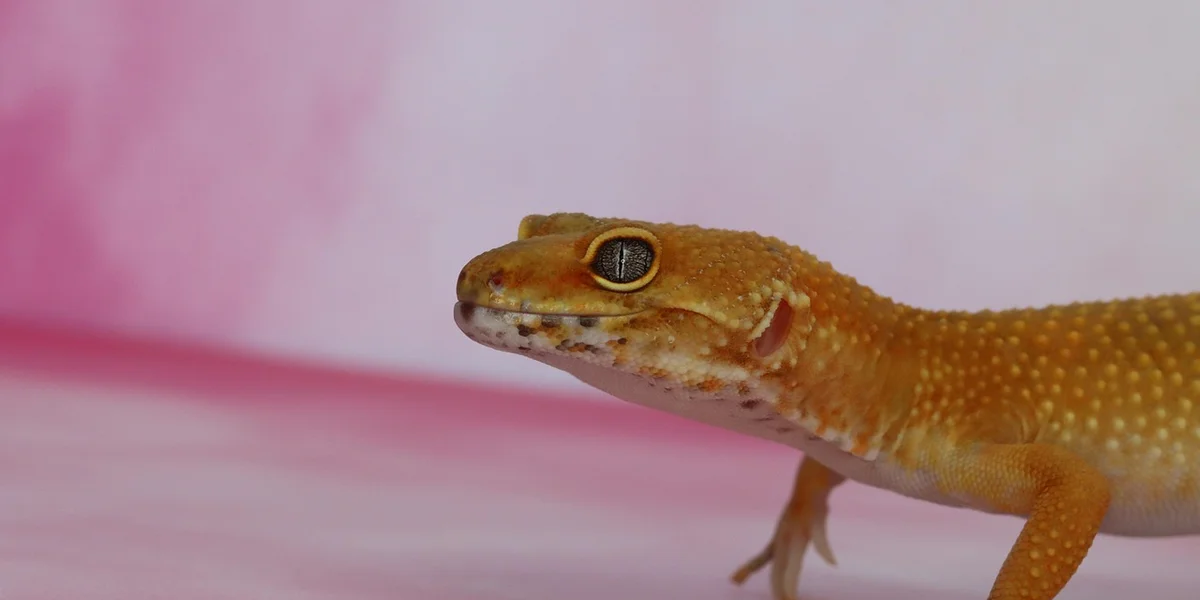
Leopard geckos can’t generate their own body heat, so they depend on you to provide a reliable heat source. Proper heating is non-negotiable for digestion, activity, and overall health-skip it, and your gecko could face life-threatening issues like impaction. I rely on under-tank heaters or heat mats for my leopard gecko, Griffey, because they mimic the warm ground he’d naturally seek out in the wild. It’s also important to understand the leopard gecko tank temperature requirements to keep him healthy and comfortable.
- Under-tank heaters are ideal as they deliver belly heat, which aids in breaking down food efficiently.
- Always pair any heat source with a thermostat to prevent overheating and potential burns.
- Aim for a temperature gradient so your gecko can self-regulate by moving between warm and cool areas.
Do Leopard Geckos Need a Heat Mat?
Belly heat is crucial because it directly supports their digestive system. In my experience, heat mats are the safest and most effective way to provide that consistent, low-level warmth leopard geckos crave. Griffey spends hours lounging on his warm hide after meals, and I’ve noticed he’s more active and alert with this setup. Alternatives like ceramic heat emitters or overhead lamps can work, but they don’t offer the same targeted belly heat and might dry out the enclosure too much.
- Heat mats are preferred for their energy efficiency and how they reduce stress by avoiding bright lights.
- I’ve tried other options, but nothing beats a simple mat for encouraging natural behaviors like basking and resting.
How to Use a Thermostat and Thermometer
Using a thermostat isn’t just a suggestion-it’s a must for safety. I learned the hard way that unregulated heat can spike quickly, risking burns or dehydration for your gecko. Here’s how I set it up for Griffey’s tank in a few easy steps:
- Plug the heat mat into the thermostat, and place the thermostat probe directly on the substrate above the mat.
- Set the thermostat to maintain a surface temperature of 88-92°F on the warm side.
- Use a separate digital thermometer on each side of the tank to double-check readings daily.
Accurate monitoring prevents common problems like lethargy or poor appetite. Trust me, a small investment in a good thermostat saves you from big vet bills down the road.
Creating the Ideal Temperature Gradient
A temperature gradient lets your gecko choose comfort, just like they would in nature. For leopard geckos, the warm side should hover around 88-92°F, while the cool side stays between 70-75°F. I use two digital thermometers—one on each end—and a hygrometer to keep humidity low, around 30-40%. Place the heat mat under one side only, and let the other side remain unheated. This setup encourages natural behavior, and I often see Griffey moving between zones based on his needs. That gradient is the core of a perfect temperature gradient gecko enclosure. Regular checks and fine-tuning of the heat source help keep the transition smooth as room temperatures vary.
- Check temperatures at gecko-level, not just the air, for the most accurate readings.
- Avoid placing hides or decor directly over the heat mat to prevent hot spots.
Providing Essential Hides and Enrichment
Hides are more than just decorations—they’re vital for your gecko’s mental and physical well-being. Without enough hides, leopard geckos can become stressed, which weakens their immune system and hinders shedding. I include at least three types: a warm hide over the heat mat, a cool hide on the opposite side, and a humid hide filled with damp moss to aid shedding. Different hides aren’t interchangeable; geckos use them to regulate temperature, humidity, and comfort. By offering a variety, you’re supporting their natural behavior and privacy preferences. Adding climbs and safe decor, like reptile-safe branches or fake plants, turns the enclosure into a stimulating home. Griffey loves exploring his setup, and it keeps him engaged and happy.
- Warm hides help with digestion and basking, while cool hides offer a retreat for rest.
- Humid hides are lifesavers during shedding; I moisten sphagnum moss lightly and check it every few days.
- Enrichment items should be sturdy and free of sharp edges to prevent injuries.
How Many Hides Should a Leopard Gecko Have?
At a minimum, provide three hides-warm, cool, and humid-but more is always better if space allows. I’ve found that multiple hides reduce competition and stress, especially if you have a shy gecko like my Griffey, who uses his cool hide to nap and his warm one after meals. Place them in different areas to encourage natural movement and exploration. For a standard 20-gallon tank, I recommend starting with three and adding extras like a half-log or rock cave for variety.
- Space hides evenly to create distinct zones and prevent your gecko from feeling exposed.
- Observe your gecko’s habits; if they’re always in one spot, consider adding more options.
DIY vs. Commercial Hides: What Works Best?
Both DIY and commercial hides have pros and cons, so it often comes down to your budget and creativity. Commercial hides are convenient and designed for safety, but DIY options let you customize for your gecko’s personality-I’ve made humid hides from plastic containers that work just as well as store-bought ones. For cost, DIY is cheaper; I’ve used clean yogurt cups or terra cotta pots with sanded edges. However, always prioritize safety: avoid materials that can mold or have toxic coatings. In my trials, simple DIY hides have held up well, but I still keep a few commercial ones on hand for durability.
- DIY ideas: Use small plastic containers with entry holes, or repurpose non-toxic ceramic items.
- Commercial hides are tested for stability and often easier to clean, which saves time.
Understanding Lighting and UVB Needs
Getting the lighting right in your leopard gecko’s home is one of the most debated topics in reptile care. It goes beyond just making the tank look nice. Proper lighting setup directly impacts your gecko’s health, activity levels, and overall well-being.
Do Leopard Geckos Require UVB Lighting?
For years, the standard advice was that leopard geckos don’t need UVB because they are nocturnal. Modern reptile science tells a more nuanced story. In this complete guide, we answer the question: do leopard geckos need UVB lighting? We explain how to provide it safely and why it matters.
- Benefits: Low-level UVB lighting can help a leopard gecko naturally produce Vitamin D3, which is critical for absorbing calcium. This can lead to stronger bones and may prevent Metabolic Bone Disease (MBD). It can also encourage more natural, crepuscular (dawn/dusk) behaviors.
- Drawbacks: Incorrect UVB setup can cause eye damage or stress. You must use the correct, low-output bulb (like a ShadeDweller or a 5.0 T5 tube) and provide plenty of shaded hides so your gecko can escape the light.
I used to keep my geckos without UVB and relied solely on calcium supplements. After seeing how much more active and vibrant my gecko, Griffey, became with a gentle UVB light on a timer, I became a convert. He now spends more time exploring and seems genuinely more engaged with his environment.
Setting Up a Safe Basking Area
Leopard geckos thermoregulate, meaning they move between warm and cool areas to control their body temperature. Your goal is to create a gentle heat gradient, not a scorching desert.
- Choose Your Heat Source: An under-tank heater (UTH) connected to a thermostat is the primary and safest way to provide belly heat for digestion. You can place a low-wattage incandescent or halogen bulb above the warm side to create a slight basking area of 88-92°F.
- Use a Thermostat: This is non-negotiable. A thermostat prevents your heat mat or lamp from overheating and burning your pet. Plug your primary heat source directly into it.
- Establish a Light Cycle: Use a simple outlet timer for any overhead lights. Aim for 12 hours on and 12 hours off to mimic a natural day/night cycle. Total darkness at night is vital to prevent stress and allow for natural rest.
Managing Humidity for Healthy Shedding
Humidity is the invisible factor that can make or break your gecko’s health, especially when it comes to shedding. Getting it wrong can lead to stuck shed, which can constrict toes and tails. Understanding shedding problems helps you keep humidity in the right range and spot issues early. With the right know-how, you can help your gecko shed more normally.
What Is the Right Humidity for a Leopard Gecko?
You need a digital hygrometer to measure this accurately. The general humidity in the entire tank should stay between 30% and 40%. This dry environment prevents respiratory infections and mimics their native arid homeland.
I learned this the hard way with my first gecko. The overall tank humidity was too high, and he consistently had trouble shedding the skin on his toes. Lowering the ambient humidity and providing a dedicated humid hide was the simple fix that solved all our problems. His sheds are now perfect every single time—it’s all about creating the perfect habitat humidity for easy gecko shedding.
How to Make a Humid Hide
This is a fun, cheap, and critical DIY project. Your gecko needs a humid microclimate to retreat to when it’s ready to shed. A DIY humid hide can provide that moist retreat. We’ll walk you through simple steps to create a humid hide for your gecko.
- Find a Container: A simple plastic food container with a lid works perfectly. Cut a smooth, gecko-sized entrance hole in the side.
- Choose Your Moisture Source: Sphagnum moss or moist paper towels are ideal. Soak your chosen material in water and then wring it out completely so it’s damp, not wet.
- Assemble and Place: Place the damp material inside the hide and put the lid on. Position this hide in the middle or warm side of the enclosure so the moisture creates a comforting, humid pocket.
The most common mistake is letting the humid hide dry out or become filthy. Check it every couple of days. Re-moisten the moss or replace the paper towels to keep it fresh and effective. A clean hide is a healthy hide.
Decorating and Accessorizing the Enclosure
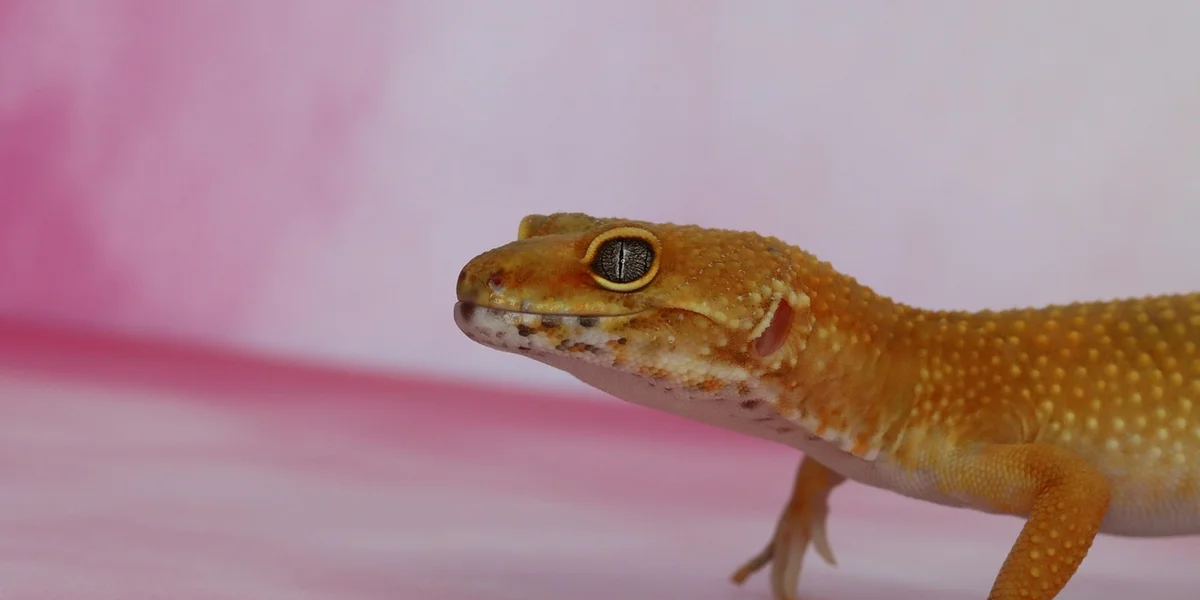
Creating a stimulating and safe home for your leopard gecko is one of the most rewarding parts of being an owner. A well-decorated tank provides essential enrichment and helps your gecko feel secure and behave naturally. Let’s build a habitat that is both beautiful and functional.
What Decorations Are Safe for Leopard Geckos?
Safety is the absolute top priority when choosing tank decor. I’ve learned through trial and error what works and what can be a hidden danger.
- Safe Rocks & Wood: Slate tiles, large river rocks, and cork bark rounds are fantastic. I always bake wood and rocks in the oven at 250°F for 20 minutes to kill any pests before placing them in the tank.
- Artificial Plants: Soft, silk or plastic plants are excellent for adding color and cover. Ensure they have no sharp wires or hard plastic points that could cause injury.
- Climbing Structures: Low, sturdy branches and reptile hammocks placed near the ground offer great climbing opportunities without the risk of a high fall.
You must avoid any decorations with small, loose parts, sharp edges, or sticky surfaces. I once bought a decorative cave with a rough interior, and my gecko, Griffey, got a tiny scrape on his belly. I immediately swapped it for a smooth-sided cave and learned my lesson.
My personal favorites are simple slate pieces for basking and a textured background. Griffey loves to sprawl out on the warm slate after a meal, and the background gives him extra traction to explore the walls of his home.
Setting Up Feeding and Water Areas
Designating specific spots for food and water keeps the enclosure cleaner and helps your gecko establish a routine.
- Water Dish Placement: Put the water dish on the cool side of the tank. This keeps the water fresher for longer and provides a cool area for your gecko to drink and soak if needed.
- Feeding Dish Location: I use a shallow, escape-proof food dish placed in a quiet, easy-to-access spot. This prevents feeder insects from hiding in the substrate and makes it simple for your gecko to find its food.
To prevent spills and maintain hygiene, choose heavy, tip-proof bowls and place them on a flat surface away from digging areas. I do a quick spot-clean of the food and water area daily to remove any spilled insects or debris, which makes the big weekly clean so much easier.
Feeding and Hydration Setup
Proper nutrition is the cornerstone of a healthy, happy leopard gecko. A consistent and balanced feeding routine will support your gecko’s growth, energy, and brilliant coloration for years to come.
What to Feed Your Leopard Gecko
Leopard geckos are insectivores, which means their diet is 100% live insects. Variety is key to providing a full spectrum of nutrients. Yes—leopard geckos require live food to meet their nutritional needs. A balanced diet should include a variety of live insects and appropriate calcium and vitamin supplementation to support health.
- Staple Insects: Crickets, dubia roaches, and black soldier fly larvae are excellent daily feeders.
- Occasional Treats: Waxworms and mealworms are like gecko candy-high in fat and very tasty, so offer them sparingly.
- Essential Supplements: You must dust insects with a pure calcium powder at most feedings and a calcium powder with D3 and multivitamins a couple of times a week.
My gecko Griffey thrives on a simple routine of gut-loaded crickets dusted with calcium, with a couple of dubia roaches as a weekend treat. I feed him in the early evening when he’s naturally most active and alert, which encourages his hunting instincts.
Maintaining Clean Water and Hydration
Even though leopard geckos are from arid regions, they still need constant access to fresh, clean water.
- Daily Maintenance: Every morning, I check Griffey’s water dish. I dump out the old water, give the bowl a quick rinse with hot water, and refill it with fresh dechlorinated water. This takes less than a minute.
- Weekly Deep Clean: Once a week, I scrub the water dish with a reptile-safe disinfectant to prevent slime or bacteria buildup. A clean bowl encourages your gecko to drink.
Providing a moist hide is just as crucial as a water dish for proper hydration, especially during shedding. This humid microclimate helps them shed their skin in one clean piece, preventing dangerous stuck shed on their toes and tail.
Common Questions
How long should I wait before handling my new leopard gecko?
Give your new leopard gecko at least one to two weeks to settle into its new enclosure without handling to reduce stress.
How often should I clean the entire leopard gecko enclosure?
Perform a full breakdown and deep cleaning of the enclosure, including disinfecting all surfaces and decor, approximately once a month.
How many insects should I feed my leopard gecko per meal?
Offer a quantity of appropriately sized insects that your gecko can consume in a 10-15 minute feeding session, typically 2-3 times per week for adults.
When should I upgrade my juvenile leopard gecko’s tank?
Plan to upgrade your gecko to its permanent adult-sized enclosure, such as a 20-gallon long or larger, once it reaches about 6-8 inches in length.
What are the signs of an unhealthy or stressed leopard gecko?
Common signs include prolonged hiding, refusal to eat, weight loss, lethargy, and difficulty shedding its skin.
Final Words
Setting up the perfect leopard gecko enclosure boils down to replicating a safe, warm, and enriching slice of their natural habitat. Focus on providing a secure tank, a reliable temperature gradient with an under-tank heater, safe substrates like paper towel or slate tile, and the essential trio of hides. Don’t forget a shallow water dish and a consistent diet of gut-loaded insects.
Remember, bringing a gecko home is a long-term commitment to a living creature that depends on you entirely. Their well-being is in your hands, so always prioritize their welfare and stay curious—continue learning and adapting your care as new reptile husbandry information emerges. This is where gecko habitat husbandry comes in—setting up a safe enclosure with heat, humidity, and proper lighting. Include secure hides and a clean water source to support daily welfare. Your attentive care is what will help your scaly friend thrive for years to come.
Further Reading & Sources
- A beginner’s guide to leopard gecko housing and setup – Leopard Gecko Care
- r/leopardgeckos on Reddit: [ Leopard Geckos: An Updated Beginner’s Guide ]
- How to Build a Favorable Habitat For Your Leopard Gecko
The Gecko Guide is your ultimate resource for gecko enthusiasts, providing expert advice and practical tips to ensure the health and happiness of your scaly companions. Alexander is a passionate gecko owner with over a decade of experience in reptile care. We are dedicated to offering accurate, up-to-date information to support your gecko journey.Our mission is to foster a community of responsible gecko owners who are passionate about the well-being of these fascinating creatures.
Enclosure Building