
Is My Leopard Gecko Dead or Hibernating? How to Tell
Published on: January 13, 2026 | Last Updated: January 13, 2026
Written By: Alexander 'Gecko Geek' Johnson
Finding your leopard gecko completely still and unresponsive in its tank is one of the most heart-dropping moments a pet owner can face. Your mind races, and the panic is real. I’ve been there myself, staring into an enclosure with a cold knot in my stomach.
I will help you understand the crucial differences between a gecko in a deep sleep and one that has passed. We will cover the key signs to check for right now.
- How to check for the most subtle signs of life.
- The normal behaviors that can mimic death.
- Immediate steps to take for a lethargic gecko.
By the end of this guide, you will have a clear action plan. Key topics covered: signs of brumation, checking for breathing, testing limb response, assessing eye appearance, temperature’s role, and when to contact a vet.
What Is Brumation and Why Leopard Geckos Experience It
Brumation is a state of slowed metabolism and activity that reptiles enter during colder months. It’s not the deep, continuous sleep of mammalian hibernation. Think of brumation as your gecko powering down to a low-energy mode, not shutting off completely. They might wake for a quick drink or even shift positions in their hide. To decode gecko sleep patterns, researchers observe when and where they rest, including during brumation. These observations help map their rest sites and cycles.
In the wild, this is a survival strategy triggered by environmental cues. In our homes, these same instincts can kick in.
- Temperature Drops: Even a slight, consistent dip in your room’s ambient temperature can signal it’s time to slow down.
- Shorter Daylight Hours: As winter days get shorter, the reduced light from your windows can mimic seasonal change.
My leopard gecko, Griffey, does this every year like clockwork. Around late fall, his usual energetic posing for the “crowd” stops. I’ll find him tucked deep in his warm hide for days, only emerging occasionally with a look that clearly says, “Do not disturb.” It used to worry me, but now I recognize it as his normal, healthy cycle.
Here are the completely normal behaviors of a brumating leopard gecko:
- Hiding almost constantly, often in the warm hide.
- A significant decrease or complete stop in eating.
- Drinking water much less frequently.
- Occasional, slow movement, usually at night.
Key Differences Between a Brumating and Deceased Leopard Gecko
This is the moment of truth that every owner dreads. The line can seem thin, but there are clear, physical signs you can check for.
Breathing is your first and most reliable clue. A brumating gecko will take very shallow, slow breaths. You’ll need to watch their flank or throat closely for several minutes to see the subtle movement. A deceased gecko will have no visible breathing at all. Understanding gecko breathing problems helps you distinguish normal brumation from potential respiratory issues, so you can act quickly if needed. If you notice persistent labored breathing, open-mouth breathing, or wheezing, contact a reptile-savvy veterinarian.
Gently testing their reflexes can give you more information. Always be incredibly careful and calm.
- Tail Touch: Lightly stroke the end of their tail. A brumating gecko will often twitch it away or flick it slightly.
- Eye Blink: With a clean, soft brush, gently touch the surface of their eye. A living gecko will instinctively blink or retract the eye.
Body condition tells a powerful story. A brumating gecko will feel cool but not cold, and their body will still have some flexibility. If you’re unsure whether your leopard gecko is too cold, watch for persistent coolness to the touch and reduced activity. Use a reliable thermometer to verify enclosure temperatures, aiming for a warm side around 88-92°F (31-33°C). A deceased gecko, however, will feel cold to the touch and, after a few hours, will become stiff due to rigor mortis. This rigidity is a definitive sign.
Use this quick-reference table to compare the symptoms side-by-side.
| Symptom | Brumating Gecko | Deceased Gecko |
|---|---|---|
| Breathing | Very shallow, slow breaths | No breathing movement |
| Body Temperature | Cool, but not cold | Cold to the touch |
| Body Flexibility | Supple and movable | Stiff and rigid |
| Reaction to Touch | Mild twitch or movement | No reaction |
| Eyes | Will blink if gently stimulated | Sunken, unresponsive |
Step-by-Step Guide to Check for Signs of Life
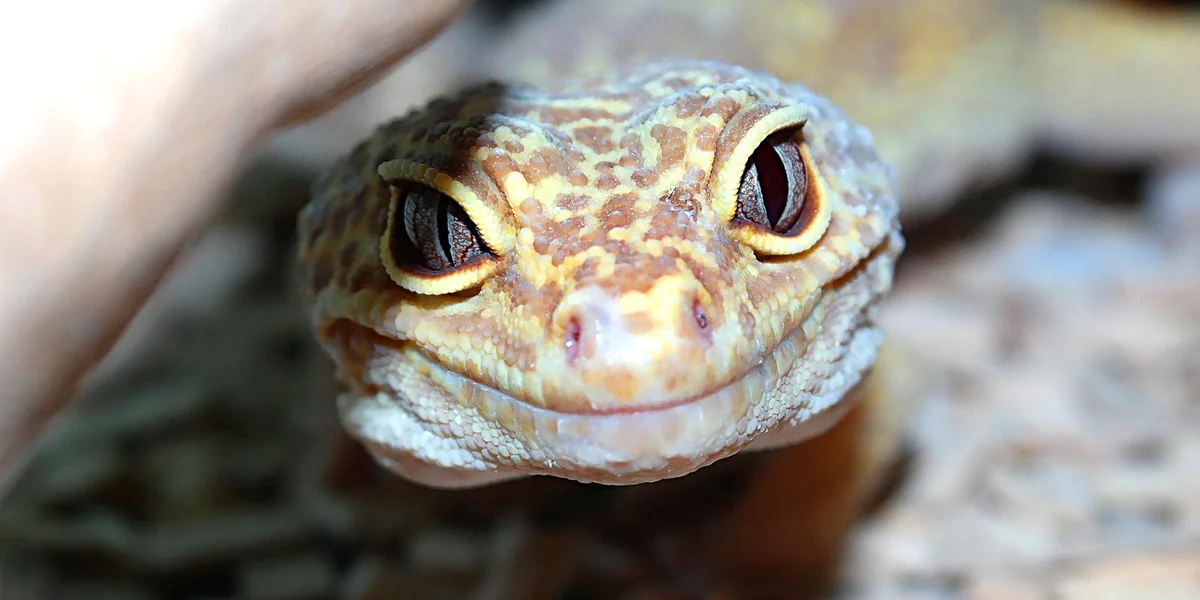
- Observe from outside the enclosure for any subtle movements. I sit quietly for a solid five minutes, watching my leopard gecko, Griffey. I look for the slightest twitch of a toe, a flick of the tongue, or the slow, rhythmic expansion of his sides.
- Approach slowly and check for breathing by watching the chest. Move with calm purpose to avoid startling them. Focus your eyes on their chest or flank area; even in deep sleep, you should see a very slow, shallow movement every so often.
- Gently stimulate with a soft tool to test reflexes. I use a clean, soft-bristled paintbrush. Gently stroke the side of their body or the tip of their tail. A healthy, brumating gecko will often twitch or slowly pull away from the sensation.
- Feel for body warmth and flexibility in limbs. With clean, warm hands, I carefully pick my gecko up. A living gecko, even a cool one, will have a certain pliability. I gently bend a back leg at the knee; it should offer some resistance and spring back, not be stiff or rigid.
- Listen for any faint sounds or hisses. Bring your ear close to their terrarium or even to the gecko itself. A faint, wheezy breath or a soft, defensive hiss is a sure sign of life. My feisty A-Rod has given me a scare this way before with a sudden, quiet hiss!
Warning Signs: When Brumation Masks Illness or Death
- Symptoms like sunken eyes, a sticky mouth, or unusual odors are major red flags. A brumating gecko should look lean, not emaciated. Sunken eyes signal severe dehydration, and a foul smell often means internal infection or decay.
- Rapid weight loss is a critical distinction from normal brumation thinning. I weigh my geckos monthly. A slow, gradual weight reduction during winter is normal. A sudden, dramatic drop in a week or two means something is seriously wrong and it’s not just sleep.
- Note any changes in skin color or discharge that signal health issues. Their skin might become dull or grayish if they are failing. Look for pus, mucus around the nose or mouth, or a constantly damp vent area-these are not signs of brumation.
- Seek immediate veterinarian help if you see any of these warning signs or get no response during your life checks. Do not wait and hope it improves. An exotic vet can provide critical supportive care like fluids and nutrition that can save your pet’s life.
Caring for Your Leopard Gecko During Brumation
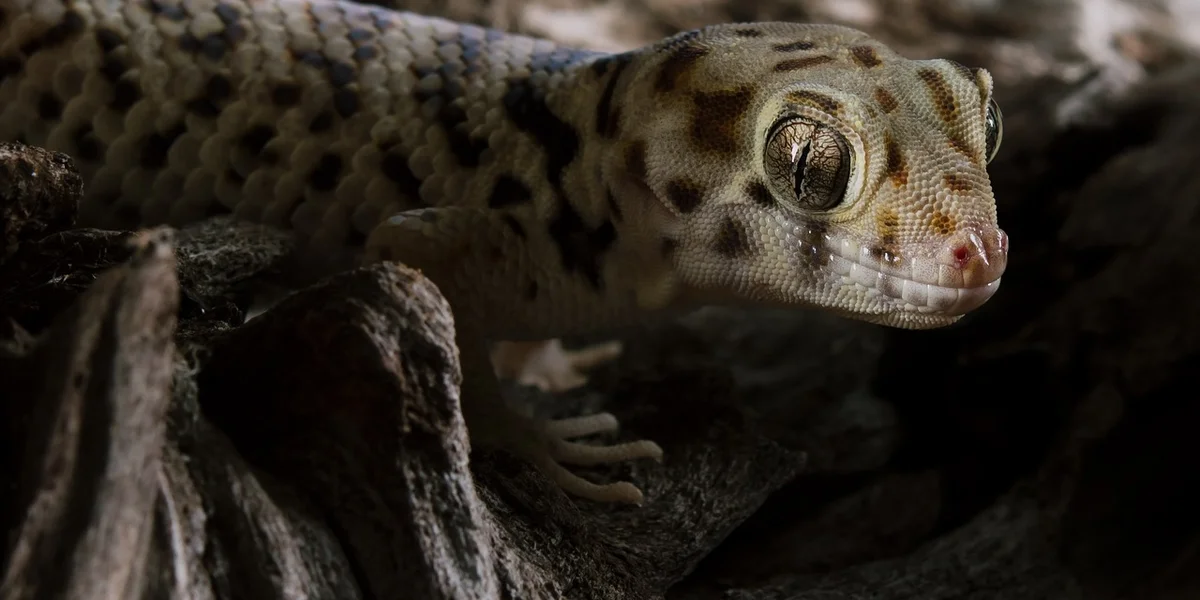
When your gecko is in this deep, energy-saving state, your care shifts from active management to quiet stewardship. The goal is to provide a stable, safe environment that supports their natural cycle without interruption. To promote optimal gecko health, mimic natural day-night cycles with consistent lighting and temperature. A steady rhythm supports digestion, sleep, and activity.
Optimal Temperature and Humidity
You don’t want their environment to be too warm, as this can disrupt their rest and deplete their energy reserves. I keep my gecko room noticeably cooler during brumation season. Seasonal temperature adjustments in your gecko’s habitat help mimic their natural cycle and support their health.
- Daytime Ambient Temperature: Aim for 65-72°F (18-22°C).
- Nighttime Drop: A slight drop into the low 60s°F (around 16°C) is acceptable and natural.
- Humidity Level: Maintain a moderate 40-50% to prevent dehydration. A quick mist in one corner of the tank once a week usually does the trick.
Minimal Disturbance and Safe Monitoring
Resist the urge to check on them constantly. Think of them as a teenager sleeping in; they need their rest. I perform visual checks without physical contact, often just peeking into their favorite hide.
- Do not handle your gecko unless absolutely necessary.
- Keep tank cleaning to a minimum-spot clean any waste you see, but postpone full substrate changes.
- Watch for subtle signs of life, like a slight shift in position from one day to the next.
Offering Water and Food
Hydration is your number one priority. A dehydrated gecko is a gecko in trouble.
- Water: Always provide a shallow, clean dish of fresh water. I refresh mine every other day.
- Feeding: Do not offer food. Their digestive system has essentially shut down. Forcing food on a brumating gecko can lead to deadly gut impaction. They are running on stored fat, and that is perfectly normal.
Tips from Experience with A-Rod
My African Fat-Tailed Gecko, A-Rod, is a champion brumator. He goes into a very deep sleep for weeks. The first time he did it, I was convinced something was terribly wrong. I learned to trust the process. I set a weekly reminder to visually confirm he has moved slightly and to change his water. His meticulous nature even extends to brumation-he always chooses the exact same spot in his hide. This consistency is a good sign they feel secure.
If Your Leopard Gecko Has Passed Away: Next Steps
Facing this possibility is the hardest part of being a pet owner. It’s a moment filled with emotion, but it’s crucial to approach it with a calm and respectful demeanor.
Humane Confirmation of Death
You need to be sure without causing any unnecessary distress to an animal that might still be alive. Gently misting the gecko’s snout with lukewarm water is a safe first test; a live gecko will often twitch or lick the water away. To tell if your gecko is dehydrated, look for signs of gecko dehydration such as sunken eyes, wrinkled skin, or lethargy. If dehydration is suspected, seek veterinary care.
- Look for a sunken or cloudy appearance in the eyes.
- Check for rigor mortis (stiffness in the body and limbs).
- Observe for a complete lack of movement or breathing over a 24-hour period.
- There should be no reaction to very gentle prodding with a soft, blunt object like a paintbrush.
Respectful Handling and Disposal
Handle your gecko’s body with the same care you showed them in life.
- Wrap them gently in a soft, clean cloth or paper towel.
- Place them in a small box if you wish to bury them. Bury them deep enough (at least 2-3 feet) to prevent other animals from disturbing the site.
- Contact your local veterinarian; many clinics offer cremation services for small pets.
- Do not flush them or throw them in the trash. These are not respectful or ecologically sound options.
Emotional Support and Memorial Ideas
Your grief is real and valid. These little creatures leave big footprints on our hearts.
- Talk about your gecko with friends or family who understand.
- Create a small memorial. I’ve pressed flowers from the plant I placed on a pet’s burial site.
- Print and frame your favorite photo of them.
- Write down your favorite memories of their unique personality and behaviors.
Animal Welfare and Learning
Losing a pet is a profound learning experience. The ultimate act of love for an animal is to reflect on their life and use that knowledge to improve the lives of others. Consider what you learned about their care, their health signals, and their needs. This knowledge honors their memory and makes you a more capable and compassionate keeper for any future pets. Your love for them translates into better animal welfare overall.
FAQs
How long does brumation typically last for leopard geckos?
Brumation can last from a few weeks to several months, depending on environmental factors and the gecko’s health. Understanding brumation for pet geckos helps you know what your pet gecko needs. Monitor temperature, humidity, and feeding closely, and minimize handling during this period.
Can I prevent my leopard gecko from brumating?
You can reduce the likelihood of brumation by maintaining stable warm temperatures and consistent light cycles, though some geckos may still enter this state naturally. Proper lighting and temperature are essential for keeping your gecko healthy year-round.
What are the first signs that my leopard gecko is entering brumation?
Early indicators include a gradual decrease in appetite, more time spent hiding, and reduced activity levels, often coinciding with seasonal temperature drops.
Final Thoughts
When in doubt, trust what you can see and feel. A hibernating gecko will still breathe, respond to gentle warmth, and may even shift position. A deceased gecko will be completely rigid, unresponsive, and may have a sunken appearance. Your quick, calm observation is the most powerful tool you have. Recognizing stress signals—such as rapid breathing or tense posture—helps you tell stress from normal behavior. This distinction guides how you respond to keep your gecko safe.
Caring for a gecko is a continuous journey of learning and adjustment. Every time you successfully navigate a health scare, you become a more confident and capable owner. Keep asking questions, stay curious about their needs, and celebrate the privilege of providing a wonderful life for your scaled friend. When a gecko is sick or injured, handle them gently and with minimal restraint to reduce stress. Always prioritize their comfort and seek veterinary care for proper treatment.
Further Reading & Sources
- Leopard Gecko Brumation | Leopard Gecko Care Packet
- Leopard Gecko Brumation: Expert Answers to Your Questions
- r/leopardgeckos on Reddit: PSA: Brumation and You: Why Your Gecko Has Suddenly Stopped Eating and Gotten Grumpy
The Gecko Guide is your ultimate resource for gecko enthusiasts, providing expert advice and practical tips to ensure the health and happiness of your scaly companions. Alexander is a passionate gecko owner with over a decade of experience in reptile care. We are dedicated to offering accurate, up-to-date information to support your gecko journey.Our mission is to foster a community of responsible gecko owners who are passionate about the well-being of these fascinating creatures.
Gecko Health