
Is Your Gecko’s Tank Too Small? Spot the Signs
Published on: January 16, 2026 | Last Updated: January 16, 2026
Written By: Alexander 'Gecko Geek' Johnson
You’ve noticed some odd behaviors in your gecko, and a little voice in your head is whispering a worrying question: is their home just too cramped? That feeling is your keeper’s intuition kicking in, and it’s something you should absolutely listen to.
I’ve been there myself, watching my geckos and wondering. I’m here to help you decode those signals. We’ll walk through the clear, often-missed clues that your pet needs more square footage. By the end of this, you’ll know exactly what to look for.
We will cover three key takeaways:
- The direct physical and behavioral signs of a too-small enclosure.
- How the right tank size directly impacts your gecko’s health and happiness.
- Simple, actionable steps you can take to create a better home for your pet.
You will get straightforward, experience-based advice you can use right away. The specific signs we will cover are: abnormal pacing, lack of enrichment use, difficulty thermoregulating, weight loss or stress stripes, and overall stunted activity levels.
Why Proper Terrarium Size is Non-Negotiable for Gecko Health
Imagine living in a tiny studio apartment where you can barely turn around-it feels suffocating, right? Your gecko experiences the same claustrophobic stress in an undersized terrarium, which directly impacts their physical and mental health. Adequate space isn’t just about comfort; it’s a fundamental need that supports their natural instincts and keeps them thriving.
In the wild, geckos explore, climb, and hunt across varied terrain, and replicating that in captivity prevents a host of issues. Ample room reduces chronic stress, which can weaken their immune system and lead to illnesses like respiratory infections or skin problems. I saw this with my leopard gecko, Griffey: after upgrading his enclosure, his once-sluggish behavior vanished, and he started actively hunting and basking with renewed energy.
A cramped space limits their ability to thermoregulate-moving between warm and cool areas-which is vital for digestion and metabolism. Without this, geckos can develop obesity or metabolic bone disease from lack of movement and improper calcium processing. It’s like forcing someone to live in a single room without windows; their health would deteriorate fast.
- Supports natural behaviors: Space allows for climbing, hiding, and foraging, which mimic their wild habits and reduce boredom.
- Reduces stress: More room means less competition for resources, lowering aggression and anxiety.
- Prevents health issues: Encourages exercise to avoid weight gain and ensures proper environmental gradients for temperature and humidity.
When I moved Babe, my giant day gecko, to a larger terrarium, his food motivation skyrocketed, and he stopped hiding all day. That change showed me how vital space is for their overall vitality and happiness.
Behavioral Red Flags That Scream “I Need More Space!”
Geckos communicate discomfort through actions, not words, so spotting these behaviors early can save them from long-term stress. If your gecko is doing any of these, it’s likely begging for a roomier home. Often, these stress signals come from the gecko’s environment—incorrect temperatures, humidity, lighting, or enclosure size. Addressing those factors can help reduce stress and support healthier, more natural behaviors.
- Glass surfing: Repeatedly rubbing against the glass walls indicates frustration and a desire to escape confinement.
- Constant pacing: Walking back and forth endlessly signals boredom or an attempt to find more territory.
- Escape attempts: Climbing on lids or pushing at openings shows they feel trapped and unsatisfied.
- Aggression: Biting, hissing, or territorial disputes often stem from stress in tight quarters.
My leopard gecko, Griffey, used to pace relentlessly in his old tank, but once I gave him more space, he transformed into an curious explorer. That shift proved how confined movement fuels restless behavior and unhappiness.
In contrast, Jeter, my crested gecko, has always been calm in his well-sized enclosure, perching high like a natural leader. His relaxed demeanor highlights how proper space fosters confidence and reduces stress-induced actions.
Connecting these red flags to causes is straightforward: glass surfing and pacing arise from feeling trapped, while escape attempts and aggression are stress responses to limited movement. Learning to distinguish gecko stress from normal behavior helps you tell when it’s distressed versus simply exploring. Addressing these signs promptly can prevent health declines and help your gecko live a fuller, happier life.
Physical Health Symptoms of a Cramped Enclosure
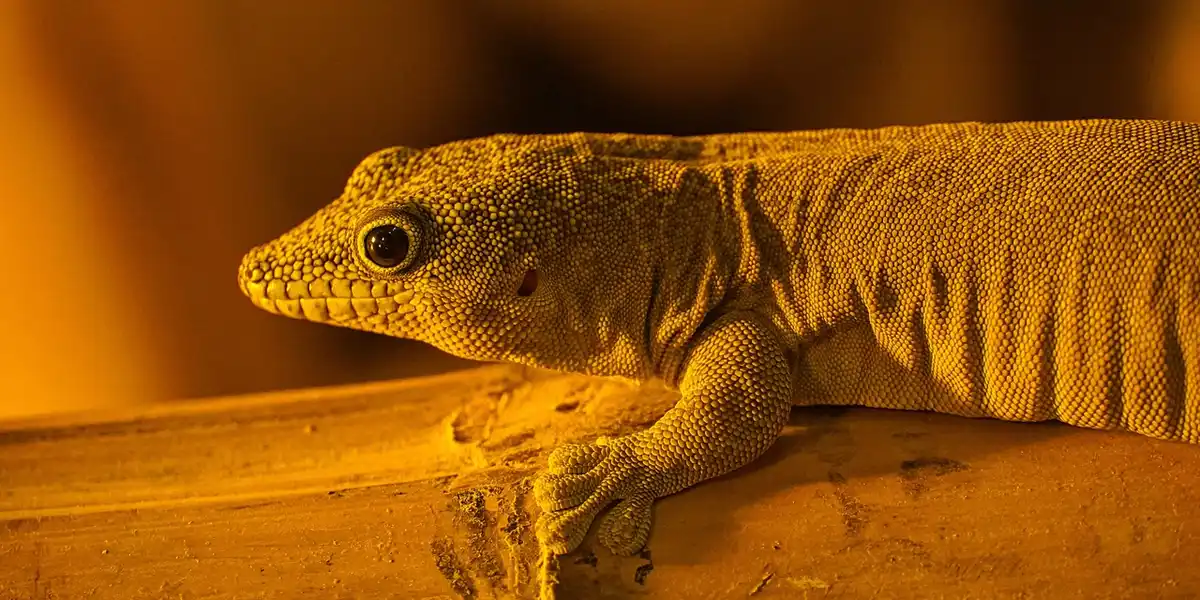
Your gecko’s body language screams when their space is too tight. Weight loss happens fast in small tanks because stress kills their appetite. Stunted growth means your pet isn’t getting room to thrive. Poor shedding leaves skin stuck on toes and tails. Appetite changes turn eager eaters into picky ones. Dehydration signs pop up with sunken eyes or wrinkled skin. Are those signs of dehydration in pet geckos? If you’re unsure, look for other cues like a dry mouth or sluggish movement.
- Weight loss from chronic stress
- Stunted growth in young geckos
- Poor shedding causing retained skin
- Appetite changes like refusing food
- Dehydration shown by lethargy or dry skin
Monitor your gecko’s health with simple routines. Regular weigh-ins catch drops before they become dangerous. Use a small kitchen scale weekly. Check skin condition during handling for any stuck shed. Look at their eyes and body tone for hydration clues. To tell if your gecko is dehydrated, look for sunken eyes, a dry mouth, and wrinkled skin. If you notice these signs, consult a vet for guidance.
- Weigh your gecko every week on the same scale
- Inspect skin after each shed for leftover patches
- Observe eating habits during feeding times
- Feel their body for muscle tone and fat stores
I saw this with my Giant Day Gecko Babe. His chubby tail plumped up perfectly in a spacious terrarium but looked deflated in smaller setups. That fat storage is their emergency fund. In cramped quarters, they burn through reserves faster. Babe’s “built for power” body only shines with room to move and hunt.
Environmental Clues Your Terrarium is Too Small
Small enclosures wreck the climate control geckos need. Improper thermoregulation occurs when heat spots cramp together. Humidity spikes or drops unpredictably. Inadequate ventilation traps stale air. These issues stack up fast in tiny tanks. Humidity and heating for geckos must work in conjunction. Understanding this role helps maintain stable microclimates and healthier, less-stressed animals.
- Temperature gradients collapse into one hot zone
- Humidity swings between swamp and desert conditions
- Ventilation fails to cycle fresh air properly
- Basking areas shrink to unusable sizes
- Cool hides disappear entirely
My African Fat-Tailed Gecko A-Rod taught me about territorial stress. His constant décor rearranging in small spaces showed his frustration. He’d block vents or pile substrate. That behavior messed up the heat and moisture balance. In a proper-sized home, he calmed down and the environment stabilized. Small tanks turn minor issues into big problems overnight. This is exactly where calm stressed gecko effective techniques and environmental fixes come into play. With a roomy enclosure, steady temperatures, proper humidity, and plenty of quiet hides, the gecko stays calmer and the habitat remains balanced.
Gecko Species and Their Unique Space Requirements
Not all geckos are created equal, and their housing needs are a perfect example of this. A one-size-fits-all tank is a fast track to a stressed-out pet. You must match the enclosure’s shape to your gecko’s natural behavior for them to truly thrive. Understanding gecko housing requirements means getting the tank size right and tailoring the setup to the species. Each species has its own needs, from basking spots to humidity, so your enclosure should reflect their natural habitat.
Space Requirements by Species
| Species | Minimum Terrarium Size | Key Consideration |
|---|---|---|
| Leopard Gecko | 36″ L x 18″ W x 12″ H | Ground dweller; needs ample floor space for exploring and a temperature gradient. |
| Crested Gecko | 18″ L x 18″ W x 24″ H | Arboreal climber; height is non-negotiable for vertical exploration and jumping. |
| African Fat-Tailed Gecko | 36″ L x 18″ W x 12″ H | Terrestrial and secretive; requires more ground-level hiding spots than a Leopard Gecko. | Gargoyle Gecko | 18″ L x 18″ W x 24″ H | Like Cresteds, they are avid climbers and need vertical space to feel secure and active. |
| Giant Day Gecko | 18″ L x 18″ W x 24″ H (or larger) | Extremely active and arboreal; a larger, taller enclosure prevents nose-rubbing and stress. |
Climbers vs. Ground Dwellers
The biggest mistake I see is putting a climber in a short tank. My Crested Gecko, Jeter, spends 90% of his time on branches and leaves near the top. For climbers like Cresteds and Gargoyles, vertical space is their entire world. They eat, sleep, and explore up high. A tall, narrow tank is far better for them than a long, low one.
Conversely, my Leopard Gecko, Griffey, couldn’t care less about height. He’s all about patrolling his territory on the ground. For terrestrial species, floor space is king so they can establish proper warm and cool zones. Skimping on length forces them to choose between being comfortable and being safe.
A Personal Story: Housing Mookie
When I first got my Gargoyle Gecko, Mookie, I made the classic error of starting him in a 12-inch tall enclosure. He was so inactive and seemed bored. The moment I upgraded him to a 24-inch tall terrarium packed with branches and vines, it was like a switch flipped. He now spends his evenings making incredible leaps between branches, using every inch of that vertical real estate. Seeing that transformation cemented my belief that providing the right *type* of space is just as important as the amount.
How to Measure and Upgrade Your Gecko’s Living Space
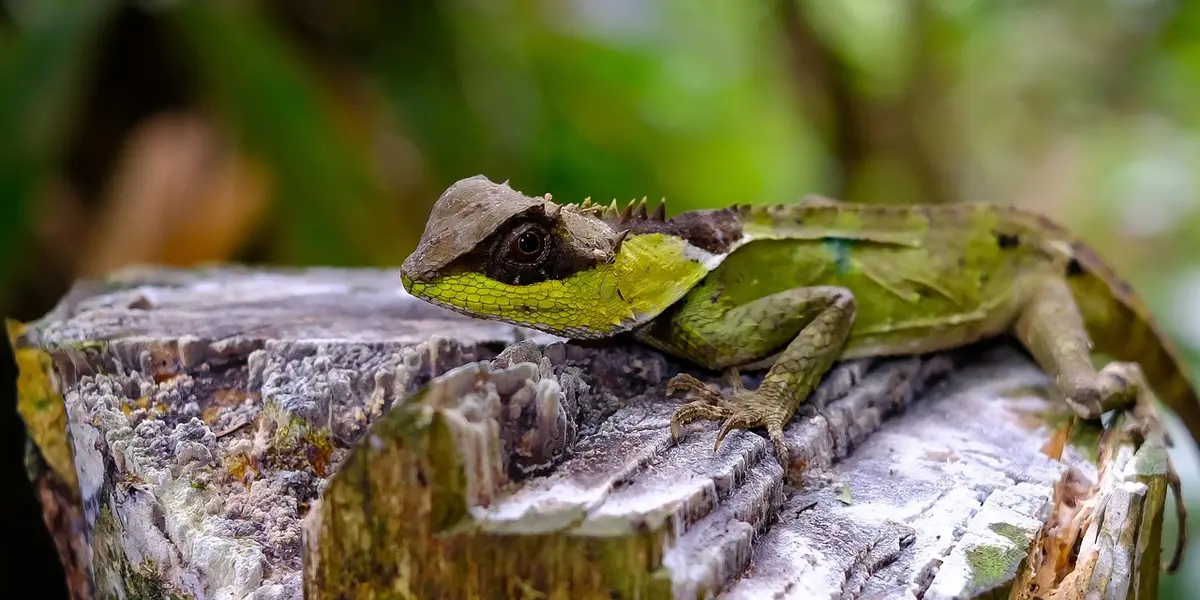
Unsure if it’s time for an upgrade? Let’s break it down into a simple, actionable plan. A quick assessment of your current setup can reveal a lot about your gecko’s quality of life.
Steps to Assess Your Current Enclosure
- Measure the Dimensions: Get a tape measure and record the exact Length, Width, and Height in inches. Compare these numbers to the recommended minimums for your species.
- Check for Adequate Hiding Spots: You should have at least two proper hides (one on the warm end, one on the cool end) plus additional clutter. If your gecko is always in the same hide, it might be because it’s the only one that feels secure.
- Evaluate Enrichment: Is there room for your gecko to engage in natural behaviors? For a climber, this means branches and plants at various heights. For a ground dweller, it means space to dig and explore without immediately bumping into a wall.
When and How to Upgrade
Upgrading isn’t just about size; it’s about life stage. A juvenile gecko can start in a smaller enclosure, but they grow fast! I generally recommend upgrading to an adult-sized habitat by the time your gecko is 6-8 months old. A good rule of thumb is that the length of the enclosure should be at least twice the length of your adult gecko.
If a brand-new, large terrarium isn’t in the budget, don’t panic. Look for secondhand tanks on local marketplaces-you can often find high-quality enclosures for a fraction of the price. Another great budget option is converting a large, well-ventilated plastic storage bin, which works surprisingly well for terrestrial species.
Adding Structures Without Overcrowding
More space doesn’t mean you should fill every square inch. The goal is to create a functional landscape. Focus on creating a “highway” of branches and vines that allows your gecko to traverse the tank without having to touch the ground if they don’t want to. For basking areas, ensure the spot is easily accessible and large enough for your gecko to rest its entire body flat to absorb heat properly. Leave some open space for movement; a cluttered tank can be just as stressful as a barren one.
Avoiding Common Mistakes in Terrarium Sizing and Setup
I’ve seen too many well-meaning owners accidentally cramp their gecko’s style. Getting the size and layout wrong from the start is the fastest way to create a stressed-out pet. Let’s walk through the classic blunders so you can sidestep them completely.
Common Terrarium Pitfalls
- Buying for Today, Not Tomorrow: That cute little juvenile leopard gecko won’t stay small forever. I learned this with Griffey; he grew out of his starter tank faster than I anticipated. Starting with an adult-sized enclosure saves money and stress.
- Ignoring the Third Dimension: For climbers like my crested gecko, Jeter, a tall, narrow tank is a palace, while a long, low one is a prison. Neglecting vertical space for arboreal species is like giving a bird a one-story house.
- The Hide Placement Blunder: Cramming all the hides in one corner destroys the temperature gradient your gecko needs to regulate its body. They need a warm hide, a cool hide, and a moist hide spaced appropriately.
Pro Tips for a Spacious & Happy Habitat
Don’t let your gecko play sardines-give them room to thrive! Optimizing your setup is easier than you think.
- Go Multi-Level: Use branches, vines, and ledges to create a “jungle gym” effect. My gargoyle gecko, Mookie, spends his days leaping between different levels, which keeps him active and entertained.
- Think Like an Interior Designer: Use the back and side walls! Magnetic feeding ledges, suction-cup plants, and background panels instantly add usable square footage without shrinking the floor space.
- Prioritize Proper Ventilation: A larger, well-ventilated tank prevents stale, humid air that can lead to respiratory infections. Good airflow is non-negotiable for a healthy gecko, period.
Common Questions
What is the minimum tank size for my specific gecko species?
The minimum size depends entirely on whether your gecko is a ground dweller, needing more floor space, or a climber, requiring significant vertical height.
Besides glass surfing, what other behaviors indicate a need for more space?
Other clear signs include constant pacing, frequent escape attempts, and unusual aggression, all stemming from stress and boredom.
How can a small tank directly lead to health problems?
A cramped enclosure can cause weight loss from chronic stress and poor shedding due to incorrect humidity gradients.
What are the environmental problems in a tank that is too small?
Small tanks often have unstable temperature and humidity levels and inadequate ventilation, which prevents proper thermoregulation.
How do I properly measure if my current terrarium is too small?
Measure the length, width, and height of your enclosure and compare it to the recommended minimum dimensions for your gecko’s adult size and species. For a quick reference, check the Tiny Large gecko size guide to see what fits your space. It helps you match enclosure size to your gecko’s adult dimensions.
Your Gecko’s Space Matters
Ultimately, a cramped gecko shows you with its behavior and body language. Watch for pacing, glass surfing, refusing food, and stress marks. These are clear signals that your pet needs more room to climb, hide, and explore comfortably. It’s important to distinguish these signs from normal vs. abnormal gecko behaviors to know when to be concerned.
Providing a properly sized home is one of the most fundamental acts of responsible pet ownership. Your gecko relies entirely on you for its wellbeing, so commit to learning and adapting your care as your scaly friend grows and thrives.
Further Reading & Sources
- What Is The Ideal Crested Gecko Tank Size & How To Choose
- Leopard Gecko Tank Size (Ultimate Guide) | LeopardGeckoLand.com
- r/reptiles on Reddit: How big should the tank for an adult leopard gecko be?
The Gecko Guide is your ultimate resource for gecko enthusiasts, providing expert advice and practical tips to ensure the health and happiness of your scaly companions. Alexander is a passionate gecko owner with over a decade of experience in reptile care. We are dedicated to offering accurate, up-to-date information to support your gecko journey.Our mission is to foster a community of responsible gecko owners who are passionate about the well-being of these fascinating creatures.
Enclosure Types & Sizing