
How to Safely Use Rocks in a Leopard Gecko Tank Setup
Published on: January 21, 2026 | Last Updated: January 21, 2026
Written By: Alexander 'Gecko Geek' Johnson
You’re probably eyeing those beautiful rocks and wondering if they’ll make your leopard gecko’s home stunning or turn it into a hazard zone. I felt the same nervous excitement when I first added rocks for my gecko, Griffey-worried about scratches, impaction, or unstable setups.
As a fellow gecko parent, I’ve tested and tweaked rock setups to keep pets like Griffey safe and entertained. Let’s tackle the essentials together. Here are the key areas we’ll focus on:
- Selecting rocks that won’t harm your gecko’s skin or digestion
- Placing rocks securely to prevent tipping and injuries
- Cleaning rocks thoroughly to avoid bacteria and parasites
By the end, you’ll have a clear, actionable plan to create a natural-looking habitat without the guesswork. We’ll cover rock types to avoid, sanitization steps, and creative arrangement ideas so your gecko can climb and explore with confidence.
What Rocks Are Safe for Your Leopard Gecko’s Home?
Choosing the right rocks isn’t just about aesthetics; it’s about creating a hazard-free environment for your scaled friend. I’ve learned through trial and error with Griffey that not all “pretty” rocks are pet-friendly.
Identifying Hazardous Rocks and Sharp Edges
Before any rock enters the tank, you must perform a simple touch test. Run your fingers over every surface and edge. If it feels sharp or abrasive to your skin, it will definitely harm your gecko’s delicate underside. I always avoid rocks that are crumbly, flaky, or have lots of tiny crystals, as these can break off and be ingested. These checks are part of a broader set of gecko enclosure safety and household hazards tips. Keep the setup clear of loose cords and cleaners, and regularly inspect for new dangers.
- Porous or Crumbly Rocks: These can harbor bacteria and mold, and may break apart into small, ingestible pieces.
- Rocks with Sharp, Jagged Edges: These pose a direct risk of cuts and scratches, especially on your gecko’s soft belly and feet.
- Rocks from Unknown Outdoor Sources: They could be contaminated with pesticides, fertilizers, or harmful parasites.
- Soft Minerals like Limestone or Sandstone: They can degrade over time and alter your tank’s pH if they constantly get wet.
Best Rock Sizes for Leopard Gecko Safety
The ideal rock is either too heavy to be moved or too large to be swallowed. A good rule of thumb is to select rocks that are larger than your gecko’s head to completely eliminate any choking risk. For a stable basking platform, I prefer a single, large, flat piece of slate that Griffey can’t possibly tip over.
- Basking Rocks: Should be large, flat, and stable. Think a solid paver or a piece of flagstone.
- Decorative Rocks: Should be fist-sized or larger, with a smooth, rounded shape.
- Small Rocks or Gravel: Avoid these entirely. They are a major impaction risk if accidentally eaten during feeding.
How to Clean and Sterilize Rocks Before Use
Never, ever put a store-bought or garden-found rock directly into your gecko’s enclosure. Proper sterilization is non-negotiable for preventing the introduction of pests, bacteria, or chemical residues. This process has saved me from potential disasters multiple times. This principle also applies to reusable substrates. Be sure to clean and disinfect them, and let them dry thoroughly before reusing.
Step-by-Step Rock Preparation
- Scrub & Rinse: First, scrub the rock vigorously with a stiff-bristled brush under hot running water. No soap! You’re just removing loose dirt and debris.
- Boil or Bake: To sterilize, you have two excellent options. You can submerge the rock in a pot of boiling water for at least 20 minutes. Alternatively, you can bake the rocks on a baking sheet in an oven at 250°F (120°C) for 30 minutes. Be cautious with wet rocks in a hot oven, as they can potentially crack or explode.
- Cool Completely: After boiling or baking, let the rocks cool down to room temperature naturally. Do not rush this by putting them in cold water.
- Final Rinse & Dry: Give the rock one last quick rinse with dechlorinated water to remove any ash or final particles, then pat it dry with a clean paper towel before placing it in the tank.
Smart Rock Placement in Your Leopard Gecko Tank
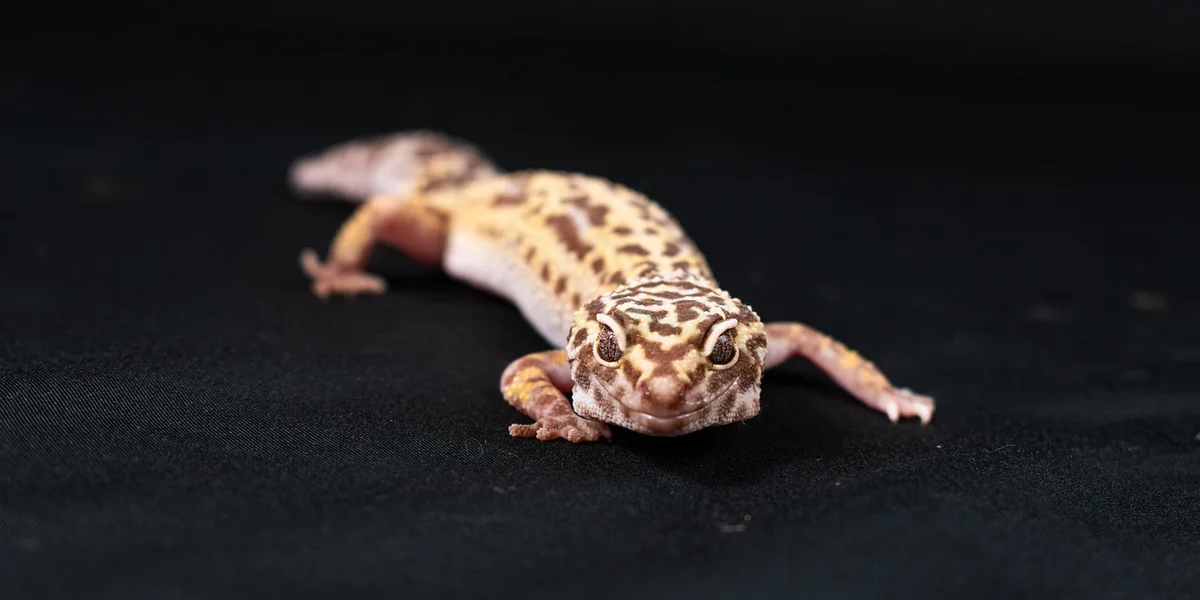
Creating Climbing and Hiding Areas
Placing rocks isn’t just about making the tank look pretty. You need to build a functional landscape that mimics their natural rocky outcrops and provides enrichment. My leopard gecko, Griffey, spends hours exploring the structures I’ve built for him, and it keeps him active and engaged.
Start by creating a stable, multi-level basking area. Use a large, flat slate rock directly under the heat lamp.
- The rock absorbs and radiates gentle, belly heat-perfect for digestion.
- Ensure the surface is large enough for your gecko to sprawl out completely.
- The rock must be low enough that your gecko can climb onto it easily.
For climbing structures, think like a gecko. They are curious but not always graceful climbers.
- Lean rocks securely against the tank’s back wall to create a gentle incline.
- Stack rocks in a stable, interlocking pattern to prevent shifting.
- Always leave clear, flat pathways for your gecko to walk on. Avoid precarious perches.
Hiding spots are non-negotiable for their sense of security. You can create fantastic, secure hides by propping a large, flat rock on two smaller support rocks. This creates a dark, enclosed cave that feels safe. Make sure the entrance is wide enough for your gecko to enter and exit without scraping its sides. Different hide types suit different gecko species, from simple cave hides to tall tunnel hides. Choose a type that matches your species and enclosure, ensuring good ventilation and appropriate humidity.
Routine Monitoring for Rock Safety in the Vivarium
Your job isn’t done once the rocks are in place. A vivarium is a dynamic environment, and things can shift or degrade over time. I make it a habit to do a quick “rock safety check” every time I spot-clean the tank or feed my geckos. It takes 30 seconds and prevents potential disasters.
Here is your simple weekly checklist:
- Stability Test: Gently press on every rock structure. If it wobbles, it’s a hazard. Re-stack it immediately.
- Edge Inspection: Run your finger over all rock surfaces. Look for any new sharp points that have been exposed through climbing or digging.
- Cleanliness Check: Look for waste or leftover food that could get trapped underneath rocks, creating a bacteria hotspot.
Be extra vigilant after your gecko sheds. A freshly shed gecko has brand-new, sensitive skin that is more easily scratched or cut. I always do a more thorough rock inspection after I find Griffey’s old skin to ensure there are no rough spots that could harm them during their next shed.
Listen to your gecko’s behavior, too. If they are suddenly avoiding an area they used to love, it could be a sign that a rock has become unstable or is causing them stress. Their behavior is your best early warning system, especially when it comes to stress related to their environment.
Alternatives to Natural Rocks for Tank Decor
While I love the authentic look of natural stone, my own gecko, Griffey, has taught me that sometimes the best option isn’t the most obvious one. Commercial reptile decor is often the safest and most convenient starting point for any keeper. It’s also easy to fall into common decor mistakes in gecko enclosures, like overcrowding the habitat or placing heat and humidity sources incorrectly. By choosing well-thought-out setups and keeping an eye on Griffey’s behavior, you can avoid these missteps and create a thriving home for your gecko.
Commercial Reptile Decor
These products are specifically designed for our pets’ habitats. They take the guesswork out of safety.
- Resin or Plastic Caves & Hides: These are incredibly lightweight, eliminating any risk of a collapse. They are also easy to remove and clean. I’ve found their smooth interiors don’t irritate my geckos’ delicate skin.
- Ceramic Hides: These offer the heft of real rock without the porous nature. They hold heat beautifully for a warm basking spot and are a breeze to wipe down.
- Backgrounds & Ledges: 3D foam backgrounds not only look stunning but provide climbing surfaces. They are fixed to the tank walls, so there is zero risk of them toppling over onto your pet.
Safe DIY & Repurposed Options
If you’re on a budget or enjoy a hands-on project, you have some great choices here. I’ve experimented with many of these over the years.
- Cork Bark & Rounds: This is my absolute favorite natural alternative. It’s lightweight, provides a rough texture for climbing, and is completely safe. You can find it in large, hollow pieces that make perfect, secure hides.
- Slate Tiles: I use these as the base for all my leopard gecko heating areas. You can buy them cheaply from a hardware store. Just be sure to sand any sharp edges smooth before placing them in the tank. They hold heat wonderfully and are easy to spot-clean.
- Terracotta Pots: A simple, unglazed terracotta pot, laid on its side, makes a fantastic and cheap humid hide. You must, however, check the drainage hole and file it down until it’s perfectly smooth to prevent any scrapes.
Before using any repurposed item, your cleaning routine is non-negotiable. I scrub all non-porous items with a reptile-safe disinfectant, and for porous items like cork, I bake them in the oven at a low temperature to kill any pests. This simple step gives me total peace of mind.
The Importance of Texture and Enrichment
Your goal is to mimic the varied terrain of their natural environment. A mix of smooth surfaces for resting and rough textures for climbing and rubbing during sheds is ideal. Watching Griffey navigate his cork bark slab is a joy; it keeps his mind active and his body healthy. Varied textures are not just decoration; they are vital for your gecko’s physical and mental stimulation, especially when used in a multi-level habitat for arboreal geckos.
FAQs
Can I use painted or artificially colored rocks in my leopard gecko’s enclosure?
Avoid painted rocks as the chemicals can be toxic if ingested or leach into the habitat over time.
How do I safely integrate rocks with other tank decorations like plants or hides?
Ensure rocks are placed securely to avoid tipping and leave ample space for your gecko to move freely between all elements. This is especially important when preventing impaction in geckos.
What should I do if a rock becomes contaminated with waste or mold?
Immediately remove and re-sterilize the rock using the boiling or baking method to prevent health risks.
Final Thoughts on a Rock-Solid Habitat
Using rocks in your leopard gecko’s home is fantastic for creating a natural-looking landscape, but your gecko’s safety must always be the foundation of your design. Always choose smooth, stable rocks, bake or boil them to eliminate pests, and secure every single one so it cannot shift or topple onto your curious pet. For a leopard gecko hatchling, safety and simplicity matter even more. An ideal habitat setup emphasizes smooth surfaces, secure hides, and a stable, gentle temperature gradient.
Creating a beautiful and secure environment is a key part of being a great pet owner. Your commitment to learning and refining your care techniques is what truly makes you a wonderful steward of their little world. Keep observing your gecko, stay curious, and continue building your knowledge—your scaly friend will thrive because of it. If your family includes children, consult a kid-friendly gecko safety guide to help ensure calm, safe interactions. Geckos can be good pets for families when everyone understands proper handling and gentle care.
Further Reading & Sources
- r/leopardgeckos on Reddit: Are river rocks safe to use in an enclosure?
- Leopard Gecko Care Sheet | PetMD
- r/leopardgeckos on Reddit: Type of rocks safe for the tank!
The Gecko Guide is your ultimate resource for gecko enthusiasts, providing expert advice and practical tips to ensure the health and happiness of your scaly companions. Alexander is a passionate gecko owner with over a decade of experience in reptile care. We are dedicated to offering accurate, up-to-date information to support your gecko journey.Our mission is to foster a community of responsible gecko owners who are passionate about the well-being of these fascinating creatures.
Enclosure Building