
Feeder Insect Nutrition: The Complete Comparison Chart
Published on: February 12, 2026 | Last Updated: February 12, 2026
Written By: Alexander 'Gecko Geek' Johnson
Choosing the right feeder insect for your gecko can feel overwhelming, with so many options and conflicting advice on which one is truly the “best.” You’re not just picking a bug; you’re building the foundation of your pet’s health.
I’ve spent years raising my own geckos, from my energetic leopard gecko Griffey to my confident crested gecko Jeter. I’ve learned that what you feed is just as important as how you feed. I will help you cut through the confusion with a straightforward, science-backed comparison.
In this guide, you will find:
- A direct comparison of the most common feeder insects, from protein to fat content.
- Practical advice on creating a balanced diet to prevent nutritional deficiencies.
- How to choose the best feeders for your specific gecko’s age and species.
You will walk away with clear, actionable advice you can use today. We cover: Insect Type, Protein %, Fat %, Fiber (Chitin) %, Calcium:Phosphorus Ratio, and Best Feeding Practices.
Why Feeder Insect Nutrition is Critical for Gecko Health
You are what your gecko eats, and that starts with its feeder insects. Poor nutrition in feeders is the single biggest cause of preventable health problems in captive geckos. An insect that is nutritionally empty is just a hollow shell, offering no real benefit to your pet. When you compare freshly prepared diets to live insects, you can see distinct nutritional profiles that matter for crested geckos. Understanding these differences helps you tailor a balanced feeding plan for your gecko.
One of the most common and heartbreaking issues is Metabolic Bone Disease (MBD). This isn’t just weak bones; it’s a full-body breakdown. It happens when a gecko’s diet is critically low in calcium or has a poor calcium-to-phosphorus balance. I’ve seen geckos with MBD struggle to walk, their jaws becoming so soft they can’t even hunt their food. It’s entirely preventable with the right feeders. These are common health problems for geckos that pet geckos can prevent with proper care. Ensuring a balanced calcium-to-phosphorus ratio, adequate UVB exposure, and a varied diet goes a long way toward preventing them.
I learned this lesson firsthand with my leopard gecko, Griffey. He was on a basic cricket diet, and while he was eating, he just didn’t have that vibrant energy. His colors were a bit dull. On a vet’s advice, I switched to a gut-loaded, varied diet including dubia roaches and black soldier fly larvae. The change was remarkable within a few weeks; his posture was stronger, his skin brighter, and his famous “posing” became more energetic and frequent. It was a powerful reminder that the right food is medicine.
Your gecko relies on you to provide these key nutrients for a long, healthy life:
- Calcium: For strong bones, proper nerve function, and preventing MBD.
- Protein: For growth, muscle development, and overall body repair.
- Healthy Fats: For stored energy and supporting vital organ function.
- Vitamins (especially D3 & A): For a robust immune system, good vision, and metabolizing calcium.
How to Read and Understand a Feeder Insect Comparison Chart
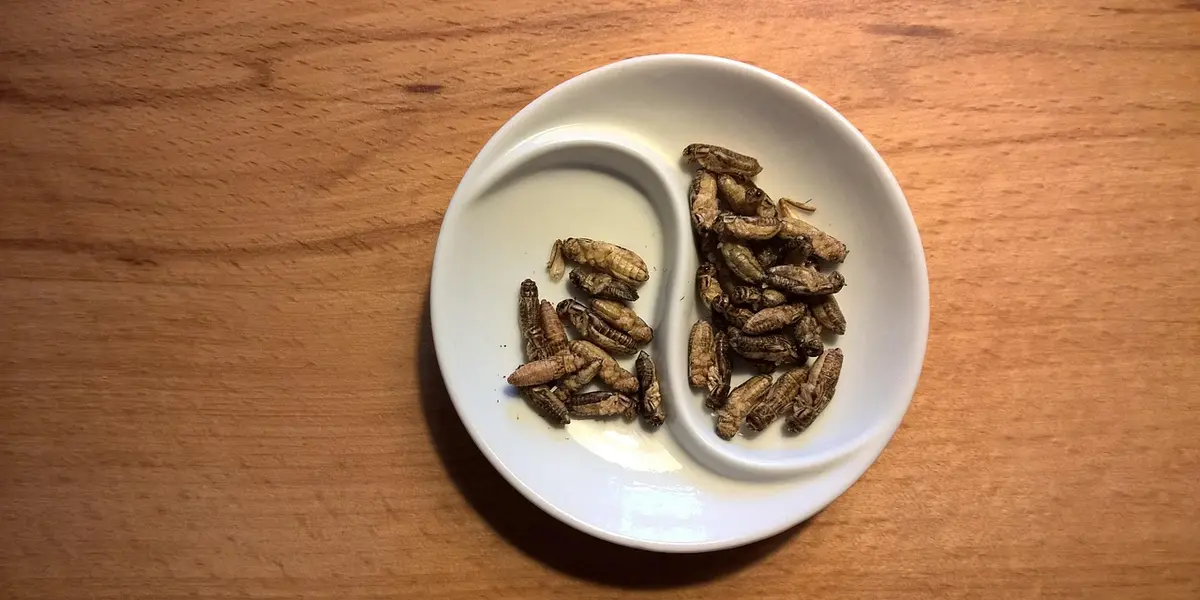
A feeder insect chart is your cheat sheet to making the best choices. Don’t just glance at it-learn to read it like a pro. Think of each column as a piece of a puzzle that, when put together, reveals the complete nutritional picture.
Here’s what each column really means for your gecko:
- Protein %: The building block for growth. Higher is generally better, but balance is key.
- Fat %: The energy source. Too little and your gecko lacks fuel; too much can lead to obesity.
- Moisture %: Hydration from food. This is great for species that don’t often drink from a bowl.
- Calcium (Ca): The bone-building mineral. You want this number to be high.
- Phosphorus (P): A mineral that, in excess, binds to calcium and prevents its absorption.
The relationship between the last two is everything. The Calcium-to-Phosphorus ratio (Ca:P) is the make-or-break number you must check. Phosphorus inhibits calcium absorption. You always want more calcium than phosphorus. A ratio of 2:1 is the gold standard. A ratio of 1:1 is the bare minimum. Anything where phosphorus is higher is a recipe for MBD and should be dusted with calcium before feeding.
Beyond the basic numbers, you also need to consider texture and digestibility. Chitin is the hard exoskeleton of insects; too much of it can be difficult for some geckos to digest and offers little nutritional value. A soft-bodied worm like a waxworm is easy to eat but very fatty. A crunchy cricket has more protein but also more chitin. This is why variety is so important-it balances all these factors for optimal health.
Head-to-Head: Nutritional Profiles of Common Feeder Insects
Crickets
-
Crickets typically offer around 18% protein and 6% fat, with calcium levels sitting low unless enhanced.
I rely on crickets as a go-to staple because they provide a balanced mix that keeps geckos like my energetic Griffey thriving without excess bulk.
-
Gut-loading transforms crickets from basic to brilliant by packing their guts with nutrients before feeding.
After seeing how much more vibrant my geckos look with well-fed crickets, I never skip this step-it’s like upgrading their meal from fast food to a superfood smoothie.
Mealworms and Superworms
-
Mealworms and superworms boast higher fat content-around 13% and 18% respectively-and a tougher chitin shell that can be harder to digest.
Their crunchy exterior means I watch closely to ensure my geckos, especially my territorial A-Rod, don’t struggle during mealtime.
-
Feed these as occasional treats, not daily fare, to dodge obesity risks.
I limit mealworms to once a week for most of my crew after noticing Babe’s tail plump up a bit too much from overindulgence.
Dubia Roaches
-
Dubia roaches shine with a stellar protein-to-fat ratio-about 23% protein to just 7% fat-and a soft exoskeleton that’s easy on gecko bellies.
These roaches are a favorite in my house because they’re nutrient-dense without the grease, making them ideal for lean, active geckos like Mookie.
-
They make an excellent staple feeder due to their balanced profile and palatability.
My calm Crested Gecko Jeter adores them, and I’ve seen his confidence grow with a steady dubia diet.
Black Soldier Fly Larvae (BSFL)
-
BSFL are calcium powerhouses, naturally containing over 8,000 mg/kg of calcium, which cuts down on powder supplements.
Using BSFL regularly has let me reduce dusting for my younger geckos, giving me peace of mind about their bone development.
-
Their small, manageable size makes them perfect for juvenile geckos or smaller species.
I started Mookie on these as a hatchling, and his playful leaps stayed strong without any calcium worries.
Waxworms and Butterworms
-
Label these as “treats only” because waxworms pack about 22% fat and butterworms are similarly rich, leading to quick weight gain.
I think of them as gecko junk food-tasty but trouble in excess.
-
I learned the hard way by overfeeding waxworms to Babe, my Giant Day Gecko; he became so portly he had trouble scaling his branches, and it took weeks of diet adjustment to get him back in shape.
That experience taught me to reserve these for rare rewards, like a birthday snack.
Silkworms and Hornworms
-
Silkworms and hornworms are hydration heroes, with moisture content over 80%, helping geckos stay hydrated without extra effort. Learn more about how to ensure geckos stay hydrated.
During dry spells, I lean on these to keep my geckos like Griffey from getting dehydrated, and they lap them up eagerly.
-
Their soft, squishy bodies digest easily, reducing the risk of impaction.
I’ve found them especially gentle for geckos with sensitive stomachs, making mealtime a breeze.
Gut Loading and Dusting: How to Supercharge Your Feeder Insects
-
Provide a simple step-by-step guide to gut loading 24-48 hours before feeding.
- Place your feeder insects in a clean container with ventilation.
- Add gut-loading foods like diced sweet potato or leafy greens, ensuring they’re fresh and moist.
- Let the insects feed for 24 to 48 hours-this allows them to absorb nutrients fully.
- Remove any uneaten food to prevent mold, then offer the supercharged insects to your gecko.
I do this religiously before feeding my geckos, and the difference in their vitality is like night and day.
-
List the best gut-loading foods (e.g., sweet potato, leafy greens).
- Sweet potato: Rich in beta-carotene, it boosts vitamin A levels.
- Leafy greens like kale or collards: Packed with calcium and fiber.
- Carrots: Add crunch and extra vitamins.
- Commercial gut-load diets: Convenient and balanced for busy owners.
My go-to mix includes sweet potato and kale because it’s affordable and my geckos thrive on it.
-
Explain the how and why of dusting insects with calcium and vitamin powders.
Dusting involves lightly coating feeder insects with calcium or multivitamin powder right before feeding to fill nutritional gaps.
I dust every other feeding for my geckos to prevent issues like metabolic bone disease, which I’ve seen in rescues—it’s a simple step that safeguards their health. Beyond this, there are 9 common gecko feeding mistakes that can compromise health, and recognizing them helps keep rescues and pets thriving. I’ll cover them and how to avoid them.
Use a shallow bowl, add powder, toss insects gently, and serve immediately for maximum effect.
Choosing the Best Feeder Insect for Your Gecko Species
Leopard Geckos and African Fat-Tailed Geckos
My leopard gecko, Griffey, is a fantastic eater, but I learned the hard way that not all insects are equal for these ground-dwelling species. Their metabolism isn’t built for high-fat diets, which can quickly lead to obesity and fatty liver disease.
- I recommend a diet lower in fat; crickets and dubia roaches are my absolute staples for a lean, protein-rich foundation.
- I strictly advise limiting mealworms to a weekly treat and completely avoiding waxworms as regular food. Think of waxworms as gecko candy-a rare indulgence, not a meal.
Crested Geckos and Gargoyle Geckos
My crested gecko, Jeter, lives on his complete gecko diet (CGD), but live insects are the crucial protein boost that supports breeding females and growing juveniles. They provide enrichment that powder alone cannot.
- It’s vital to discuss their need for a varied insect diet alongside their primary fruit CGD for optimal health.
- I suggest smaller, softer-bodied insects that are easy to digest. Black soldier fly larvae (BSFL) and small crickets are perfect, gut-loaded powerhouses for these arboreal climbers.
Day Geckos and Other Insectivorous Species
Watching my Giant Day Gecko, Babe, hunt is a spectacle of speed and precision. These active, visual hunters need prey that triggers their instincts.
- I always emphasize their need for high-energy, active prey. Flightless fruit flies are a brilliant staple for smaller species and juveniles.
- I recommend a constant mix of insects to mimic natural foraging behavior. Rotating between fruit flies, small crickets, and bean beetles keeps them engaged and brilliantly nourished.
Spotting and Fixing Nutritional Deficiencies in Geckos
I once rescued a gecko with a severely crooked spine from Metabolic Bone Disease (MBD)-it’s a heartbreaking, entirely preventable condition. Catching the signs early is everything.
- List visual signs of deficiency: profound lethargy, a soft or rubbery jaw (the earliest sign of MBD), a crooked spine or kinked tail, and tremors when moving.
- Provide actionable steps to correct issues: immediately increase calcium and vitamin D3 supplementation, introduce more gut-loaded, nutrient-dense feeders like dubia roaches, and schedule a vet visit for a professional treatment plan. Diet changes can reverse early stages, but advanced MBD requires professional veterinary intervention.
- Stress the importance of proactive, varied feeding to prevent problems. Using a feeder insect chart isn’t just for reference; it’s your active tool for building a robust, deficiency-proof feeding schedule.
Smart Feeding: Frequency, Portions, and Safe Insect Storage
Getting the food is one thing, but knowing how much to offer and when is where many new owners stumble. I’ve learned through trial and error that a consistent, age-appropriate schedule is the foundation of a healthy gecko. This simple routine prevents both underfeeding and obesity. For juveniles, daily feedings with small prey tend to work best. Adults typically do better with meals every few days.
Your Gecko’s Feeding Schedule
Portion size is what your gecko can eat in about 15 minutes. Adjust from there based on their body condition.
- Baby Geckos (0-4 months): Feed daily. They are growing machines and need constant fuel.
- Juvenile Geckos (5-18 months): Feed every other day. Growth is still rapid, but not as frantic.
- Adult Geckos (18+ months): Feed 2-3 times per week. My adult Leopard gecko, Griffey, thrives on a Monday-Wednesday-Friday schedule.
Species matters too; my Crested gecko, Jeter, gets a specialized diet every other day, while my Giant Day gecko, Babe, eats daily like a baby. Always research your specific species, but this is a solid starting framework.
Keeping Your Feeder Insects Healthy
A poorly kept insect is a nutritional dud. Your feeder insects are only as healthy as the environment you keep them in, so proper storage is non-negotiable. I use well-ventilated plastic bins for my colonies.
- Provide a source of moisture, like a slice of potato or carrot. This keeps them hydrated.
- Give them a nutritious gut-loading diet (like commercial gut-load powder or oats and veggies) for at least 24 hours before feeding.
- Keep the container clean. Remove dead insects and frass (poop) regularly to prevent mold and disease.
- Store them at room temperature, away from direct sunlight and extreme cold.
A Note on Pre-Killed and Frozen Insects
While live, moving prey stimulates a gecko’s natural hunting instinct, pre-killed or frozen options can be useful in a pinch. If you must use frozen insects, always thaw them completely to room temperature and never re-freeze them. I keep a small emergency stash of frozen crickets for blizzards.
Offer thawed insects with soft-tipped feeding tweezers, wiggling them to mimic life. Always discard any uneaten pre-killed insects after about 30 minutes to prevent bacterial growth in the terrarium. It’s not my preferred method, but it’s a safe backup plan for responsible owners.
FAQs
How can I safely introduce a new feeder insect to my gecko’s diet?
Start by offering a small quantity of the new insect alongside their familiar feeders to monitor acceptance and prevent digestive issues.
What should I do if my gecko consistently refuses to eat certain insects?
Ensure their habitat conditions are optimal, try varying the insect type or using gut-loaded options, and consult a reptile veterinarian if the behavior continues.
Are there any feeder insects that are toxic or unsafe for geckos?
Avoid feeding insects like fireflies or those collected from the wild, as they may contain toxins or pesticides that can harm your gecko. Learn more about safe and toxic insects.
Final Words
The best diet for your gecko isn’t about finding one “perfect” feeder insect, but about providing a balanced variety. Rotate between staples like crickets and dubia roaches, use treats like waxworms sparingly, and always, always gut-load your feeders with nutritious vegetables to pass that goodness on. In practice, the best feeder insect combinations are those that balance protein and fats across a diverse lineup. Tailor the mix to your gecko’s species and life stage for optimal health.
Your gecko’s vibrant color, steady growth, and active behavior are the ultimate report cards for your feeding strategy. When common gecko feeding problems show up—picky eating, dehydration, or weight changes—solving them quickly helps keep growth on track. Effectively addressing these issues strengthens your overall feeding plan. Stay curious, keep learning, and never hesitate to adjust your approach based on your unique pet’s needs—that’s the mark of a truly dedicated gecko keeper.
Further Reading & Sources
- Feeder Insect Nutrition Facts for Reptile Keepers | ReptiFiles
- Nutritional information of 17 feeder insect types – HappyLittleGuys
- Nutrient Content of Insects – Complete Critter
The Gecko Guide is your ultimate resource for gecko enthusiasts, providing expert advice and practical tips to ensure the health and happiness of your scaly companions. Alexander is a passionate gecko owner with over a decade of experience in reptile care. We are dedicated to offering accurate, up-to-date information to support your gecko journey.Our mission is to foster a community of responsible gecko owners who are passionate about the well-being of these fascinating creatures.
Gecko Nutrition & Feeding