
Essential Leopard Gecko Care: Your Complete Supply & Setup Guide
Published on: December 3, 2025 | Last Updated: December 3, 2025
Written By: Alexander 'Gecko Geek' Johnson
Getting your first leopard gecko is thrilling, but staring at an empty terrarium can make you worry: “Do I have everything I need to keep this little one thriving?”
I’ve been there with my own gecko, Griffey. I will help you cut through the confusion and build a perfect home from the ground up. This guide covers the absolute must-haves, so you can feel confident and prepared.
By the end of this article, you will know:
- The non-negotiable supplies for a healthy habitat.
- How to arrange everything for your gecko’s comfort and enrichment.
- Which common beginner mistakes to avoid completely.
You are going to get clear, step-by-step advice based on proven care standards and my own experience. We will cover: essential habitat items, heating and lighting, substrate and décor, feeding supplies, and health monitoring tools.
Choosing the Perfect Leopard Gecko Enclosure
Your gecko’s home is its entire world, so getting this right is your first and most important job. I always recommend a standard glass terrarium with a secure, escape-proof screen lid as the gold standard for leopard geckos. The glass allows for easy viewing and holds heat well, while the screen top provides vital ventilation. For beginners aiming for a perfect leopard gecko enclosure setup, this glass terrarium is an excellent starting point. Next, we’ll walk through the key setup steps to optimize heat, humidity, and safety.
You will see many tank options, but not all are created equal. Here is my breakdown from personal use.
- Glass Terrariums: My top pick. They are durable, hold heat effectively, and let you watch your pet’s adorable antics. The only con is they can be heavy.
- Plastic/PVC Cages: These are lightweight and great at holding humidity, but I find they scratch easily and can warp if a heat mat malfunctions.
- Custom Wood Vivariums: I built one once. They look beautiful but can be difficult to clean and the wood can absorb odors and moisture over time.
The absolute minimum size for one adult leopard gecko is a 20-gallon long tank. That “long” part is critical because it gives your gecko the precious floor space it needs to explore and exercise. A tall, narrow tank is useless for these terrestrial creatures.
Tank Size Recommendations for Your Gecko’s Age
Your gecko’s space needs change as it grows. Starting a baby in a massive adult tank can be overwhelming and make it hard for them to find their food. Planning for an upgrade is part of being a responsible owner.
| Gecko Age | Recommended Minimum Size | Notes |
|---|---|---|
| Juvenile (Under 1 year) | 10-Gallon Tank | A smaller space helps them feel secure and locate food easily. |
| Adult (1 year+) | 20-Gallon Long Tank | This is the perfect permanent home for a single gecko. |
I learned this the hard way with my first gecko, Griffey. He started in a 10-gallon, but by his first birthday, he was practically pacing the glass. Upgrading him to a 20-long was like giving him the keys to his own mansion; his activity levels skyrocketed and his personality truly shone.
Heating and Temperature Control Must-Haves
Leopard geckos are ectotherms; they rely on you to provide the warmth they need to digest food and stay healthy. Getting the temperature wrong is one of the fastest ways to make your gecko sick.
You need an under-tank heater (UTH) or heat mat as their primary heat source. They bask from their bellies up! But a heat mat alone is a fire hazard and can seriously burn your pet. You must pair every single heat mat with a reliable thermostat to control the temperature. This is non-negotiable for animal welfare.
To monitor this, use a digital thermometer with a probe on the warm side and a simple analog or digital hygrometer on the cool side to watch humidity. For spot-checking surface temperatures, an infrared thermometer gun is a game-changer. My pro tip is to place your hygrometer on the cool side of the tank, away from the water dish, for the most accurate ambient humidity reading.
How to Set Up a Heat Mat Safely
Setting up heat correctly will give you peace of mind. Follow these steps to do it right.
- Choose a heat mat that covers no more than one-third of the tank’s floor space.
- Stick the heat mat to the outside bottom of the glass tank, on one end to create a warm side.
- Plug the heat mat into the thermostat.
- Place the thermostat’s probe inside the tank, directly on the glass over the center of the heat mat. You can secure it with a dab of hot glue or aquarium silicone.
- Set the thermostat to 90°F (32°C). The surface temperature on the inside of the tank should now be a perfect 88-92°F for basking.
I once made the mistake of using a heat mat without a thermostat on a quarantine tank. I came back an hour later to find the glass was scalding hot-it could have caused a severe burn. I unplugged it immediately and never made that mistake again. A thermostat is the most important piece of equipment you will buy.
Safe Substrate Options for Your Gecko’s Tank

Picking the right floor for your gecko’s home is a big deal for their health. I always start with safety because the wrong choice can lead to impaction, where your gecko gets blocked up from eating substrate. After a close call with one of my first leopard geckos, I stick to proven options that keep my crew like Griffey happy and healthy. And to protect them even more, think of your home as part of their safety plan and scan for common hazards around the enclosure. Here are quick household hazard tips to keep your gecko safe.
Reptile Carpet
Reptile carpet feels soft underfoot and is made for reptile tanks. It reduces injury risks and is reusable, but you must wash it often to prevent bacteria buildup. I rinse mine in warm water weekly and swap it out every few months; Griffey seems to enjoy the texture for his energetic explorations.
Paper Towels
Paper towels are super simple and budget-friendly. They are absorbent and easy to replace, making cleanup a breeze for busy owners. I use them in quarantine setups or for new geckos like when Mookie arrived; just roll them up and toss the mess daily.
Ceramic Tile
Ceramic tile mimics natural rocks and is very durable. It wipes clean quickly and doesn’t trap germs, offering a hygienic surface for your gecko. The weight can be tricky during tank cleanings, but it lasts years. Babe adores lounging on the warm tile; it is like his personal basking spot.
Steer clear of dangerous substrates such as sand, gravel, or wood chips. These can cause impaction and other health issues that are hard to treat. I have heard too many sad stories from other owners, so I always advocate for safe alternatives to protect these amazing pets.
Based on my trials with multiple geckos, here are my top substrate recommendations:
- Ceramic tile works best for permanent homes due to its safety and easy maintenance.
- Paper towels are ideal for beginners or sick geckos because they are simple and cost-effective.
- Reptile carpet is a good pick if you want a softer look, but remember to clean it regularly to avoid problems.
Essential Hides and Decor for Security
You need at least three hides in your leopard gecko’s terrarium: one on the warm side, one on the cool side, and a moist hide in the middle or slightly off to one side. This setup lets your gecko regulate its body temperature and humidity needs without stress. Warm hides should be placed under the heat source, cool hides on the opposite end, and moist hides filled with damp sphagnum moss or paper towel to aid shedding.
Types of hides range from simple plastic containers with entry holes to naturalistic cork rounds or resin caves. Choose hides with smooth edges and enough space for your gecko to turn around comfortably-cramped hides can cause anxiety. I’ve used everything from repurposed Tupperware for my leopard gecko Griffey to commercial stone-look hides; what matters is security, not price. You can learn more about selecting the right hides for your geckos.
Decor like branches, rocks, and fake plants isn’t just for looks-it reduces stress by breaking up sightlines and offering climbing enrichment. Leopard geckos aren’t avid climbers like some species, but low branches encourage natural behaviors and prevent boredom. When I added a small grapewood branch to Griffey’s tank, he started exploring more, which cut down on his glass-surfing antics.
Do geckos need toys? Not in the way dogs or cats do—they won’t chase balls or solve puzzles. But “enrichment” for them means a varied environment; think of it as giving them a jungle gym instead of a toy box. With a mild humor touch, I’ll say my geckos’ idea of a fun time is rearranging their moss, not playing with squeaky mice! To build the ultimate environmental enrichment setup for your gecko, design a terrarium with varied textures, layers, and climbing routes. Include hides, basking spots, and gentle gradients in humidity and temperature to invite exploration.
Why Multiple Hides Are a Game-Changer
Multiple hides transform your gecko’s health by mimicking their wild instincts. Here’s a quick list of how they prevent stress and aid shedding, based on my observations with geckos like Jeter and A-Rod:
- Stress prevention: Hides offer safe retreats from perceived threats. My crested gecko Jeter, who’s calm and confident, still darts into his hide if startled-it’s his instant “chill zone.”
- Thermoregulation: Moving between warm and cool hides helps maintain ideal body temperature. A-Rod, my African fat-tailed gecko, shifts hides daily to stay comfortable, which keeps him less territorial.
- Shedding aid: A moist hide provides humidity that softens old skin, making sheds clean and complete. Without it, geckos can retain shed on toes, leading to injury.
From watching A-Rod meticulously rearrange his décor, I’ve learned that having options lets geckos control their environment, which is key to their well-being. Invest in hides-it’s a small change that pays off in a happier, healthier pet.
Feeding and Hydration Setup Basics
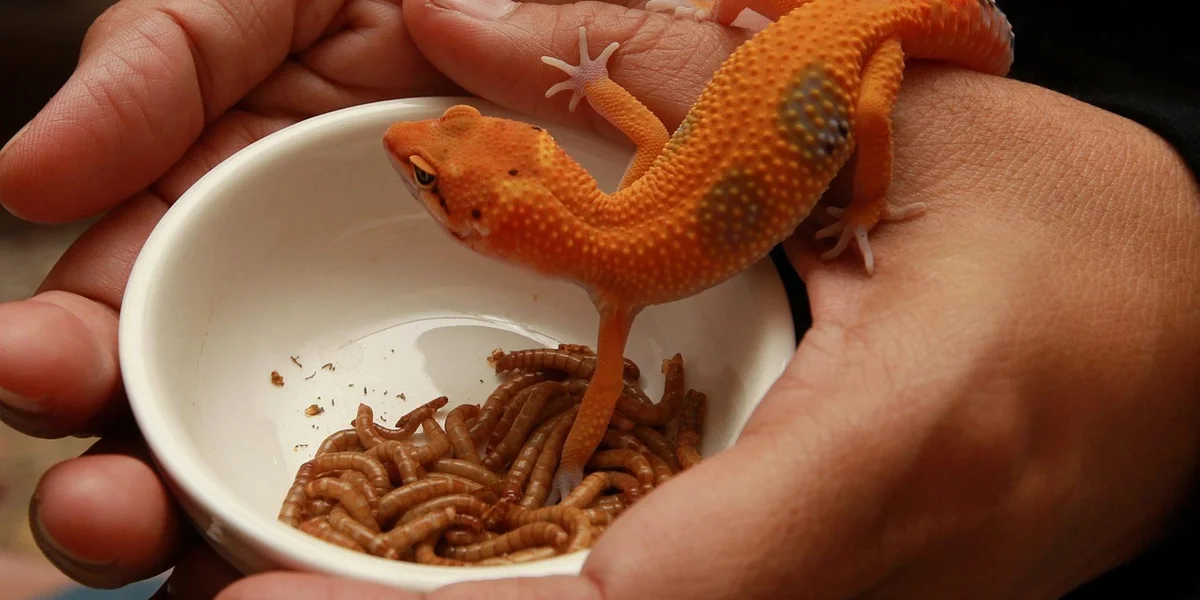
Your gecko’s health is directly fueled by what and how you feed them. Getting the basics of their feeding station right prevents a mountain of health issues down the road. Common gecko feeding problems, like missed meals or underfeeding, are easier to fix with a solid feeding plan. Identify issues early and apply simple solutions to solve them.
Water Dish Placement is Crucial
Always use a shallow, sturdy dish that your gecko cannot tip over. I learned this the hard way when my gecko, Griffey, used to treat his deeper dish like a personal swimming pool, which led to overly damp conditions. Place the water dish on the cool side of the tank to keep the water fresher for longer and to maintain ideal humidity levels.
The Supplement Must-Haves
You absolutely need two types of powder:
- Calcium with D3: For use at most feedings. D3 helps them absorb the calcium, which is vital for strong bones and preventing Metabolic Bone Disease (MBD).
- Multivitamin: For use about once or twice a week. This fills in any nutritional gaps in their insect diet.
Keep these in small, sealed containers right by your feeding supplies.
Choosing and Feeding Live Insects
Variety is key for a balanced diet. I primarily rotate between:
- Gut-loaded Crickets: These are great for encouraging natural hunting behavior. “Gut-loading” means feeding the crickets nutritious foods 24 hours before offering them to your gecko, which passes those nutrients along.
- Mealworms: These are easier to keep and are a good staple. I find my geckos are less excited by them, so I often use feeding tongs to make them “dance” and trigger a feeding response.
A diversifying diet guide featuring feeder insects for geckos can help you broaden options and maintain nutrition. Varied feeders beyond crickets and mealworms can support different appetites and micronutrient needs.
Never leave uneaten crickets roaming in the enclosure, as they can bite and stress your gecko.
Your Simple Daily Feeding Routine
- Prepare your insects by placing them in a small cup.
- Add a pinch of your calcium or vitamin powder to the cup.
- Gently shake the cup to lightly coat the insects-this is called “dusting.”
- Use soft-tipped feeding tongs to offer insects to your gecko, or release a few into a shallow feeding dish.
- Remove any uneaten insects after 15-20 minutes.
How to Offer Supplements Without Fuss
Dusting insects can feel messy and confusing at first. I used to either under-dust, leaving my geckos without crucial nutrients, or over-dust, creating a powder bomb that they would refuse to eat. Finding the “ghostly” level of coating-where the insect is lightly covered but not a solid white lump-was the game-changer.
Here is my no-fail, step-by-step method:
- Place a few insects (5-7 for a juvenile, 3-5 for an adult) into a small plastic bag or a dedicated dusting container. A cleaned plastic takeout sauce container works perfectly.
- Add a tiny, tiny pinch of your supplement powder. You need less than you think-about the size of a single grain of rice.
- Close the container and give it a few gentle shakes and rolls. You want to see a fine, even film on the insects.
- Open the container and look. The insect should look like it has a very light dusting of snow. If it looks like a powdered donut, you’ve used too much. Dump it out and try again with less powder.
- Immediately offer these perfectly dusted insects to your gecko using tongs or your feeding dish.
This method contains the mess and gives you perfect control. My geckos now eat their supplements without a second thought, and I no longer waste expensive powder.
Supplementary Accessories for a Thriving Gecko
Once your gecko’s essential habitat is perfect, you can consider some fun extras. These items aren’t strictly necessary for survival, but they can greatly enhance your pet’s quality of life and your enjoyment as an owner. Always prioritize the core essentials like heating, lighting, and hides before investing in these bonus items.
- Climbing Décor: While leopard geckos aren’t avid climbers like cresties, they do appreciate some vertical interest. Slanted cork bark flats, low, stable branches, and secure rock piles provide new pathways to explore. I’ve watched my gecko, Griffey, spend hours patrolling a new piece of cork bark, claiming it as his new favorite lookout spot.
- Handling Tools: A small, clear plastic container can be a lifesaver. Use it to gently corral your gecko for tank cleaning or vet visits, reducing stress for both of you. It’s far less intimidating than a giant hand swooping in from above.
- Enrichment Items: A simple, shallow dig box filled with organic, sterilized topsoil can encourage natural burrowing instincts. You might also try moving food bowls around occasionally to stimulate their hunting brain. It keeps them active and engaged.
I’ll never forget the first time I introduced a smooth, flat stone to Griffey’s tank. He immediately started using it as a stage, striking his most impressive poses right in the center under the heat lamp. Watching him utilize that simple addition showed me how even small environmental changes can boost their confidence and natural behaviors. It’s these little moments that make all the setup work so rewarding.
FAQs
Do leopard geckos require special lighting beyond heating?
Leopard geckos do not need UVB lighting as they are crepuscular, but providing a low-level UVB bulb can support their overall health if used safely. You can learn more about the appropriate lighting in our complete guide to UVB lighting for leopard geckos.
How often should I replace the substrate in my gecko’s tank?
Replace loose substrates like reptile carpet every few months and paper towels weekly or when soiled to prevent bacteria buildup.
What are common signs of illness in leopard geckos?
Watch for lethargy, loss of appetite, weight loss, or stuck shed, as these may indicate health issues requiring veterinary care.
Is it safe to handle my leopard gecko, and how often?
Yes, handle them gently for short sessions a few times a week to build trust, but avoid doing so during shedding or right after meals.
What is the best way to introduce a new leopard gecko to its enclosure?
Place them in the tank with minimal disturbance and allow a week of acclimation without handling to reduce stress and encourage exploration.
Final Words
Getting your leopard gecko’s home right from the start is the single most important thing you can do for their health and happiness. Focus on providing that critical temperature gradient with an under-tank heater, safe hiding spots, and a simple, digestible substrate like paper towel or slate tile to keep your new friend safe. These basics are among the best ways to keep your leopard gecko happy. A stable, secure setup lowers stress and promotes healthy eating.
Remember, owning a gecko is a long-term commitment to a living creature that relies on you for everything. Your gecko’s behavior is your best guide, so watch them closely and never stop learning about their unique needs as your scaly companion grows and thrives with you.
Further Reading & Sources
- The Ultimate Guide to Leopard Gecko Care | ReptiFiles
- r/leopardgeckos on Reddit: [ Leopard Geckos: An Updated Beginner’s Guide ]
- Leopard Gecko Care Sheet | PetMD
The Gecko Guide is your ultimate resource for gecko enthusiasts, providing expert advice and practical tips to ensure the health and happiness of your scaly companions. Alexander is a passionate gecko owner with over a decade of experience in reptile care. We are dedicated to offering accurate, up-to-date information to support your gecko journey.Our mission is to foster a community of responsible gecko owners who are passionate about the well-being of these fascinating creatures.
Accessories and Supplies