
How to Ethically and Responsibly Breed Geckos: A Breeder’s Checklist
Published on: March 1, 2026 | Last Updated: March 1, 2026
Written By: Alexander 'Gecko Geek' Johnson
Thinking about breeding your geckos can be exciting, but the responsibility can feel overwhelming and you might worry about accidentally harming the animals you love.
I’ve been there. After years of caring for my own crew, I learned that successful breeding isn’t just about producing babies-it’s about ensuring the health and happiness of every single animal involved, from the parents to the hatchlings. I’m here to help you do it right.
This guide will walk you through the core principles of ethical gecko breeding. You’ll get clear advice on:
- Pre-breeding health and genetic screenings to prevent suffering.
- Creating the perfect, stress-free environment for your breeding pairs.
- Planning for the future of every hatchling you produce.
By the end of this article, you will have a straightforward, actionable checklist to guide your journey. We will cover: genetic health screening, optimal habitat setup, pairing strategies, incubation requirements, and long-term hatchling care.
Why Should You Prioritize Ethical Gecko Breeding?
I’ve seen the heartbreaking results of irresponsible breeding firsthand-geckos with severe genetic deformities, females drained of all their calcium, and beautiful animals surrendered to rescues because the market was flooded. Ethical breeding is the only path that prioritizes the lifelong welfare of the gecko over a quick profit, especially for pet-only geckos that may have genetic defects.
Breeding geckos is a serious commitment to creating healthy, well-tempered animals that will thrive in a home, not just survive. When you breed ethically, you are acting as a steward for the species. You are improving the captive population’s health and vitality for generations to come. By addressing common gecko breeding problems—such as incubation issues, nutrition gaps, and genetic health concerns—you can solve them and raise healthier offspring. This proactive approach strengthens the long-term viability of the captive population for generations to come.
The Core Principles of an Ethical Breeder
- Welfare First: The health and comfort of your breeding geckos is your top priority, always.
- Genetic Integrity: You avoid pairing animals with known genetic defects or incompatible morphs that cause health issues (like Enigma Syndrome in Leopard Geckos).
- Purpose-Driven: You breed with a clear goal, such as enhancing color, improving temperament, or supporting a rare, healthy morph.
- Full Accountability: You are prepared to care for every hatchling for its entire life if a suitable home cannot be found.
Are Your Geckos Healthy Enough to Breed?
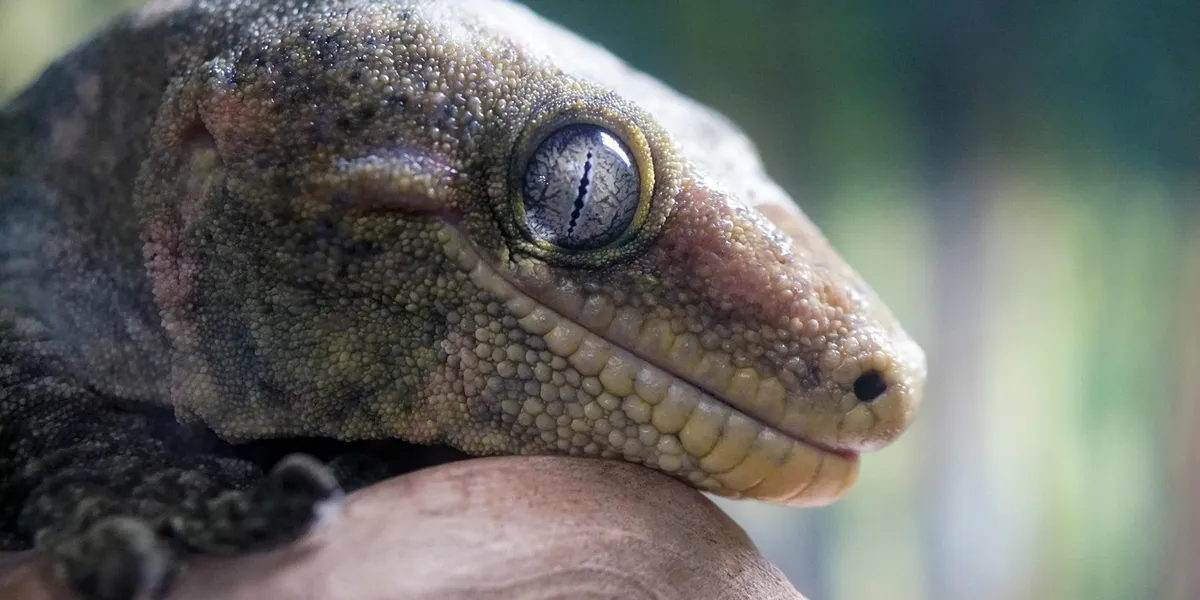
Just because a gecko is of age does not mean it is of condition. I learned this the hard way with one of my first females; she was the right age but slightly underweight, and the breeding attempt left her weak and cost me a clutch of eggs. Proper physical condition is non-negotiable for the safety of both the female and the resulting offspring. This is the kind of point you’ll see in a gecko reproduction biology beginners guide. It covers assessing condition, nutrition, and breeding readiness before pairing geckos.
Breeding is incredibly taxing, especially on a female’s body. She will need massive calcium and nutrient reserves to form viable eggs. Starting this process with a gecko that isn’t in peak condition is a recipe for disaster, including life-threatening conditions like egg-binding.
Your Pre-Breeding Health Checklist
1. Weight and Body Condition
- Females should have a plump, rounded body and a thick, fleshy tail storing ample fat reserves. You should not see their hip bones.
- Males should be active, alert, and also have a good body weight. My male, Griffey, has a tail almost as wide as his head-that’s the kind of condition you’re looking for.
- Weigh your geckos regularly. A sudden weight loss is a major red flag to postpone breeding.
2. Age and Maturity
- Do not breed by age alone. Weight is a more critical factor.
- As a general rule, most geckos should be at least one year old, but many, like my Crested Gecko Jeter, aren’t truly physically ready until they are 18 months to 2 years old and over 45 grams.
- My Giant Day Gecko, Babe, is five years old and in fantastic health, but I still assess her condition every single season before even considering it.
3. Genetic and Medical History
- Know your gecko’s lineage if possible. Avoid breeding animals from lines with known congenital issues.
- Your geckos must have a clean bill of health from a reptile-savvy veterinarian, including a fecal exam to check for parasites.
- Quarantine any new gecko for a minimum of 90 days before introducing it to your collection. Introducing an illness can wipe out your entire breeding group.
How Do You Set Up the Perfect Breeding Environment?
Creating the right home for your breeding geckos is the single most important step you can take for their health and the success of the clutch. I learned this the hard way with my first pair; a setup that’s “good enough” for a pet is rarely sufficient for the demands of breeding. That means setting up a dedicated breeding enclosure that supports stable temperatures, humidity, and secure nest spaces. In the rest of this guide, I’ll walk you through how to set up the perfect breeding enclosure for your geckos.
Enclosure Setup and Separation
You should never house breeding pairs together permanently. Cohabitation causes immense stress and can lead to injury. I keep my geckos, like Jeter and A-Rod, in their own spacious, fully-equipped terrariums. I only introduce the female to the male’s enclosure for supervised breeding sessions, and I always watch for signs of aggression. These considerations reflect the breeding risks of cohabitation and align with best practices. Always use supervised, temporary introductions and avoid permanently housing breeding pairs together.
- Use a Rack System or Individual Tanks: This gives you control over each animal’s environment and diet.
- Provide Ample Floor Space: A 20-gallon long tank is my minimum for a single adult leopard gecko. More space is always better.
- Critical: Have a Separate Enclosure Ready for the Female: After she lays her eggs, she needs a quiet, stress-free recovery tank away from the male.
Temperature and Humidity Control
Reptiles rely on their environment to regulate bodily functions, and this is magnified during breeding. Incorrect temperatures are a top reason for egg-binding, a life-threatening condition.
- Establish a Precise Heat Gradient: Use an under-tank heater regulated by a thermostat. One side of the tank should be 88-92°F, the other side around 75°F.
- Invest in Digital Thermometers: The stick-on dial types are notoriously inaccurate. I use two digital probes per tank.
- Monitor Humidity Closely: For egg-laying species, a moist hide filled with damp sphagnum moss or a similar substrate is non-negotiable. This gives the female the humidity she needs to lay her eggs safely.
Hides and Security
A stressed gecko will not breed. They need to feel secure. My gecko A-Rod rearranges his hides when he’s annoyed, which is my cue to back off. You must provide at least three hides: one on the warm side, one on the cool side, and one humid hide in the middle. This allows them to thermoregulate and feel safe at all times. Calm handling and environmental fixes are effective techniques for reducing stress in geckos. When applied along with the three-hide setup, they help keep your geckos calm and breeding-ready.
What Makes a Responsible Breeding Pair Selection?
Choosing which geckos to breed is where ethics truly come into play. It’s not about putting any two geckos together; it’s about improving the species and producing healthy, well-adjusted offspring.
Health and Genetic Screening
Breeding a sick or genetically compromised animal is irresponsible and perpetuates suffering.
- Veterinary Check-Up: Both geckos should have a clean bill of health from a reptile-savvy vet before you even consider breeding.
- Age and Weight: Females must be at least one year old, but I prefer 18 months to 2 years, like my gecko Griffey. They need to be at a robust, healthy weight-never skinny.
- Know Your Genetics: This is crucial. Breeding two geckos carrying the same recessive gene (like Enigma in leopard geckos) can produce offspring with severe neurological issues. Always research the morphs you are working with to avoid creating animals with inherent health problems.
Temperament and Lineage
Behavior is often genetic. I chose to breed my calm, confident crested gecko Jeter because I want to pass on his gentle temperament. Understanding crested gecko behavior is crucial when selecting breeding pairs.
- Select for Good Disposition: Avoid breeding nervous or aggressive animals. This makes for stressful pets and difficult-to-handle babies.
- Track Bloodlines: Keep detailed records. Inbreeding is a serious problem that weakens the gene pool. You must be 100% certain your pair is not closely related.
Morph Compatibility and Market Saturation
Be honest with yourself about why you are breeding a specific pair.
| Goal | Responsible Approach | Example from My Geckos |
|---|---|---|
| Producing a Popular Morph | Ensure there is a genuine demand. Avoid oversaturating the market with common morphs that already have too many breeders. | While “High Yellow” leopard geckos like Griffey are beautiful, many are already available. I focus on his excellent health and structure instead. |
| Improving a Bloodline | Breed to enhance specific, healthy traits like strong bone structure, vibrant color, or exceptional temperament. | Babe, my Giant Day Gecko, has a fantastic bold personality. Pairing him with a similarly confident female would strengthen that trait in the offspring. |
| Working with Rarer Genetics | Partner with experienced mentors. These projects often require a multi-generation commitment and a plan for every possible hatchling. | This is an advanced endeavor that I’m still learning about before I attempt it myself. |
How Can You Ensure Proper Care During and After Breeding?
Breeding is physically demanding for your geckos. I learned this the hard way when one of my first females, a lovely leopard gecko named Spike, laid a huge clutch. Constant, gentle observation is your most powerful tool for spotting subtle signs of stress or illness. You are their first line of defense.
Monitor the Female’s Health Closely
Watch her like a hawk. A gravid (egg-carrying) female needs extra everything.
- Weight & Body Condition: Weigh her weekly. A sudden, sharp drop after laying signals trouble. She should feel solid, not bony.
- Calcium Intake: This is non-negotiable. I keep a small capful of pure calcium powder in the tank at all times for my ladies. Egg production drains their calcium reserves fast.
- Appetite & Hydration: She might eat less right before laying. Ensure she stays hydrated. I often offer water via a dropper if she seems uninterested in her dish.
Provide a Laying Box and Incubate Eggs Correctly
Don’t make her search for a spot. A proper laying box prevents egg-binding, a life-threatening condition.
- Use a small plastic container with a hole cut in the lid.
- Fill it with slightly damp sphagnum moss or a vermiculite/perlite mix.
- Place it on the warm side of the enclosure. She will dig and lay there.
Once you find the eggs, candle them with a small flashlight in a dark room to check for a pinkish embryo and red veins. Fertile eggs go into an incubator set to the specific temperature for your gecko species. Infertile eggs will be yellow and opaque. If you want a step-by-step guide to tell if your gecko eggs are fertile, here’s a quick method. It will help you determine fertility and next steps for incubation.
Post-Breeding Recovery is Critical
Your job isn’t over when the eggs are laid. The female needs to bounce back.
- Power-Feeding: Offer highly nutritious, gut-loaded insects dusted with a calcium + D3 supplement and a multivitamin.
- Quarantine: I always separate the female from the male for the rest of the season. She needs a break from his advances.
- Vet Check: If she seems lethargic, loses weight, or stops eating for more than a week, see a reptile vet immediately.
What Are the Legal and Ethical Steps for Rehoming Geckos?
Finding a good home for your hatchlings is the final, and perhaps most important, responsibility. I think of it like adopting out a child. Your goal isn’t just to make a sale; it’s to ensure a lifetime of proper welfare.
Screen Potential Owners Thoroughly
A few quick questions can separate the prepared from the impulsive.
- Ask them to describe their planned setup (tank size, heating, humidity).
- Inquire about their experience with reptiles.
- Find out if they have a local exotic vet.
I once had someone ask if they could keep a crested gecko in a ten-gallon fish tank with a heat rock. I politely ended the conversation. Trust your gut-if something feels off, it probably is.
Understand and Comply with Local Laws
This is the boring but absolutely essential part.
- Check your state and county regulations. Some areas require permits for breeding or selling reptiles.
- Some species, even common pet geckos, may be restricted.
- If shipping, you MUST comply with USDA and IATA Live Animal Regulations. This isn’t a suggestion.
Prepare the Gecko and the Paperwork
Send your gecko off with a care package and a pedigree.
- Health Guarantee: Offer a short-term guarantee against congenital issues. This shows you stand by your animals.
- Care Sheet: Provide a detailed, species-specific guide you’ve written based on your experience.
- Pedigree & Hatch Date: Document the morph and hatch date. Responsible buyers want this information.
A well-prepared gecko with clear documentation is a sign of a truly ethical breeder. It gives the new owner confidence and sets the gecko up for success.
Offer Lifelong Support
I give every new owner my email address and tell them to contact me with any questions, ever. Be a resource, not just a seller. If for any reason the owner can no longer care for the gecko, have a clear policy about taking the animal back. This prevents your carefully bred gecko from ending up in a rescue or, worse, released. The animal’s welfare is your legacy.
How Do You Maintain High Welfare Standards Long-Term?
Breeding isn’t a one-time project; it’s a long-term commitment to the lives you’re creating. Your primary job shifts from just producing geckos to being a lifelong guardian for your breeding colony and all their offspring. This requires a system, not just good intentions.
Meticulous Record-Keeping is Non-Negotiable
I learned this the hard way early on. Without clear records, you’re guessing. My binder for my leopard gecko, Griffey, is thicker than some novels. You need to track:
- Parentage: Who are the mom and dad? This prevents accidental inbreeding.
- Breeding Dates: This helps you predict egg-laying windows accurately.
- Clutch Details: How many eggs? What incubation temperature are you using?
- Health Logs: Weight, shedding, appetite, and any vet visits for every single gecko.
A simple spreadsheet or dedicated notebook becomes the memory bank for your entire breeding operation.
Implement a Rigorous Health Monitoring Routine
You must become an expert in what “normal” looks like for each of your geckos. My crested gecko, Jeter, has a specific way of perching, and any change in that posture is my first clue something might be off.
- Weigh adults and hatchlings weekly. A sudden weight drop is a major red flag.
- Observe body condition. Are their tails nicely plump? Are their hips visible?
- Check for stuck shed, especially on toes, as it can lead to loss.
- Watch their energy levels. Is a typically active gecko now hiding all day?
Proactive observation is infinitely better than reactive treatment.
Commit to Superior Habitat Maintenance
Cleanliness is the bedrock of preventative health, especially with multiple enclosures. A dirty habitat is a breeding ground for bacteria and stress.
- Spot-clean waste daily. I do this during my morning coffee rounds.
- Perform a full substrate change and enclosure deep-clean monthly.
- Disinfect decor and hides regularly. I keep a rotation of clean items ready to swap in.
- Constantly check that heating and humidity equipment is functioning correctly.
A clean, predictable environment drastically reduces stress-related illness in your colony.
Manage Your Breeding Animals Responsibly
Your breeders are not egg-laying machines. They are living beings that need rest and recovery. I give my females, like my day gecko Babe, at least one full year off between breeding seasons.
- Never breed a gecko that is underweight, sick, or under a year old.
- Limit the number of clutches a female produces per season (for most species, 3-4 is the safe max).
- Retire breeders after a few productive seasons to live out their lives as pets.
- Have a plan for every gecko you produce, including any that may be born with deformities.
The goal is sustainable, healthy lineages, not maximum output in minimum time. This long-term perspective is what separates ethical breeders from the rest.
FAQs
How do I find a qualified reptile veterinarian for my breeding geckos?
Search for exotic animal specialists in your area and verify their experience with geckos through reviews or professional associations like the Association of Reptilian and Amphibian Veterinarians. Knowing when to take your gecko to an exotic veterinarian is crucial—watch for signs like appetite loss, weight changes, or lingering shedding problems. Having a vet lined up ahead of time helps you act quickly when issues arise.
What are some common pitfalls to avoid when starting as a gecko breeder?
Avoid pitfalls like skipping thorough health screenings, underestimating the costs and time commitment, and failing to secure homes for all potential hatchlings before breeding.
How can I connect with other ethical gecko breeders for advice and support?
Join online forums, social media groups focused on gecko care, and attend reptile expos or local herpetological society meetings to network and share knowledge. You can also discuss gecko habitat husbandry—enclosure setup, humidity, temperature, lighting, and substrate choices. Hearing real-world tips from experienced keepers can help you maintain a healthy gecko habitat.
Final Thoughts
Ethical breeding boils down to a simple mantra: prioritize the animals’ lifelong welfare over everything else. This means committing to thorough health screenings, providing spacious and enriching habitats, and having a solid plan for every hatchling you produce.
Remember, being a breeder makes you a steward for this wonderful species. Your journey in gecko care is never truly finished, and staying curious and informed is your greatest responsibility. The well-being of these incredible creatures is always in your hands.
Further Reading & Sources
- Ethics and the Gecko Community – Gecko Time
- How to Breed Ethically | LGL
- Profitable Gecko Breeding: Balancing Ethics With Business – GeckoSavvy
The Gecko Guide is your ultimate resource for gecko enthusiasts, providing expert advice and practical tips to ensure the health and happiness of your scaly companions. Alexander is a passionate gecko owner with over a decade of experience in reptile care. We are dedicated to offering accurate, up-to-date information to support your gecko journey.Our mission is to foster a community of responsible gecko owners who are passionate about the well-being of these fascinating creatures.
Breeding & Lifecycle