
How to Find a Lost Leopard Gecko in Your House
Published on: January 2, 2026 | Last Updated: January 2, 2026
Written By: Alexander 'Gecko Geek' Johnson
Your heart just dropped. One moment your leopard gecko was in its terrarium, and now it’s gone. That tiny, curious escape artist has vanished somewhere in your home, and the panic is real. I’ve been there with my own gecko, Griffey, and I know how terrifying it feels.
Take a deep breath. I will help you turn that panic into a calm, effective search plan. We will cover the most critical steps to bring your pet home safely, starting with the three most important things you need to know right now.
- Why your gecko is likely much closer than you think.
- The best time of day to search for a fast result.
- How to use their instincts to lure them out safely.
You will get clear, step-by-step advice based on my own experience and proven gecko behavior. The complete recovery guide covers: search strategy, high-probability hiding spots, safe luring techniques, and preventing future escapes.
Why Leopard Geckos Escape and Where They Hide
Common Reasons Your Gecko Might Be Missing
Leopard geckos aren’t master criminals, but they are expert opportunists. My gecko Griffey once vanished because I didn’t fully latch his enclosure door after feeding-a simple mistake with a heart-pounding result. That begs the question: why does my leopard gecko keep trying to escape? It’s usually a sign the enclosure isn’t meeting their needs—check temps, humidity, and security. They typically escape for a few key reasons.
- An Insecure Enclosure: A loose-fitting screen top or a door that doesn’t snap shut is an open invitation. They will push on weak spots.
- Seeking Comfort: If their tank is too hot, too cold, or lacks proper hiding places, they will go looking for better real estate.
- Pure Curiosity: Like my energetic Griffey, they are naturally inquisitive. A fascinating world exists beyond the glass, and they want to explore it.
- Hunting Instinct: A small spider or insect wandering near their tank can trigger a hunting drive, leading them to slip out in pursuit.
Top Hiding Spots to Check Immediately
Think like a gecko: you’re a small, ground-dwelling creature that loves warm, dark, and tight spaces. Your number one priority is to check anywhere that feels like a secure burrow or crevice. Skip the open floor and head straight for these spots.
- Along and Behind Baseboards: The gap between your floor and the wall is a perfect highway and hiding spot.
- Under and Inside Furniture: Check under sofas, bookshelves, and dressers. Don’t just look-get down on the floor and shine a light.
- The Warmth of Appliances: The compressor at the back of your refrigerator gives off heat. This is a gecko magnet. Check behind and underneath all appliances carefully.
- Inside Shoes, Boots, and Bags: A dark, enclosed shoe is basically a premium gecko cave. Check any item left on the floor.
- Closets and Piles of Laundry: A pile of clothes on the floor provides excellent insulation and darkness. It’s a five-star gecko hotel.
Your First Moves: Immediate Action Plan
Secure the Room and Limit Dangers
Panic is your enemy here. Your first job is to make the environment safe. If you suspect which room they escaped from, close the door immediately to contain the search area. A whole house is an overwhelming place to find a tiny lizard.
- Block the gap under the door with a rolled-up towel.
- Alert everyone in the house to move slowly and watch their step.
- If you have other pets like cats or dogs, remove them from the room entirely.
- Check for any open vents or holes in the wall they could have crawled into and cover them if possible.
Gather Essential Search Tools
You wouldn’t go fishing without a rod. Don’t search for a gecko without the right gear. Having these items ready will make your search more thorough and less stressful for both of you. I keep a “gecko recovery kit” in a closet for this exact reason.
- A Powerful Flashlight: Even during the day, a bright beam will help you see into dark shadows and under furniture. The light might also catch the shimmer of their skin.
- A Small Container or Critter Keeper: Have something ready to gently place them in once found. A small Tupperware with air holes works perfectly.
- A Piece of Cardboard or a Paper Towel Roll: You can use this to gently coax them out of a tight spot and into your container.
- Your Phone: Use it to call a family member for help or to play gecko feeding sounds, which might lure a curious gecko out.
Step-by-Step House Search Methods
Room-by-Room Inspection Checklist
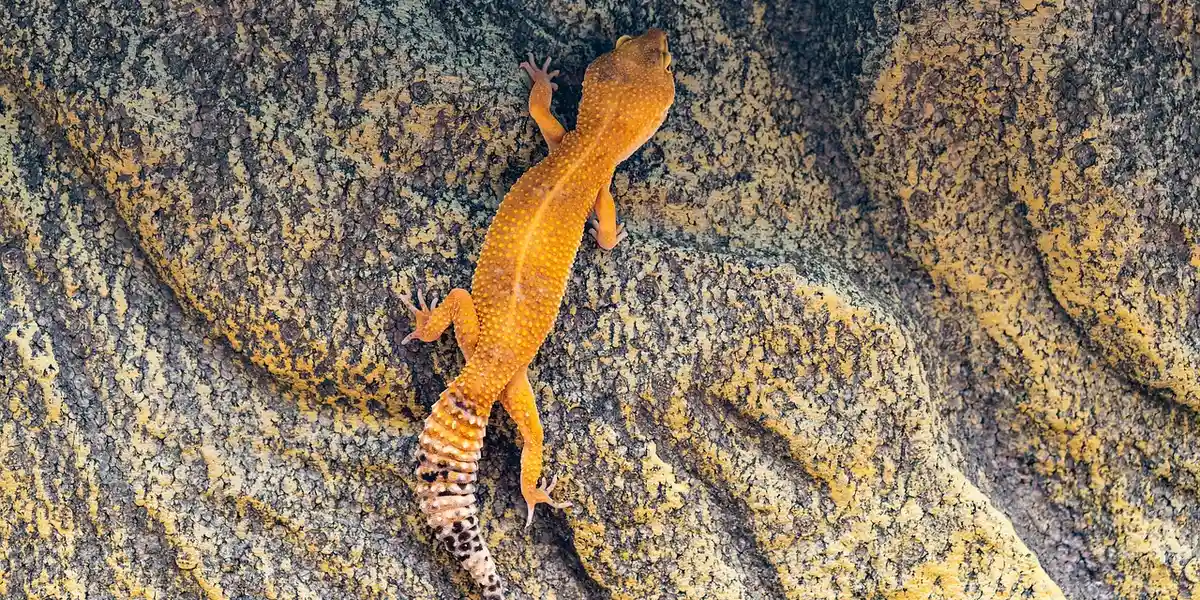
Start by closing all doors to contain the search to one room. A leopard gecko can flatten itself into surprisingly thin spaces. I once found my gecko, Griffey, tucked behind a book on a shelf, completely camouflaged.
Move slowly and methodically, checking these common hiding spots in every room:
- Floor Level: Under and behind furniture, cabinets, and appliances. Feel for warmth with the back of your hand.
- Clutter Zones: Inside shoes, bags, and piles of laundry. They seek out dark, confined spaces.
- Wall Areas: Behind curtains, picture frames, and along baseboards. Look for tiny footprints in dust.
- Warmth Sources: Check near electronics, vents, and sunny windowsills. Their instinct drives them to heat.
I always put a small dish of water in each room I search. A lost gecko can survive a surprisingly long time without food, but dehydration is a much more immediate and serious threat to their welfare.
Nocturnal Search Techniques
Leopard geckos are crepuscular, meaning they are most active at dawn and dusk. Your chances of spotting movement are far higher during these times.
Wait until the house is completely dark and quiet before you begin your night search. Turn off all lights and TVs. Move silently and listen carefully for the faint sound of claws scratching on a hard floor or rustling paper.
- Use a flashlight and sweep the beam slowly along the floor and low on walls.
- Look for the reflection of their eyes, which will shine back at you.
- Check the same spots from your daytime search, as they may have remained hidden until nightfall.
I’ve had the best luck finding my escapees between 10 PM and midnight. Patience and silence are your most powerful tools during a nocturnal hunt.
Using Lures and Traps for Gecko Recovery
Setting Up Safe and Effective Traps
If your initial search fails, it’s time to set a humane trap. The goal is to create an inviting, secure spot they can enter but can’t easily escape.
A simple and effective trap is a plastic container or cardboard box with a ramp leading to the opening. Place a familiar hide or a crumpled paper towel inside to make it feel safe.
- Ensure the sides are too slippery for them to climb out.
- Do not use anything with sticky surfaces or lids that could slam shut and cause injury.
- Set up multiple traps in different rooms, especially along walls.
I’ve successfully used a small critter carrier with a mealworm dish inside as a trap. Always prioritize a safe, non-threatening enclosure over a complex mechanism that could harm your pet.
Luring Your Gecko Out with Food and Warmth
Your gecko’s basic instincts are your greatest allies. Combine scent and temperature to draw them out of hiding.
Place a small, shallow dish of live mealworms or waxworms in the center of each trap. The movement and smell are irresistible. I use mealworms for my geckos, as the wriggling always gets their attention.
- For warmth, use a hand warmer wrapped in a towel or a low-wattage heat pad placed near the trap.
- Never place a heat source directly inside the trap, as it can overheat and injure the gecko.
- You can also place their entire heated terrarium on the floor with the door open as the ultimate lure.
The combination of a familiar food smell and a localized warm spot creates a powerful beacon that your lost gecko will find hard to resist. Check your traps every few hours, especially in the evening and early morning.
After the Find: Post-Recovery Care
Health Assessment and Vet Advice
The moment you have your gecko safely in your hands, the real work begins. I always give my leopard gecko, Griffey, a quick but thorough visual check. Look for any obvious signs of injury like cuts, scrapes, or a limp. Run your fingers gently along their body; you’re feeling for any unusual bumps or swelling.
Dehydration is a huge risk. Check for sunken eyes and pinch their skin lightly; if it doesn’t snap back quickly, they need fluids. A warm, shallow bath can help, but don’t force them to drink. If you’re unsure how to tell if your gecko is dehydrated, monitor for sunken eyes, dry mouth, or wrinkled skin. If your gecko seems lethargic, isn’t interested in food, or has any visible wounds, a vet visit is non-negotiable. My rule is simple: when in doubt, get a professional opinion. It’s always better to be safe.
Reintroducing Your Gecko to Its Home
Don’t just plop your stressed-out gecko back into their usual routine. I create a quiet recovery zone. Make sure their enclosure is extra clean and that the temperature gradients are perfect. A slightly warmer basking spot can be comforting. These calm, targeted steps are effective techniques for a stressed gecko. Environmental fixes—like consistent temperatures and hiding spots—help keep them relaxed.
Offer a small, easy-to-digest meal like a few waxworms, but don’t be alarmed if they refuse food for a day. The most important thing is to let them rest. Limit handling to absolute essentials for at least a few days to let their stress levels return to normal. I watch Griffey closely to ensure he’s settling back in, using his hides, and acting like his curious self again.
Preventing Future Leopard Gecko Escapes
Enclosure Security Upgrades
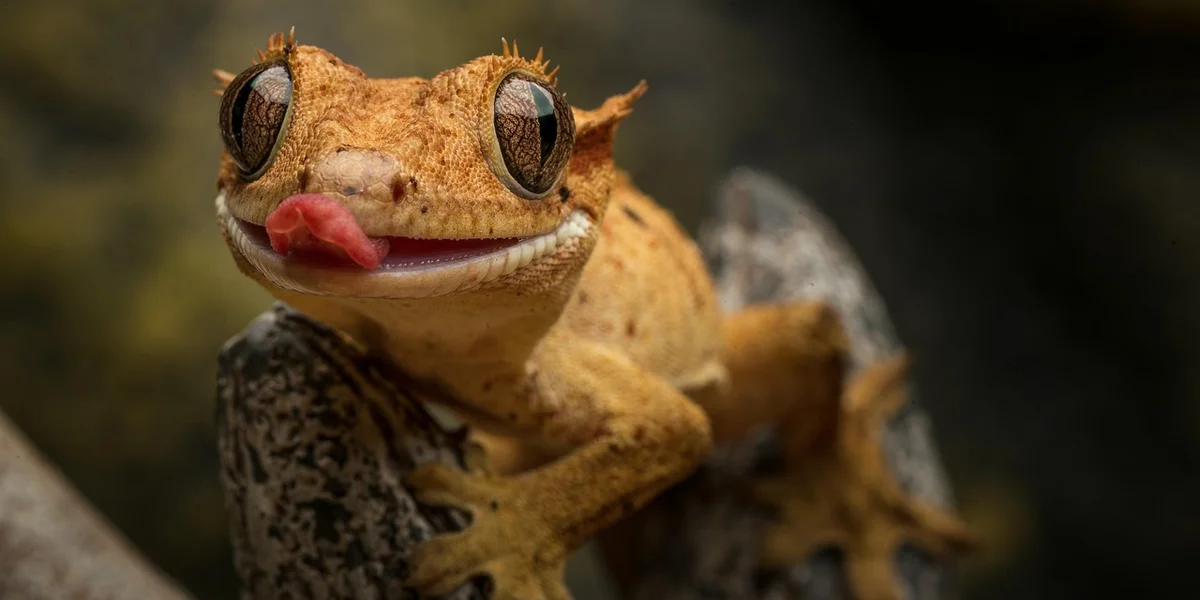
An escape is a powerful lesson in tank security. I learned this the hard way! Your first line of defense is a tightly secured lid, preferably one with locking clips. Don’t rely on the tank’s own weight to keep it closed.
- Check for gaps around any cord ports or vents; these can be sealed with aquarium-safe silicone.
- Ensure all décor is stable and placed away from the walls of the tank, preventing your gecko from using it as a ladder to freedom.
- Never place the enclosure where your gecko can climb onto a nearby piece of furniture and make a leap for it.
A simple weekly “security check” where you test the lid and look for new gaps can save you a world of panic.
Safe Handling and Playtime Rules
Most escapes happen during out-of-tank time. I have a strict protocol now. Always handle your gecko in a small, enclosed room with the door shut and windows locked. A bathroom is often a perfect, easy-to-search space.
Get down on the floor! Your perspective from a couch is totally different. Supervision is not glancing up from your phone; it means having your eyes on your pet the entire time they are exploring.
- Wash your hands before and after handling.
- Sit on the floor to create a safe, low-to-the-ground play area.
- Keep handling sessions short, especially with younger, more skittish geckos.
- Always return your gecko to its enclosure before you leave the room, even for a second.
Trust me, a few simple rules make playtime fun and stress-free for everyone involved.
When to Expand Your Search for Help
After a few hours of fruitless searching, your heart might sink. I’ve learned from experience that if your gecko hasn’t turned up after a thorough room-by-room check, it’s time to call in reinforcements. Your little escape artist is likely tucked away in a spot you’d never think to look. Griffey, my High Yellow leopard gecko, once vanished for a full day before I found him snoozing inside a rolled-up yoga mat. If your gecko is not moving or stays unusually still, that can be a red flag for an emergency. Seek veterinary help promptly.
Expanding your search isn’t a sign of failure-it’s a smart, proactive move for your pet’s welfare. You should seriously consider widening the net if you haven’t found any clues, like droppings or shed skin, within the first 12 hours. This is especially true if your home has complex furniture, multiple floors, or other pets that could cause stress.
Community and Online Resources
Don’t underestimate the power of a connected community. Your neighbors and online gecko enthusiasts can become your most valuable eyes and ears during a search. I once rallied my entire apartment building to help look for Jeter, and someone spotted him perched on a curtain rod.
Here are some excellent resources to tap into immediately:
- Local Social Media Groups: Post a clear photo and description in neighborhood Facebook groups or Nextdoor. People are often happy to keep an eye out.
- Dedicated Reptile Forums: Sites like GeckoForums.net are filled with experienced owners who can offer specific, tried-and-tested search strategies.
- Lost Pet Websites and Apps: Services like PawBoost can blast an alert to local users and veterinarians, creating a wider net of awareness.
When you post online, be sure to include a recent picture, the gecko’s name, and the last known location. A detailed description can trigger a memory for someone who might have seen something unusual. If you’re looking to rehome a gecko, include the care requirements and any special needs. Use a clear ‘rehome gecko’ tag to connect with potential adopters.
Seeking Professional Assistance
When a DIY search isn’t enough, it’s time to bring in the pros. Professional help can mean the difference between a prolonged search and a quick, safe recovery for your gecko. I’ve called an exotic vet for advice more than once, and their insights were game-changing.
Consider reaching out to these experts if your search remains unsuccessful:
- Exotic Veterinarians: They understand reptile behavior and can offer expert advice on luring your gecko out. They might also suggest checking common hiding spots you’ve overlooked.
- Professional Pet Finders: Some areas have services that use specialized equipment, like microchip scanners or endoscopes, to locate lost pets in walls or under floors.
- Animal Control or Local Shelters: File a report with them. If someone finds your gecko and turns it in, they’ll know to contact you immediately.
Remember, a lost gecko is vulnerable to temperature changes and dehydration. Acting quickly and using all available resources shows true commitment to your pet’s well-being. Knowing the 8 biggest mistakes in gecko hydration and humidity control can help prevent crises like this in the future. By monitoring enclosure humidity and providing fresh water, you can reduce risk and keep your gecko healthy.
FAQs
How long can a lost leopard gecko survive without food and water?
A lost leopard gecko can survive without food for up to two weeks, but dehydration can set in within a few days, so providing water sources is crucial. When geckos go long periods without meals, their hydration becomes even more critical. Knowing how long leopard geckos can go without food or water helps caregivers intervene early.
What are the signs that my gecko is still in the house?
Signs your gecko is still in the house include finding fresh droppings, shed skin, or hearing scratching noises at night. These are all useful clues, but for a more comprehensive guide on identifying gecko presence, it’s important to observe their unique appearance and behavior.
Is it safe to use glue traps or other adhesive methods to catch my gecko?
No, you should never use glue traps or adhesive methods as they can cause severe injury or death to your gecko; always use humane traps instead.
Finding Your Gecko: Hope and Patience
When your leopard gecko goes on an adventure, a slow, methodical search of warm, dark, and tight spaces is your best strategy. Use the cover of night, listen for faint rustling sounds, and employ lures like a heat mat or a small dish of feeder insects to gently coax them out of hiding. If your gecko seems to always hide, it may be stressed or uncomfortable in its enclosure, so check temperature, humidity, and hiding spots. Adjusting lighting and space can help them feel secure and emerge more readily.
Once your gecko is safely home, take it as a crucial reminder to double-check your enclosure’s security. I’ve learned from my own gecko, Griffey, that their escape artistry is a powerful teacher, pushing us to become more observant and knowledgeable pet owners dedicated to their lifelong wellbeing. To keep safety front and center, try these simple household hazard tips for your gecko enclosure: secure lids and doors, seal gaps, and keep cords and small objects out of reach. These small checks can prevent accidents before they happen.
Further Reading & Sources
- r/leopardgeckos on Reddit: Can’t find lost leopard gecko
- How To Find An Escaped Gecko | Wiki | Leopard Geckos Amino
- I lost my leopard gecko in my room (I fell asleep) and I can’t find him. How should I attract him out? – Quora
The Gecko Guide is your ultimate resource for gecko enthusiasts, providing expert advice and practical tips to ensure the health and happiness of your scaly companions. Alexander is a passionate gecko owner with over a decade of experience in reptile care. We are dedicated to offering accurate, up-to-date information to support your gecko journey.Our mission is to foster a community of responsible gecko owners who are passionate about the well-being of these fascinating creatures.
Handling & Behavior Signs