
Leopard Gecko vs. Crested Gecko Eggs: A Keeper’s Guide
Published on: April 4, 2026 | Last Updated: April 4, 2026
Written By: Alexander 'Gecko Geek' Johnson
You’ve found eggs in your gecko’s terrarium, and now you’re staring at them, wondering if they’re fertile, what species they are, and if you’re about to become a reptile grandparent. That mix of excitement and panic is completely normal. I’ve been there with my own geckos, Griffey and Jeter, and I know how confusing those first clutches can be.
I’m here to help you tell them apart and understand exactly what to do next. We’ll break down the key differences so you can provide the right care from day one.
- How to instantly identify the eggs based on their texture, shape, and color.
- The critical differences in incubation needs for a successful hatch.
- Essential care steps for the expecting mother gecko.
By the end of this guide, you’ll feel confident and prepared. We will cover: egg appearance, incubation setup, temperature and humidity, incubation time, and maternal care.
Visual Egg Appearance: Spotting the Differences
When my leopard gecko, Griffey, first laid eggs, I was struck by how different they looked from the clutch my crested gecko, Jeter, had produced. Recognizing these differences is your first step in providing the right care.
- Size: Leopard gecko eggs are noticeably larger, often the size of a large grape. Crested gecko eggs are smaller and more elongated, resembling a Tic Tac breath mint.
- Color & Opacity: Healthy, fertile leopard gecko eggs are a stark, chalky white and are quite opaque. Crested gecko eggs are typically a softer, off-white or beige color and can have a slightly more rigid, less leathery feel.
- Shell Texture: Leopard gecko eggs have a distinctly leathery, flexible shell that gives slightly under gentle pressure. Crested gecko eggs feel firmer and more like a tough, thin-skinned capsule.
From my experience, handling these delicate packages requires a gentle touch. I always use clean, powder-free gloves to prevent transferring oils from my skin. I carefully roll leopard gecko eggs into my palm, as their pliable shell can withstand a bit more movement. For crested gecko eggs, I scoop them up from below to avoid putting pressure on any single point.
Identifying fertility is straightforward once you know what to look for. A fertile leopard gecko egg will be brilliantly white and may develop a pinkish “veiny” band after a week or so of incubation. An infertile egg often looks yellowish and may collapse or grow mold. A fertile crested gecko egg will maintain its firm, off-white appearance, while an infertile one typically turns a sickly yellow and feels squishy. Candling an egg with a small, non-heat-producing LED light in a dark room can reveal the developing embryo’s shadow and confirm your suspicions. For a clear, step-by-step method to tell if your gecko eggs are fertile, follow our quick guide. It walks you through when to candle and how to interpret what you see for leopard and crested gecko eggs.
Incubation Requirements: Temperature and Humidity
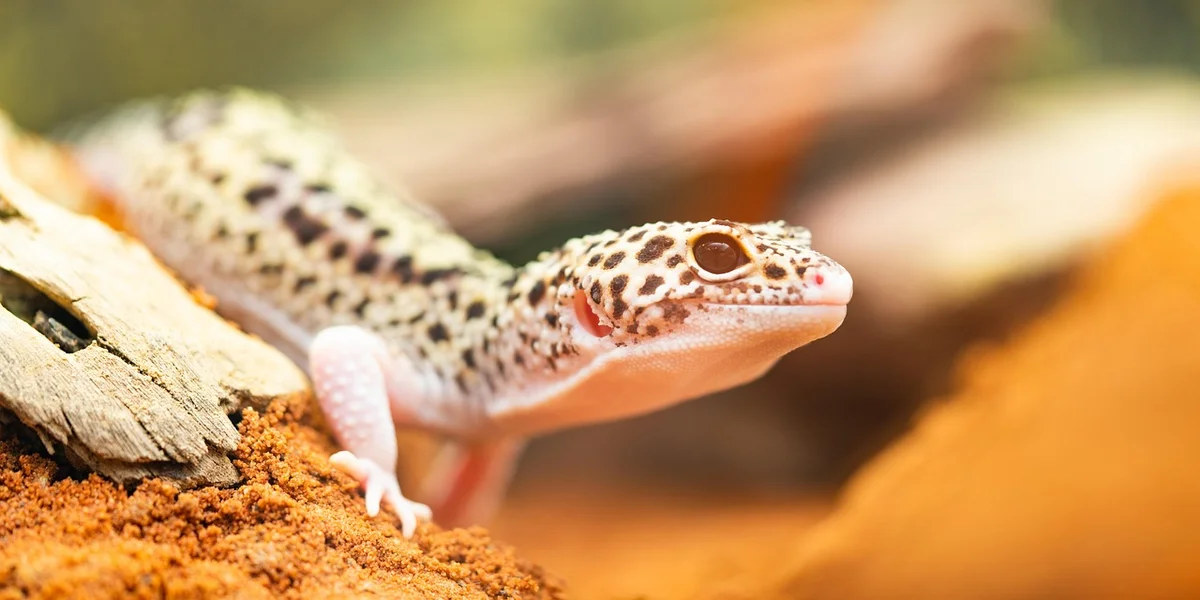
Getting the environment right is where the real species-specific care begins. Messing up the incubation conditions is the fastest way to lose a clutch.
- Optimal Temperature Ranges: Leopard geckos require a warmer, more specific range. I incubate mine between 80°F and 88°F (27°C – 31°C). The temperature within this range even determines the sex of the hatchlings! Crested geckos are simpler; room temperature between 70°F and 78°F (21°C – 26°C) is perfect.
- Humidity Levels: Leopard gecko eggs need moderate humidity to stay plump but not wet. I aim for 75%-85%. Crested gecko eggs demand higher humidity, thriving best at a consistent 85%-95% to prevent them from desiccating.
Setting up your incubation container is simple. I use small deli cups with airtight lids. For leopard geckos, I fill the cup about halfway with a lightly moistened (but not wet) substrate like vermiculite or perlite. I press a small indentation into the medium to cradle the egg, place it in, and then bury it about halfway. For crested geckos, I use a similar setup but with a more moisture-retentive substrate like sphagnum moss and I ensure the medium is damp to the touch. I always add a small humidity gauge inside the cup to monitor levels without opening it, unlike when setting up a leopard gecko egg-laying box which requires regular checking.
Stability is everything. I keep my incubation containers on a stable, heat-regulated shelf, away from direct sunlight or drafts. To prevent mold, I mix a few drops of a reptile-safe antifungal cleaner into the water I use to moisten the substrate. Opening the container too frequently is a common mistake; it causes dangerous humidity and temperature swings. I only check on mine once a week to ensure the substrate hasn’t dried out. If a leopard gecko egg starts to dimple or collapse, it’s a sign of low humidity, and a light misting on the substrate (never the egg itself) can often plump it back up.
Breeding and Egg Laying Behaviors
Leopard geckos and crested geckos have distinct egg-laying habits that I’ve observed firsthand with my pets, Griffey and Jeter. Leopard geckos typically lay two eggs per clutch and can produce a new clutch every two to four weeks during breeding season, while crested geckos also lay two eggs but may space clutches four to six weeks apart. That brings us to the common question: how many eggs do leopard geckos lay in a season? With two-egg clutches and clutches every two to four weeks, a breeding season can yield many eggs. This means leopard geckos keep you busier with more frequent layings, whereas crested geckos offer a slightly more relaxed schedule.
- Clutch sizes are consistently small-usually just two eggs-for both species, but leopard geckos might lay up to eight clutches a year, and crested geckos around four to six.
- Laying frequencies depend on health and environment; for instance, Griffey, my leopard gecko, lays like clockwork in warm months, but Jeter, my crested, is more influenced by humidity changes.
Breeding readiness starts at different ages, so never rush this process to avoid stressing your geckos. Leopard geckos are often ready around one to two years old and weigh at least 45 grams, while crested geckos should be at least 18 months old and robust in size. From my experience, a proper enclosure setup is key: include a lay box filled with moist substrate like vermiculite or sphagnum moss, and ensure hides for privacy to mimic their natural instincts.
- For leopard geckos, a simple plastic container with a hole works well; I’ve seen Griffey use hers repeatedly without issue.
- Crested geckos prefer taller lay boxes in their arboreal setups, and Jeter always chooses the highest spot, which I learned to accommodate early on.
After eggs are laid, handle them with extreme care to protect the developing embryos. Gently transport eggs by scooping them up with a spoon or your fingers, keeping them in the exact same orientation they were laid to prevent fatal rotation. I once rotated an egg accidentally and learned the hard way how delicate they are-always place them directly into an incubator or temporary container with the top marked for reference.
- Use a small deli cup with moist incubation medium, and avoid jostling; this simple step can save entire clutches.
- If you notice any eggs stuck together, leave them as is-separating can cause damage, and I’ve found they often hatch fine when left intact.
Hatching Timelines and Hatchling Care
Incubation times vary significantly between these species, influencing how you plan for hatchlings. Leopard gecko eggs typically hatch in 45 to 60 days at temperatures of 80-88°F, while crested gecko eggs take longer, around 60 to 90 days at 72-80°F. This difference means leopard gecko babies emerge quicker, but crested geckos teach patience—my first clutch with Jeter had me checking daily by week ten! Different species have varying incubation requirements, and understanding these is crucial for successful hatching.
- Temperature plays a role in development speed; warmer incubators speed up hatching but avoid extremes to ensure healthy babies.
- Hatch times can sync with seasonal changes; I’ve noticed Griffey’s eggs hatch faster in summer, mimicking wild cycles.
Candling eggs is a safe way to check viability without disturbing them too much. After about a week of incubation, use a bright flashlight in a dark room to shine through the egg and look for red veins or a dark mass, which signals a fertile egg. I do this weekly with my geckos’ eggs; if you see clear or yellow contents, it’s likely infertile, and removing it prevents mold from spreading to healthy ones.
- Hold the egg gently and avoid moving it; I use a phone flashlight for quick checks and record findings in a journal.
- Development signs include the egg “sweating” or dimpling near hatching time-a fun clue that babies are on the way!
Newly hatched geckos are tiny and need immediate, gentle care. Leopard gecko hatchlings are about 3 inches long with bold patterns, while crested geckos are slightly smaller and may lack the full crest until they grow. An ideal habitat setup for leopard gecko hatchlings includes a stable warm basking spot around 90°F and a cooler retreat with secure hides. Use a small, simple enclosure and a paper towel substrate to keep things clean and easy to maintain. Offer food like pinhead crickets or crested gecko diet within a day of hatching—I’ve raised many this way, and it cuts down on stress for the little ones.
- Keep hatchlings alone to prevent cannibalism; even siblings can be risky, so I always use individual setups.
- Maintain humidity around 60-70% for crested geckos and 40-50% for leopard geckos; a spray bottle misting does the trick without overdoing it.
Common Incubation Challenges and Solutions
-
Egg issues can pop up fast, but I’ve faced them all with my geckos. Watch for egg rot, mold, or hatches that never happen-these often stem from simple oversights you can fix.
- Egg Rot: Caused by bacteria in damp conditions. Prevention: Use a sterile mix of vermiculite and water at a 1:1 ratio by weight, and never let eggs sit in pooled moisture.
- Mold: Fungal growth spreads quickly in stagnant air. Prevention: Provide gentle airflow in your incubator and space eggs apart to avoid contamination.
- Failed Hatches: Usually from temperature or humidity swings. Prevention: Check your incubator daily with calibrated tools and avoid opening it unnecessarily.
-
When your incubator acts up, don’t stress-I’ve saved clutches with quick tweaks. For humidity dips, lightly spritz the incubation medium; for spikes, crack the lid slightly to boost ventilation.
- Temperature Fluctuations: If it drops, use a backup heat mat on a thermostat. If it spikes, move eggs to a cooler area temporarily-I once used a insulated lunchbox as a quick fix for Jeter’s eggs!
- Humidity Control: Keep a small digital hygrometer inside. For low humidity, add a damp sponge; for high, swap out wet substrate for drier mix.
-
My first time with Griffey’s eggs, I over-watered and lost a few to rot-it stung! Now I use a squeeze bottle to moisten substrate evenly, which cut my mold issues in half. With Jeter’s crestie eggs, I learned the hard way that high humidity isn’t optional; one dry spell led to shriveled eggs, but adjusting with a humidifier saved future clutches.
Which Species is Easier to Breed Based on Egg Care?
-
Breeding ease boils down to egg resilience. Leopard gecko eggs, like Griffey’s, tolerate humidity shifts better, while crested gecko eggs demand steady moisture to avoid drying out.
-
Weighing key factors, humidity sensitivity is the big divider. Crested gecko eggs shrivel fast if humidity dips below 80%, leading to lower hatch rates for beginners-my Jeter’s clutch had a 60% success after I dialed in conditions. This is the kind of insight you’ll find in the ultimate gecko egg incubation guide on temperature, humidity, and substrate. Leopard gecko eggs handle ranges from 70-90% humidity, often yielding higher hatch rates with less fuss.
-
For a clear winner: Start with leopard geckos if you’re new; their egg care is forgiving and less likely to fail from small mistakes. Crested geckos reward patience but need more precise setups-great for intermediates ready to monitor closely.
FAQs
How do I care for the mother gecko after she lays eggs?
Provide a shallow dish of calcium supplement and ensure she has access to fresh water and nutritious food to help her recover from the energy spent on egg laying.
What are the key differences in caring for leopard gecko versus crested gecko hatchlings?
Leopard gecko hatchlings need a drier environment with insects like pinhead crickets, while crested gecko hatchlings thrive in higher humidity and can be fed a specialized crested gecko diet. Leopard geckos are desert-adapted reptiles, native to arid regions, whereas crested geckos come from tropical forests.
Can I use the same incubator for both leopard and crested gecko eggs?
No, because leopard gecko eggs require warmer temperatures (80-88°F) and moderate humidity, while crested gecko eggs need cooler room temperatures (70-78°F) and higher humidity, making separate setups essential. For crested geckos, the ideal temperature range is typically around 70-78°F with high humidity. Keeping eggs within this range helps ensure proper development and better hatch rates.
Final Words
Ultimately, the key is to remember that leopard gecko eggs are soft, leathery, and require precise incubation, while crested gecko eggs are firm, calcified, and often left to the parents’ initial care. Identifying which type of egg you have is your first and most critical step toward providing the correct environment for a successful hatch.
No matter which wonderful gecko species you keep, their well-being starts with our commitment to being informed, prepared, and observant caregivers. I encourage you to keep learning, ask questions in our community, and always put the welfare of these incredible animals at the heart of your pet-keeping journey. Good gecko habitat husbandry means providing proper enclosures, climate, and enrichment.
Further Reading & Sources
- Leopard gecko eggs and substrate | Our Reptile Forum
- What Do Gecko Eggs Look Like? A Guide To Their Color, Size, And More
- How to Incubate Leopard Gecko Egg? – Geckopia
The Gecko Guide is your ultimate resource for gecko enthusiasts, providing expert advice and practical tips to ensure the health and happiness of your scaly companions. Alexander is a passionate gecko owner with over a decade of experience in reptile care. We are dedicated to offering accurate, up-to-date information to support your gecko journey.Our mission is to foster a community of responsible gecko owners who are passionate about the well-being of these fascinating creatures.
Incubation & Egg Care