
Sound and Vibration: Creating a Low-Stress Audible Environment for Geckos
Published on: February 13, 2026 | Last Updated: February 13, 2026
Written By: Alexander 'Gecko Geek' Johnson
Have you ever noticed your gecko suddenly freeze or scurry for cover when a truck rumbles by or the stereo kicks on? You’re not just imagining things. The world of sound and vibration that we barely notice can be a major source of stress for our scaly friends.
I’ve learned this through years of living with my own crew, from my high-strung Leopard Gecko Griffey to my unflappable Crested Gecko Jeter. I will help you understand your pet’s sensory world so you can create a truly peaceful home. We will cover:
- How geckos actually hear and feel vibrations, which is very different from us.
- The common household sounds that secretly stress them out.
- Simple, actionable steps to dampen noise and create a calm sanctuary.
You will get clear, practical advice you can use right away. The article covers: gecko hearing biology, household noise sources, terrarium placement, vibration-dampening solutions, and stress monitoring.
Understanding Gecko Sensitivity to Sound and Vibration
Geckos experience sound and vibration in ways that are vastly different from humans. They lack external ear structures and instead rely on internal ears and specialized skin and bone conduction to detect low-frequency vibrations. This means they feel rumbles and shakes more intensely than they hear high-pitched noises, making them highly attuned to their physical environment.
As primarily nocturnal creatures, geckos are most active during the quiet of night. A peaceful setting during their waking hours supports natural behaviors like hunting and exploring without triggering stress responses. To support this, mimic natural day-night cycles with a consistent light-dark schedule. This alignment promotes optimal gecko health by stabilizing activity and appetite. Loud or sudden disturbances can disrupt their cycles, leading to hiding, reduced appetite, or even long-term health issues.
I have seen this firsthand with my own geckos. When my leopard gecko Griffey hears the low hum of a vacuum cleaner, he immediately retreats into his hide and stays there for hours. My crested gecko Jeter, who usually perches confidently, will flatten against a branch if there is a sudden bang from nearby construction. These reactions show how deeply noise impacts their sense of security.
Species-specific differences play a big role in how geckos respond. Between crested geckos vs gargoyle geckos, key differences in appearance, habitat needs, and care matter to keepers. Here is a quick comparison based on my experience and research:
- Leopard Geckos (like Griffey) are ground-dwellers and highly sensitive to substrate vibrations from footsteps or appliances.
- Crested Geckos (like Jeter) are arboreal and may react more to airborne sounds and vibrations through branches.
- African Fat-Tailed Geckos (like A-Rod) are often more territorial and can be stressed by consistent low-frequency noises.
- Gargoyle Geckos (like Mookie) are agile climbers and might startle easily from sudden vibrations during their active bursts.
- Giant Day Geckos (like Babe) are visually oriented but still feel vibrations; their boldness can mask initial stress signs.
Common Stressful Sounds and Vibrations in Your Home
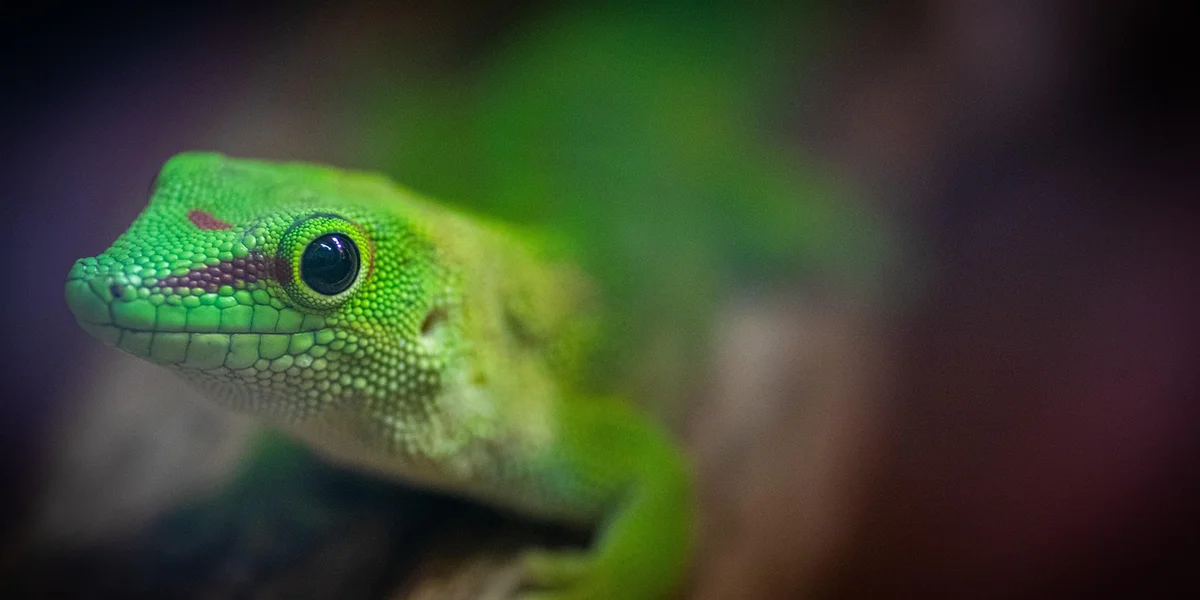
Your home is full of everyday noises that might seem harmless to you but can unsettle your gecko. Common household noise sources include televisions, stereos, vacuums, blenders, and even loud conversations. These sounds, especially when unpredictable, can make your pet feel threatened and cause them to hide excessively.
Vibrations are just as problematic and often overlooked. Sources like running fans, heaters, washing machines, or heavy foot traffic near the enclosure send shockwaves through surfaces. I have noticed that my gecko A-Rod, who is usually meticulous about his space, will rearrange his décor when the floor vibrates from someone walking by too heavily.
Substrate vibration is a sneaky stressor because it travels directly into the enclosure. Vibrations from appliances or subwoofers can resonate through the tank floor, making the gecko feel like they are in constant danger. This is why placing enclosures on stable, insulated surfaces can make a huge difference in their comfort.
I have many stories of my geckos reacting to these disturbances. Mookie, my gargoyle gecko, once leaped off his branch like he was making a diving catch when a book fell nearby—a clear sign of panic. Similarly, Babe, my giant day gecko, will refuse to bask if there is consistent noise, opting instead for the safety of foliage. Observing these behaviors has taught me to be proactive about minimizing audible and vibrational triggers in their environment, especially since it can exacerbate defensive behaviors.
Step-by-Step Guide to Reducing Noise in the Terrarium
Choosing Quiet Equipment and Accessories
Loud equipment is a major source of stress that many owners overlook. I learned this the hard way with a particularly noisy heat lamp that made my gecko, Griffey, constantly twitchy. Investing in silent-running equipment is one of the easiest wins for your gecko’s peace of mind.
- For heating, opt for ceramic heat emitters or heat mats over buzzing heat lamps. For lighting, many modern LEDs are virtually silent compared to older fluorescent fixtures that hum.
- Loose power cords can tap and vibrate against the glass. Use adhesive-backed cable clips or simple velcro straps to secure them neatly to the stand or wall, eliminating that subtle but constant rattling.
- Place a vibration-dampening mat, like a rubberized shelf liner or a dedicated acoustic mat, between the terrarium and its stand. This simple layer absorbs the tiny tremors from footsteps or household appliances.
Enclosure Placement and Soundproofing Tactics
Where you put the tank is just as critical as what you put inside it. My crested gecko, Jeter, used to be in our living room, and his stress levels dropped noticeably when I moved him to a quieter bedroom. Strategic placement creates a natural sound buffer that no accessory can match.
- Keep enclosures away from televisions, loud speakers, and high-traffic hallways. Avoid spots right next to doors that slam or windows facing busy streets.
- You can add a simple DIY sound barrier by attaching acoustic foam panels to the back and sides of the stand, not the tank itself. A thick rug under the entire stand also helps soak up ambient noise.
- Stacking tanks might save space, but it turns the entire structure into a vibration amplifier. A noise or bump on the bottom tank travels directly up through the frame, stressing every gecko in the stack. I always recommend separate stands.
Recognizing Stress Signs from Noise and Vibration
Geckos communicate their discomfort through behavior, not sound. It’s our job to learn their language. Knowing the difference between stress and normal behavior helps you respond correctly. It guides you to act when signs indicate distress rather than ordinary activity. Catching these stress signs early prevents them from developing into serious health issues like a weakened immune system.
- Physical and behavioral indicators include: constant hiding and refusal to come out even for food, a sudden loss of appetite, frantic “glass surfing” where they repeatedly scratch at the glass, and rapid, shallow breathing.
- My African Fat-Tailed gecko, A-Rod, once started refusing his meals for days. The culprit was a new subwoofer my roommate had placed near his tank. The constant, low-frequency vibration was making him feel like he was in an earthquake. Moving the speaker resolved his hunger strike within 48 hours.
- Connect specific sounds to stress: The low hum of an old fridge can cause constant hiding. The sudden bang of a door might trigger glass surfing. The rhythmic bass from a stereo leads to a loss of appetite. Watch your gecko when these sounds occur; their reaction will tell you everything.
Using Calming Sounds and Acoustic Enrichment

Think of your gecko’s enclosure as their personal sanctuary. Introducing a consistent, low-level ambient sound, like a white noise machine or soft, instrumental music, can act as an acoustic blanket, muffling the jarring sounds of daily life that startle them. My own crew, from Griffey to Mookie, all seem more settled when there’s a gentle hum in the background.
You don’t need anything fancy to create this soundscape. I’ve had great success using a small, quiet fan set on low or even a dedicated white noise app playing from across the room. The goal is to create a steady, predictable backdrop of sound that doesn’t have sharp peaks or sudden silences.
Be very careful with your music choices. Loud, sudden, or bass-heavy music is a major source of stress for geckos, as the vibrations can feel overwhelming in their small world. I learned this the hard way when a movie’s action scene sent all my geckos scrambling for cover.
From my experience, the best results come from consistency. My geckos are visibly more active and explorative during the day when I play the same soft, classical music playlist at a low volume, creating a predictable and calming auditory environment they can trust. It’s a small change that makes a big difference in their perceived safety.
Species-Specific Tips for Sound and Vibration Management
Not all geckos process sound and vibration the same way. Understanding your specific gecko’s natural history is the first step to creating their ideal low-stress environment. I care for several species, and their needs vary dramatically. Many geckos use vocalizations alongside specific body language cues to communicate mood. Learning these cues helps you read stress and comfort in your individual gecko.
- Leopard Geckos (like Griffey): As terrestrial geckos, they are highly sensitive to ground-borne vibrations. A heavy footstep can feel like a mini-earthquake. Place their tank on a stable, sturdy surface and use vibration-absorbing foam pads underneath for extra peace.
- Crested Geckos (like Jeter): Being arboreal, they live their lives off the ground. They are often more sensitive to airborne sounds and vibrations traveling through the glass walls of their tall enclosures. Avoid placing their tank against a shared wall with a noisy appliance.
- African Fat-Tailed Geckos (like A-Rod): These are secretive, ground-dwelling geckos who prefer a very quiet life. They thrive with the most sound-buffering you can provide and do not appreciate frequent, loud household activity near their space.
- Gargoyle Geckos (like Mookie): Another arboreal species, they are incredibly alert. Sudden noises can trigger their instinct to leap. A consistent, gentle background noise helps prevent these startled reactions during their active periods.
My arboreal gecko, Jeter, provides a perfect example. I noticed he would immediately retreat from his favorite high perch whenever the subwoofer was on, while my terrestrial geckos were less bothered. This taught me that vibrations through the glass were his main trigger.
Tailor your approach based on what you observe. If your gecko consistently hides after a specific sound event, like a vacuum cleaner, that’s your cue to add more acoustic buffering or adjust the timing of that chore. Often, signs of stress in geckos relate to their environment—temperature, humidity, lighting, and noise can all influence their behavior. Adjusting these factors, along with your routine, helps reduce stress signals. Your careful observation is the most powerful tool you have for managing their stress.
FAQs
Can geckos become desensitized to constant household noises?
While some geckos may gradually acclimate to consistent, low-level sounds, sudden or intense noises can still cause stress, so it’s best to maintain a quiet environment overall. Being able to tell normal from abnormal gecko behaviors matters when you’re concerned about their welfare. If you notice persistent or unusual changes, such as prolonged hiding, appetite loss, or unusual activity levels, consider consulting a reptile-savvy veterinarian.
What tools can I use to measure noise levels in my gecko’s environment?
You can use a smartphone app with a decibel meter or a dedicated sound level meter to check for excessive noise and ensure it remains within a gecko-safe range.
How can I quickly calm my gecko after a sudden loud noise?
Reduce any further disturbances, speak in a soft tone near the enclosure, and allow your gecko time to recover without handling until it resumes normal behavior. If your gecko continues to seem stressed, try calming techniques and environmental fixes to help it relax.
Final Words
The main goal is to place your gecko’s home in a consistently quiet part of your house, shield it from sudden loud noises, and use soft, ambient sounds to create a predictable soundscape. By being mindful of vibrations from speakers or heavy footsteps, you directly contribute to your pet’s sense of security and overall health.
Your gecko relies on you to be its advocate, so observing its behavior is the most powerful tool you have for perfecting its care. The world of reptile wellness is always evolving, and staying curious and informed is one of the most rewarding parts of being a responsible pet owner. In a complete guide to understanding gecko behavior and temperament, you’ll learn to read cues and tailor care. This makes daily observations practical and empowering.
Further Reading & Sources
- Do geckos make a sound? – The Environmental Literacy Council
- Geckos have a ‘sixth sense’ | Popular Science
- Binaural processing by the gecko auditory periphery – PMC
The Gecko Guide is your ultimate resource for gecko enthusiasts, providing expert advice and practical tips to ensure the health and happiness of your scaly companions. Alexander is a passionate gecko owner with over a decade of experience in reptile care. We are dedicated to offering accurate, up-to-date information to support your gecko journey.Our mission is to foster a community of responsible gecko owners who are passionate about the well-being of these fascinating creatures.
Enrichment Items