
Best Live Insects to Feed Your Gecko
Published on: January 6, 2026 | Last Updated: January 6, 2026
Written By: Alexander 'Gecko Geek' Johnson
Choosing the right live insects for your gecko can feel overwhelming, especially when you’re worried about providing a balanced diet that keeps your pet thriving.
I’ve raised my crew of geckos for years, and I’m here to help you sort through the options. We’ll break down the best feeder insects based on their nutritional value, how easy they are to manage, and what your specific gecko will actually enjoy hunting.
By the end of this guide, you will know:
- The top staple feeder insects that should form the core of your gecko’s diet.
- How to properly “gut-load” and supplement feeders for maximum health benefits.
- Which insects to offer as occasional treats versus daily staples.
You’ll get clear, practical advice you can use right away. We will cover: staple feeders, gut-loading, supplement dusting, and occasional treats.
Why Live Insects Are Non-Negotiable for Gecko Health
Your gecko is a hunter by nature. I learned this quickly with Griffey, my leopard gecko, who would lose interest in anything that didn’t wiggle. Live prey triggers their natural hunting instincts, providing essential mental stimulation that keeps them active and engaged. This isn’t just about fun; it’s about fulfilling their biological needs.
Beyond behavior, live insects are packed with moisture. This is vital for hydration, especially for species like my crested gecko, Jeter, who might not drink often from a water bowl. Crested gecko hydration needs differ from many other species. They often rely more on moisture from prey and ambient humidity than on drinking from a bowl alone. The high water content in live feeders helps prevent dehydration, a common and serious health issue in captive geckos. I’ve seen a noticeable difference in skin health and energy when I prioritize live food.
Finally, the nutritional profile is unmatched. Gut-loaded live insects are a complete package, delivering protein, vitamins, and minerals in a form your gecko’s body is designed to absorb. Processed or dead foods lose nutritional value and lack the exoskeleton that aids in digestion. For the welfare of your pet, a live diet is simply non-negotiable.
Top Tier Live Insects: Your Gecko’s Favorite Foods
Crickets: The All-Star Staple
If geckos had a grocery store, crickets would be in every cart. They are a fantastic all-around feeder. Crickets are relatively low in fat and provide a good balance of protein and chitin, which aids digestion. Are crickets safe and nutritious for geckos? When gut-loaded and offered at appropriate sizes, they’re a common, safe staple. Their active movement drives geckos like my energetic Griffey into a fun hunting frenzy.
I always buy crickets in small batches to ensure they are fresh and lively. Remember to “gut-load” your crickets with nutritious veggies like carrots and leafy greens for at least 24 hours before feeding. This process supercharges their nutritional value, turning them into vitamin pills for your pet.
- Excellent for encouraging exercise and natural behavior.
- Easy to find at most pet stores.
- Best for: Leopard Geckos, Crested Geckos, and other active hunters.
Dubia Roaches: Nutrient Powerhouses
Don’t let the word “roach” scare you; Dubias are a superior feeder insect. Dubia roaches have a much better meat-to-shell ratio than crickets, making them easier to digest and more nutrient-dense. They are also quieter and don’t smell, which is a win for any gecko owner.
My territorial African fat-tailed gecko, A-Rod, seems to find them especially satisfying. Their slower movement can be less stressful for shy geckos, while still triggering a feeding response. They are a bit more of an investment, but your gecko’s health is worth it.
- Higher in protein and lower in chitin than crickets.
- They can’t climb smooth surfaces, so escapes are rare.
- Best for: Growing juveniles, geckos needing to gain weight, and all species as a staple.
Mealworms and Superworms: Use With Caution
Think of these worms as the gecko equivalent of potato chips-tasty but not for every meal. Both mealworms and superworms have a high fat content and a tougher chitin exoskeleton that can be hard to digest in large quantities. I learned this the hard way when my giant day gecko, Babe, started packing on a little too much “power.”
They are best used as occasional treats or for geckos that need to bulk up. Always monitor your gecko’s weight and droppings when introducing these into their diet to avoid impaction. Variety is key, so rotate them with other feeders.
- Mealworms are smaller and better for younger or smaller geckos.
- Superworms are larger and should only be fed to adult geckos.
- Best for: Occasional treats or weight gain, but not as a primary staple.
When to Choose Mealworms Over Superworms
This choice often comes down to the size and age of your gecko. I choose mealworms for my juvenile gargoyle gecko, Mookie, because their smaller size is easier for him to handle and digest. They are a safer option for smaller mouths and less experienced hunters.
Superworms have a stronger bite and can sometimes nip at your gecko if not eaten quickly. Reserve superworms for robust, adult geckos like Babe, who can manage their size and aggressive nature. If you’re ever in doubt, always err on the side of the smaller, less risky option.
- Pick mealworms for: Babies, juveniles, and smaller species.
- Pick superworms for: Healthy, full-sized adult geckos as a fatty treat.
How to Master Insect Nutrition for Your Gecko
Gut-Loading: Making Insects Healthier
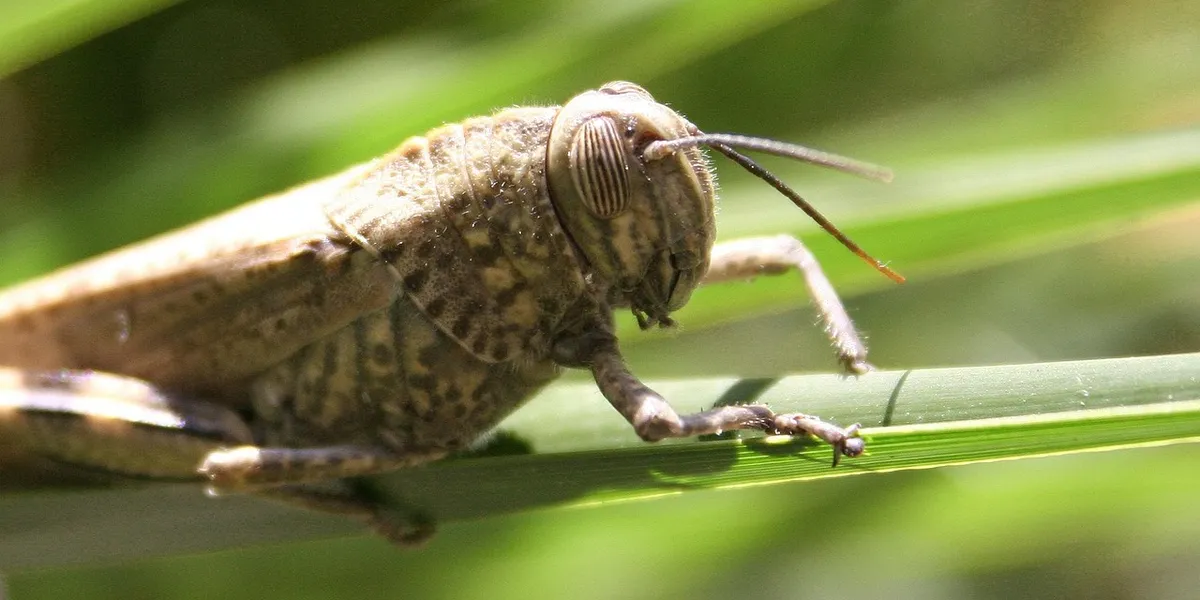
Think of a feeder insect’s belly as a tiny lunchbox you pack for your gecko. Gut-loading is the 24-48 hour process of feeding your insects a nutrient-rich diet before they become your gecko’s meal. A cricket that eats only cardboard is like an empty candy wrapper; a cricket that dines on sweet potato and leafy greens is a vitamin-packed power pellet. I always keep a dedicated container of “gut-load chow”-a mix of high-quality commercial feed, sliced carrots, and dandelion greens-to fuel my crew’s feeders.
Your goal is to turn the insect into a complete, living supplement. I’ve seen a noticeable difference in the sheen of my gecko Jeter’s scales since I became militant about gut-loading. Focus on foods rich in calcium and beta-carotene.
- Excellent Gut-Load Foods: Sweet potato, carrots, squash, dandelion greens, collard greens, and specialized commercial diets.
- Foods to Avoid: Onions, lettuce (mostly water), and acidic fruits like citrus.
Dusting Insects: The Supplement Boost
Even a well-fed insect can’t provide all the calcium and vitamins a captive gecko needs. That’s where dusting comes in. Dusting is the simple act of lightly coating feeder insects in a powdered supplement right before feeding. I use a small plastic deli cup, toss in a few insects with a pinch of powder, give it a gentle shake, and serve. My Giant Day Gecko, Babe, will only eat his dusted crickets if they look like they’ve been hit by a sudden snow flurry-he’s a creature of very specific habits.
There are two main types of supplements you’ll rotate. Getting this schedule right prevents Metabolic Bone Disease, a serious and painful condition.
- Calcium with D3: Use this at most feedings. D3 helps your gecko absorb the calcium.
- Multivitamin: Use this once or twice a week. It provides essential vitamins like A and E that aren’t in pure calcium.
Feeding Live Insects Safely: Sizes and Techniques
Matching Insect Size to Your Gecko’s Age
Offering prey that is too large is a common and dangerous mistake. A good rule of thumb is to never feed an insect that is wider than the space between your gecko’s eyes. This prevents impaction and choking. My young Gargoyle Gecko, Mookie, started on pinhead crickets and fruit fly hydei, while my adult Leopard Gecko, Griffey, comfortably tackles large crickets and dubia roaches.
Here is a simple guide to get you started.
- Hatchlings/Juveniles: Pinhead crickets, small dubia nymphs, and flightless fruit flies.
- Sub-Adults: Medium crickets, 1/2-inch dubia roaches, and small mealworms.
- Adults: Large crickets, full-sized dubia roaches, superworms, and hornworms as a treat.
Hand-Feeding vs. Bowl Feeding: What Works Best
This choice often depends on your gecko’s personality and your own goals for interaction. Hand-feeding with soft-tipped tweezers is fantastic for building trust and monitoring individual food intake. My Crested Gecko, Jeter, is a calm gentleman who readily takes food from my fingers. It’s our special bonding time.
Bowl feeding, however, is often more practical and safer for certain insects. A smooth-sided, escape-proof bowl keeps hungry crickets from nibbling on a sleeping gecko. My Fat-Tailed Gecko, A-Rod, is a solitary hunter who prefers I drop his worms in a bowl and leave him to his business.
- Choose Hand-Feeding For: Bonding, finicky eaters, and ensuring a specific gecko gets its share.
- Choose Bowl Feeding For: Busy schedules, communal tanks, and preventing feeder insects from hiding in substrate.
Common Live Insect Mistakes and How to Fix Them
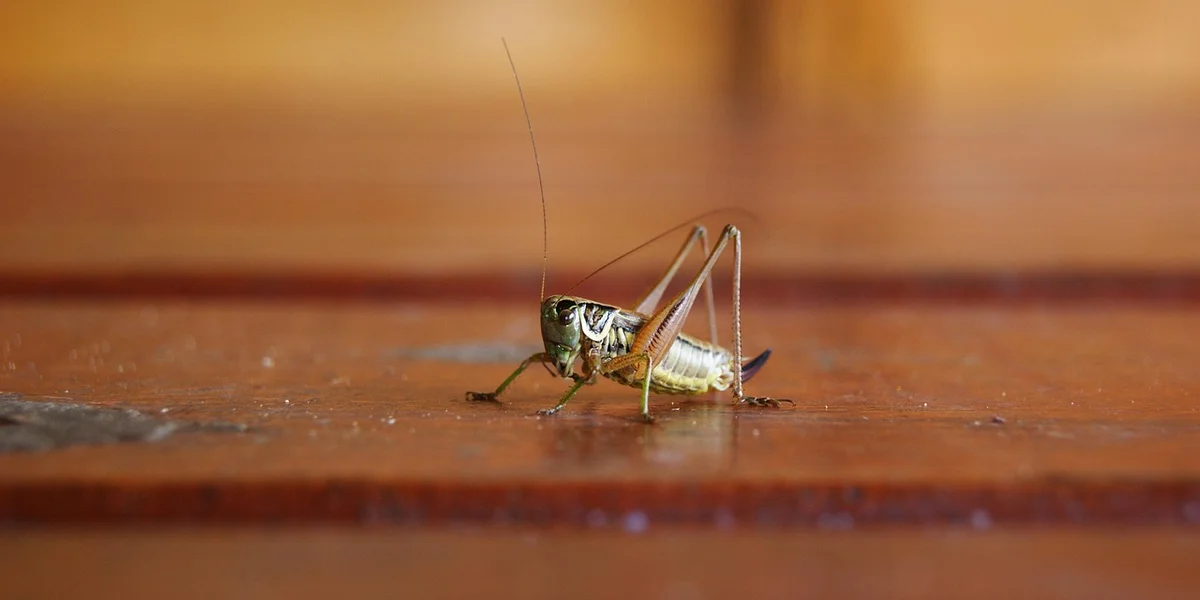
I’ve made my fair share of feeding mistakes over the years, and my geckos have been the ones to teach me the lessons. Watching my Crested Gecko, Jeter, turn up his nose at a poorly gut-loaded cricket was a clear sign I needed to improve. That moment sparked a closer look at how feeding choices affect health. This post highlights 9 common gecko feeding mistakes that can compromise health and how to avoid them.
The biggest mistake is feeding the same insect, meal after meal, week after week. This creates a nutritional rut that can impact your gecko’s long-term health. Diversifying the diet is crucial.
Why Variety Prevents Nutritional Gaps
Think of your gecko’s insect diet like your own need for a balanced plate. You wouldn’t eat only chicken every single day. Different insects offer different profiles of protein, fat, calcium, and other vital nutrients. That brings up the idea of the best feeder insect combinations for a balanced gecko diet. A good mix balances protein, fat, and minerals, often with gut-loaded insects and calcium supplementation.
Rotating through a cast of insect characters ensures your gecko gets a full spectrum of what they need to thrive. A diet of only crickets might be high in protein but lower in crucial calcium. Adding in dubia roaches or black soldier fly larvae fills that gap beautifully, especially when you avoid feeding toxic insects that can harm your pet.
Here is a simple weekly rotation I use for my crew:
- Monday & Thursday: Dubia Roaches (a fantastic protein and calcium staple)
- Tuesday & Friday: Black Soldier Fly Larvae (an effortless calcium powerhouse)
- Wednesday & Saturday: Crickets or Silkworms (for variety and enrichment)
- Sunday: A treat like a couple of Waxworms or Butterworms for my Giant Day Gecko, Babe.
This system keeps my geckos interested and their bodies well-supported.
Beyond the Basics: Alternative Insects and Seasonal Options
Once you have the staple feeder rotation down, it’s fun to explore other options. These alternative insects can provide enrichment and target specific nutritional needs. For quick comparisons, check out our nutritional value feeder insects complete comparison chart. It breaks down protein, fat, calcium, and other nutrients across common options to help balance your pet’s diet.
Introducing new bugs stimulates your gecko’s natural hunting instincts and prevents feeding boredom. My Leopard Gecko, Griffey, becomes incredibly alert and focused when he sees a new type of prey.
My Top Alternative Feeder Insects
- Silkworms: These are a premium feeder. They are soft-bodied, easy to digest, and packed with protein and moisture. My geckos go crazy for them.
- Hornworms: These are giant, blue, and very juicy. They are fantastic for hydration but are high in moisture and low in fat, so they are best used as an occasional treat.
- Discoid Roaches: A great option if you live in a place where dubia roaches are restricted. They are a similar nutritional powerhouse and equally easy to breed.
- Blue Bottle Fly Spikes & Flies: Excellent for arboreal geckos like Cresteds and Gargoyles. The movement of the flies triggers an amazing aerial hunting response.
Embracing Seasonal Feeder Availability
Just like we eat strawberries in summer and squash in fall, some feeder insects have seasonal peaks.
Using seasonally available insects is a natural way to add variety and can sometimes be more cost-effective. In the warmer months, you might find more options like hornworms available at your local pet store.
I also use this as an opportunity to offer safe, wild-caught insects as a rare treat, but with a major warning.
You must only collect insects from areas you are 100% sure have never been sprayed with pesticides, herbicides, or chemical fertilizers. I only do this in my own organic, untreated backyard, and I stick to simple bugs like grasshoppers and moths. When in doubt, skip it. The risk is not worth the reward.
FAQs
How often should I feed my gecko live insects?
Adult geckos typically need feeding every other day, while juveniles require daily meals to support their growth. Use this difference to craft a perfect feeding schedule for juvenile vs adult geckos. Tailor portions and timing to age, and monitor weight and health to keep them thriving.
How many insects should I offer per feeding?
Provide as many insects as your gecko can consume within a 10-15 minute period to prevent overfeeding or waste.
What should I do if my gecko refuses to eat live insects?
Check for issues like incorrect temperatures, stress, or illness, and consult a veterinarian if the behavior persists.
Final Thoughts
The best diet for your gecko is a varied one, rotating through staple feeders like crickets, dubia roaches, and black soldier fly larvae. Always remember to gut-load your insects with nutritious foods and dust them with the proper calcium and vitamin supplements before every feeding. This simple routine is the absolute cornerstone of a healthy, thriving gecko. For a complete gargoyle gecko diet feeding guide, you’ll find detailed portion sizes, feeding frequencies, and supplement timing. It also explains how to balance gut-loaded insects with the right vitamins for ongoing health.
Caring for a gecko is a rewarding, long-term commitment to another living creature. Your journey as a pet owner doesn’t end here; continue to observe your gecko, research their specific needs, and never stop learning how to provide them with the best life possible. Your scaly friend is counting on you.
Further Reading & Sources
- What Do Geckos Eat? | PetMD
- Leopard Gecko Diet (The Best Insects For Your Leopard Gecko)
- What Do Geckos Eat?
The Gecko Guide is your ultimate resource for gecko enthusiasts, providing expert advice and practical tips to ensure the health and happiness of your scaly companions. Alexander is a passionate gecko owner with over a decade of experience in reptile care. We are dedicated to offering accurate, up-to-date information to support your gecko journey.Our mission is to foster a community of responsible gecko owners who are passionate about the well-being of these fascinating creatures.
Live Food