
What Do Baby Geckos Eat vs. Adult Geckos?
Published on: January 7, 2026 | Last Updated: January 7, 2026
Written By: Alexander 'Gecko Geek' Johnson
Are you staring at your tiny baby gecko and your full-grown adult, wondering if you’re feeding them the right things? Getting their diets mixed up is a fast track to health issues, and it’s a worry I’ve faced myself with my own crew.
After raising geckos like my curious leopard gecko Griffey from a baby, I can help you nail this. Here are the key takeaways we’ll explore together:
- Why baby geckos need more frequent, protein-packed meals for rapid growth.
- How adult gecko diets shift to maintain health and prevent obesity.
- The essential supplements and food types that keep both life stages thriving.
You’ll walk away with straightforward, no-nonsense advice to confidently feed your geckos at any age. We will cover: nutritional needs, feeding frequency, portion sizes, supplement schedules, safe food lists, and diet transition tips.
Key Differences Between Baby and Adult Gecko Diets
Baby gecko dietary needs at a glance
Raising a baby gecko is like fueling a high-performance sports car-it needs premium, frequent fuel to support its incredible growth rate. Their tiny bodies are building bone, muscle, and tissue at a staggering pace, demanding a diet extremely high in protein and calcium. I saw this with my crested gecko, Jeter; he was a bottomless pit as a juvenile, constantly on the move and needing that energy.
- Require daily feeding.
- Need a diet of almost exclusively live, gut-loaded insects.
- Prey items must be very small to prevent impaction.
- Calcium and vitamin dusting is non-negotiable with almost every meal.
- Their fast metabolism means they burn through energy quickly.
Adult gecko dietary needs at a glance
An adult gecko’s diet shifts from pure growth to maintenance and longevity. Their metabolism slows, and overfeeding can easily lead to obesity, a common and serious health issue in captive geckos. My leopard gecko, Griffey, used to eat daily, but now as a proud adult, he thrives on a more measured schedule with a more varied menu.
- Fed every 2-3 days, or even less frequently for some species.
- Diet can include a wider variety of appropriately-sized insects.
- Many adult gecko species can incorporate fruit-based diets (like Crested Gecko MRP).
- Supplement dusting is still critical, but often on a rotating schedule rather than daily.
- Portion control is key to maintaining a healthy weight.
What to Feed Baby Geckos for Healthy Growth
Best feeder insects for hatchlings and juvenile geckos
You must offer prey that is smaller than the space between your gecko’s eyes. This rule is vital for their safety. Small, soft-bodied, and easily digestible insects are the gold standard for a baby gecko’s developing system. I always keep a culture of pinhead crickets and flightless fruit flies on hand for my newest arrivals-they are a guaranteed hit.
- Pinhead Crickets: The perfect size and a great source of protein.
- Flightless Fruit Flies: Excellent for tiny hatchlings and encourage natural hunting behaviors.
- Small Dubia Roach Nymphs: A nutritional powerhouse, but ensure they are tiny enough.
- Black Soldier Fly Larvae (Nutrigrubs): Naturally high in calcium, reducing the need for heavy dusting.
Foods to avoid for baby geckos
Some foods pose a serious risk of impaction or offer poor nutritional value for a growing gecko. Protecting them from these items is one of the most direct acts of care you can provide during their fragile first year. This careful feeding mindset helps you avoid the 9 common gecko feeding mistakes that compromise health. Understanding these mistakes helps keep geckos healthy and thriving. I learned this the hard way early on and now am very strict about what goes into my geckos’ terrariums.
- Mealworms and Superworms: Their hard chitin shell is difficult for babies to digest and can cause fatal blockages.
- Large Prey: Any insect that is too big can cause injury or refusal to eat.
- Wild-Caught Insects: These can carry pesticides, parasites, or diseases.
- Adult Cockroaches or Crickets: They are simply too large and can sometimes bite a vulnerable baby gecko.
Adult Gecko Diet: Sustaining Health and Energy
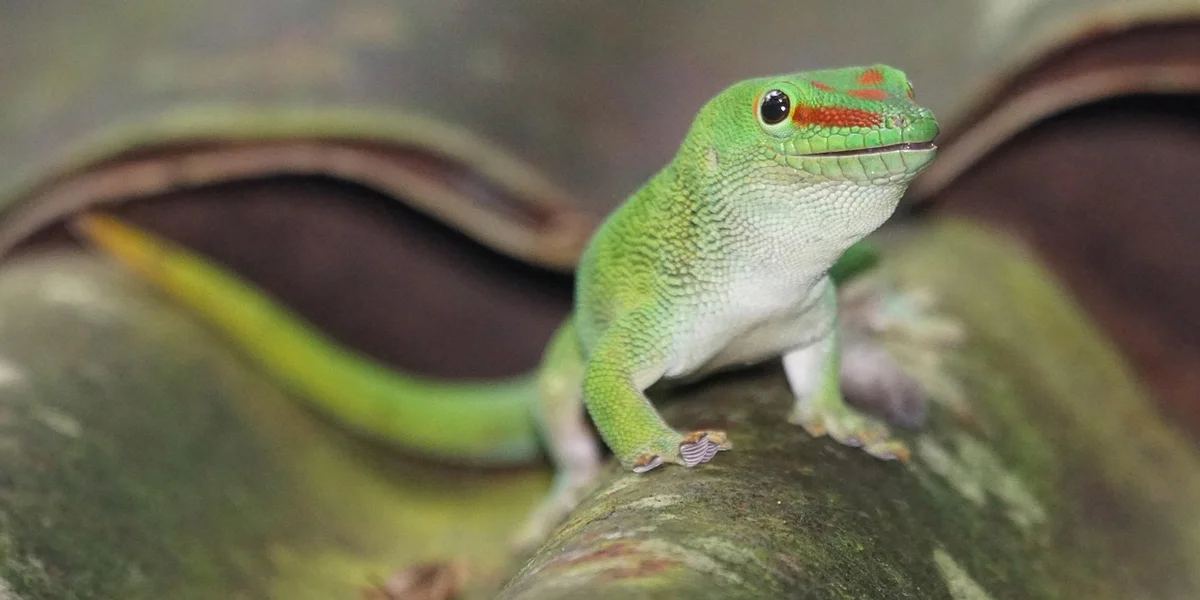
Watching my adult geckos, like the mighty Babe, hunt is a masterclass in patience and power. Their nutritional needs shift from rapid growth to robust maintenance. An adult gecko’s diet is all about providing sustained energy and preventing obesity while keeping them engaged and happy.
Staple feeder insects for adult geckos
Your adult gecko’s main meals should be built on a foundation of nutritious, readily-available staples. Variety is still key to a balanced diet. This approach is part of a complete gargoyle gecko diet feeding guide. In that guide, you’ll find how to structure meals, choose staples, and adjust portions for your gecko’s needs.
- Dubia Roaches: My absolute top choice. They are meaty, have a great protein-to-fat ratio, and can’t climb smooth surfaces, making them escape-proof in a feeding dish.
- Crickets: A classic for a reason. They provide good exercise through the chase. I find my gecko Jeter gets a real kick out of hunting them down.
- Discoid Roaches: A fantastic alternative to Dubias, especially if you live in a place like Florida where Dubias are restricted. They offer similar nutritional benefits.
- Black Soldier Fly Larvae (Calciworms®): These are a powerhouse of calcium. I often use them as a regular part of the rotation to naturally boost calcium intake.
Treats and occasional foods for adult geckos
Just like us, geckos appreciate a special snack! These should be given sparingly-think once a week or every other week-to avoid health issues.
- Waxworms: The gecko equivalent of ice cream. They are high in fat and incredibly tempting. I use them only as a rare reward or to help a gecko gain weight.
- Hornworms: These are great for hydration because they are mostly water. They are a fantastic, low-fat treat that my geckos go absolutely wild for.
- Butterworms: Another high-fat treat that should be used infrequently. Their bright color seems to really trigger a feeding response.
- Pangea or Repashy Crested Gecko Diet (For Cresteds/Gargoyles): For my fruit-eating geckos like Jeter and Mookie, this complete powdered diet is their staple, but offering a little extra on a spoon can be a fun enrichment treat.
Feeding Schedules and Proper Portions for All Ages
Getting the timing and amount right is just as important as the food itself. A fat gecko is not necessarily a healthy gecko, and a hungry one is a stressed one. Portion control is one of the most direct ways we can advocate for our pet’s long-term welfare.
Baby gecko feeding frequency and portions
Baby geckos are tiny eating machines fueled by growth. They need constant access to energy.
- Frequency: Offer a small number of appropriately-sized insects every single day.
- Portion Size: A good rule of thumb is to offer as many insects as the baby gecko will eagerly eat in a 10-15 minute period. This is usually between 5-10 tiny crickets or pinhead roaches.
- My Method: I leave a small, shallow dish of calcium-dusted insects in my baby Mookie’s enclosure for a few hours to ensure he can eat at his own pace.
Adult gecko feeding frequency and portions
Adults have slower metabolisms. Overfeeding is a real risk that can lead to fatty liver disease.
- Frequency: Feed your adult gecko every other day, or 3-4 times a week. I feed my leopard gecko Griffey on Monday, Wednesday, and Friday.
- Portion Size: Offer 5-8 appropriately-sized insects per feeding session. An appropriate insect is no wider than the space between your gecko’s eyes.
- The Stop Signal: The best advice I ever received was to stop feeding when they lose interest. A gecko that walks away from food is telling you they are full, and we should listen. I monitor their tail thickness-a plump, but not bulbous, tail is the goal.
Essential Supplements for Baby and Adult Geckos
Calcium and vitamin D3 needs
Baby geckos are like tiny athletes in training—they need extra calcium and vitamin D3 to build strong bones and avoid metabolic bone disease. I dust every insect for my baby leopard gecko Griffey with a calcium powder that includes D3 at each feeding, but for adults like my crested gecko Jeter, I only dust every other meal. This mimics their natural growth spurts and prevents over-supplementation. Do leopard geckos need calcium vitamin D3 supplements? The need varies by age and diet—juveniles typically benefit from calcium with D3 more often, while adults may need it less frequently, depending on their overall diet and how their feeder insects are prepared.
Without proper D3, geckos can’t absorb calcium, leading to soft, bendable bones. This illustrates the difference between calcium with D3 and calcium without D3 for geckos. When D3 is included, calcium absorption is better; without it, calcium may not be utilized effectively. I use a dedicated supplement schedule: babies get calcium with D3 daily, while adults transition to a plain calcium dish in their enclosure for self-regulation. It’s a simple tweak that keeps my geckos thriving, not just surviving.
- For babies: Dust insects with calcium + D3 at every feeding.
- For adults: Dust 2-3 times weekly; offer plain calcium freely.
- Always pair with proper UVB lighting for natural D3 synthesis.
Gut loading and hydration sources
Gut loading is my secret weapon-it turns feeder insects into nutrient-packed meals. I feed my crickets and dubia roaches a mix of sweet potato, carrots, and leafy greens 24 hours before they become gecko food. This boosts vitamins A and E, which are vital for immune health in both babies and adults.
Hydration isn’t just about water bowls. My crested gecko Jeter licks droplets from misted leaves, while my leopard gecko Griffey prefers a shallow dish-so I provide both. Babies dehydrate faster, so I mist enclosures twice daily and check for plump tails as a hydration gauge.
- Gut load insects with high-calcium veggies like kale or commercial gut-load products.
- Offer fresh water in shallow dishes; change daily to prevent bacteria.
- Mist enclosures for arboreal species to simulate rain and encourage drinking.
Safe vs. Unsafe Foods: What Every Owner Should Know
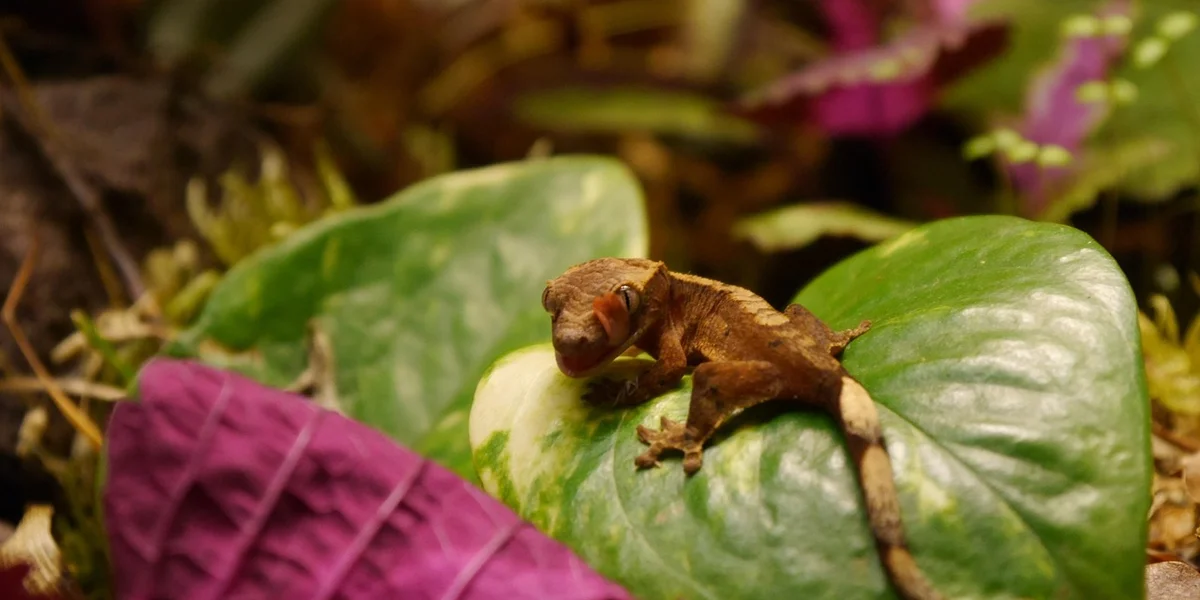
Common safe foods for insectivorous geckos
A varied diet prevents boredom and nutrient gaps. I rotate between crickets, dubia roaches, and mealworms for my geckos, but black soldier fly larvae are a favorite for their high calcium content. This keeps meals exciting and nutritionally balanced, especially for picky eaters like my fat-tailed gecko A-Rod.
- Crickets: Great for exercise; gut load for maximum nutrition.
- Dubia roaches: Low chitin, easy to digest for babies and adults.
- Mealworms and superworms: Use sparingly for adults due to higher fat.
- Waxworms: Treat only-they’re like gecko candy and can cause obesity.
Foods to always avoid
Some foods are straight-up dangerous. I never feed wild-caught insects-they can carry pesticides or parasites that made one of my rescues critically ill. Fireflies are especially toxic; even one can be fatal due to lucibufagins, which attack the nervous system.
Fruits and veggies might seem healthy, but they’re inappropriate for insectivorous species. Stick to insects and commercial diets formulated for your gecko’s species to avoid digestive blockages or malnutrition. Some people wonder if geckos eat human food, but that’s a misconception and can lead to digestive issues. Geckos eat mostly insects and formulated diets, not leftovers. It’s a non-negotiable rule in my household for all five of my geckos.
- Wild insects: Risk of pesticides, diseases, and parasites.
- Fireflies and lightning bugs: Highly toxic; avoid completely.
- Avocado, rhubarb, and onions: Contain compounds harmful to reptiles.
- Dairy or processed human foods: Geckos can’t digest them.
Transitioning Your Gecko from Baby to Adult Diet
Watching your gecko grow is incredibly rewarding, but knowing when and how to adjust their diet can feel tricky. The key is to watch your gecko, not just the calendar, as individual growth rates vary significantly. I’ve raised several geckos from hatchlings, and this hands-on experience has taught me that a gradual, observant approach is what leads to success.
When to start the diet change
You shouldn’t switch your gecko’s diet based on age alone. Instead, look for these physical and behavioral cues that signal they are ready for a more adult-style feeding schedule. Tailor the plan to juvenile versus adult needs. Juveniles often need more frequent, smaller meals, while adults do better with less frequent, larger prey.
- Reaching a Healthy Weight: For most common pet geckos like Leopards and Cresteds, this is typically when they hit 25-35 grams. My gecko, Griffey, was a solid 30 grams before I even considered cutting back his feedings.
- Slowing Growth Rate: You’ll notice they aren’t getting longer or heavier as rapidly as they did in their first 6-9 months. Their body starts to fill out rather than stretch out.
- Decreased Food Frenzy: Baby geckos are often little eating machines. A clear sign of maturity is when they start leaving a few crickets uneaten or show less frantic enthusiasm at every feeding.
Steps for a smooth transition
A sudden change can stress your gecko’s digestive system. Follow these steps over several weeks to make the shift seamless and stress-free for both of you.
- Gradually Reduce Feeding Frequency: If you’re feeding daily, switch to every other day for two weeks. Then, move to feeding every third day. My Crested gecko, Jeter, adjusted perfectly to this slower pace.
- Adjust Prey Size and Quantity: As you feed less often, you can slightly increase the prey size. Offer fewer, but larger, appropriately-sized insects to maintain nutritional intake without overfeeding.
- Monitor Weight and Body Condition: Weigh your gecko weekly. A stable, healthy weight is the goal. A-Rod, my Fat-Tailed gecko, actually gained a little muscle tone during his transition.
- Observe Their Behavior and Droppings: Keep a close eye on their energy levels and the consistency of their waste. Healthy droppings mean a healthy transition. Any sudden lethargy or changes are a sign to slow down.
Patience is your greatest tool here; rushing this process can lead to weight loss and health issues. Regular weigh-ins and body condition checks help you manage healthy weight gain or prevent weight loss in leopard geckos. Every gecko is an individual, so be prepared to tailor this timeline to your pet’s specific needs and appetite.
FAQs
How long can a healthy adult gecko go without eating?
A healthy adult gecko can typically go without food for up to two weeks, but you should consult a veterinarian if they refuse meals for more than a few days to rule out underlying health issues. If your gecko is not eating, start by checking your husbandry—temperature, lighting, and hydration—since environmental stress is a common cause. If the behavior continues for a few days, or you notice other signs of illness, seek veterinary advice promptly.
What are the signs of an impacted gecko?
Signs of impaction include lethargy, loss of appetite, bloating, and difficulty passing waste, which require immediate veterinary care to prevent serious complications.
Can I substitute fresh fruits for commercial gecko diets?
No, fresh fruits should not replace commercial gecko diets as they lack balanced nutrients and can lead to malnutrition or digestive problems in insectivorous species. In a complete guide to safely offering fruits to your gecko, use fruit only as an occasional treat. Introduce any new fruit slowly and monitor your gecko for digestive comfort.
Final Thoughts on Feeding Your Gecko
In a nutshell, baby geckos need daily, protein-rich meals like small insects to fuel their growth, while adults do well with less frequent feedings and a varied diet to maintain health. Tailoring their food to life stage and species prevents issues like malnutrition or obesity, something I’ve fine-tuned with my own geckos like Griffey and Mookie.
Owning a gecko means committing to their well-being through ongoing education and attentive care. I encourage you to keep learning and adapting, as I have with my crew, to ensure your pet thrives for years to come.
Further Reading & Sources
- Leopard Geckos: Care and Feeding | VCA Animal Hospitals
- What Do Geckos Eat? | PetMD
- Leopard Gecko food and diet advice – ExoticDirect
The Gecko Guide is your ultimate resource for gecko enthusiasts, providing expert advice and practical tips to ensure the health and happiness of your scaly companions. Alexander is a passionate gecko owner with over a decade of experience in reptile care. We are dedicated to offering accurate, up-to-date information to support your gecko journey.Our mission is to foster a community of responsible gecko owners who are passionate about the well-being of these fascinating creatures.
Hatchling & Juvenile Care