
What is a Gecko? Your Friendly Guide to These Amazing Reptiles
Published on: December 1, 2025 | Last Updated: December 1, 2025
Written By: Alexander 'Gecko Geek' Johnson
You’ve seen them in cartoons and maybe even in a pet store, but what exactly is a gecko, and are they the right pet for you? It’s a big question, and it’s smart to research before bringing any animal home.
I’ve shared my life with these incredible reptiles for years, and I’m here to help you understand them. We’ll break down everything you need to know into simple, clear takeaways.
- Geckos are a massive and diverse family of lizards, with over 1,500 species ranging from the tiny to the stunningly colorful.
- They possess unique biological superpowers, from sticky toe pads that defy gravity to voices you can actually hear.
- While care varies by species, many geckos can become wonderful, long-lived pets with the right habitat and attention.
By the end of this guide, you’ll have a crystal-clear picture of what makes a gecko a gecko. We will cover: gecko types, unique biology, behavior, habitat, diet, and essential care tips. Let’s get started.
What Exactly is a Gecko?
Scientific Family and Classification
Geckos belong to the scientific family Gekkonidae, a massive and diverse group within the reptile order Squamata, which also includes lizards and snakes. What truly defines them is a collection of unique physical and behavioral traits you won’t find in other lizards. I’m always amazed by their specialized toe pads, covered in millions of microscopic hairs called setae, which allow them to defy gravity on seemingly smooth surfaces.
Another feature I love is their vocalizations. Unlike most lizards, many geckos chirp, click, or bark to communicate. My Crested Gecko, Jeter, makes a little chirping sound when he’s exploring at night, and it’s the cutest thing. These sounds are part of [geckos’ body-language cues](https://thegeckoguide.com/what-are-common-gecko-vocalizations-and-body-language-cues). They also use tail movements and eye actions to signal mood. Most geckos also lack eyelids, so they use their long, specialized tongues to clean and moisten their eyes. It looks strange at first, but you get used to it!
How Many Gecko Species Exist?
Get ready for some big numbers. Scientists have identified over 1,750 different species of geckos, and new ones are still being discovered. This incredible diversity means there’s a gecko for nearly every type of reptile enthusiast and environment. They range from the tiny, inch-long dwarf geckos to the massive New Caledonian Giant Gecko. To explore them all, check out our complete guide to gecko types. It covers major groups and their defining traits.
They have conquered every continent except Antarctica. You can find them in lush rainforests, harsh deserts, and even cozy suburban homes. From my experience, this variety is what makes gecko care so fascinating; the needs of my desert-dwelling Leopard Gecko, Griffey, are completely different from my rainforest-loving Crested Gecko, Jeter.
Meet the Most Popular Pet Gecko Species

Leopard Gecko: The Beginner’s Best Friend
If you’re new to reptiles, the Leopard Gecko is often your perfect starting point. I started with my high yellow morph, Griffey, and his calm demeanor won me over instantly. Their docile nature and relatively simple care requirements make them a fantastic first pet. Unlike many geckos, they have movable eyelids, which gives them a very expressive face.
Here’s what makes them so great for beginners:
- Hardy and forgiving: They are resilient and can tolerate minor husbandry mistakes as you learn.
- Ground-dwellers: They don’t need a tall, complex terrarium, simplifying their habitat setup.
- Variety of colors: With morphs like “High Yellow” and “Blizzard,” you can find one that perfectly matches your style.
Crested Gecko: The Arboreal Acrobat
With their eyelash-like crests and incredible jumping ability, Crested Geckos are a joy to watch. My guy, Jeter, is a flame morph and he truly lives up to his “arboreal acrobat” title. They thrive in a vertically oriented terrarium filled with branches and vines to climb. One of their most unique features is that they can’t regrow their tails if they drop them, so gentle handling is key.
Crested Geckos are also known for their simple diet.
- Prepared Diets: They do wonderfully on commercially available, fruit-based powdered diets you just mix with water.
- Low Maintenance: They don’t always require special heating or lighting, making their setup more straightforward.
- Personality Plus: They are often curious and will calmly sit on your hand, making for great, interactive pets.
Tokay Gecko: The Bold and Vocal
The Tokay Gecko is not for the faint of heart. I’ve cared for them before, and their striking blue-and-orange speckled skin is stunning, but their personality is even bigger. They are famously feisty, known for a powerful bite and a loud, territorial call that sounds like “To-kay!” This is a gecko for an experienced keeper who appreciates a challenge.
Handling a Tokay requires patience and respect for their space.
- Confident and Territorial: They are not typically “lap pets” and are best admired from a slight distance.
- Incredible Grip: Their toe pads are exceptionally strong, making them master escape artists.
- Stunning Appearance: Their vibrant coloration is one of the most beautiful in the reptile world.
Owning a Tokay is a commitment to understanding and respecting a truly wild-at-heart animal. It’s a rewarding experience, but you must be prepared for their bold nature.
Fascinating Gecko Anatomy and Behaviors
Getting to know your gecko goes beyond just feeding and cleaning. Their bodies are marvels of evolution, built for survival in ways that still blow my mind. Learning how your gecko is put together will completely change how you interact with and care for them.
Incredible Climbing Powers
I’ll never forget the first time I saw my Crested Gecko, Jeter, run straight up the smooth glass of his terrarium. It looked like magic. The secret isn’t glue or suction; it’s millions of microscopic hairs on their toe pads called setae.
These hairs split into even smaller spatulae that get so close to a surface, they exploit atomic forces of attraction. This Van der Waals force allows them to stick to almost any surface without any liquid or residue.
- Self-Cleaning Feet: Their toes are naturally anti-clog. A few licks from their tongue, and any dust or debris is gone, restoring their grip.
- Controlled Detachment: They don’t get stuck! They peel their toes away from surfaces like you’d peel tape, which is why their movement looks so fluid and deliberate.
- Not All Geckos Climb Glass: Species like the Leopard Gecko and African Fat-Tailed Gecko lack these specialized toe pads. They have claws instead, perfect for digging and scrambling over rough terrain.
The Tale of the Tail: Autotomy
One of the most dramatic defense mechanisms in the animal kingdom is autotomy-the ability to voluntarily drop their tail. My A-Rod, my African Fat-Tailed Gecko, did this once after a terrarium decoration shifted unexpectedly and spooked him.
The dropped tail will writhe and twitch, creating a perfect distraction while your gecko makes a swift escape from a perceived predator. When a gecko’s stress response kicks in, tail autotomy can occur as a rapid decoy. It’s a brilliant survival trick, but it’s stressful for them and for you.
- Remain Calm: Your gecko is already stressed. Don’t panic. Gently move them to a clean, temporary enclosure with paper towel substrate.
- Do Not Handle: Avoid handling unless absolutely necessary to prevent further stress and injury.
- Keep it Clean: Ensure their environment is impeccably clean to prevent infection while the wound heals.
- Boost Nutrition: Regrowing a tail is energetically expensive. Offer a bit more food and ensure it’s well-dusted with calcium and vitamins.
The new tail will grow back, but it often looks different-usually shorter, rounder, and a different color. It’s made of cartilage, not bone. While it’s a clever escape plan, preventing the situation is always the best medicine, so handle with care and provide secure hides.
Understanding Gecko Sounds and Body Language
Geckos are not silent pets. Learning their “language” is one of the most rewarding parts of ownership. It’s how they tell you if they’re happy, scared, or just annoyed.
- Soft Chirps or Clicks: My Crested Geckos, Jeter and Mookie, make these gentle sounds at night. This is typically a sign of contentment, a simple communication between geckos, or a way to check out their surroundings.
- Loud, Distressed Barking or Squeaking: This is a clear “back off” signal. You’ll hear this if you startle them or if two geckos are having a disagreement. Heed this warning.
- Slow, Deliberate Tail Wagging: In Leopard Geckos, this often means they are highly focused, usually on prey. It’s a hunting behavior. In Crested Geckos, it can sometimes signal irritation.
- Licking Their Eyeballs: This isn’t a sign of hunger! Geckos like Leopards don’t have movable eyelids. They lick their eyes to keep them clean and moist. It’s perfectly normal and fascinating to watch.
- Pancaking: When a gecko flattens its body against a surface, it’s trying to absorb heat more efficiently or make itself look bigger to a potential threat.
Spending quiet time just observing your gecko is the best way to learn their unique personality and cues. Your patience will be rewarded with a deeper bond and a much happier, less stressed reptile.
Basic Gecko Care Essentials
Getting your gecko’s home environment right is the single most important thing you can do for their long-term health and happiness. A proper setup prevents a vast majority of common health issues before they even start. By dialing in heat, humidity, substrate, and clean water, you can prevent common gecko illnesses before they arise. A well-planned habitat supports their immune system and daily comfort. I learned this the hard way with my first gecko, and I want to save you the same stress.
Setting Up the Perfect Gecko Enclosure
Think of the enclosure as your gecko’s entire world. It needs to be secure, comfortable, and stimulating. The size and type depend entirely on the species you choose. For a perfect leopard gecko enclosure setup, beginners should start with a secure, easy-to-clean terrarium and a simple heat gradient. Include simple hides and a shallow substrate to make the setup comfortable and manageable.
- Tank Size & Type: A 20-gallon long tank is the absolute minimum for a single terrestrial gecko like a Leopard Gecko. For climbers like Crested or Gargoyle Geckos, go taller! A tall 18x18x24 inch enclosure is perfect. Front-opening terrariums make cleaning and handling much easier.
- Safe Substrate: This is a big one. Loose substrates like sand can cause deadly impactions if ingested. For beginners, I always recommend simple paper towel or non-adhesive shelf liner. It’s safe, cheap, and easy to clean. For advanced keepers, a bioactive setup with a soil mix is a great natural option.
- Essential Furnishings:
- Hides: You need at least two-one on the warm side and one on the cool, moist hide for shedding. They need to feel truly hidden.
- Climbing Structures: Branches, cork bark, and vines are crucial for arboreal species. My Crested Gecko, Jeter, spends all night exploring his.
- Water & Food Dishes: Use shallow dishes to prevent drowning. A calcium dish without D3 should always be available.
Mastering Temperature and Humidity
Geckos are ectotherms; they can’t regulate their own body temperature. You are their personal weather controller, and getting it wrong can shut down their digestion and immune system.
- Creating the Heat Gradient: Don’t just heat the whole tank. You must create a temperature gradient.
- Warm Side: 85-90°F for basking. Use an under-tank heater or a low-wattage ceramic heat emitter controlled by a thermostat. This is non-negotiable for safety.
- Cool Side: 70-75°F for resting and cooling down.
- Humidity by Species:
- Leopard & Fat-Tailed Geckos: Low humidity (30-40%). Spike to 50-60% in the moist hide when shedding.
- Crested & Gargoyle Geckos: Moderate humidity (50-70%). Mist the enclosure heavily in the evening to simulate rain.
- Tools You Need: A digital thermometer/hygrometer combo is essential. The analog stick-on ones are notoriously inaccurate. Trust me, I’ve tested them.
Feeding Your Gecko a Healthy Diet
Watching a gecko hunt is a joy. My Leopard Gecko, Griffey, gets into a hilarious, tail-wiggling stalking pose before he pounces. A varied diet is the cornerstone of a vibrant, healthy gecko.
- Staple Insects: Crickets, dubia roaches, and black soldier fly larvae are excellent staples. Mealworms and waxworms should be treats only.
- Commercial Diets: For Crested and Gargoyle Geckos, a prepared powdered diet like Pangea or Repashy is a complete, balanced meal. Just mix with water. It’s a game-changer.
- The Supplement Schedule: This is where many new owners slip up. Dust insects with a quality supplement at every feeding, rotating between:
- Calcium with D3: 2-3 times a week.
- Multivitamin: 1-2 times a week.
- Plain Calcium: Always available in a small dish in the enclosure.
- Hydration: Most geckos won’t drink from a still water bowl. They lick droplets from leaves and glass after you mist the tank. Always provide fresh water, but misting is how they really drink.
Is a Gecko the Right Pet for You?
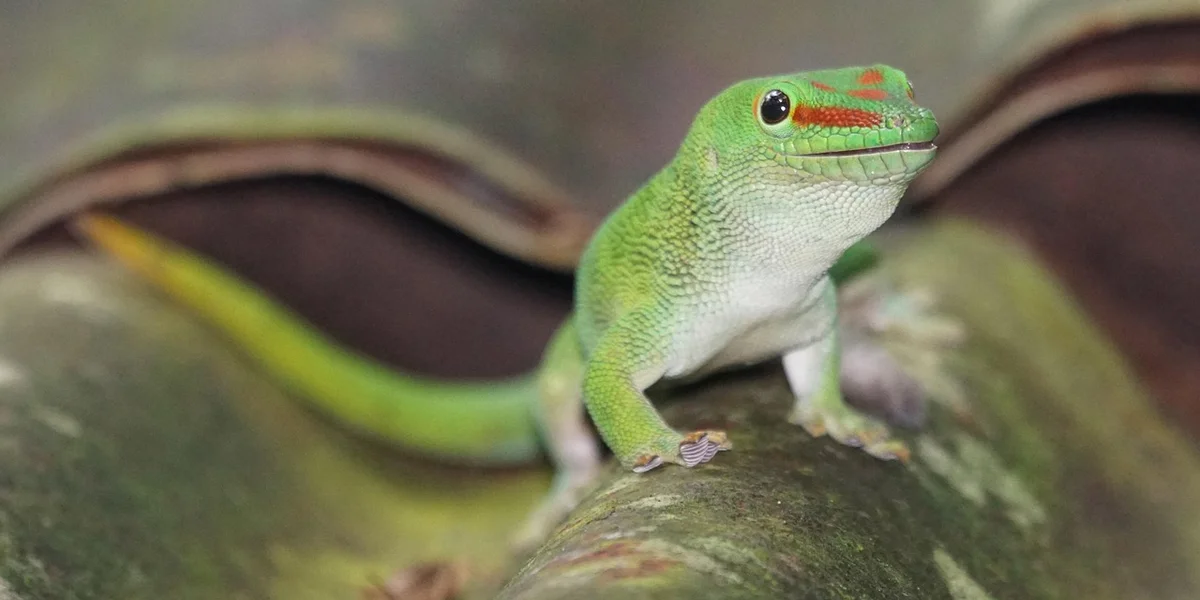
Bringing any animal into your home is a big decision. While geckos are fantastic pets, their success hinges on a realistic match between their needs and your lifestyle. I learned this the hard way when my enthusiasm for a new species briefly outpaced my research. For families with children, safety and proper supervision are essential considerations. This quick guide helps answer whether geckos are good pets for kids and how to keep everyone safe.
Evaluating Your Lifestyle and Commitment
Think of gecko ownership as a long-term, quiet partnership. They won’t bark to go for a walk, but they do demand consistent, specific care.
- Time: You are committing to daily feeding and spot-cleaning, plus weekly deep cleans of the terrarium. This isn’t a pet you can ignore for a few days.
- Handling: Some geckos, like my Crested Gecko Jeter, tolerate gentle handling well. Others, like my African Fat-Tailed A-Rod, see your hand as an invader. You must be okay with a pet you mostly observe.
- Space & Budget: A proper setup isn’t just a small tank. You need vertical space for climbers, horizontal space for walkers, and a budget for thermostats, timers, and specific lighting.
- Longevity: Many geckos live 15-20 years. You are making a multi-decade promise to a fragile life, so be brutally honest with yourself about your future plans.
Best Gecko Species for First-Time Owners
If your self-assessment looks good, these three species are your best starting points. I’ve raised all of them and can vouch for their generally forgiving nature.
| Species | Key Temperament | Care Level | Why They’re Great for Beginners |
|---|---|---|---|
| Leopard Gecko | Docile, curious, ground-dwelling | Easy | They are incredibly hardy, have simple heating needs (under-tank only), and their charming, slow-paced demeanor is perfect for learning handling. My Griffey was my first and taught me so much. |
| Crested Gecko | Calm, jumpy, arboreal (loves to climb) | Easy | They thrive at room temperature, eliminating the need for complex heat lamps. Their complete diet can be a pre-mixed powder, making feeding foolproof. Jeter is so low-maintenance it’s almost unfair. |
| African Fat-Tailed Gecko | Shy, calm, terrestrial | Easy to Intermediate | Similar to Leopard Geckos but often even more placid. They require slightly higher humidity, which is a good, gentle introduction to more nuanced care. A-Rod is a master of relaxation. |
My personal recommendation for an absolute beginner will always be the Leopard Gecko. Their straightforward care requirements and robust health give you a wide margin for error as you learn the ropes of reptile guardianship.
FAQs
How do I introduce a new gecko to its enclosure?
Place your gecko in a quiet, prepared habitat with hides and water, and avoid handling for the first few days to reduce stress. Also consider common household hazards and how to safeguard the enclosure. Keep cords, cleaning products, and other hazards away from the tank to prevent accidents.
What are some common myths about gecko care?
Contrary to popular belief, not all geckos can climb glass, and they do not need sand substrate, which can cause health issues. These are common gecko behavior myths debunked. Knowing the facts helps us care for geckos better.
Where can I find reliable online resources for gecko care information?
Trusted sources include reputable pet care websites, dedicated gecko forums, and scientific databases for species-specific details.
How often should I feed my leopard gecko?
Adult leopard geckos typically eat every 2-3 days, while juveniles require daily feeding with appropriately sized insects.
Can different gecko species be housed together?
It is not recommended, as geckos are often territorial and may exhibit stress or aggression, leading to injury or illness. When cohabitating, breeding risks such as stress, fighting, and unintended pairings increase; best practices emphasize separate housing unless a controlled, supervised breeding setup is planned.
Final Thoughts
Geckos are a wonderfully diverse group of reptiles, each species with its own specific needs for habitat, temperature, and diet. By choosing a species that fits your lifestyle and providing the correct enclosure setup from the start, you set the stage for a long and healthy life for your new pet.
Caring for a gecko is a rewarding, long-term commitment that requires a dedication to learning and adapting. I encourage you to view our website, `Gecko Pet Care`, as a resource on your journey, and to always prioritize the welfare of your unique and fascinating new friend.
Further Reading & Sources
- How to Care for a Pet Gecko
- Leopard Gecko Care Sheet 2025: Habitat, and Handling Tips
- r/leopardgeckos on Reddit: [ Leopard Geckos: An Updated Beginner’s Guide ]
The Gecko Guide is your ultimate resource for gecko enthusiasts, providing expert advice and practical tips to ensure the health and happiness of your scaly companions. Alexander is a passionate gecko owner with over a decade of experience in reptile care. We are dedicated to offering accurate, up-to-date information to support your gecko journey.Our mission is to foster a community of responsible gecko owners who are passionate about the well-being of these fascinating creatures.
Gecko Myths and Facts