
Crested Gecko Growth Rate and Timeline
Published on: April 13, 2026 | Last Updated: April 13, 2026
Written By: Alexander 'Gecko Geek' Johnson
Watching your tiny crested gecko and wondering if it’s growing too slowly is one of the most common worries for a new owner. I’ve been there, anxiously checking on my own gecko, Jeter, every single day.
I’m here to help you understand what’s normal. We’ll break down the entire journey from a fragile hatchling to a majestic adult, so you can stop guessing and start confidently tracking your gecko’s progress.
In this guide, you will learn:
- The key factors that directly control your gecko’s growth speed.
- A clear, month-by-month timeline of what to expect.
- How to spot the difference between a slow grower and a potential health issue.
You’ll get straightforward, experience-based advice to ensure your gecko thrives. We cover: hatchling care, juvenile development, diet specifics, ideal habitat setup, weight milestones, and reaching adulthood.
Crested Gecko Growth Stages: From Hatchling to Adult
The Hatchling Stage: First Few Months
When a crested gecko first hatches, it is incredibly tiny, often weighing just 1.5 to 2 grams. They are delicate and their iconic crests are just small, soft nubs. In my experience, this is the stage where they are most vulnerable and require a quiet, stable environment with plenty of tiny hiding spots. An ideal habitat setup for hatchlings mirrors these needs: a secure, well-ventilated enclosure with plenty of tiny hides and a soft, moisture-retentive substrate. Keeping humidity steady and temperatures mild helps them stay calm and explore safely. Their food needs to be meticulously prepared; I offer a high-quality powdered diet, slightly more watery than for adults, and in a very shallow dish they can’t drown in.
You won’t see dramatic size changes week-to-week at this point. The focus is on consistent weight gain and establishing healthy eating habits. Handling should be kept to an absolute minimum during these first few months to avoid stressing the tiny creature. My gecko, Jeter, was no bigger than my thumbnail when I got him, and patience was the most important tool in my care kit.
The Juvenile Stage: Rapid Growth Phase
This is where the real action starts, typically from about 3 to 8 months old. Your gecko will begin to look less like a hatchling and more like a miniature adult. You will notice their crests becoming more defined and their body length and weight increasing noticeably each month. This is their most rapid growth phase, and their appetite usually reflects that.
I found that Jeter went from being a shy eater to eagerly awaiting his meals during this period.
- Their diet remains primarily the complete powdered diet, but you can introduce tiny, appropriately-sized live insects like pinhead crickets or small dubia roaches.
- This is a great time for very short, gentle handling sessions to build trust.
- You might need to upgrade their enclosure as they become more adventurous climbers.
Providing excellent nutrition is non-negotiable here, as it directly fuels this critical development spurt.
The Subadult Stage: Nearing Maturity
From around 8 to 18 months, your gecko is a subadult. They have most of their length but are still filling out. Growth slows from the frantic juvenile pace, shifting from gaining length to building muscle and body mass. The leopard gecko growth rate is fastest in early life, then tapers as they approach adulthood. This is when their adult patterns and colors become truly vibrant and settled.
This is also the stage where you can often determine sex in males, as hemipenal bulges become prominent. I always advise against housing males together, as territorial behaviors can emerge and lead to stress or injury. Females will start to develop calcium sacs in their mouths, visible as white bulges, which is a sign of a healthy, well-fed gecko storing resources, even if she never lays eggs.
The Adult Stage: Full Size and Beyond
Your crested gecko is generally considered an adult once it reaches 18 to 24 months old and a weight of 35-55 grams. To determine the age of your crested gecko, check hatch date or breeder records if possible. If those aren’t available, you can estimate age from growth markers such as size, development, and tail condition. Growth has now plateaued, and your focus shifts from supporting rapid development to maintaining a healthy weight and condition for the long term. An adult’s tail, if still present, will be thick and robust, acting as a fat storage unit.
Jeter, now a confident adult, maintains his weight effortlessly with a consistent diet. An adult gecko’s life is less about change and more about consistency-a stable environment, a reliable diet, and a predictable routine are the keys to their long-term health and happiness. They can live well into their late teens or even twenties with proper care.
How Fast Do Crested Geckos Grow? The Monthly Timeline
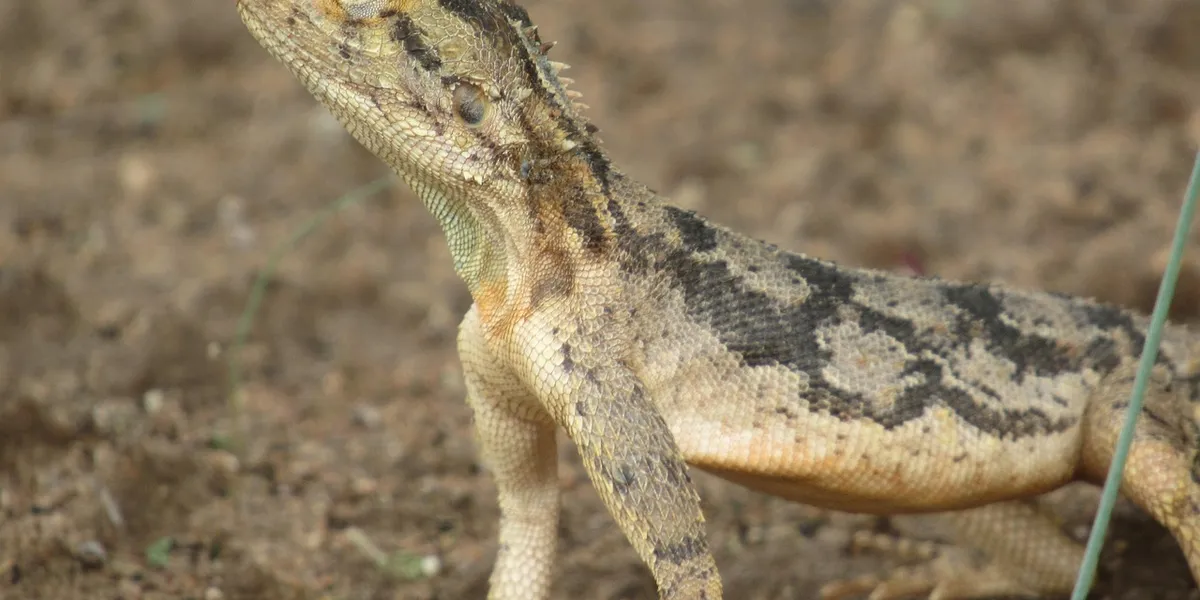
Growth Rate in the First Year
The first year is a wild ride of development. While every gecko grows at its own pace, this timeline gives you a solid benchmark for what to expect. For leopard geckos, this first-year growth milestone calendar serves as a practical care guide. Use it to anticipate milestones and fine-tune feeding, housing, and handling as they grow.
- Hatchling (0-3 months): Weight: 1.5g – 5g. The goal is steady, consistent weight gain, not rapid growth.
- Early Juvenile (3-6 months): Weight: 5g – 15g. You’ll see a noticeable growth spurt. They start to look less fragile.
- Mid Juvenile (6-9 months): Weight: 15g – 25g. This is often the peak of their growth speed. Their crests are clearly visible.
- Late Juvenile (9-12 months): Weight: 25g – 35g. Growth begins to slow as they approach subadult size. They are sturdy and active.
I always recommend weighing your gecko monthly with a small digital gram scale; it’s the most accurate way to track their progress and catch any potential health issues early. A sudden weight loss or plateau can be your first clue that something is wrong.
Growth Beyond One Year to Adulthood
After their first birthday, the growth curve flattens significantly. Leopard geckos progress through distinct life cycle stages—from life cycle stages, to subadult, and finally adult. Recognizing these stages helps explain the growth patterns described below.
- Subadult (12-18 months): Weight: 35g – 45g. They are putting on the final touches, filling out their frame and solidifying their adult coloration.
- Young Adult (18-24 months): Weight: 45g – 55g (or more for some large individuals). Most geckos reach their full length and a stable adult weight during this period.
It’s completely normal for growth to seem to stall during this phase; they are simply done getting longer and are now maintaining their physique. Jeter’s growth slowed to a crawl after about 18 months, and he has maintained a healthy 48 grams for years now. The journey from a fragile hatchling to a robust adult is complete.
Size and Weight Benchmarks: What to Expect as They Grow
Length and Weight by Age
Watching a crested gecko grow is one of the most rewarding parts of being a keeper. Their growth isn’t always a smooth, upward line, and they often hit noticeable plateaus that can make any owner a little nervous. Based on my years with Jeter and others, here’s a general timeline you can use as a guide.
| Age | Average Length (Including Tail) | Average Weight |
|---|---|---|
| Hatchling (0-3 months) | 2.5 – 4 inches | 1.5 – 3 grams |
| Juvenile (3-8 months) | 4 – 6 inches | 4 – 15 grams |
| Sub-Adult (8-12 months) | 6 – 7.5 inches | 16 – 25 grams |
| Adult (12-18+ months) | 7 – 9+ inches | 30 – 50+ grams |
Remember, these are averages. I’ve had geckos that seemed to double in size overnight and others that took their sweet, stubborn time. Weighing them every two weeks with a small digital gram scale is the best way to track real progress and catch any health issues early.
Male vs Female Growth Differences
Sex plays a significant role in their final size and shape. Males often bulk up slightly more and develop a broader, more pronounced jawline and the obvious hemipenal bulges at the base of the tail. They tend to put on weight as muscle.
Females can be just as long, but their body structure is often a bit leaner. A healthy, egg-carrying female will have a plump, rounded abdomen rather than the bulky shoulders of a mature male. Their growth is steady to support future egg production.
Key Factors That Affect Crested Gecko Growth Rate
Diet and Nutrition: Fuel for Growth
You simply cannot out-grow a bad diet. A high-quality Crested Gecko Diet (CGD) powder, mixed fresh every other day, is the absolute cornerstone of proper growth. This complete diet is what my geckos thrive on.
- Primary Staple: CGD powder mixed with water. Offer it consistently.
- Protein Boost: For growing juveniles, offer appropriately sized live insects like crickets or dubia roaches once or twice a week. Always dust them with calcium and vitamins.
- Feeding Schedule: Hatchlings and juveniles need constant access to CGD. Adults can be fed every other day.
I learned the hard way that a gecko that refuses insects isn’t a doomed gecko. As long as they are eagerly eating their CGD, they are getting the nutrition they need to grow.
Temperature and Humidity: Creating the Ideal Environment
These geckos are Goldilocks-they need everything just right. If their environment is off, their metabolism slows to a crawl and growth stalls completely. It’s that simple.
- Ideal Temperature Range: 72°F to 78°F (22°C to 25°C) during the day. A slight drop at night is natural and beneficial.
- Danger Zone: Temperatures consistently above 80°F (27°C) cause severe stress and can be lethal. Below 65°F (18°C) makes them too sluggish to eat and digest properly.
- Humidity Cycle: Spike humidity to 70-80% with a heavy misting at night. Let it dry out to 50-60% during the day. This cycle is critical for hydration and shedding.
A weak shed can constrict toes and tail tips, impeding blood flow. Proper humidity is non-negotiable for healthy, uninterrupted growth.
Enclosure and Handling: Stress and Space
Think of their tank as their entire world. A cramped or barren enclosure causes low-grade stress that directly suppresses appetite and growth. My rule is to upgrade to a 12x12x18″ tank by the time they hit 15 grams, and a full adult 18x18x24″ enclosure after that.
- Vertical Space: They are arboreal. More climbing space means more exercise and better muscle development.
- Clutter is Good: Fill the space with vines, cork bark, and foliage. This makes them feel secure and encourages natural behaviors.
- Handling with Care: Limit handling for juveniles to 5-10 minutes every few days. Too much stress from over-handling can cause them to go off food.
I watch Jeter navigate his well-planted tank with confidence. That feeling of security translates directly into a hearty appetite and steady growth.
Tracking Growth: How to Use a Crested Gecko Growth Chart
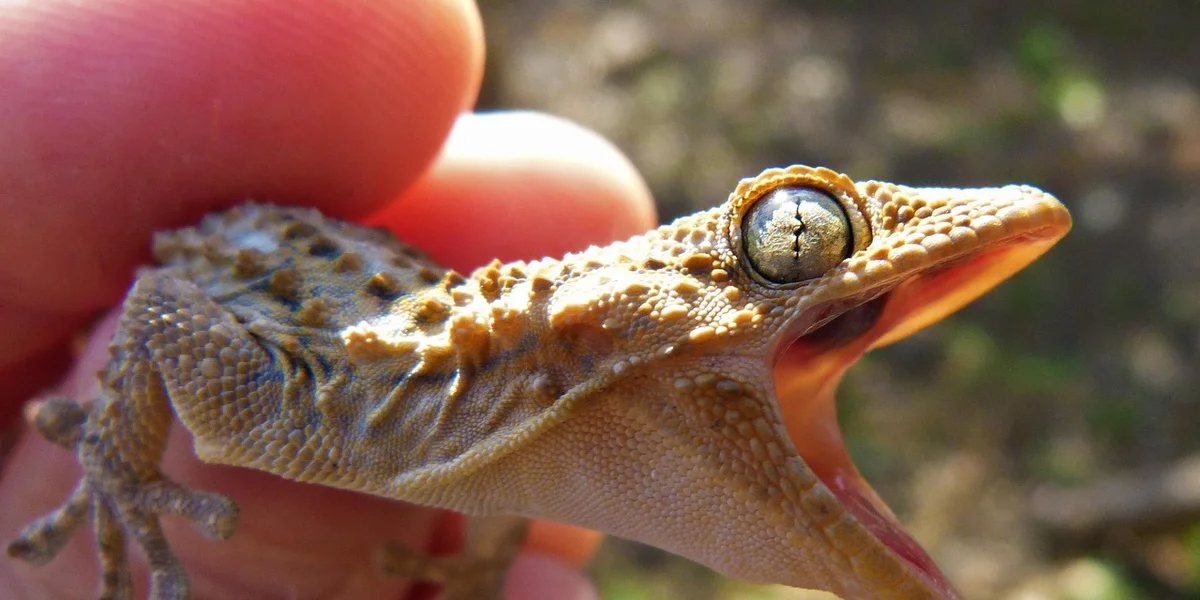
Keeping a simple growth chart transformed how I care for my geckos. It turned guesswork into clear data. This routine tracking is your single best tool for spotting health issues long before they become emergencies. You’ll notice subtle changes in appetite and weight that are easy to miss day-to-day.
Creating Your Own Growth Chart
You don’t need anything fancy. A notebook or a simple spreadsheet works perfectly. I track my crestie, Jeter, in a notes app on my phone. The key is consistency. Weigh your gecko at the same time each week, ideally in the evening before their first feeding.
- Essential Data Points: Date, Weight (in grams), Length (snout-to-vent), Food Consumption Notes, Shedding Status.
- Weighing Method: Use a small digital kitchen scale. Place a deli cup or bowl on the scale, tare it to zero, then gently place your gecko inside.
- Measuring Length: Use a clear plastic ruler beside your gecko while they are on a flat surface. Don’t force them to straighten out.
- Photo Documentation: Take a quick picture each month. Visual comparisons over time are incredibly revealing.
Interpreting Growth Curves and Spurts
A healthy crested gecko growth chart is not a perfectly straight line. It’s a series of climbs and plateaus. Expect to see rapid growth for the first year, followed by a significant slowdown as they approach their full adult size. A growth spurt might look like a 2-3 gram gain in a single week, often followed by a week of no gain at all. Understanding crested gecko weight growth patterns helps you interpret these fluctuations and monitor overall health. With careful tracking, you can spot atypical trends early.
My gecko Jeter packed on grams after every shed for his first eight months. It was his pattern. A consistent, slow upward trend is what you want to see. A flat line for more than three weeks in a young gecko, or a downward trend at any age, is your signal to investigate their diet and habitat.
When Growth Isn’t Normal: Signs and Solutions
Sometimes, despite our best efforts, growth doesn’t follow the ideal path. I’ve learned to look for the physical and behavioral cues that scream for a change in care.
Spotting Underweight or Overweight Geckos
Your eyes and hands are the first diagnostic tools. An underweight gecko will have a very skinny tail that looks like a rat’s tail, and their hip bones may be visible. Perform the “taco test”: a healthy gecko should have a plump, fleshy tail that resembles a full taco, not a deflated one.
An overweight gecko is a less common but serious issue. Look for bulging fat pockets in their armpits and groin. Their tail will be so thick it looks like a sausage and may even drag on the ground. This excess weight puts immense strain on their tiny joints and organs.
Common Growth Problems and How to Address Them
- Failure to Thrive (Stunting): If your gecko is months old but still hatchling-sized, check the temperature first. Crested geckos need room temperatures between 72-78°F. Colder temps halt their metabolism. Next, evaluate their diet. Are you offering a high-quality, complete Crested Gecko Diet (CGD) as their staple? Insects should be treats, not the main course.
- Rapid Weight Loss: This is an urgent issue. Causes range from internal parasites to stress. Immediately ensure your gecko is hydrated and review their enclosure for stressors like excessive noise or an overly aggressive tank mate. A veterinarian visit is often necessary.
- Obesity: This comes from overfeeding, especially high-fat insects like waxworms. Cut back on insect feedings and ensure you are mixing your CGD powder to the correct, watery consistency-it should be like ketchup, not pudding. Encourage movement with a well-decorated enclosure full of branches and vines to climb.
FAQs
What is a crested gecko growth chart?
A crested gecko growth chart is a tool that tracks your gecko’s weight and length over time to monitor development and identify any health issues early. It helps you gauge growth rate and the expected size at different ages, so you can tell if your gecko is growing on track.
What is a crested gecko growth time lapse?
A crested gecko growth time lapse is a visual series of images or videos captured at regular intervals to show the progression from hatchling to adult.
What is the crested gecko growth rate?
The crested gecko growth rate is typically rapid in the first year, with juveniles gaining 5-25 grams, before slowing to a plateau as they reach adulthood. This pace ties into our life cycle milestones complete guide, which walks you through each stage from hatchling to adult and the milestones to expect along the way.
What is a crested gecko growth spurt?
A crested gecko growth spurt is a phase of accelerated growth, often seen in juveniles aged 3-8 months, where they quickly gain weight and size. This growth spurt is a key gecko lifecycle milestone, marking the transition from juvenile to subadult. Recognizing these milestones helps keepers monitor development and health.
What is a crested gecko growth chart for females?
A crested gecko growth chart for females outlines their growth pattern, which tends to be steadier and leaner, focusing on body condition for potential egg-laying. In a juvenile-to-adult transition guide for crested gecko care, these benchmarks inform adjustments to diet, enclosure, and health monitoring as they mature.
Final Thoughts
To ensure your crested gecko grows at a healthy pace, focus on providing a nutritious diet, proper habitat temperatures, and a stress-free environment. Remember that growth isn’t always linear, and each gecko, like my calm and confident Jeter, will develop on its own unique schedule.
Being a great gecko owner means committing to lifelong learning and adapting your care as new information emerges. I find the journey from a tiny hatchling to a full-grown adult incredibly rewarding, and that joy comes from knowing you’re providing a truly wonderful life for your pet.
Further Reading & Sources
- r/geckos on Reddit: How long does it typically take for a crested gecko to reach adult size?
- How Big Do Crested Geckos Get? – Geckopia
- How Big Do Crested Geckos Get? Vet-Reviewed Average Weight & Growth Chart | PangoVet
The Gecko Guide is your ultimate resource for gecko enthusiasts, providing expert advice and practical tips to ensure the health and happiness of your scaly companions. Alexander is a passionate gecko owner with over a decade of experience in reptile care. We are dedicated to offering accurate, up-to-date information to support your gecko journey.Our mission is to foster a community of responsible gecko owners who are passionate about the well-being of these fascinating creatures.
Hatchling & Juvenile Care