
Gargoyle Gecko Care: Simple Heating & Habitat Setup
Published on: June 3, 2026 | Last Updated: June 3, 2026
Written By: Alexander 'Gecko Geek' Johnson
Getting the temperature and humidity wrong is the number one stressor for new gargoyle gecko owners, but with the right setup, it’s surprisingly straightforward to get right.
After years of caring for my own gargoyle gecko, Mookie, I can tell you that nailing their environmental needs is the key to a happy, healthy pet. I’m going to walk you through the essentials so you can feel confident.
You’ll learn three crucial things:
- The exact temperature range your gecko needs to thrive, not just survive.
- How to create the perfect humidity cycle for healthy shedding.
- Why some common heating methods are dangerous and which safe alternatives I recommend.
By the end of this guide, you’ll have a crystal-clear, step-by-step plan. We’re covering: species overview, ideal temperature gradients, humidity requirements, heating equipment options, lighting needs, and enclosure setup.
What Is a Gargoyle Gecko?
Meet the Gargoyle Gecko, scientifically known as Rhacodactylus auriculatus. These charming reptiles hail from the lush, tropical forests of New Caledonia, a group of islands in the South Pacific. They are a fantastic pet for both beginners and seasoned enthusiasts.
Their appearance is simply captivating. You will find them in a stunning array of colors including shades of gray, brown, orange, and even near-white. Their patterns can be striped, banded, or blotched. My own Gargoyle Gecko, Mookie, is a beautiful “Red Blotch” morph, showcasing a gray base coat splashed with vibrant red patches. They have a slightly bumpy, velvety skin texture and a prehensile tail they can drop and regrow if startled.
Gargoyle Geckos are strictly nocturnal, meaning they sleep during the day and become active at dusk. In the wild, they are arboreal, spending their lives climbing and hiding among the trees and dense foliage. This is the opposite of a terrestrial gecko like a Leopard Gecko, which prefers the ground. Their nighttime lifestyle means you will be treated to the sounds of them climbing and exploring after you have turned off the lights, which is typical for nocturnal geckos.
I will never forget the first night I brought Mookie home. I thought he would be shy, but as soon as the room went dark, he was off! I watched him use his incredible grip to scale the smooth glass walls of his terrarium with spider-like agility. He now has a nightly ritual of leaping from his favorite cork round to a branch, a graceful display that always makes me smile.
Do Gargoyle Geckos Need Heat?
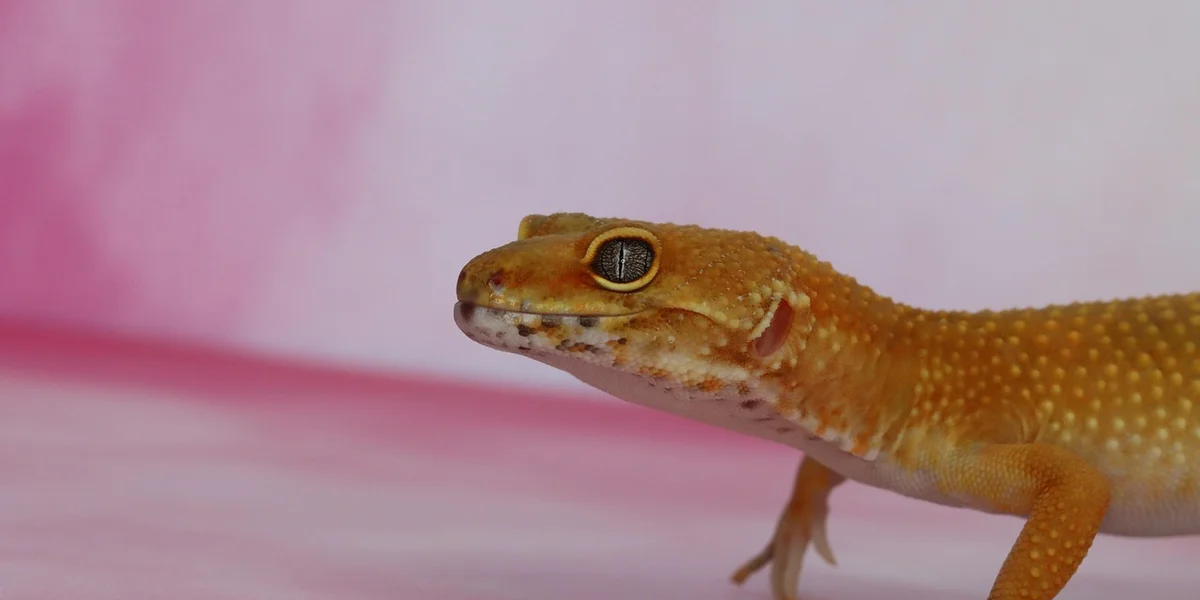
Yes, Gargoyle Geckos do need a heat source, but they are not basking lizards that require intense, desert-like heat. They thrive in moderate, ambient warmth that mimics their forest canopy home, especially during the night when many reptiles require extra warmth.
Getting the temperature right is one of the most important parts of their care. An environment that is too cold will cause digestive issues and lethargy, while an environment that is too hot can be fatal.
- Daytime Temperature Range: 72°F to 78°F (22°C to 26°C)
- Nighttime Temperature Range: A slight drop to 65°F to 72°F (18°C to 22°C) is perfectly acceptable and natural.
You have two main options for providing this warmth, but one is significantly better suited for their needs.
- Heat Lamp (Ceramic Heat Emitter): This is my preferred and recommended method. A Ceramic Heat Emitter (CHE) screws into a standard lamp fixture and produces heat without any light, which is perfect for a nocturnal animal. It warms the air from above, creating a gentle temperature gradient. The main pro is that it mimics the sun warming the treetops. The con is that you must use it with a thermostat.
- Heat Pad (Under Tank Heater): These pads stick to the bottom or side of the glass. While sometimes used for terrestrial geckos, they are less ideal for arboreal Gargoyles. The major con is that Gargoyle Geckos spend most of their time climbing, not sitting on the ground, so a bottom heat source is largely ineffective and can even be a burn risk if not properly regulated.
Using a thermostat with any heat source is non-negotiable for your gecko’s safety. This device automatically regulates the output of your heater to prevent it from overheating and creating a dangerous situation. It is the single most important piece of equipment for your heating setup. When shopping for the best thermostat gecko heating equipment, look for precise temperature control and reliable safety shutoffs. These features help maintain a stable, safe enclosure for your pet.
Step-by-Step Guide to Setting Up Heating
- Purchase a low-wattage Ceramic Heat Emitter (e.g., 25-60 watts) and a dome lamp fixture.
- Buy a reliable on/off or pulse thermostat.
- Place the lamp fixture on the mesh top of the terrarium, positioned over one side to create a warmer area.
- Plug the CHE into the thermostat, and plug the thermostat into the wall outlet.
- Place the thermostat’s probe in the terrarium, hanging it in the area where you want to monitor the temperature.
- Set the thermostat to your desired temperature (e.g., 75°F). It will now cycle the heat emitter on and off to maintain that temperature.
- Always use at least two digital thermometers-one in the warm area and one in the cool area-to double-check your temperatures.
Setting Up the Perfect Enclosure
Getting the enclosure right is your first and most important step to a happy gargoyle gecko. I’ve found that a well-planned habitat prevents most common health and stress issues before they even start.
Terrarium Size and Type
These are arboreal geckos, meaning they love to climb, so height is more important than floor space.
- Baby/Juvenile (under 15 grams): A 12″x12″x18″ tall terrarium is perfect. It makes finding food easier and helps you monitor their health.
- Adult (15+ grams): Upgrade to a minimum of an 18″x18″x24″ tall enclosure. My gecko, Mookie, became far more active and explorative once I moved him into his larger, adult home.
Front-opening glass terrariums are my top recommendation. They are less disruptive than reaching in from the top, which can scare your gecko.
Substrate Options
The bottom of the enclosure needs to hold moisture but also be safe if accidentally ingested.
- My Preferred Mix: Organic, fertilizer-free potting soil mixed with sphagnum moss. This holds humidity beautifully and is plant-friendly.
- Simple & Safe: Paper towel. It’s not pretty, but it’s 100% safe for juveniles and quarantine situations. I always use it for new geckos.
- Avoid: Loose particle substrates like sand, bark chips, or gravel. They can cause impaction if eaten and don’t hold humidity well.
Essential Enclosure Items
Think of the terrarium as a vertical playground. You need to fill that space!
- Hides: Provide at least two-one placed high up and one on the ground. Cork bark rounds and coconut hides work wonderfully.
- Climbing Branches: Use a variety of branch diameters. Mookie loves leaping between a thick, sturdy branch and a thinner, flexible vine.
- Foliage: Use plenty of fake or live plants (like Pothos or Snake Plants) to create visual barriers and cover. This makes them feel secure.
- Water Dish: Always provide a shallow dish of fresh water, even though they will likely drink water droplets from leaves after misting.
Lighting Needs
This is a common area of confusion. Gargoyle geckos are crepuscular, meaning they are most active at dawn and dusk, so their lighting needs are simple.
They do not require special UVB lighting to survive, as they get their vitamin D3 from their complete diet (CGD). However, many advanced keepers, including myself, now use low-output UVB lights. It can promote natural behaviors and is a great supplemental benefit, but it is not a strict requirement for basic care.
A standard low-wattage LED or fluorescent plant light on a 12-hour on/off cycle is perfectly sufficient to regulate their day/night rhythm.
Simple Setup Checklist
Before you bring your gecko home, make sure you have all of this:
- Appropriately sized tall glass terrarium
- Safe substrate (paper towel or soil mix)
- Two or more hides (high and low)
- An assortment of climbing branches and vines
- Fake or live plants for cover
- Shallow water and food dishes
- A simple light on a timer
Managing Humidity for Healthy Geckos
Humidity is the make-or-break factor in gargoyle gecko care. Get it wrong, and you’ll face shedding problems and respiratory infections. Getting it right, however, creates a tropical paradise that mimics their natural New Caledonian home.
Optimal Humidity Range
You are aiming for a cycle, not a constant number.
- Allow the humidity to spike to 70-80% during and after misting.
- Let it dry out to around 50% before you mist again.
- This daily fluctuation is crucial for proper hydration and shedding.
Misting Techniques and Frequency
I mist my gargoyle gecko enclosures twice a day.
- Morning: A heavy misting to simulate morning dew, soaking the leaves and sides of the glass.
- Evening: A lighter misting before the lights go out to bump humidity for the night.
Use a hand spray bottle or a reptile misting system. The goal is to see water beads on all the leaves for them to drink.
Monitoring Tools
Do not guess the humidity. A digital hygrometer is a non-negotiable $10 investment for any reptile owner. The analog dial types are often inaccurate. Place the probe in the middle of the enclosure for the best reading.
Preventing Mold and Maintaining Balance
High humidity can lead to mold if the enclosure is stagnant.
- Ventilation: Ensure your screen top provides adequate cross-ventilation.
- Springtails: I add a culture of these “clean-up crew” insects to my bioactive setups. They are harmless and eat mold and waste, keeping the enclosure fresh.
- Don’t Over-Soak Substrate: You want the surface and leaves wet, but the lower layers of substrate should not be a soupy mess.
Feeding Your Gargoyle Gecko
Feeding your gargoyle gecko is wonderfully straightforward, and getting it right is one of the most impactful things you can do for their health. In this complete gargoyle gecko diet feeding guide, you’ll find clear recommendations on what to offer, how to balance nutrients, and how often to feed. Following these guidelines helps ensure optimal growth, energy, and overall well-being.
Their diet is primarily built on two pillars: a high-quality commercial gecko diet (CGD) and live insects as a supplemental treat.
The Core Diet: Commercial Food and Insects
- Commercial Gecko Diet (CGD): This is the absolute staple. Reputable brands like Pangea or Repashy offer complete powdered diets you mix with water. My geckos go wild for the “Crested Gecko Diet” with insects flavors.
- Live Insects: Offer these once or twice a week for variety and enrichment. Excellent choices include small crickets, dubia roach nymphs, and black soldier fly larvae.
The Non-Negotiable: Gut-Loading and Supplementation
Never feed a bare insect to your gecko. It’s like serving an empty calorie snack.
- Gut-Loading: 24-48 hours before feeding, feed your insects a nutritious diet of veggies (like carrots and leafy greens) and a commercial gut-load product. This transfers nutrients to your gecko.
- Calcium Supplementation: Right before offering insects, dust them lightly with a pure calcium powder. I do this for every insect feeding.
- With D3: Once every two weeks, I use a calcium powder that includes Vitamin D3 to aid in calcium absorption, especially since they are not in direct sunlight.
Feeding Schedule by Age
- Juveniles (Under 1 year): Offer a fresh mix of CGD every single day. They are growing fast and need constant access to food. Provide insects 2-3 times per week.
- Adults (Over 1 year): Offer a fresh mix of CGD every other day. You can provide insects once a week as a tasty bonus. My adult Mookie gets his “cricket day” every Sunday and he knows it!
Safe and Unsafe Foods
- Safe (as occasional treats): Mashed ripe banana, unsweetened applesauce, or papaya. Always offer these sparingly alongside their CGD.
- Unsafe (Never Feed): Citrus fruits (orange, lemon), avocado, iceberg lettuce, and fireflies-which are highly toxic. Stick to the proven CGD and safe insects for 99% of their diet.
Handling and Understanding Behavior
Building a bond with your gargoyle gecko is a slow, rewarding process that requires immense patience and respect for their nature.
They are not cuddly pets, but with time, they can learn to tolerate and even enjoy brief handling sessions.
Tips for Gentle Handling and Building Trust
- Let Them Come to You: Never grab your gecko. Place your flat hand slowly in the terrarium and let them walk onto you voluntarily.
- Handle in a Secure Area: Always handle them low over a soft surface like a bed or couch. They are incredible jumpers and a fall from your height can be devastating.
- Keep Sessions Short: Start with just 5-10 minutes every other day. Keep it positive and end the session before they show signs of stress.
- Move Slowly and Confidently: Quick movements will scare them. Be a calm, steady tree for them to climb on.
Common Gargoyle Gecko Behaviors
- Climbing: They are arboreal and love to climb every surface, glass included! Provide plenty of branches and foliage.
- Hiding: Don’t be alarmed if they spend all day tucked away in a cork round. This is completely normal, safe behavior for a prey animal.
- Licking: They constantly lick their eyes (they don’t have eyelids!) and their surroundings to gather information. It’s fascinating to watch.
My Gecko is Out During the Day! What Do I Do?
Do not panic. While they are crepuscular (most active at dawn/dusk), it is perfectly normal for them to be out during the day sometimes.
They might be adjusting to a new environment, looking for food, or just feeling secure enough to explore. As long as they appear healthy, there is no cause for concern. Just let them be.
A Personal Handling Experience
When I first got Mookie, he would immediately leap from my hand. I was discouraged, but I persisted with short, calm sessions. Now, over a year later, he will calmly walk onto my hand, crawl up my arm, and sit on my shoulder for 15 minutes while I read. The trust we’ve built didn’t happen overnight, but the patience was worth every second. It teaches you to move at their pace, not your own.
Health and Common Issues to Watch For
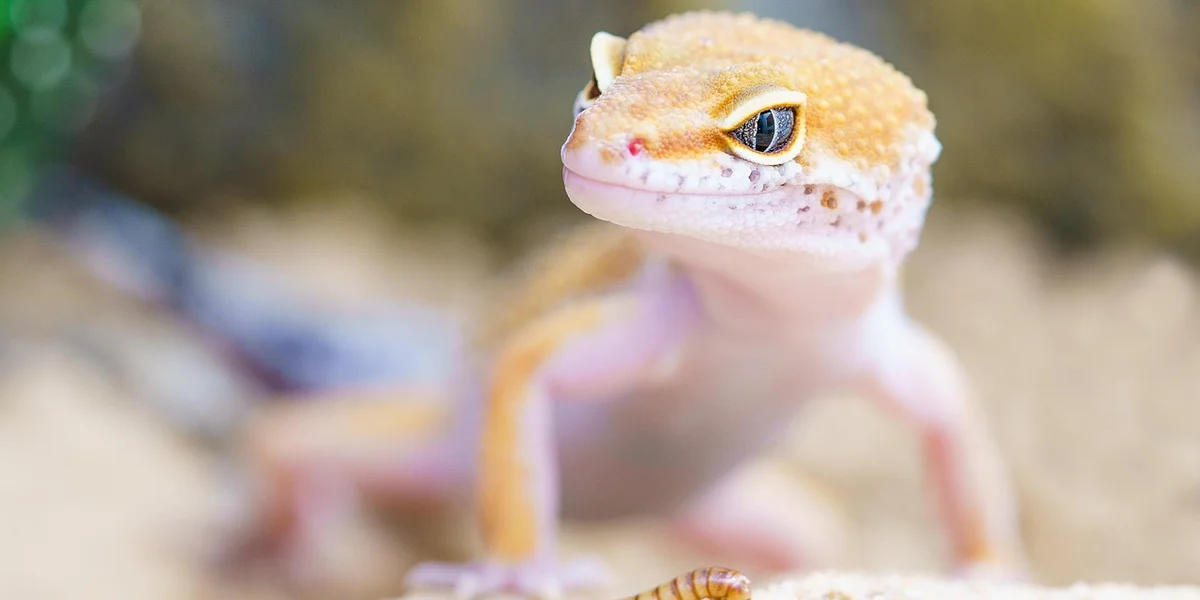
Keeping a close eye on your gargoyle gecko’s health is one of the most important parts of being a good owner. I’ve learned that catching a problem early often makes the difference between a simple fix and a major vet visit. Your gecko can’t tell you it feels sick, so you have to become a detective.
Signs of Illness
Be on the lookout for these red flags. A healthy gargoyle gecko is alert, has bright, clear eyes, and a plump tail for storing fat.
- Lethargy: A gecko that is consistently inactive, doesn’t move at night, or is unresponsive is a major concern.
- Weight Loss: A skinny body or a thin, pinched tail means your gecko isn’t eating enough or can’t absorb nutrients.
- Loss of Appetite: Refusing food for more than a few days is not normal for these usually food-motivated lizards.
- Stuck Shed: Old skin, especially stuck on the toes or tip of the tail, can cut off circulation and lead to loss of those body parts.
- Runny or Discolored Stool: Healthy poop is firm with a white urate. Anything else can indicate parasites or other internal issues.
- Labored Breathing or Mucus around the Nostrils: This can be a sign of a respiratory infection, often caused by incorrect humidity or temperatures.
Shedding Problems and Solutions
Gargoyle geckos shed their skin regularly as they grow. In my experience, most shedding issues are directly tied to incorrect humidity levels in the enclosure. If the air is too dry, the skin won’t come off in one clean piece. Keeping humidity steady helps. This is the key to creating the perfect habitat humidity for easy gecko shedding.
- The Solution: Ensure your humidity spikes to around 70-80% during evening misting. If you see stuck shed, do not pull it off! Instead, create a simple “sauna.” Place your gecko in a small, ventilated container with a warm, damp paper towel for 10-15 minutes. The steam will loosen the skin, and they will usually rub it off themselves.
When to Consult a Vet
Don’t play a guessing game with your pet’s health. You should contact a reptile-savvy veterinarian immediately if you notice any injury, prolonged loss of appetite, visible parasites, or signs of a respiratory infection. It is always better to be safe and get a professional opinion.
Advocate for Regular Health Checks
I make it a habit to do a quick physical check on my geckos, like Mookie, every time I handle them. Gently feel their body and tail for good weight, check their toes for stuck shed, and look into their eyes and mouth for any abnormalities. This proactive habit helps you learn what is normal for your specific gecko, so you’ll spot the abnormal right away.
Buying and Adopting Your Gargoyle Gecko
Bringing a new gargoyle gecko home is an exciting step. The choice between buying from a breeder and adopting is a personal one, but both deserve careful consideration.
Compare Costs of Buying vs. Adopting
- Buying from a Breeder: You can expect to pay between $150 and $400, sometimes more for rare morphs. The benefit is knowing the gecko’s full history, genetics, and often getting a younger, hand-tamed animal.
- Adopting from a Rescue: Adoption fees are typically much lower, ranging from $30 to $80. You are giving a second chance to a gecko in need. The potential downside is that you may not know its full history or health background.
Tips for Choosing a Healthy, Captive-Bred Gecko
Always, without exception, choose a captive-bred gecko. Wild-caught geckos are often stressed, loaded with parasites, and their capture harms wild populations. This choice sits at the center of the broader ethical health showdown between wild-caught vs captive-bred geckos. By prioritizing captive-bred stock, buyers support animal welfare and reduce disease risk while protecting wild populations. When you pick your gecko, look for these signs of health:
- Clear, bright eyes with no swelling or crust.
- A rounded, plump body and a fat, fleshy tail (this is their energy reserve!).
- Alert and curious behavior. It should not be limp or lethargic.
- Clean vent with no stuck substrate or discoloration.
- All toes and the very tip of the tail should be intact with no old shed constricting them.
Briefly Touch on Long-Term Care Commitment
Before you bring one home, look at that cute face and remember the commitment. A healthy gargoyle gecko can live for 15 to 20 years in captivity. That’s two decades of providing proper food, a clean home, and veterinary care. They are a long-term companion, not a short-term novelty.
Common Questions
Is gargoyle gecko care difficult for beginners?
Gargoyle geckos are considered one of the best pet reptiles for beginners due to their hardy nature and simple dietary needs. They are often listed among the top 5 beginner geckos for first-time owners. This makes them a reliable starting point for anyone new to reptile care.
Do I need to add supplements to my gecko’s commercial diet?
No, a high-quality Commercial Gecko Diet (CGD) is a complete and balanced food that contains all the necessary vitamins and minerals on its own.
Why is my gargoyle gecko out during the day?
It is perfectly normal for a healthy gecko to be occasionally active during the day, often to look for food or simply explore a secure environment. However, if daytime activity becomes unusual or constant, it may indicate stress or illness. In such cases, monitor patterns and consider consulting a reptile veterinarian to distinguish normal vs abnormal gecko behaviors from abnormal behavior.
Where can I find a reliable gargoyle gecko care guide?
Reputable breeders and dedicated reptile care websites often provide detailed care sheets and guides, sometimes in downloadable PDF format.
What is the most important thing to know about a gargoyle gecko care sheet?
The most critical information is the specific temperature and humidity ranges, as improper environmental conditions are the leading cause of health issues.
Your Gargoyle Gecko Care Blueprint
To keep your gargoyle gecko thriving, focus on moderate warmth and consistent moisture. Aim for a temperature gradient between 72-78°F, using a low-wattage heat source like a ceramic heat emitter if your room gets cooler. By arranging your heat source and hides to form a clear gradient, you can create the perfect temperature gradient for your gecko enclosure. A well-maintained gradient lets your gargoyle gecko thermoregulate effectively. Never use hot rocks, and always provide a humid hide and daily misting to support healthy shedding and hydration.
Caring for a living creature is a rewarding, long-term commitment. Your gecko relies entirely on you for its wellbeing, so always stay curious, ask questions, and be ready to adapt your care as new information and your own experience grows.
Further Reading & Sources
- Gargoyle gecko enclosure heating | Our Reptile Forum
- r/GargoyleGeckos on Reddit: Gargoyle gecko heat help
- Crested Gecko Heating | Gargoyle gecko heat pad and temperature info
The Gecko Guide is your ultimate resource for gecko enthusiasts, providing expert advice and practical tips to ensure the health and happiness of your scaly companions. Alexander is a passionate gecko owner with over a decade of experience in reptile care. We are dedicated to offering accurate, up-to-date information to support your gecko journey.Our mission is to foster a community of responsible gecko owners who are passionate about the well-being of these fascinating creatures.
Gecko Care Guides