
Leopard Gecko Growth Rate and Timeline: How Fast Do They Grow?
Published on: April 13, 2026 | Last Updated: April 13, 2026
Written By: Alexander 'Gecko Geek' Johnson
Watching your leopard gecko grow can be both exciting and nerve-wracking, leaving you wondering if their size and development are on the right track. I’ve been there with my own gecko, Griffey, constantly checking if his growth spurts were normal.
I’m here to help you understand the typical growth journey. We’ll look at the key factors that influence their development so you can provide the best care.
- Measurable size and weight milestones from hatchling to adult.
- The critical feeding and habitat needs for healthy growth.
- Clear signs that indicate if your gecko’s development is healthy or a cause for concern.
You’ll get clear, actionable advice based on both established herpetology and my own hands-on experience. This article covers: growth stages, weight chart, feeding for growth, tank setup, and health troubleshooting.
Leopard Gecko Growth Stages and Development
Watching a leopard gecko grow is one of the most rewarding parts of pet ownership. Each stage brings unique changes in size, behavior, and care needs that you’ll love observing up close. I’ve raised my leopard gecko Griffey from a tiny hatchling, and I’ll share insights from that journey to guide you through the four key life phases.
Hatchling Stage: The First 3 Months
Hatchlings start life incredibly small and delicate, but their growth is astonishingly fast. These little ones can double in size within weeks if fed and cared for properly, so consistent attention is vital. I remember Griffey as a hatchling-he was no bigger than my pinky finger, yet he ate like a champion and shed his skin every week or two.
- Age Range: 0 to 3 months
- Typical Body Length: 3 to 4 inches
- Tail Growth: Thin and often not fully plump; stores minimal fat
- Key Behaviors: Frequent hiding, rapid movement, and daily feeding on small insects like pinhead crickets
- Milestones: First shed within days of hatching, weight gain of 1-2 grams per week
Juvenile Stage: 4 to 12 Months
Juveniles hit noticeable growth spurts and become more adventurous. This is when their unique morph patterns, like Griffey’s High Yellow spots, really start to pop and define their appearance. You’ll see them exploring more and developing a hearty appetite for larger prey.
- Age Range: 4 to 12 months
- Typical Body Length: 5 to 7 inches
- Tail Growth: Thickens significantly as fat reserves build
- Key Behaviors: Increased activity, curious climbing, and diet shifts to medium-sized insects
- Milestones: Body length increases by about an inch per month, morph colors intensify
Subadult Stage: 1 to 1.5 Years
Growth slows down here, but subadults are maturing into their adult forms. The tail filling out is a sure sign they’re storing energy for adulthood, and you might notice early courtship behaviors if they’re reaching sexual maturity. Griffey’s tail became robust and carrot-shaped during this phase, showing he was thriving.
- Age Range: 1 to 1.5 years
- Typical Body Length: 7 to 8 inches
- Tail Growth: Nearly full and plump, indicating good health
- Key Behaviors: More territorial displays, reduced growth speed, and stabilized feeding routines
- Milestones: Sexual maturity signs emerge, growth rate drops to about 0.5 inches per month
Adult Stage: 1.5+ Years
Adults have reached their full size, and growth plateaus into maintenance. From hatchling to adult, crested geckos typically experience a rapid growth period in the first 6-9 months, then slow and stabilize around 12-18 months. This growth pace can vary with diet, genetics, and overall care. Males often grow slightly larger and heavier than females, so don’t be surprised if your boy gecko ends up being the “big guy” of the terrarium. Griffey, now a proud adult, maintains his weight with ease and enjoys lazy basking sessions.
- Age Range: 1.5 years and beyond
- Typical Body Length: 8 to 10 inches for males, 7 to 8 inches for females
- Tail Growth: Fully plump and wide, serving as a fat reserve for lean times
- Key Behaviors: Calmer demeanor, established territories, and focus on weight maintenance rather than gain
- Milestones: Growth stops, breeding readiness in females, and lifelong size stabilization
Leopard Gecko Growth Rate and Timeline
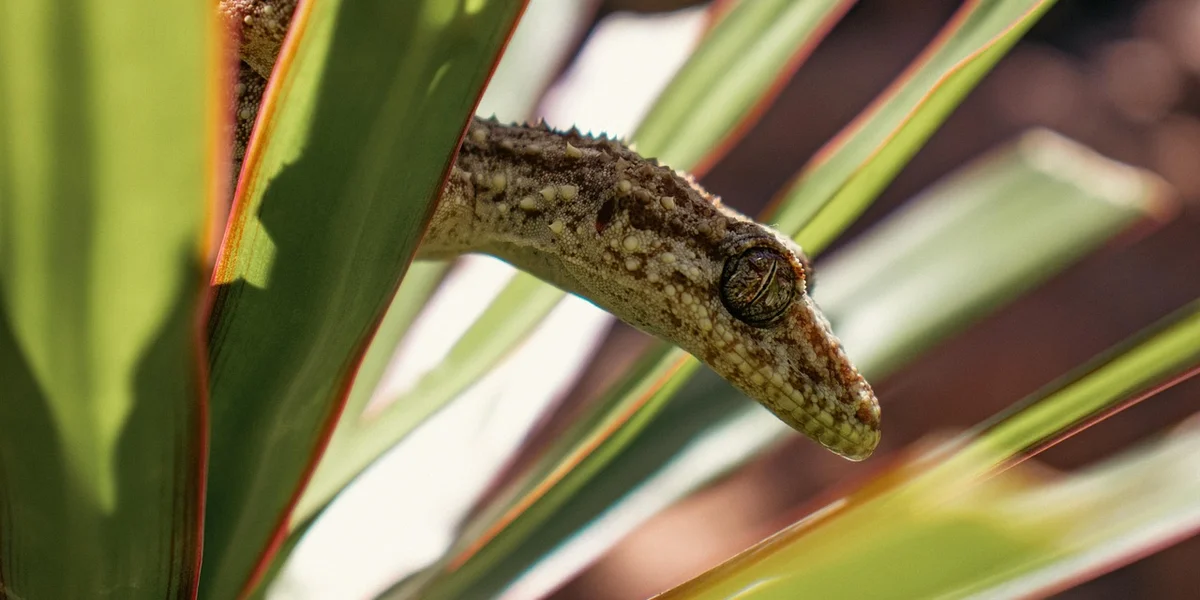
To give you a clear picture of how fast leopard geckos grow, I’ve put together a descriptive chart based on averages and my experience with Griffey. The first year is a whirlwind of change, with the most rapid growth happening in those initial months. This table will help you track milestones and ensure your gecko is on the right path. In the broader world of reptiles, leopard geckos are among the faster growers for their size, but growth rates vary by species. Some other gecko species grow even more quickly, while others take longer to reach full size.
| Age (Months) | Average Body Length (Inches) | Average Weight (Grams) | Key Growth Notes |
|---|---|---|---|
| 0-1 | 3-4 | 2-4 | Fastest growth period; weight can double monthly |
| 2-6 | 4-6 | 10-25 | Peak growth spurts; tail starts to thicken |
| 7-12 | 6-8 | 30-50 | Growth slows slightly; juvenile patterns solidify |
| 13-18 | 8-9 | 50-70 | Near-adult size; tail fills out completely |
| 19+ | 8-10 | 60-80 | Growth plateaus; focus shifts to health maintenance |
Notice how the first six months show the most dramatic changes. If your gecko isn’t hitting these general markers, it might be time to check their diet or habitat setup for any issues. Always prioritize a balanced diet and proper heating to support that incredible growth journey. In the crested gecko life cycle milestones complete guide, these early stages are explained in detail to help you anticipate the next phases. The guide walks you through egg, hatchling, juvenile, and adult milestones, with care tips for each step.
Key Factors That Affect Leopard Gecko Growth Speed
Your gecko’s growth isn’t just about time. It’s a direct result of the care you provide, with several key factors working together to fuel their development. Getting these elements right is the difference between a thriving gecko and one that’s just getting by. Understanding growth rate, expected size, and age milestones helps you tailor care as they mature. It also alerts you when adjustments in feeding or enclosure are needed.
Diet and Nutrition Impact
Think of feeder insects as the building blocks for your gecko’s body. I’ve seen my gecko, Griffey, pack on healthy weight quickly when I offer a varied, gut-loaded diet. A boring, single-insect menu just won’t cut it for proper growth. A diversifying diet guide with 10 safe feeder insects for geckos can help you plan a varied, balanced menu. Rotating different safe insects keeps nutrition complete and mealtime interesting.
- Feeder Variety: Don’t just rely on crickets. Rotate with dubia roaches, black soldier fly larvae, and occasional treats like waxworms. Variety provides a broader range of nutrients.
- Gut-Loading is Non-Negotiable: Feed your insects nutritious foods like carrots, sweet potato, and leafy greens 24-48 hours before offering them to your gecko. A well-fed insect is a vitamin-packed meal.
- Supplement Schedule: Dust insects with a pure calcium supplement at almost every feeding. Then, add a calcium + D3 powder 2-3 times a week, and a multivitamin once a week. This prevents Metabolic Bone Disease, which can stunt growth.
Temperature and Environmental Effects
Leopard geckos can’t create their own body heat. The warmth you provide directly controls their metabolism and their ability to digest food and grow. An improper temperature gradient is one of the most common reasons for slow growth.
- Basking Spot is Key: You must have an under-tank heater or heat mat regulated by a thermostat on one side of the tank. This creates a basking surface temperature of 88-92°F (31-33°C). This heat helps them digest efficiently.
- Create a True Gradient: The warm side should have the heated floor. The cool side should be around 70-77°F (21-25°C). This allows your gecko to self-regulate its temperature.
- Nighttime Drops are Fine: Temperatures can safely drop into the high 60s°F (around 20°C) at night. This mimics their natural environment and does not hinder growth.
Genetics and Morph Influence
You can provide perfect care, but genetics set the final blueprint. While you control the environment, your gecko’s DNA determines their maximum potential size and growth rate.
- Giant and Super Giant Morphs: These geckos are bred specifically for larger size. They often grow faster and ultimately larger than a normal leopard gecko.
- Standard Morphs: Most pet leopard geckos fall into this category. Their growth is more directly tied to the quality of husbandry you provide.
- The Bottom Line: Think of genetics as the ceiling for growth, and your care as the ladder they use to reach it. Even a gecko with ‘average’ genetics can reach a robust, healthy size with excellent care.
How to Measure and Track Your Gecko’s Growth
Guessing based on looks is unreliable. Accurate tracking with simple tools takes the mystery out of their development and alerts you to potential health issues early. I keep a small notebook for Griffey, and it’s helped me fine-tune his care over the years.
Weighing Your Gecko
This is the most sensitive measure of growth. You will need a small digital kitchen scale that measures in grams.
- Place a small, empty plastic container or deli cup on the scale and press “Tare” to reset it to zero.
- Gently place your gecko inside the container. Having sides prevents them from immediately walking off.
- Record the weight in grams once the number stabilizes. Do this quickly to minimize stress.
Measuring Body Length
Length (Snout to Vent or SVL) is a good secondary measurement. You don’t need fancy tools.
- Encourage your gecko to walk in a straight line on a flat, non-slip surface.
- As they stretch out, use a soft tailor’s measuring tape or a piece of string to measure from the tip of their nose to the base of their tail (the vent).
- If using string, mark the length and then measure it against a ruler.
Keeping a Growth Log
Data is useless if you don’t record it. Consistency is more important than frequency; a monthly check-in provides a clear picture of their progress.
- Method: Use a simple notebook, a notes app on your phone, or a spreadsheet.
- What to Record: Date, Weight (grams), SVL Length (inches/cm), and any notes on body condition or behavior.
- Why it Matters: This log will show you their growth curve. A sudden weight loss or a long plateau signals it’s time to review your husbandry.
Signs of Healthy vs. Problematic Growth
Watching your leopard gecko grow is one of the most rewarding parts of being an owner. Knowing what to look for helps you catch small issues before they become big problems. Here’s a quick side-by-side comparison to keep on hand.
| Healthy Growth Signs | Problematic Growth Signs |
|---|---|
| Steady, consistent increase in length and weight | Sudden weight loss or a complete growth stall |
| Clear, complete sheds every 1-2 weeks (for juveniles) | Stuck shed, especially on toes and around the eyes |
| A thick, plump tail that acts as a fat store | A thin, bony, or shriveled tail |
| Alert, curious behavior during the evening | Lethargy; hiding constantly, even at night |
| Strong, consistent appetite | Refusing food for multiple feeding sessions |
Normal Growth Indicators
When a gecko is thriving, it shows. You’ll see a wonderful transformation from a tiny hatchling to a robust adult. My gecko Griffey was a perfect example of healthy development, shedding his skin like clockwork and always ready for his next meal. Look for these positive signs, especially when your gecko is still a hatchling.
- Consistent Shedding: A growing gecko will shed frequently. You’ll find little translucent skins crumpled in the enclosure.
- Alert Behavior: They should be active in the evening, exploring their hides and showing interest in movement.
- Proportional Tail Growth: The tail should get wider and fatter in line with the body. This is their energy bank!
- Bright, Clear Eyes: Their eyes should be shiny and free of any crusty material.
Abnormal Growth Warning Signs
Some issues scream for immediate attention. I learned this the hard way with my gecko A-Rod, who went through a stubborn hunger strike. Bony hip bones visible from above are one of the most urgent red flags, indicating significant weight loss. Don’t ignore these warnings.
- Visible Hip Bones: If the pelvic bones are prominent and sharp, your gecko is underweight.
- Lethargy: A gecko that stays in one spot all the time, even at night, is not well.
- Refusal to Eat: Missing a meal is okay. Refusing food for a week is a major concern.
- Stunted Size: If your gecko is much smaller than others of the same age, it points to long-term care issues.
Optimizing Growth with Proper Care and Feeding
You are the biggest factor in your gecko’s growth journey. Providing the right environment and nutrition is the ultimate act of responsible pet ownership. Follow this routine to give your gecko the best shot at a long, healthy life.
- Offer the Right Prey. Feed appropriately sized insects. For juveniles, use small crickets or dubia roaches. Adults can handle larger prey.
- Gut-Load Everything. Never feed a naked insect. Feed your feeder insects nutritious greens and commercial gut-load food 24 hours before offering them to your gecko. This passes the nutrients on.
- Supplement Religiously. This is non-negotiable. Dust insects with a pure calcium powder at every feeding. Use a calcium powder with D3 two times a week. Offer a multivitamin once a week.
- Maintain Perfect Temperatures. A proper heat gradient is crucial for digestion. The warm side of the tank should have a basking spot of 88-92°F. A cool side around 70-75°F lets them thermoregulate.
- Provide Security. A stressed gecko won’t eat. Ensure they have at least three hides: one on the warm end, one on the cool end, and a moist hide in the middle to aid with shedding.
What to Do If Your Leopard Gecko’s Growth is Slow
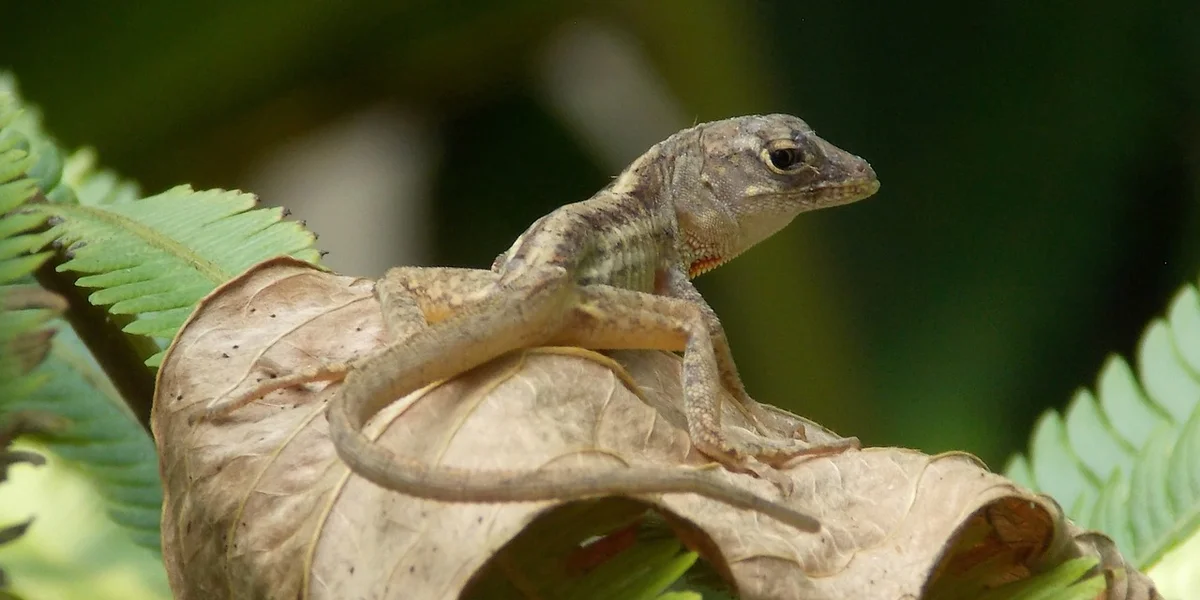
Seeing your gecko lag behind in growth can be worrying. I’ve been there with a rescue gecko, and it’s a stressful feeling. The first and most critical step is to schedule a check-up with a reptile-savvy veterinarian. Underlying health issues, especially internal parasites, are a common and often invisible cause of stunted growth.
Common Culprits and Their Fixes
Once a vet gives the all-clear, you can start troubleshooting at home. Slow growth almost always traces back to a few key areas.
1. Diet and Nutrition Overhaul
This is usually the main event. A poor diet will stall growth faster than anything.
- Gut-Load Your Insects: Do not feed your gecko hungry, nutrient-empty insects. I always gut-load my feeders with high-quality veggies like squash and commercial gut-load food for at least 24 hours before feeding.
- Supplement Properly: You need two types of powder. A pure calcium supplement (without D3) should be available in a small dish inside the tank at all times. A multivitamin and calcium-with-D3 powder should be dusted onto their food. I use a schedule: one feeding with calcium+D3, the next with multivitamin, and so on.
- Offer a Variety: Don’t just rely on crickets. Mealworms, dubia roaches, and black soldier fly larvae are fantastic staples that offer different nutritional profiles.
2. Environmental Fine-Tuning
Your gecko’s home directly impacts its ability to digest food and thrive.
- Check Belly Heat: Leopard geckos need a warm surface to digest their food. Use an under-tank heater connected to a thermostat. The floor temperature on the warm side should be 88-92°F. Place your hand flat on the substrate-it should feel pleasantly warm, not hot.
- Review Your Setup: Is the tank too big and open for a young gecko? This can cause stress. Make sure you have at least three hides (warm, cool, and humid) and clutter like fake plants to make them feel secure.
- Double-Check the Thermometer: Don’t trust the cheap stick-on gauges. I use a digital thermometer with a probe right on the basking spot. An inaccurate reading can mean your gecko is living in a temperature that prevents proper digestion.
Hatchling vs. Adult: Choosing Your Leopard Gecko
This is one of the biggest decisions a new owner faces. I’ve raised geckos from hatchlings, like my energetic Griffey, and I’ve also provided a home for adult geckos like my more reserved A-Rod. Both are wonderful, but they offer very different experiences.
The Hatchling Experience (Under 6 Months)
Watching a tiny gecko grow into its patterns is a magical process.
- Pros: You get to witness their entire life journey. Their colors and patterns can change dramatically. You can shape their temperament through regular, gentle handling from a young age.
- Cons: They are more fragile and require a more meticulous feeding schedule. Their personalities are still developing, so you don’t know if you’re getting a social butterfly or a shy hide-dweller. You must be extra vigilant about their growth and health.
The Adult Advantage (1+ Years)
An adult gecko is a known quantity, which has its own unique appeal.
- Pros: Their full size, color, and personality are already established. What you see is what you get. They are hardier and have a more settled feeding routine. You are also giving a home to a gecko that might otherwise be overlooked, which is a deeply rewarding act of animal welfare.
- Cons: You miss the cute baby phase. An adult gecko with a history of poor handling may be more skittish and require patience to build trust.
| Consideration | Hatchling | Adult |
|---|---|---|
| Ideal For | An owner wanting a “start-to-finish” journey, who has time for daily care. | A first-time owner, a busier person, or someone who wants a known personality. |
| Handling | Requires gentle, frequent handling to become tame. | Personality is already set; may be immediately handleable or may need retraining. |
| Commitment | High initial monitoring; a 15-20 year commitment. | Shorter overall commitment, but still a decade or more. |
My personal advice? If you are a first-time owner, an adult gecko can be a more forgiving and less stressful introduction to gecko care. You can always fall in love with a hatchling for your second pet. For those curious about the juvenile-to-adult transition guide in crested gecko care, a concise transition guide can help you plan evolving needs as your gecko grows. That way, you’re prepared for changes in diet, enclosure, and humidity through the juvenile-to-adult phase. The most important thing is choosing the life stage that fits your lifestyle, ensuring you can provide a fantastic home for years to come.
Common Questions
How can I tell if my leopard gecko’s growth is stunted?
Your gecko’s growth is likely stunted if it is significantly smaller than average for its age, has visible hip bones, and a thin, bony tail. Understanding crested gecko weight growth patterns can help you interpret these signs. Regularly weighing your gecko and noting changes over time can reveal whether growth is on track.
What should a leopard gecko growth chart include?
A comprehensive growth chart should track monthly age against average body length in inches and weight in grams to monitor progress.
At what age does a leopard gecko’s growth typically plateau?
Leopard gecko growth usually plateaus and stops completely after they reach adulthood at around 1.5 years old.
Why might my juvenile leopard gecko’s growth rate suddenly slow down?
A sudden slowdown can be caused by improper temperatures hindering digestion, an inadequate diet, or the onset of a health issue like parasites.
How does a giant leopard gecko growth chart differ from a standard one?
A giant leopard gecko growth chart shows faster initial growth and higher final weight and length milestones compared to standard morphs. This data supports the leopard gecko’s first year complete growth milestone calendar, providing a practical month-by-month framework for tracking progress from hatchling to adult. By following these milestones, owners can ensure healthy development through the first year.
Your Gecko’s Growth Journey
To ensure your leopard gecko grows at a healthy pace, focus on three core pillars: a nutritious, varied diet, a properly heated habitat, and consistent, gentle monitoring. Their growth from a tiny hatchling to a robust adult isn’t a race, but a steady journey heavily influenced by the quality of care you provide every single day.
Owning a gecko is a long-term commitment to a living creature that depends entirely on you. I encourage you to view this not as a chore, but as an ongoing opportunity to learn and provide an even better life for your pet. As you care for your gecko, you’ll observe milestones in its lifecycle—from hatchling to juvenile to adult—and tracking these can guide your care decisions. Understanding these milestones helps you tailor feeding, lighting, and health checks at each stage. Stay curious, connect with other owners, and always strive to refine your care practices.
Further Reading & Sources
- Leopard Gecko Size: How Big Does a Leopard Gecko Get? – A-Z Animals
- How Fast Do Leopard Geckos Grow? – Growth Guide – Pets Gal
- Leopard Gecko Growth Chart and Development Stages
The Gecko Guide is your ultimate resource for gecko enthusiasts, providing expert advice and practical tips to ensure the health and happiness of your scaly companions. Alexander is a passionate gecko owner with over a decade of experience in reptile care. We are dedicated to offering accurate, up-to-date information to support your gecko journey.Our mission is to foster a community of responsible gecko owners who are passionate about the well-being of these fascinating creatures.
Hatchling & Juvenile Care