
Safe and Unsafe Foods for Your Leopard Gecko
Published on: April 19, 2026 | Last Updated: April 19, 2026
Written By: Alexander 'Gecko Geek' Johnson
Staring into your leopard gecko’s terrarium and wondering if you’re feeding them the right things can be genuinely stressful. I’ve been there with my own gecko, Griffey, and I know that one wrong snack can lead to big health problems.
I’m going to help you cut through the confusion. By the end of this guide, you’ll feel confident about what to put in your gecko’s food dish. We will cover:
- The core insects that should form the basis of a healthy diet.
- Common foods that are surprisingly dangerous and must be avoided.
- Simple techniques for feeding that ensure your gecko thrives.
You are about to get straightforward, experience-based advice you can use right away. This article covers safe feeder insects, dangerous foods to avoid, proper feeding schedules, and essential supplementation.
Understanding Leopard Gecko Dietary Basics
Leopard geckos are pure insectivores, which means their bodies are built to process and thrive on a diet of insects. Their entire digestive system, from their sharp little teeth to their relatively short gut, is designed to handle the chitin and protein found in bugs, not the cellulose in plants. In the wild, they are opportunistic hunters, but in our homes, we become their sole providers. My gecko, Griffey, is a perfect example of an insectivore in action; his energy and perfect sheds are a direct result of a proper insect-based diet.
What Leopard Geckos Eat in the Wild
If you could peek into the rocky, arid landscapes they call home, you’d see a much more varied menu than we typically offer. Their wild diet is a wide-ranging buffet of whatever small prey is available.
- Spiders and scorpions
- Beetles and other hard-shelled insects
- Young crickets and grasshoppers
- Any other small arthropod they can catch
While this wild diet is diverse, it’s neither safe nor practical to replicate in captivity, where we can control nutrition and avoid pesticides.
Captive Diet Essentials
Feeding your leopard gecko in captivity boils down to two non-negotiable rules. First, all food must be live; their hunting instinct is key to their well-being. Second, never offer fruits, vegetables, or meat. Do leopard geckos require live food for proper nutrition? Yes—live prey provides the protein and moisture they rely on. I’ve found that offering a rotation of three to four different feeder insects keeps my geckos interested and ensures they get a broader spectrum of nutrients. A varied diet prevents picky eaters and nutritional gaps.
Safe Foods for Leopard Geckos
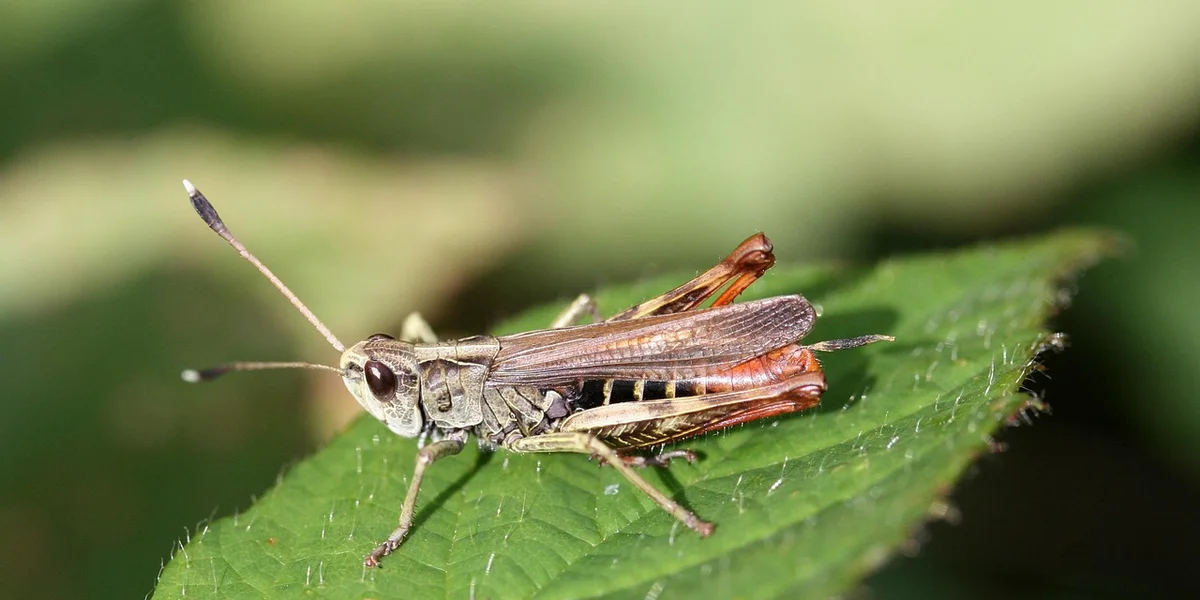
Providing a safe and nutritious diet is the cornerstone of good gecko care. The best feeders are “gut-loaded,” meaning they’ve been fed a nutritious diet themselves 24-48 hours before being offered to your gecko. This passes those nutrients directly to your pet. Watching my gecko Mookie leap and climb after a wriggling cricket is a joy; it provides both a meal and essential enrichment.
Staple Feeder Insects
These are the workhorses of your gecko’s diet and should make up the majority of their meals. Each has its own benefits and quirks. A complete gargoyle gecko diet feeding guide will show you how to balance these with fruit, nectar, and supplements for a well-rounded diet. It also covers portion sizes and feeding frequency tailored to your gecko’s needs.
- Crickets: Great for encouraging hunting behavior due to their movement. They are decently nutritious but can be noisy and smell if not managed properly.
- Dubia Roaches: My personal favorite. They are meatier, more nutritious, and can’t climb smooth surfaces or jump, making them easy to contain.
- Locusts: Another excellent, active feeder. They are a good size for adult geckos and are very nutritious, though they can be pricier and harder to find.
- Black Soldier Fly Larvae (Calciworms®): A fantastic choice because they have a nearly perfect calcium-to-phosphorus ratio, reducing the need for heavy dusting.
Occasional Treat Insects
These insects are like candy for geckos-high in fat and incredibly tempting. Overfeeding these is the fastest way to an obese gecko with serious health problems. My gecko Babe would live on these if he could, and his already chubby tail would become a serious health concern.
- Waxworms: The ultimate gecko junk food. They are addictive and very fatty.
- Butterworms: Similarly high in fat with a tempting smell that geckos adore.
- Superworms: Larger and have a tougher exoskeleton. They should only be given to large adult geckos and only rarely.
How to Offer Treats Safely
Treats have a place, but that place is very small. Follow these steps to keep your gecko healthy and happy.
- Limit treats to just one or two insects per week.
- Never offer treats two days in a row.
- If your gecko refuses its staple food, stop all treats until it is eating its regular diet again.
- Always monitor your gecko’s body condition; a plump tail is good, a bulging, round belly is not.
Sticking to this treat schedule prevents your gecko from holding out for its favorite fatty snack and ensures it gets the balanced nutrition it needs.
Unsafe Foods to Avoid Completely
Feeding the wrong item, even once, can have serious consequences for your gecko. Stick to the safe list of feeder insects to keep your pet out of the veterinary emergency room. To help you apply a complete feeding guide by species, we will cover what each gecko should eat. We will also explain how much and how often to feed for balanced nutrition.
- Citrus Fruits (oranges, lemons): The high acidity causes severe stomach upset and digestive tract irritation.
- Avocado: Every part of this fruit is toxic to reptiles and can lead to serious health issues or death.
- Onions and Garlic: These contain compounds that can cause oxidative damage to red blood cells, leading to anemia.
Plants and Fruits
Leopard geckos are insectivores, meaning their bodies are built to process chitin and protein, not plant matter. Their digestive systems completely lack the ability to break down fibrous fruits and vegetables. I learned this the hard way when a well-meaning family member tried to offer my gecko, Jeter, a tiny piece of grape. It resulted in a messy cleanup and a lesson learned. These foods will rot in their gut, leading to impaction and severe illness.
- Grapes and Berries
- Lettuce and Spinach
- Carrots or Corn
- Any type of flower or leaf
Other Dangerous Items
It’s not just about the food itself, but also where it comes from. Wild-caught insects are a ticking time bomb due to potential pesticide exposure and internal parasites. Safe feeding means choosing insects from reputable suppliers or rearing your own prey and avoiding anything wild or unknown. Never feed your gecko insects that could be toxic, contaminated, or pesticide-laden. I never, ever feed my geckos anything I find in the yard. You also want to avoid feeding them any form of mammalian prey, like pinky mice. While some large geckos can eat them, they are far too fatty for a leopard gecko’s liver and can cause obesity.
- Fireflies (extremely toxic and often fatal)
- Insects from your garden or home
- Pinky mice or other rodent prey
- Insects that glow, sting, or smell foul
How to Feed Your Leopard Gecko
Proper feeding is more than just dropping bugs in a tank. A good feeding routine ensures your gecko gets all the necessary nutrients without any of the stress. My gecko A-Rod is a picky eater, so I’ve had to get creative with presentation, while Jeter will eat anything that moves. Watch your gecko’s body language-a slow, deliberate stalk means they’re engaged.
- Only offer prey that is smaller than the space between your gecko’s eyes.
- Use shallow feeding dishes to prevent escapes and make hunting easier.
- Always provide a shallow water dish with fresh water, as geckos will drink by lapping it up.
- Feed during the evening or early morning when your gecko is naturally most active.
Gut-Loading Feeder Insects
Gut-loading is like packing a nutritious lunch for your feeder insects, which then gets passed on to your gecko. You are what you eat, and your gecko is what its food eats. I do this 24-48 hours before feeding time to ensure the bugs are full of good stuff.
- Place your feeder insects (like crickets or roaches) in a separate container.
- Provide them with high-quality gut-loading food, such as commercial gel or fresh veggies like squash and sweet potato.
- Include a water source, like a water gel or a slice of potato, to keep the insects hydrated.
- Let them feast for at least a day before offering them to your gecko.
Dusting with Supplements
Even a well-fed insect needs a boost to provide complete nutrition. Dusting is the simplest way to prevent Metabolic Bone Disease, a common and devastating illness. I keep two shaker bottles right by my gecko tanks so I never forget this crucial step.
- Place a few feeder insects in a plastic bag or a small deli cup.
- Add a tiny pinch of calcium powder (with D3) or a multivitamin powder.
- Gently shake the container until the insects are lightly coated, like donut holes in powdered sugar.
- Offer the dusted insects to your gecko immediately.
Feeding Frequency by Age
A growing gecko has a huge appetite, while adults need a more measured diet to stay healthy. Adjusting portion size and frequency is key to supporting their life stage. My adult gecko, A-Rod, gets a little chunky if I overfeed, so I keep a close eye on his tail size.
| Age | Frequency | Portion Size |
|---|---|---|
| Baby (0-4 months) | Every day | 5-8 small insects |
| Juvenile (4-12 months) | Every other day | 8-10 medium insects |
| Adult (12+ months) | 2-3 times per week | 8-10 appropriately sized insects |
Supplements for a Healthy Diet
In the wild, geckos get a vast array of nutrients from the varied diet they hunt. In our homes, we must replicate that nutritional completeness through careful supplementation. The two most critical supplements are calcium and vitamin D3. Calcium is the building block for strong bones and is vital for preventing Metabolic Bone Disease (MBD), a debilitating and painful condition. Vitamin D3 allows your gecko to actually absorb that calcium. There’s a key difference between calcium with D3 and calcium without D3. If your gecko has reliable UVB exposure, calcium without D3 can be adequate; otherwise, a calcium supplement with D3 will help ensure absorption and prevent MBD.
My gecko, Griffey, gets his insects dusted with a calcium powder before almost every meal. I keep a small dish of pure calcium powder in his terrarium at all times, which he will lick from as his body needs it. This is a simple routine that gives me immense peace of mind, knowing he can self-regulate this crucial mineral.
Choosing the Right Supplements
Navigating the supplement aisle can be confusing, but it boils down to a few key products. Here is a simple breakdown of what you will need.
- Calcium without D3: Use this for dusting insects at most feedings. It’s the staple of your supplement routine.
- Calcium with D3: Use this powder once or twice a week. The D3 aids calcium absorption, especially for geckos without access to specialized UVB lighting.
- Multivitamin: A good reptile multivitamin provides a spectrum of other essential vitamins and minerals. I use one for Griffey about once a week.
The key is to lightly coat the insects, creating a “ghostly” or “chalky” look, not a thick, clumpy mess. You want your gecko to eat the supplement, not wear it.
Common Feeding Mistakes and Fixes
We all want the best for our scaly friends, but some common feeding habits can accidentally cause harm. Recognizing these errors is the first step to a healthier gecko. In this guide, we’ll cover common gecko feeding problems and how to solve them. With practical tips, you’ll learn how to adjust feeding habits for a thriving pet.
- Mistake: Feeding insects that are too large.
Fix: Always follow the prey size guideline. An insect that is too big can cause impaction or regurgitation. - Mistake: Offering a single type of insect.
Fix: Rotate between gut-loaded crickets, dubia roaches, and mealworms for variety and balanced nutrition. - Mistake: Leaving too many uneaten insects in the tank.
Fix: Remove any uneaten prey after 15 minutes. Loose crickets can stress or even bite your gecko. - Mistake: Forgetting to provide fresh water.
Fix: A shallow, sturdy water dish with clean water must be available 24/7.
Prey Size Guidelines
Getting the prey size right is non-negotiable for safe feeding. The golden rule is simple: no single insect should be wider than the space between your leopard gecko’s eyes. This ensures the food can be swallowed and digested safely.
For a juvenile gecko, this means offering pinhead crickets or small mealworms. An adult gecko, like my Griffey, can comfortably handle adult crickets and large mealworms. I always watch the first bite to make sure he’s not struggling. If you see your gecko repeatedly shaking its head or struggling to swallow, the insect is almost certainly too big. It’s a clear sign to downsize immediately.
Signs of Food-Related Health Issues
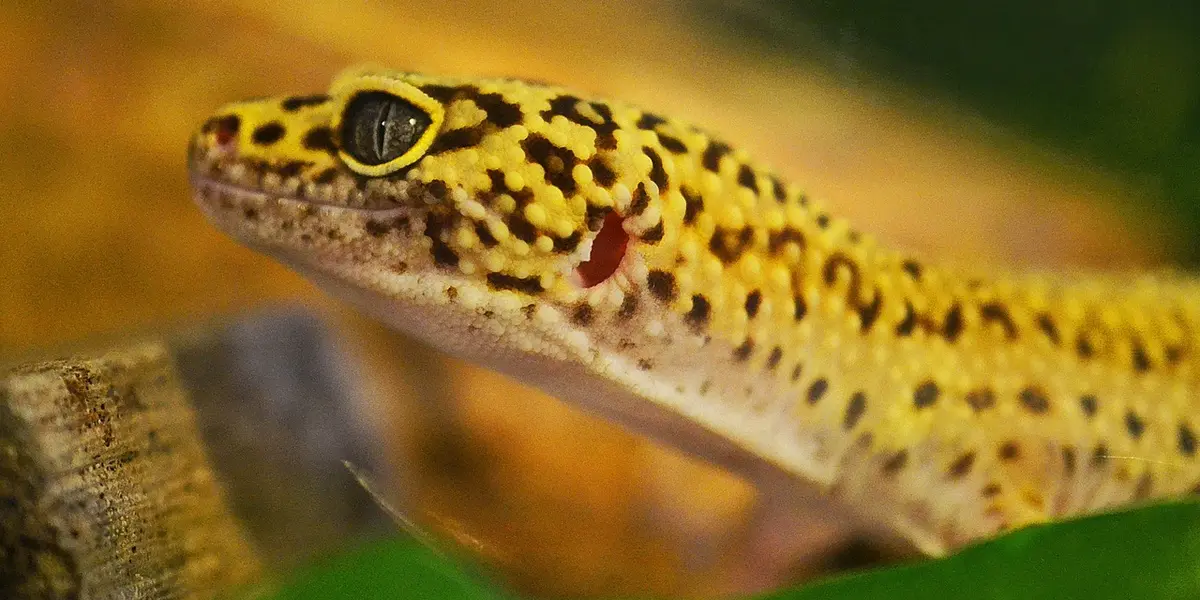
One of the scariest moments in my gecko-keeping life was with my leopard gecko, Griffey. He stopped eating and became lethargic. I learned the hard way that recognizing the early signs of a problem can save your gecko’s life. You need to be a detective for your pet’s health.
Impaction is a serious blockage in the gut, often caused by eating something too large, indigestible, or from loose substrate. Watch for these red flags:
- No bowel movements for over a week.
- A noticeable, hard lump in the lower abdomen.
- Lethargy and a lack of interest in food.
- Dragging the back legs or an unusual gait.
- Regurgitating food.
Malnutrition can be a slower, sneakier enemy. It often stems from a poor variety of feeder insects or a lack of proper supplementation. Your gecko might show:
- Visible spine or hip bones (a sign of being underweight).
- A thin, stick-like tail instead of a plump, fat-storing one.
- Weakness, tremors, or difficulty climbing.
- Swollen or soft jaw, a sign of Metabolic Bone Disease (MBD).
- Dull skin and a general lack of vibrancy.
If you see any combination of these symptoms, especially those related to impaction, it is an immediate cue to contact a reptile veterinarian. Do not try to solve a potential impaction at home with olive oil baths or other internet remedies without professional guidance. I waited a day too long with Griffey, and it resulted in a very expensive, stressful emergency vet visit. Your quick action is their best chance.
Quick Leopard Gecko Diet Chart
Keeping track of what to feed and when can feel overwhelming. This simple chart is my go-to reference, taped right to the side of my gecko enclosures for a quick glance. It takes the guesswork out of mealtime.
| Food Type | Safe (Staple) | Safe (Treat) | Unsafe / Never Feed | Feeding Frequency |
|---|---|---|---|---|
| Insects | Dubia roaches, Crickets, Black Soldier Fly Larvae | Mealworms, Silkworms, Hornworms | Fireflies, Wild-caught insects, Butterworms, Lightning bugs | Juvenils: Daily Adults: Every 2-3 days |
| Other Foods | – | – | Fruits, Vegetables, Dog/Cat Food, Meat | – |
| Supplements | Calcium (without D3) in a dish, Calcium with D3 dusted on food | Multivitamin dusted on food | Human vitamin supplements | Calcium: Most feedings Multivitamin: 1-2 times per week |
Remember, the size of the prey matters just as much as the type. A good rule is to never offer an insect wider than the space between your leopard gecko’s eyes. This prevents the impaction risks we just talked about. Variety is the spice of a healthy gecko’s life, so rotate through those staple and treat insects to keep their diet balanced and interesting.
Common Questions
Can leopard geckos eat fruits or vegetables?
No, leopard geckos are strict insectivores and cannot digest fruits or vegetables, which can cause serious digestive issues. Knowing why leopard geckos vomit can help identify whether they ate something inappropriate or have a digestive issue, and guide proper care.
What is a simple leopard gecko diet plan for beginners?
A simple beginner diet consists of feeding gut-loaded crickets or dubia roaches dusted with calcium powder 2-3 times a week for adults.
How does a leopard gecko’s diet in the wild differ from a captive diet?
While wild geckos eat a varied diet of spiders, beetles, and other arthropods, a captive diet focuses on controlled, safe, and nutritionally supplemented feeder insects. It’s important to diversify their diet with a range of safe feeder insects to ensure balanced nutrition.
How should I use a leopard gecko diet chart?
Use a diet chart as a quick reference to identify staple feeder insects, occasional treats, and unsafe foods to ensure dietary variety and safety.
Why is it often recommended on forums like Reddit to avoid feeding mealworms as a staple?
Mealworms have a higher fat content and a tougher chitin exoskeleton compared to other staples, making them less ideal as a primary food source for everyday meals.
Final Words
Stick to a core diet of live insects like crickets and dubia roaches, always dusted with the right supplements. Among the best live insects for geckos are gut-loaded crickets and dubia roaches, sized to your gecko’s age and appetite. These staples meet protein and calcium needs and form the foundation of a healthy feeding plan. Variety is not just the spice of life for your gecko; it’s the key to preventing nutritional deficiencies. Steer completely clear of fruits, vegetables, and any wild-caught bugs to avoid serious health issues.
Owning a gecko is a long-term commitment to their well-being. Your journey as a pet owner doesn’t end here-stay curious, keep researching, and never hesitate to consult a reptile-savvy veterinarian. The more you learn, the better life you can provide for your scaly friend.
Further Reading & Sources
- Leopard Gecko Food Guide: What Can They Eat?
- Leopard Gecko Complete Food Guide – Zen Habitats
- What Do Leopard Geckos Eat? – Dragon’s Diet
The Gecko Guide is your ultimate resource for gecko enthusiasts, providing expert advice and practical tips to ensure the health and happiness of your scaly companions. Alexander is a passionate gecko owner with over a decade of experience in reptile care. We are dedicated to offering accurate, up-to-date information to support your gecko journey.Our mission is to foster a community of responsible gecko owners who are passionate about the well-being of these fascinating creatures.
Gecko Nutrition & Feeding