
What is Dysecdysis in Reptiles and How is it Treated?
Published on: December 25, 2025 | Last Updated: December 25, 2025
Written By: Alexander 'Gecko Geek' Johnson
If you’ve spotted your reptile struggling to shed its skin completely, you’re likely facing dysecdysis-a common but worrisome issue that can lead to serious health problems if ignored.
As a reptile enthusiast with geckos like Griffey and Jeter, I’ve handled shedding troubles firsthand and will guide you through simple, effective solutions. You’ll learn the essentials to keep your scaly friend healthy and comfortable.
Here are the key takeaways we’ll cover:
- What dysecdysis is and the main reasons it occurs in reptiles.
- How to recognize early signs before the situation worsens.
- Proven treatment steps I’ve used safely with my own pets.
By the end, you’ll have a clear action plan to address shedding issues with confidence. Topics include: What dysecdysis is, Common causes, Symptoms to watch for, Treatment methods, Prevention tips
What Exactly is Dysecdysis?
Think of dysecdysis as a bad, incomplete shed. It’s when your gecko can’t successfully peel off its old skin in one piece. This isn’t just a cosmetic issue; stuck skin can cut off circulation, especially on delicate areas like toes and the tail tip. A healthy shed should come off like a seamless sock. A problematic one leaves behind patches of dry, constricting material.
What Causes Dysecdysis in Geckos?
Getting to the root cause is your first step to fixing the problem and preventing it from happening again. Most cases of stuck shed boil down to a few key areas where their care has slipped. Let’s break down the usual suspects.
Environmental Culprits
This is, by far, the most common reason I see for shedding troubles. Your gecko’s habitat is their whole world, and if it’s off, their skin will tell you.
- Low Humidity: This is the number one offender. Geckos need a humid microclimate to loosen their old skin. My Crested Gecko, Jeter, gets a noticeable humidity spike in his tank when he’s in “blue” (pre-shed). Without it, the skin dries and sticks like old glue.
- No Humid Hide: Even in a well-set-up tank, a dedicated humid hide is non-negotiable. It’s a simple box filled with damp moss or paper towels that gives them a perfect, self-service spa for shedding.
- Incorrect Temperatures: If their belly is too cold, their metabolism slows down. A sluggish gecko can have a sluggish, incomplete shed. Make sure their warm hide is at the proper species-specific temperature.
- Lack of Rough Surfaces: Geckos use texture to help rub and peel the old skin off. A smooth-sided tank with no branches or rocks gives them nothing to scratch against.
Nutrition and Health Factors
Sometimes, the problem comes from the inside out. What your gecko eats (or doesn’t eat) directly impacts the health of their new skin. Being mindful of the 9 common gecko feeding mistakes that compromise health can help you prevent issues and keep their shedding smooth.
- Vitamin A Deficiency: This is a huge one. Vitamin A is critical for healthy skin cell development and the shedding process. I always use a reputable multivitamin that contains vitamin A or its precursor, beta-carotene, to prevent this.
- General Malnourishment: A gecko that isn’t eating a balanced, gut-loaded insect diet won’t have the resources to build strong, healthy new skin underneath the old.
- Dehydration: A gecko that isn’t drinking enough water is starting the shed process with a major disadvantage. Their skin will be less pliable and more likely to tear and stick.
- Underlying Illness or Injury: Parasites, infections, or even a past injury can disrupt the normal shedding cycle in that area. If a single spot is consistently problematic, it’s a red flag.
- Old Age: Just like us, older geckos can have a harder time with processes that were once easy. My Giant Day Gecko, Babe, needs a little more attention during his sheds now than he did as a youngster.
How to Spot Dysecdysis Symptoms
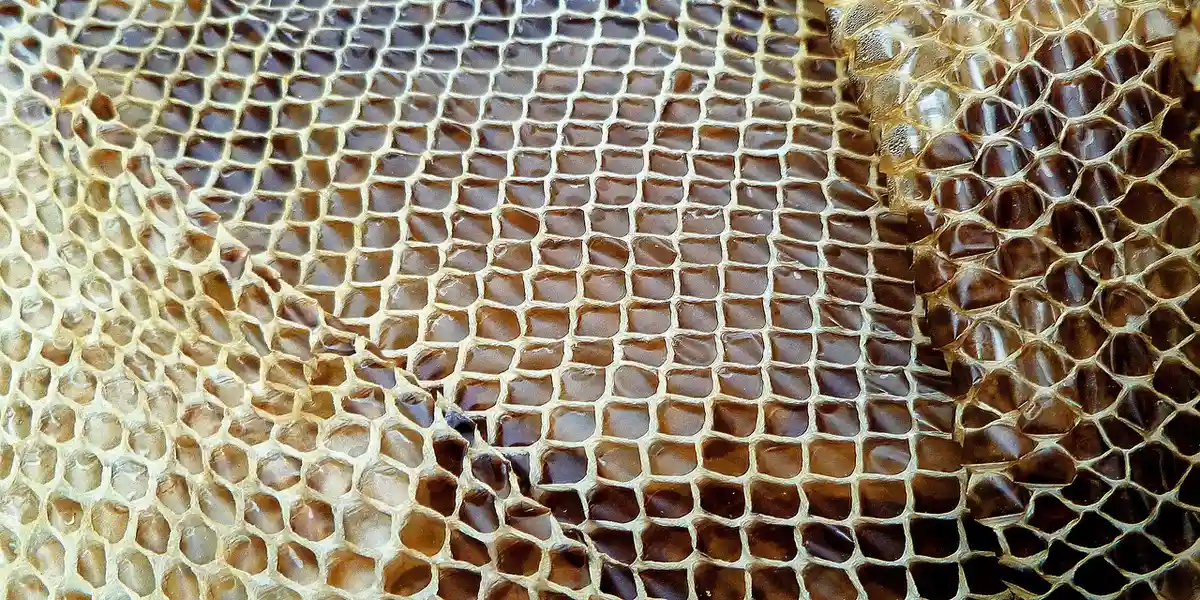
Catching a bad shed early is your best defense. Your gecko’s skin will tell you the whole story if you know what to look for.
Look for a dull, ashy, or grayish appearance all over their body-this is the first sign they’ve entered the “blue” phase and a shed is imminent. Their colors will look washed out and their eyes might get milky. But the real trouble starts after the main shed should be complete.
- Patches of old, dry skin clinging to the body, especially on the head, toes, and tail.
- Constricted toes or tail tip, which can look thinner or discolored.
- Cloudy, dull-looking eyes even after the rest of the skin has shed.
- Rubbing against décor more frequently and aggressively than usual.
- Decreased appetite or general signs of stress and irritation.
My crested gecko, Jeter, once had a tiny ring of skin stuck on one toe. I almost missed it. Stuck shed on toes and tail tips is a genuine emergency, as it can cut off blood flow and lead to loss of the digit or tail. I now do a full toe-to-tail check after every single shed.
Step-by-Step Home Treatment for Dysecdysis
If you see retained shed, don’t panic. You can almost always resolve it at home with patience and the right technique.
Setting Up a Humidity Box
A humidity box is a gecko’s best friend during a bad shed. It’s a simple, safe hide that provides localized moisture to help loosen that stubborn skin.
You can make a perfect humidity box in minutes using a plastic container with a hole cut in the lid. I use old deli cups for my smaller geckos. Fill it with a moist substrate-sphagnum moss is my top choice because it holds moisture without getting soggy. Paper towels also work well.
- Get a small, opaque plastic container.
- Cut a large, smooth-edged entrance hole in the side or lid.
- Fill the bottom with damp (not dripping wet) sphagnum moss.
- Place it on the warm side of the enclosure. The heat will help create a lovely, steamy microclimate inside.
My leopard gecko, Griffey, will happily camp out in his moss box for hours when he’s shedding. This little box lets your gecko self-regulate their humidity needs, which is much less stressful than forced soaks.
Safe Soaking and Bath Techniques
When a humidity box isn’t enough, a gentle soak can provide the extra hydration needed.
Always use a shallow container where your gecko can easily sit with its head completely out of the water. I use a small Tupperware with a towel on the bottom for grip. The water must be lukewarm-test it on your wrist like a baby’s bottle. Too hot can cause severe burns.
- Water depth should only come up to their elbows, not their back.
- Soaking time should be brief, just 5 to 10 minutes.
- Never leave your gecko unattended during a bath.
- Gently trickle warm water over their back with a cup if they seem stressed by full immersion.
My fat-tailed gecko, A-Rod, absolutely hates baths. For geckos that find soaking stressful, a “sauna session” in a ventilated container with a warm, wet paper towel on the bottom is a fantastic, low-stress alternative.
Gently Removing Retained Shed
This is the most delicate part. The skin should slide off with little to no effort after proper hydration. If it doesn’t, it’s not ready.
Your tools are your fingers and a soft, wet Q-tip-never tweezers or any sharp instrument. After a soak or time in the humidity box, the skin should be soft and pliable. Gently roll the stuck shed between your thumb and finger. For tricky spots like toes, use the damp Q-tip to softly swivel and push the skin off.
- Ensure the skin is thoroughly softened from soaking or humidity.
- Start with the easiest, largest patches of skin first.
- For toes, work from the base of the toe toward the tip, like you’re taking off a tiny sock.
- If the skin resists or your gecko struggles, stop immediately. Re-moisten and try again later.
I learned this the hard way with my gargoyle gecko, Mookie. Forcing dry skin can rip their new, delicate skin underneath and cause serious injury and infection. If you can’t get it off easily after a few tries, it’s time to call a reptile veterinarian.
When to Call a Veterinarian
You can often handle a minor stuck shed at home, but some situations are a clear signal for professional help. If you see any retained skin around the eyes, nostrils, or vent, it’s time to call your vet immediately. These are delicate areas where you can easily cause serious injury by trying to remove the shed yourself.
I learned this the hard way with my crested gecko, Jeter. A tiny piece of skin stuck over one eye looked simple, but my attempts to help only stressed him out. The vet removed it in seconds with specialized tools and knowledge I simply didn’t have.
Watch for these other red flags that demand a vet visit:
- Stuck shed that remains after several soaks and your gentle efforts.
- Discolored skin underneath the old shed (red, black, or pale).
- A foul smell coming from the unshed skin, which indicates infection.
- Your gecko becomes lethargic, stops eating, or shows signs of pain.
When in doubt, a quick call to your exotic vet can save your gecko a lot of stress and prevent a small problem from becoming a big one. It’s always better to be safe and get expert advice, especially when to take your gecko to an exotic veterinarian.
Preventing Dysecdysis in Your Gecko
The absolute best treatment for dysecdysis is making sure it never happens in the first place. Prevention is all about creating an environment that supports your gecko’s natural shedding process from start to finish. A little daily attention to their home and health makes all the difference.
Perfecting the Habitat
Your gecko’s enclosure is the foundation of healthy sheds. My leopard gecko, Griffey, used to have patchy sheds until I dialed in his tank. The single most important factor for a clean shed is correct humidity, especially inside a designated humid hide.
Create the perfect shedding sanctuary with these steps:
- Get a small, enclosed container (like a plastic food storage box).
- Cut a smooth-edged entrance hole just large enough for your gecko to enter.
- Fill the hide with damp (not wet) sphagnum moss or paper towels.
- Place this hide on the warm side of the enclosure so it creates a steamy microclimate.
Beyond the humid hide, you need to provide rough surfaces. My giant day gecko, Babe, rubs against his cork bark and rough-sided rocks to kickstart his shed. These textures help them grip and pull the old skin off. To make your own humid hide for your gecko, use a small plastic container with a couple of air holes and damp moss or sphagnum. This moist retreat helps maintain humidity and supports easy shedding. Check your humidity levels daily with a digital hygrometer and mist the tank as needed for your specific gecko species.
Boosting Nutrition and Hydration
What your gecko eats and drinks directly impacts their skin health. Shedding is a nutrient-intensive process. As geckos age, their metabolism and shedding rhythm can change, making diet even more important. Diet at different life stages can influence how often a gecko sheds. I always see a shinier, healthier shed from my geckos when their diet is supplemented properly. A lack of key vitamins is a fast track to shedding troubles.
Here is your nutritional checklist for prevention:
- Gut-load feeder insects with nutritious veggies like carrots and sweet potato for 24-48 hours before feeding.
- Dust insects with a high-quality calcium supplement at most feedings.
- Use a reptile-specific multivitamin containing Vitamin A and other essential nutrients 1-2 times per week.
Hydration is just as critical. Always provide a shallow dish of fresh, clean water. Some geckos, like my cresties, also lick water droplets from leaves, so a light nightly misting helps them drink. A well-hydrated gecko from the inside out will almost always have a perfect, one-piece shed.
Busting Common Shedding Myths
When my gecko, Griffey, had his first rough shed, I got a lot of well-meaning but terrible advice. Let’s clear the air on some persistent shedding myths I’ve encountered.
Myth 1: Shedding Problems Are Only About Humidity
While low humidity is a top culprit, it’s not the only villain. Poor nutrition, especially a lack of key vitamins, can cause weak, flaky skin that simply won’t come off properly. I learned this the hard way with my first gecko before I understood the importance of a balanced, supplemented diet.
Myth 2: A Soaking Bath is the Ultimate Cure-All
Dunking a stressed gecko in water is not a magic fix. A humid hide is a much safer and more natural first step. Forcing a soak should be a last-resort treatment, not a go-to solution, as it can cause immense stress. Think of it like an emergency procedure, not routine care. This is one of the eight biggest mistakes in gecko hydration and humidity control.
Myth 3: You Should Always Peel the Skin Off Yourself
This is a dangerous game. If the skin isn’t ready, you can tear their delicate new skin underneath and cause a serious infection. Your job is to provide the perfect conditions for the shed to happen; their job is to do the actual shedding. Assist only with stubborn bits on toes and tail tips after a proper soak, and be incredibly gentle.
Myth 4: Stuck Shed is Just Cosmetic and Will Fix Itself
Never ignore retained shed, especially on the toes, eyes, or tail tip. What starts as a simple sock of old skin can quickly cut off circulation, leading to the loss of a toe or even the tail. It’s a genuine health emergency for your pet, not just a bad look.
Recovery Outlook for Geckos with Dysecdysis
The good news is that most geckos bounce back from a bad shed with startling speed once you correct the underlying issue. I’ve seen it time and again with my own crew.
With prompt and correct care, a gecko can be completely shed-free and back to normal within 24 to 48 hours. Their skin heals rapidly once the constricting old layer is removed and proper hydration is restored.
Your gecko’s recovery depends entirely on you addressing the root cause. Here is what a successful recovery looks like:
- Immediate Relief: Once the stuck shed is safely removed, you’ll see your gecko become more active and comfortable almost instantly.
- Healthy Appetite Return: A gecko that was too stressed to eat will often take its next meal with gusto.
- A Perfect Next Shed: The ultimate sign of success is a clean, full-body shed the next time around, often with the old skin coming off in one perfect piece.
For geckos who have lost a toe or tail tip due to severe, untreated dysecdysis, the recovery is different but still positive. Reptiles are incredible healers, and while the appendage won’t grow back, the wound will scar over cleanly and they will adapt perfectly. Their quality of life remains excellent, a testament to their resilience.
Long-term outlook is brilliant if you commit to proper husbandry. By maintaining ideal humidity, providing a rough surface for rubbing, and ensuring a nutritious diet, you can almost guarantee your gecko will never suffer from dysecdysis again. It’s one of the most preventable problems in reptile care.
FAQs
Is it normal for geckos to eat their shed skin?
Yes, it is normal and beneficial for geckos to eat their shed skin as it helps recycle nutrients and hide evidence from predators. In a complete guide on why geckos shed and eat their skin, you’ll learn the full reasons behind this behavior. It also covers what to watch for during molts and how to support healthy shedding.
Can over-supplementation cause shedding problems?
Yes, over-supplementation, especially with vitamins, can lead to toxicity and skin issues, so always follow recommended dosing guidelines.
What should I do if my gecko has dysecdysis during winter when humidity is low?
Increase enclosure humidity by adding more frequent misting, using a larger water dish, or employing a reptile humidifier to combat dry winter air.
Your Gecko’s Healthy Skin Starts With You
Dealing with a bad shed boils down to three simple rules: maintain proper humidity with a dedicated humid hide, never forcefully peel the skin off yourself, and seek a vet’s help for any shed stuck on sensitive areas like the eyes or toes. Consistent habitat management is your most powerful tool for preventing dysecdysis from ever happening.
Being a great gecko guardian means committing to lifelong learning about their specific needs. Your dedication to understanding these subtle signs of distress is what transforms a simple pet owner into a true advocate for your animal’s wellbeing. That attentive care is what forges the incredible bond we share with our scaly companions.
Further Reading & Sources
- What Is Dysecdysis in Reptiles and How Is It Treated?
- Ecdysis / dysecdysis in Reptiles | Vetlexicon
- Diagnosing And Treating Dysecdysis aka Retained Shed – Reptiles Magazine
The Gecko Guide is your ultimate resource for gecko enthusiasts, providing expert advice and practical tips to ensure the health and happiness of your scaly companions. Alexander is a passionate gecko owner with over a decade of experience in reptile care. We are dedicated to offering accurate, up-to-date information to support your gecko journey.Our mission is to foster a community of responsible gecko owners who are passionate about the well-being of these fascinating creatures.
Shedding & Skin Health