
How Gecko Age and Diet Affect Shedding
Published on: January 2, 2026 | Last Updated: January 2, 2026
Written By: Alexander 'Gecko Geek' Johnson
If you’ve ever seen your gecko struggle with a patchy shed or seem stressed during the process, you’ve likely wondered if their age or what you’re feeding them is to blame. You’re asking the right questions. A gecko’s shedding cycle is a direct window into their overall health, and both age and diet are massive players in how smoothly that process goes.
I’ve raised geckos for years, from my energetic leopard gecko Griffey to my calm crested gecko Jeter, and I’ve seen firsthand how their needs change. I’m here to help you understand this natural process by breaking down three key connections:
- How a gecko’s growth stage dictates their shedding frequency.
- The critical role specific nutrients play in creating healthy, easy-to-shed skin.
- Practical feeding adjustments you can make at every life stage to support perfect sheds.
By the end of this guide, you’ll have clear, actionable advice to support your scaly friend through every single shed. We will cover: gecko growth stages, juvenile vs. adult shedding frequency, essential nutrients for skin health, feeder insect gut-loading, hydration’s role, and solving common shedding issues.
What Is Gecko Shedding and Why Does It Matter?
Gecko shedding, or ecdysis, is the natural process where your gecko removes its old outer skin layer to make room for new growth. Think of it like your gecko trading in a tight, worn-out outfit for a fresh, comfortable one that fits perfectly. This isn’t just about looks—it’s vital for their health, allowing them to grow, heal minor injuries, and stay free from parasites. The discarded skin, called exuviae, often gets eaten by your gecko, which provides extra nutrients. From my own crew, I’ve watched Jeter, my crested gecko, smoothly shed his skin every few weeks, and it always reassures me he’s in top shape. If you’re curious about why geckos eat their shed, this complete guide explains the natural reasons—nutrients recovered from the skin and helping keep the habitat clean—and when this behavior is normal. It also notes signs to look for if you should seek veterinary advice.
The Science Behind Shedding: Ecdysis Explained
Shedding happens in clear stages that are easy to spot once you know what to look for. Pre-shed starts with your gecko’s skin turning dull and their colors fading, much like a faded photograph. They might hide more or seem less active as their body prepares. During the shed phase, they rub against objects to peel the skin off, often in one piece for species like leopard geckos, while others like cresteds might do it in bits. Post-shed, they often consume the exuviae to recycle proteins and minerals. Do leopard geckos eat while they’re shedding? They typically eat the shed skin after the skin has fully separated, not during the actual shedding process. I’ve noticed with Griffey, my leopard gecko, he always finishes his shed by licking his lips—a cute sign of a job well done.
- Pre-shed: Skin appears cloudy; gecko may be less active.
- Shed: Active rubbing to remove old skin; duration varies by species.
- Post-shed: Skin is bright and vibrant; gecko may eat the shed skin.
Why Geckos Shed: Growth, Health, and More
Shedding isn’t just a routine-it’s essential for renewal and protection. Regular shedding helps remove old skin cells, parasites, and any minor damage, keeping your gecko’s skin healthy and functional. It also supports growth by allowing the body to expand, similar to how a snake sheds to accommodate its increasing size. In captivity, a smooth shed reflects good care, like proper humidity and nutrition. When Babe, my giant day gecko, sheds flawlessly, I know his habitat is spot-on, and it gives me peace of mind about his overall wellness. This includes maintaining optimal humidity levels that facilitate easy shedding.
- Skin renewal: Replaces old layers to prevent infections.
- Parasite removal: Sheds can carry away external pests.
- Health indicator: Poor shedding often signals diet or environment issues.
How Your Gecko’s Age Drives Shedding Frequency
Age plays a huge role in how often your gecko sheds, tied directly to their metabolism and growth rate. Younger geckos shed frequently to support rapid development, while older ones slow down as their bodies stabilize. This variation means you need to adjust your care based on their life stage to prevent problems like retained skin. In my experience, monitoring shedding cycles has helped me catch early signs of health issues in my geckos, from energetic Mookie to calm A-Rod.
| Life Stage | Typical Shedding Frequency | Key Reasons |
|---|---|---|
| Hatchling (0-6 months) | Every 1-2 weeks | Extremely fast growth and skin turnover |
| Juvenile (6-12 months) | Every 2-4 weeks | Steady growth and development |
| Adult (1-7 years) | Every 4-8 weeks | Maintenance and minor growth |
| Senior (7+ years) | Every 6-12 weeks or less | Slowed metabolism and reduced activity |
Baby and Juvenile Geckos: Rapid Growth, Frequent Sheds
Young geckos are like little engines of growth, shedding as often as weekly to keep up with their expanding bodies. This frequent shedding ensures their skin doesn’t restrict development, much like a child outgrowing shoes every few months. Signs of a healthy shed in this stage include complete skin removal and normal activity levels afterward. With Mookie, my gargoyle gecko, I saw him shed every 10 days as a juvenile, and it was a joy to watch his colors brighten each time-proof he was thriving.
- Frequency: Weekly to bi-weekly, depending on species and diet.
- Why needed: Supports bone and tissue growth; prevents constriction.
- Healthy signs: Full skin shed; no leftover patches; active behavior.
Adult Geckos: Slower Metabolism, Steady Shedding
As geckos reach adulthood, their shedding slows to a steady pace, often monthly or so, reflecting a more stable metabolism. A balanced diet rich in vitamins helps maintain skin quality, reducing the risk of incomplete sheds. You might notice slight shifts, like longer intervals between sheds, but consistency is key. My leopard gecko Griffey, now an adult, sheds about every 5 weeks, and I focus on gut-loading his insects to keep his skin resilient and shiny.
- Frequency: Typically every 4-8 weeks.
- Diet role: Provides nutrients for elasticity and strength.
- Common shifts: Sheds may become less frequent with age.
Senior Geckos: Aging and Shedding Challenges
Older geckos face unique shedding challenges due to slowed bodily functions, sometimes leading to retained skin or longer cycles. Retained skin, especially on toes or eyes, can cause serious issues if not addressed promptly with gentle care (especially when you need to help your gecko with stuck shed). Adjustments like increasing humidity or offering softer foods can make a big difference. A-Rod, my African fat-tailed gecko, is entering his senior years, and I’ve added a moist hide to his terrarium to help him shed comfortably-it’s a simple change that supports his well-being.
- Slower shedding: Cycles extend to 6-12 weeks or more.
- Potential issues: Retained skin; dehydration; reduced mobility.
- Care adjustments: Boost humidity; provide rough surfaces for rubbing; monitor closely.
Diet’s Powerful Impact on Shed Quality and Health
What you feed your gecko directly fuels the entire shedding process. A poor diet is the fastest way to guarantee a problematic, stressful shed for your pet. I learned this the hard way early on when my gecko, A-Rod, had a terrible shed; his diet was lacking, and his skin paid the price. Proper nutrition provides the building blocks for strong, flexible new skin and the energy required to wriggle out of the old one.
Think of it like this: your gecko is constructing a brand new suit of skin underneath the old one. Without the right raw materials, that new suit will be weak, brittle, and difficult to put on. Deficiencies in key nutrients like calcium lead to poor skin elasticity, making the old skin rip instead of sliding off in a clean piece.
Key Nutrients for Smooth Shedding: Calcium and Beyond
Your gecko’s supplement regimen is non-negotiable for healthy sheds. Dusting feeder insects with the right supplements is the single most effective thing you can do to prevent shedding issues. If you’re wondering about the best products or tools for gecko shedding assistance, this section highlights top options. Here is what you absolutely need:
- Calcium: Critical for overall health and skin cell regeneration. A deficiency causes weak, inflexible skin that sticks during a shed.
- Vitamin D3: Allows your gecko to actually use that calcium. Without it, the calcium you provide is useless.
- Multivitamins: Provides Vitamin A, which is vital for skin cell health and the production of new layers. A lack of Vitamin A is a prime cause of retained eye caps.
My routine is simple and has kept all my geckos shedding perfectly. I dust all insects with a pure calcium powder at most feedings. Then, twice a month, I use a calcium powder with D3, and twice a month I use a high-quality reptile multivitamin. I also “gut-load” my feeder insects by feeding them nutritious veggies like carrots and sweet potato 24 hours before they become gecko food, packing even more nutrients into every bite.
Hydration and Humidity: Supporting Sheds from the Inside Out
Nutrition and hydration are a package deal. Even a perfectly supplemented gecko will struggle to shed if it isn’t properly hydrated, both internally and externally. The moisture from their diet and environment helps separate the old skin from the new. Proper hydration is crucial for their overall health.
I always provide a shallow water dish with fresh water. My Crested Gecko, Jeter, also gets his food mixed with a water-based Repashy diet, which keeps him well-hydrated. For all my geckos, a humidity hide is a lifesaver during shed cycles. This is a simple hide box filled with damp sphagnum moss or paper towels that creates a mini sauna. They instinctively go inside to help loosen their skin. My Leopard Gecko, Griffey, always disappears into his humid hide a day before a shed starts.
Recognizing Normal vs. Problematic Shedding
A healthy shed is a quiet, efficient process. A perfect shed comes off in large pieces, often resembling a ghostly, inside-out version of your gecko that you might find in the enclosure. You may not even witness it happening. Problematic shedding, known as dysecdysis, is obvious, stressful, and requires your immediate attention. To help you act fast when dysecdysis occurs, the ultimate stuck shed checklist provides 10 steps to resolve it immediately. It walks you through practical, step-by-step actions you can take today.
Here is a quick guide to tell the difference:
- Normal Shed: Dull skin color, loss of appetite for a day, skin removes in large pieces or one full piece, gecko is active afterwards.
- Problematic Shed: Patchy, stuck skin remaining for more than 24 hours, skin tightly constricting toes or tail tip, retained skin over the eyes, frequent rubbing against decor, loss of appetite for several days.
Common Shedding Problems and Their Causes
When sheds go wrong, the issues are often localized to sensitive areas. Retained skin on the toes is a veterinary emergency, as it can cut off circulation and lead to toe loss. Here are the most common trouble spots and their likely causes from an age and diet perspective.
- Retained Skin on Toes/Tail Tip: Almost always caused by insufficient humidity. It can also be linked to overall poor health from a bad diet. Older geckos with slower metabolisms are more prone to this.
- Retained Eye Caps (Spectacles): This is frequently a direct result of a Vitamin A deficiency. Double-check your multivitamin supplement schedule immediately.
- Large Patches of Stuck Skin on Body: This points to a combination of issues: general dehydration and potentially a more serious nutritional deficiency like hypocalcemia (low calcium).
For a quick fix, prepare a shallow “sauna” with lukewarm water and let your gecko soak for 10-15 minutes to gently loosen the skin. You can then use a moistened cotton swab to *gently* roll the skin off. If it doesn’t come off easily, or if the eyes are involved, stop and consult a reptile veterinarian. Never pull or peel the skin yourself.
Age-Specific Shedding Timelines for Popular Gecko Species
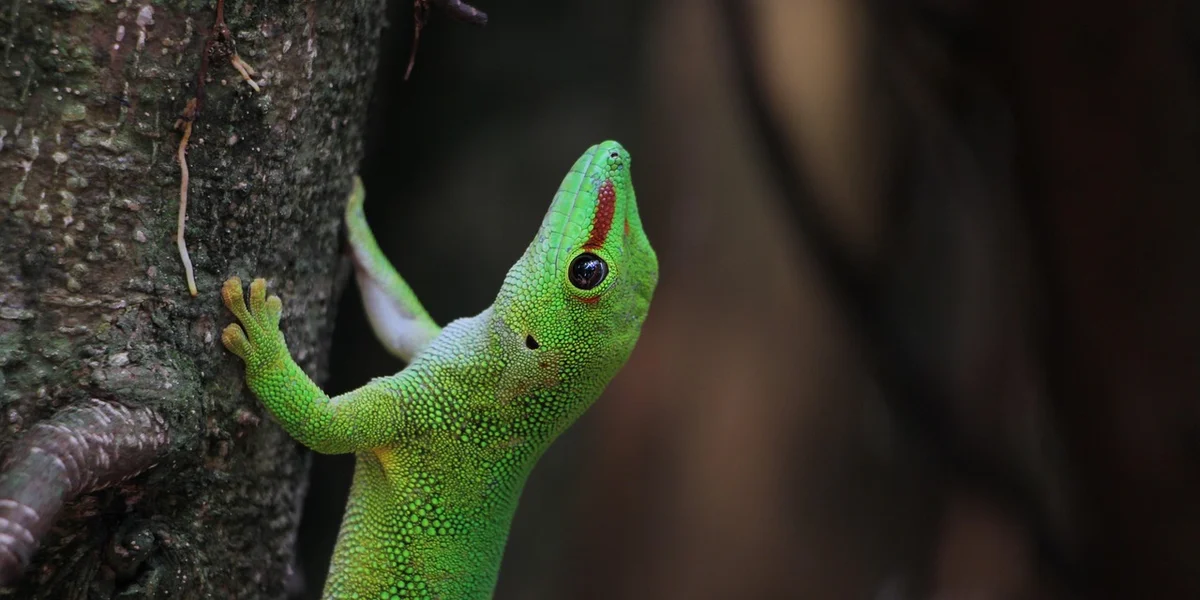
Watching your gecko shed is like seeing them get a fresh new outfit, and age plays a huge role in how often this happens. Younger geckos shed more frequently because they are growing rapidly, while adults and seniors slow down as their growth plateaus. I have five geckos of different species and ages, and their shedding schedules vary noticeably. Below is a quick comparison table to show how age affects shedding frequency across common pet geckos.
| Species | Hatchling (0-6 months) | Juvenile (6-12 months) | Adult (1-5 years) | Senior (5+ years) |
|---|---|---|---|---|
| Leopard Gecko | Every 1-2 weeks | Every 2-3 weeks | Every 4-6 weeks | Every 6-8 weeks or less |
| Crested Gecko | Every 1-2 weeks | Every 2-4 weeks | Every 4-5 weeks | Every 5-7 weeks |
| African Fat-Tailed Gecko | Every 1-2 weeks | Every 3-4 weeks | Every 4-6 weeks | Every 6+ weeks |
| Gargoyle Gecko | Every 1-2 weeks | Every 2-3 weeks | Every 3-5 weeks | Every 5+ weeks |
| Giant Day Gecko | Every 1-2 weeks | Every 2-3 weeks | Every 3-4 weeks | Every 4-6 weeks |
These timelines are based on my observations with Griffey, Jeter, A-Rod, Mookie, and Babe, plus standard care guidelines. Keep in mind that individual health, diet, and environment can shift these numbers slightly.
Leopard Geckos: From Hatchling to Senior Sheds
Leopard geckos like my energetic Griffey show clear age-based shedding patterns. Hatchlings shed almost weekly because they are packing on size quickly, while seniors like a 5-year-old might only shed every couple of months. Diet is crucial here: I feed Griffey more insects like crickets and mealworms when he was young for protein, but now that he is 2, I have cut back to prevent obesity. Morphs can influence shedding too; high yellow morphs like Griffey’s tend to have robust skin, but I have heard from other owners that some albino lines might be more sensitive to low humidity. Always provide a moist hide and watch for dull skin as a sign shedding is near.
- Shedding Rates: Hatchlings shed every 1-2 weeks, adults every 4-6 weeks.
- Diet Tips: Increase protein for juveniles with gut-loaded insects; reduce feeder insects for adults to avoid weight gain.
- Morph Influence: Most common morphs handle shedding well, but monitor for dryness in lighter-colored geckos.
Crested and Other Arboreal Geckos: Unique Shedding Needs
Arboreal geckos, such as my calm crested gecko Jeter and playful gargoyle Mookie, have shedding needs tied to their climbing lifestyle. They often shed in patches and rely on higher humidity to help the skin peel off smoothly, unlike terrestrial species. Jeter, at 3 years old, sheds about every 4-5 weeks, and I have noticed he prefers to do it while perched on his favorite branch. Diet adaptations matter a lot: crested geckos thrive on fruit-based diets like Repashy, which provide hydration that supports shedding. For arboreal species, misting the enclosure daily is non-negotiable to mimic their natural humid habitats.
- Humidity Requirements: Aim for 60-80% humidity; use a hygrometer to monitor levels.
- Diet Adaptations: Offer crested gecko diet mixes that include fruits and insects for balanced nutrition.
- Behavioral Cues: They may rub against branches or leaves to aid shedding; provide plenty of climbing surfaces.
Practical Tips to Support Healthy Shedding at Any Age
No matter your gecko’s age, you can take simple steps to make shedding a breeze. Start by setting up a humidity hide, adjusting their diet as they grow, and keeping an eye out for early signs like faded colors or reduced appetite. If you want to create a DIY humid hide for your gecko, you can start with a simple plastic container filled with damp sphagnum moss. I have used DIY solutions for years, like a plastic container with damp sphagnum moss, which works as well as store-bought hides. Here is a step-by-step approach to keep shedding smooth.
- Set Up a Humidity Hide: Place a hide box with moist substrate on the warm side of the tank.
- Adjust Diet With Age: Feed younger geckos more frequently with high-protein foods; scale back for adults to maintain health.
- Monitor Shedding Signs: Look for cloudy eyes or whitish skin, which indicate shedding is imminent.
- Provide Alternatives: Use commercial humid hides or DIY options like a Tupperware with a hole cut in the lid.
Creating the Perfect Shedding Environment
Crafting the right setup can prevent most shedding problems before they start. I maintain humidity levels between 50-70% for my leopard geckos and 60-80% for arboreal ones like Jeter, using a combination of misting and substrate choices. Do create and use humid hides for leopard geckos to support comfortable shedding. Temperature gradients are key too: a warm side around 88°F and a cool side near 75°F help geckos regulate their body temperature during sheds. For substrate, I avoid loose materials that can cause impaction and opt for paper towels or reptile carpet. In my enclosures, I use a simple humid hide made from a plastic box filled with damp moss, which all my geckos love to use when shedding time comes.
- Humidity Levels: Use a spray bottle or automatic mister to maintain ideal ranges based on species.
- Temperature Gradients: Provide a heat mat on one side and a cooler area to allow natural thermoregulation.
- Substrate Choices: Select safe options like coconut fiber for arboreal geckos or slate tiles for terrestrials.
When to Seek Veterinary Care for Shedding Issues
Most shedding issues can be handled at home, but some red flags mean it is time to call a vet. If you see retained skin on toes, tail, or eyes that does not come off with gentle assistance, or if your gecko shows signs of parasites like mites, seek professional help promptly. I once had a scare with A-Rod, my African fat-tailed gecko, when he had stuck shed on his toes; a vet visit prevented infection. Do not wait if your gecko stops eating, becomes lethargic, or has discolored skin that might indicate a deeper health issue. Early intervention can save your gecko from pain and complications, so trust your instincts if something seems off.
- Red Flags: Persistent retained skin, swelling, or visible parasites.
- When to Act: If home remedies like warm soaks do not resolve the issue within a day or two.
- Preventive Care: Regular check-ups can catch underlying problems like nutritional deficiencies.
FAQs
How does age affect a gecko’s shedding frequency?
Younger geckos shed more often to support rapid growth, while older geckos shed less frequently as their metabolism slows and growth stabilizes.
What diet changes can improve shedding quality?
Providing a balanced diet with essential nutrients like calcium and vitamins through gut-loaded insects and proper supplements enhances skin health for smoother sheds.
When should I be concerned about my gecko’s shedding?
Seek veterinary care if retained skin remains on sensitive areas like toes or eyes after gentle home interventions, as it could indicate underlying health issues.
Your Gecko’s Healthy Shed Starts With You
Ultimately, a perfect shed is a direct reflection of your gecko’s internal health, fueled by age-appropriate nutrition and a well-managed habitat. Feed a high-quality, varied diet tailored to your gecko’s life stage and always ensure fresh water and a proper humid hide are available. Paying close attention to these factors is your best strategy for smooth, trouble-free sheds. Understanding shedding problems helps you act quickly if something goes wrong. Knowing the signs lets you seek the right care.
Being a proactive and observant owner is the single most important factor in your gecko’s long-term wellbeing. Trust me, seeing a full, clean shed is one of the most rewarding signs of a happy, healthy pet. Keep learning, keep adapting your care, and your gecko will thrive under your watchful eye for years to come.
Further Reading & Sources
- Leopard Gecko Care Sheet | PetMD
- Leopard Gecko – Lifespan, Diet, Care
- Caring for Elderly or Terminally Ill Geckos: A Personal Reflection – Gecko Time
The Gecko Guide is your ultimate resource for gecko enthusiasts, providing expert advice and practical tips to ensure the health and happiness of your scaly companions. Alexander is a passionate gecko owner with over a decade of experience in reptile care. We are dedicated to offering accurate, up-to-date information to support your gecko journey.Our mission is to foster a community of responsible gecko owners who are passionate about the well-being of these fascinating creatures.
Shedding & Skin Health