
Do Geckos Lay Eggs or Give Live Birth? Your Questions Answered
Published on: January 5, 2026 | Last Updated: January 5, 2026
Written By: Alexander 'Gecko Geek' Johnson
If you’ve found a strange lump in your gecko’s tank or noticed unusual behavior, you’re likely wondering: is my gecko about to lay eggs or give live birth, and what on earth do I do next?
From my years of caring for geckos like my energetic leopard gecko Griffey and my calm crested gecko Jeter, I’ve been through this surprise more than once. I’ll help you cut through the confusion with straightforward, experience-based advice.
Here are the key takeaways we’ll cover:
- Why most geckos lay eggs, but a few special species surprise everyone.
- The simple signs to look for that tell you your gecko is gravid (the reptile term for pregnant).
- How to provide the right care to keep both mom and babies safe and healthy.
You’ll get clear, actionable steps you can use right away. In this article, we’ll cover: species differences, egg-laying signs, live-bearing species, incubation basics, and newborn care.
Understanding Gecko Reproduction Modes
Geckos have two main ways of bringing new life into the world: laying eggs or giving live birth. Oviparous geckos lay eggs that develop and hatch outside the mother’s body, while viviparous geckos give birth to live young after internal development. Think of it like baking a cake-oviparous species mix the ingredients and let it bake in an oven (the egg), while viviparous ones keep the cake inside until it’s fully cooked and ready to serve.
| Feature | Oviparous (Egg-Layers) | Viviparous (Live Birth) |
|---|---|---|
| Clutch Size | Typically 1-2 eggs per clutch | Often 1-2 offspring per birth |
| Incubation Period | 45-90 days, depending on species and temperature | No external incubation; gestation lasts several months |
| Species Examples | Leopard Gecko, Crested Gecko | Some New Zealand Geckos (e.g., Common Gecko) |
In rare cases, some geckos use parthenogenesis, where females produce fertile eggs without mating. This amazing process lets certain species, like the mourning gecko, create clones of themselves—no male required! It’s nature’s way of ensuring survival in isolated environments, but it’s not common in most pet species. In mourning geckos, these eggs will still hatch under proper incubation, yielding offspring that are genetic copies of the mother.
Oviparous Geckos: The Egg-Layers
Most pet geckos are oviparous, laying eggs in clutches throughout the breeding season. From my experience, species like leopard geckos and crested geckos are prolific layers, often surprising owners with multiple clutches each year. Here’s a quick list of common oviparous pet geckos:
- Leopard Gecko: Clutch size of 2 eggs, breeds every 2-4 weeks during season.
- Crested Gecko: Lays 2 eggs per clutch, with 4-6 clutches annually.
- African Fat-Tailed Gecko: Typically 1-2 eggs, similar to leopard geckos.
- Gargoyle Gecko: 2 eggs per clutch, breeding in cycles.
- Giant Day Gecko: 2 eggs, often glued to surfaces in the terrarium.
The egg development process starts after mating, with females forming soft, leathery eggs internally. I’ve watched my geckos like Griffey dig in moist substrate to lay eggs, which then need proper incubation to hatch healthy babies. It’s a delicate phase where temperature and humidity play huge roles in determining the hatchlings’ health and even their sex.
Viviparous Geckos: Live Birth Specialists
Viviparous geckos, like some New Zealand species, skip the egg-laying stage entirely. Instead of laying eggs, the embryos develop inside the mother, receiving nutrients through a placenta-like structure until birth. This method is less common in the pet trade but offers unique advantages, such as better protection from predators and environmental changes.
Care for live-bearing geckos involves monitoring the mother’s health closely during gestation. In my research, I’ve found that viviparous geckos need stable temperatures and minimal stress to support the developing young, reducing risks like egg-binding. While they might not be as popular as egg-layers, their reproductive strategy highlights the incredible diversity in gecko care.
Common Pet Geckos and Their Reproduction Methods
If you’re curious about how your gecko might reproduce, here’s a handy list of popular species and their methods. Knowing whether your gecko lays eggs or gives live birth helps you provide the right care and avoid surprises during breeding seasons. For beginners, the gecko reproduction biology beginners guide offers a clear overview of mating, incubation, and reproductive terms. This guide helps you apply what you learn to everyday care during breeding seasons.
- Leopard Gecko: Egg-layer; my gecko Griffey laid her first clutch at 2 years old, and I had to set up a humid hide for her to deposit those sticky eggs safely.
- Crested Gecko: Always an egg-layer; Jeter, my calm crestie, prefers laying eggs on elevated surfaces, which I learned to secure to prevent falls.
- Tokay Gecko: Egg-layer; though not in my collection, they’re known for aggressive guarding of their eggs-handle with care!
- Gargoyle Gecko: Egg-layer; Mookie’s playful nature meant I had to watch her closely during laying to ensure she didn’t disturb the eggs mid-process.
- African Fat-Tailed Gecko: Egg-layer; A-Rod’s territorial behavior made egg-laying a private affair, reminding me to give him space and a dedicated nesting area.
- Giant Day Gecko: Egg-layer; Babe’s food-motivated antics meant she’d often lay eggs near her feeding spot, requiring gentle relocation to avoid damage.
Species variation is minimal among common pets-crested geckos, for instance, are always egg-layers with no live birth exceptions. From caring for my geckos, I’ve seen how their unique behaviors, like Babe’s chubby tail storing energy for egg production, influence their reproductive cycles and overall welfare. Always research your specific species to tailor your approach and advocate for their health through proper habitat setup.
Signs Your Gecko is Gravid
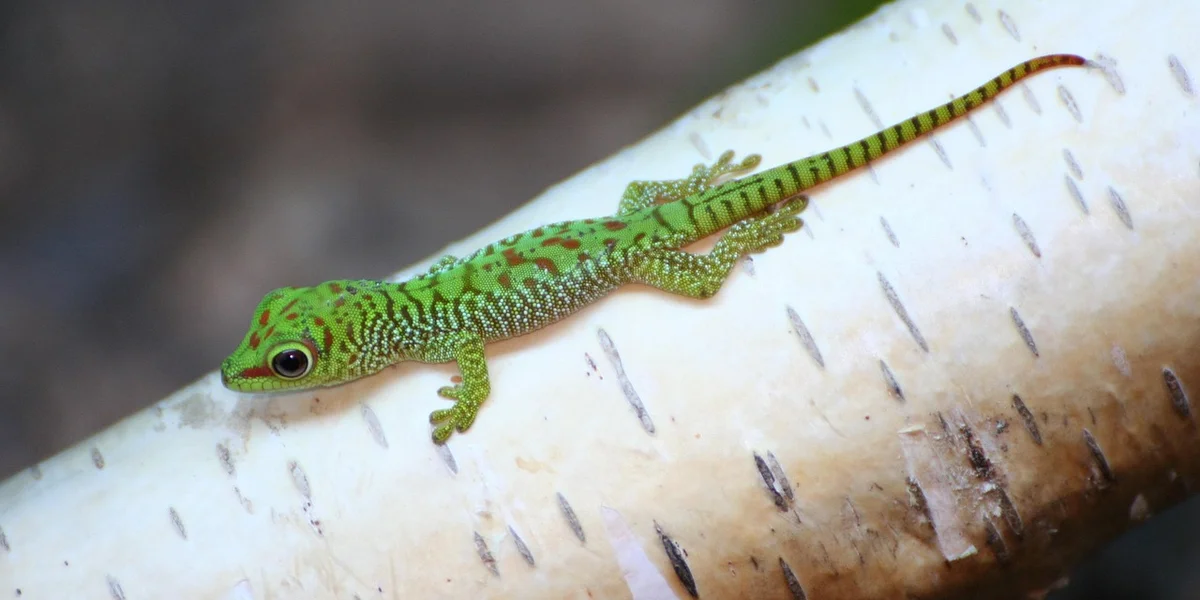
Spotting a gravid gecko early can make all the difference in ensuring a smooth egg-laying process. I always keep a close eye on my geckos like Griffey and A-Rod for subtle shifts that signal pregnancy. Their bodies and behaviors tell a clear story if you know what to look for. To tell if your gecko is gravid, watch for a visibly swollen abdomen, changes in appetite, and longer rest periods as eggs develop. Early detection helps you prepare for egg-laying and support your gecko through the process.
Physical changes are often the first clue. You might notice a rounded, swollen abdomen that feels firm to the touch. Weight gain is common, and some geckos develop a pear-shaped silhouette as eggs form inside. In my experience, Griffey’s normally sleek body plumped up noticeably weeks before she laid her clutch.
- Swollen or distended abdomen that appears larger than after a meal
- Visible weight gain, often concentrated in the lower body
- Firmness when gently palpating the belly area
- Increased girth that persists over several days
Behavioral shifts can be just as telling. Your gecko might start digging relentlessly in substrate or become unusually restless. Many gravid geckos show reduced appetite or even refuse food entirely as laying approaches. I’ve watched A-Rod rearrange his entire terrarium décor when preparing to lay eggs.
- Excessive digging or burrowing in corners
- Pacing the enclosure, especially at night
- Decreased interest in food or skipped meals
- Seeking out hidden, secure spots more frequently
Monitoring your gecko’s health requires a consistent approach. Regular checks help you catch issues early and provide timely support. Regular check-ups are a practical way to monitor your gecko’s health. Make them part of your routine to catch changes early and ensure timely care. Follow these steps to stay on top of potential pregnancy signs.
- Weigh your gecko weekly using a small digital scale to track sudden gains
- Observe daily behavior for new patterns like digging or hiding
- Note any changes in eating habits or energy levels
- Suspect pregnancy if physical and behavioral signs combine for over a week
Preparing for Egg-Laying and Incubation
Creating a safe, comfortable environment is crucial for your gecko to lay eggs successfully. A proper laying box reduces stress and prevents egg-binding, a serious health risk. I always set one up as soon as I suspect gravidity in any of my pets.
Setting up a laying box is straightforward with the right materials. Choose a small container filled with damp substrate that holds moisture well. I use sphagnum moss or a vermiculite mix for my leopard and fat-tailed geckos.
- Select a shallow plastic container with a secure lid and an entry hole
- Fill it 2-3 inches deep with moistened substrate
- Place it in a warm, quiet area of the terrarium
- Maintain humidity by misting lightly every few days
Incubation methods vary, but temperature and humidity control are non-negotiable. Most gecko eggs need stable warmth and moderate moisture to develop properly. I use a simple DIY incubator made from a plastic tub and heat mat for species like Griffey’s. If you’re incubating leopard gecko eggs, this same setup can be adapted into a homemade leopard gecko egg incubator. A plastic tub, a heat mat, and a simple thermostat are all you need to get started.
- Keep temperatures between 80-88°F depending on species
- Maintain humidity around 70-80% to prevent drying
- Use vermiculite or perlite as an incubation medium
- Check eggs regularly for mold or collapse
Temperature-dependent sex determination affects some species like leopard geckos. Warmer incubation temperatures often produce males, while cooler ones yield females. For my geckos, I aim for mid-range temps to balance the clutch.
- Leopard geckos: 79-82°F for females, 88-90°F for males
- Monitor with a reliable thermometer to avoid fluctuations
- Adjust settings based on your breeding goals
How to Incubate Gecko Eggs Successfully
Successfully hatching gecko eggs requires patience and attention to detail. I’ve learned through trial and error that small mistakes can impact viability. If you’re aiming to breed leopard geckos successfully, this step-by-step guide covers the essentials. It walks you through incubation, humidity, and care to give your eggs the best chance.
- Gently collect eggs using a spoon, avoiding rotation or shaking
- Place them in a deli cup with pre-moistened incubation medium
- Set up your incubator at the species-specific temperature
- Check humidity daily and mist if the medium feels dry
- Wait 45-90 days for hatching, depending on species and temperature
Avoiding common pitfalls ensures higher hatch rates. Never rotate the eggs after laying, as this can drown the embryo. I mark the top of each egg with a pencil to track orientation.
- Keep eggs stable and undisturbed throughout incubation
- Prevent mold by ensuring good air circulation
- Discard any eggs that collapse or develop fungi
- Handle eggs minimally to reduce stress on developing geckos
Health Concerns During Reproduction
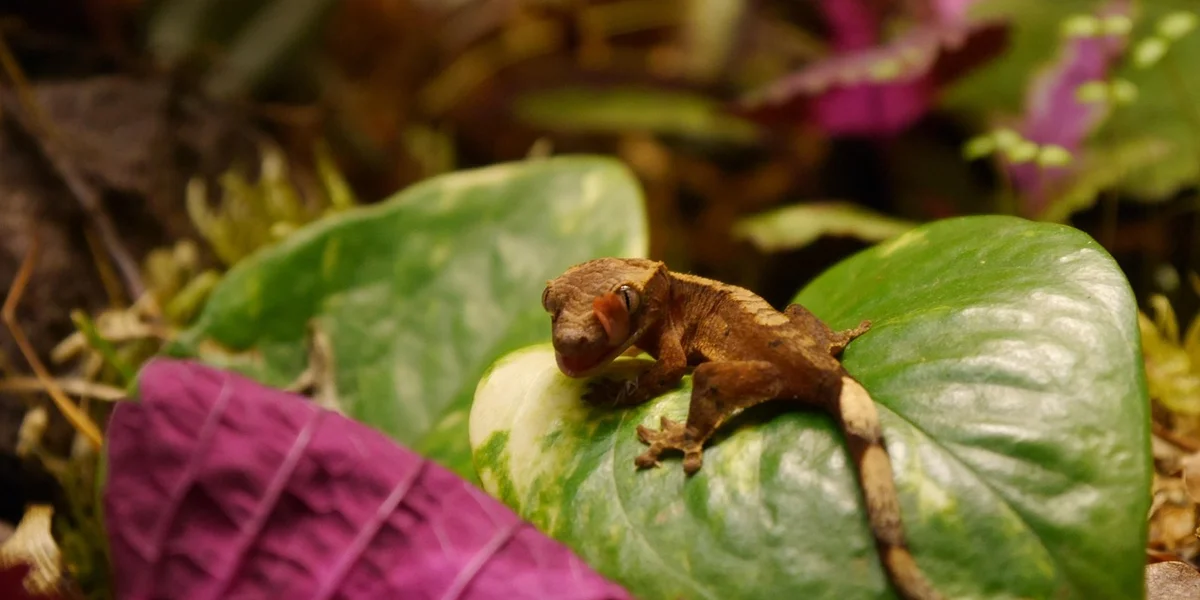
Watching a gecko lay eggs is amazing, but the process can be risky. My gecko A-Rod once became very lethargic, which was my first real scare with a condition called dystocia, or egg-binding. This is when a female cannot pass her eggs.
Symptoms of Dystocia and Retained Eggs
You need to act fast if you see these signs. Don’t wait and hope it gets better.
- Lethargy and a lack of interest in food for more than a day or two.
- Visible straining or pushing for extended periods with no results.
- A noticeable lump or swelling in her lower abdomen that doesn’t go away.
- Pacing the enclosure restlessly or digging excessively without laying.
- Twitching legs or signs of general weakness and pain.
Care Tips and When to See a Vet
If you suspect egg-binding, your first step is to provide a private, humid lay box with damp sphagnum moss. A warm, shallow bath can sometimes help relax her muscles and encourage laying. But please, do not try to massage or push the eggs out yourself. You can cause severe internal damage.
You must seek immediate veterinary help if:
- She has been straining for over 24 hours.
- She becomes completely unresponsive or limp.
- You see any signs of a prolapse (tissue protruding from the vent).
Preventive Measures
Prevention is always the best medicine for your pet’s welfare. Proper nutrition is your number one tool for preventing reproductive issues. I always dust my geckos’ food with a high-quality calcium supplement with Vitamin D3.
- Provide a constant and reliable source of calcium in a small dish within the enclosure.
- Ensure your heating gradient is perfect so she can properly metabolize that calcium.
- Offer a dedicated, humid lay box at all times for egg-laying species, even if you don’t think she’s gravid.
- Avoid over-breeding your female; give her body ample time to recover between cycles.
Caring for Hatchlings and Understanding Parental Behaviors
Finding a tiny, perfect gecko hatchling is an incredible moment. Your immediate job is to create a safe, simple environment for this vulnerable new life. For crested gecko hatchlings, an ideal habitat means a tall, secure enclosure with proper humidity, accessible branches for climbing, and gentle hides. They grow fast with the right start.
Setting Up a Hatchling Enclosure
Think small and secure. A large enclosure can be overwhelming and make it hard for them to find food and heat.
- Use a smaller plastic tub or a 5 to 10-gallon tank with a very secure, ventilated lid.
- Provide a simple, low-wattage heat mat under one side of the tank for a gentle warmth gradient.
- Include multiple tiny hides-one on the warm side and one on the cool, moist side.
- Use paper towel as a substrate for the first few months. It’s safe, sterile, and lets you monitor their health easily.
Feeding and Monitoring Hatchling Health
Hatchlings need to eat often! I feed my hatchlings, like Mookie was, every single day with appropriately sized, gut-loaded insects. Their bodies are building machines.
- Offer pinhead crickets or small dubia roaches dusted with a fine calcium and vitamin powder.
- Always provide a shallow dish of fresh, clean water.
- Weigh them weekly with a small gram scale to ensure they are steadily growing.
- Watch for a plump tail, which is their main fat storage and a key sign of good health.
Maternal Care and Separation
This is a critical point for the safety of the babies. With very few exceptions, geckos display zero maternal instincts and will see their own offspring as food. My crested gecko, Jeter, would absolutely try to eat a hatchling if given the chance. If you’re asking ‘do crested gecko hatchlings eat‘, our complete feeding guide will tell you exactly what to offer and when.
- You must separate the hatchlings from the adult geckos immediately after birth or hatching.
- House hatchlings individually to prevent competition, stress, and potential nipping.
- This separation is not cruel; it is a fundamental requirement for their survival and well-being.
FAQs
How can I tell if my gecko is ready to breed?
Your gecko is ready to breed when it reaches sexual maturity, which varies by species but generally occurs at 1-2 years of age and a healthy body weight. This is a central point in our gecko breeding age lifespan guide. Understanding both breeding age and lifespan helps you plan responsible pairings and long-term care for your gecko.
What should I feed a gravid gecko to support egg development?
Feed a gravid gecko a diet rich in calcium and vitamins, such as gut-loaded insects dusted with supplements, to ensure proper egg formation and maternal health.
How do I handle a gecko that has just laid eggs?
After laying eggs, minimize handling to reduce stress, provide fresh water and food, and ensure she has a quiet, warm environment to recover.
The Final Verdict on Gecko Birth
So, do geckos lay eggs or give live birth? The definitive answer is that the vast majority of our pet geckos are egg-layers. From my leopard geckos like Griffey to my crested gecko Jeter, they all require a proper laying box filled with moist substrate when it’s time. A handful of species, like some New Zealand geckos, are the rare exception that give live birth, but you are highly unlikely to encounter them in the pet trade.
Knowing your specific gecko’s reproductive method is a fundamental part of being a prepared and ethical keeper. If you keep leopard geckos, understanding their mating behavior and reproduction is especially important. I encourage you to always research your pet’s species thoroughly and commit to learning about their unique needs throughout their life. This proactive approach is the very heart of excellent animal welfare and ensures your scaly friend thrives under your care. If you’re considering breeding, look for a reputable leopard gecko mating guide to ensure welfare and safety.
Further Reading & Sources
- Facts on Gecko Reproduction | Pets on Mom.com
- Ok, I have eggs. Now what? – Red Sky Geckos
- r/geckos on Reddit: Why do female leopard geckos lay eggs without males/without exposure to males/without ever being bred? And also do leaopard gecko ovulation cycles “sync” up with each other like human womens menstrual cycles do?
The Gecko Guide is your ultimate resource for gecko enthusiasts, providing expert advice and practical tips to ensure the health and happiness of your scaly companions. Alexander is a passionate gecko owner with over a decade of experience in reptile care. We are dedicated to offering accurate, up-to-date information to support your gecko journey.Our mission is to foster a community of responsible gecko owners who are passionate about the well-being of these fascinating creatures.
Breeding & Lifecycle