
Mourning Gecko Care: Reproduction and Egg Hatching Guide
Published on: January 3, 2026 | Last Updated: January 3, 2026
Written By: Alexander 'Gecko Geek' Johnson
Have you found a tiny, mysterious egg in your mourning gecko’s enclosure and are now wondering what on earth to do next? You’re not alone. This moment surprises nearly every owner, including me when my first gecko, Jeter, decided to become a mother.
I will help you understand this amazing process from start to finish. We will cover:
- How mourning geckos reproduce without a male.
- The right way to care for the eggs for the best chance of hatching.
- What to do with the adorable, tiny hatchlings once they arrive.
You will get clear, step-by-step advice based on my own experience raising these incredible lizards. This guide covers: parthenogenesis, egg laying signs, ideal incubation, hatching timeline, and hatchling care.
How Do Mourning Geckos Reproduce?
-
Mourning geckos use parthenogenesis to reproduce, which means they are an all-female species that lays fertile eggs without any male involvement. They essentially clone themselves, creating genetically identical daughters every time—unlike most geckos, which require males for reproduction.
-
These geckos hit sexual maturity fast, typically between 8 to 12 months old. From my own setup, I’ve seen juveniles start laying eggs right around their first birthday, so watch for that growth spurt. This ties into our gecko breeding age lifespan guide, outlining ideal breeding ages and expected lifespans. Use it to plan care across growth, breeding, and retirement.
-
You might spot pseudocopulation, where females mount each other in mock mating to kickstart egg-laying. It’s a harmless behavior that gets their reproductive juices flowing, almost like a group pep talk.
-
Scientifically named Lepidodactylus lugubris, these small, tropical geckos are arboreal and love humid hideouts. Knowing their biology helps you mimic their natural habitat for stress-free breeding.
How Fast Do Mourning Geckos Reproduce?
-
Each clutch usually contains 2 eggs, and they stick to this number like clockwork. I’ve never seen a deviation in my colony, which makes planning for hatchlings straightforward.
-
Under ideal conditions, they lay eggs every 4 to 6 weeks, so you’re looking at a near-monthly event. Keep their environment stable, and they’ll reward you with a steady supply of eggs.
-
This high reproductive rate means populations can explode if not managed. In just a year, one gecko could lead to dozens, so always have a rehoming plan to prevent overcrowding.
-
Here’s a quick list of key stats to visualize their breeding speed:
- Clutch size: 2 eggs
- Laying frequency: Every 4-6 weeks
- Eggs per year: Up to 24 per gecko
- Time to maturity: 8-12 months
Many readers ask how many eggs leopard geckos lay, and how clutch size and laying frequency explain their yearly output. These numbers add up fast, turning a small group into a mini army before you know it.
Mourning Gecko Egg Laying Patterns and Sites
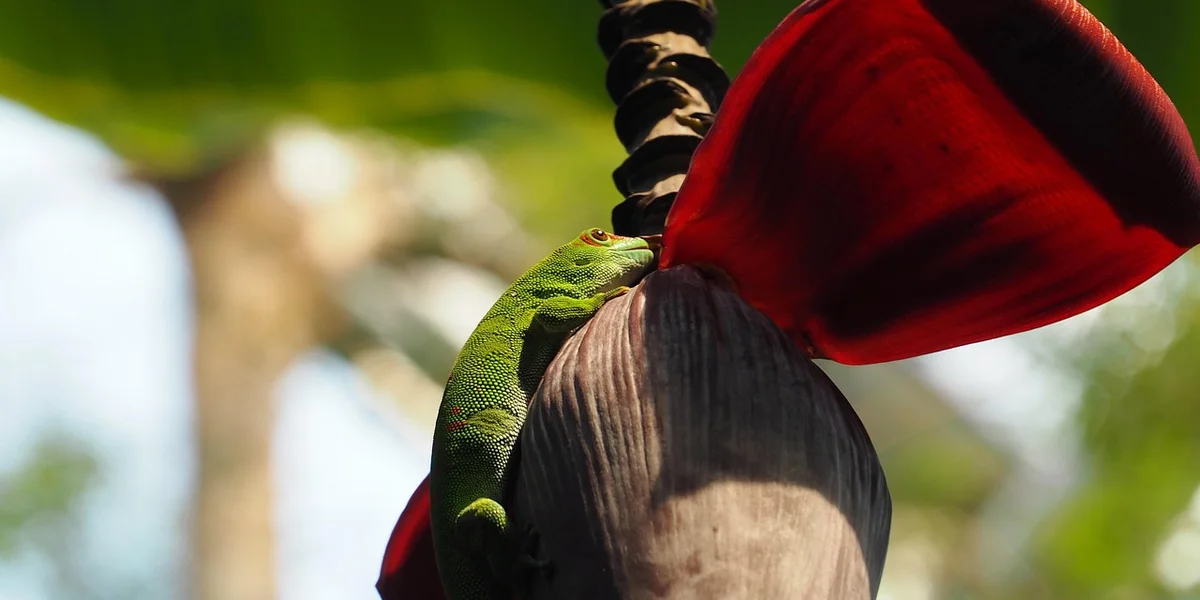
Mourning geckos lay their eggs in secure, hidden spots within their enclosure, often sticking them to vertical surfaces like glass, cork bark, or plant leaves. I’ve watched my own geckos meticulously choose spots that feel safe from disturbance, usually in dimly lit corners or inside hollow decor. Geckos generally lay eggs rather than giving birth to live young—and mourning geckos are known for their parthenogenetic reproduction, meaning eggs can hatch without mating. They press the eggs firmly against the surface, and the adhesive quality helps them stay put until hatching.
To support their natural instincts, you must provide specific housing elements. Offering humid, enclosed spaces like cork bark tubes, coconut hides, or small plastic containers with damp sphagnum moss encourages consistent egg deposition. I always include multiple options in my setups because it reduces stress and gives gravid females choices. Maintain humidity around 70-80% in these areas to prevent eggs from drying out.
When kept in groups, mourning geckos often exhibit communal nesting behaviors. You might find several eggs clustered together in one favored site, as multiple females recognize and reuse safe spots. In my colony, I’ve seen up to three geckos lay eggs in the same cork tube over a week, which seems to create a sense of security. Monitor for any aggression, though it’s rare – these geckos generally coexist peacefully around nesting areas. However, territorial behavior can emerge if space is limited. In such cases, keeping single-housed geckos is the safest option to manage aggression and prevent injuries.
Identifying a gravid gecko is straightforward if you know what to look for. Follow these steps to spot the signs early and provide extra care: How to tell if your gecko is gravid (pregnant).
- Check for a visibly swollen abdomen, which appears rounder and fuller than usual.
- Notice reduced appetite-she might skip meals as egg development consumes energy.
- Observe increased hiding or resting in humid spots, as she seeks comfort.
- Look for behavioral changes like less climbing or more time basking to regulate body heat.
How Long for Mourning Gecko Eggs to Hatch?
Mourning gecko eggs typically hatch between 60 and 120 days after laying, depending heavily on environmental conditions. In my experience, eggs incubated at stable room temperatures often hatch closer to 90 days, but variations are common based on your setup. For consistency, consult the ultimate gecko egg incubation guide, which covers temperature, humidity, and substrate. It helps tailor conditions to maximize hatch success. Patience is key—rushing the process can harm the developing embryos.
Several factors influence hatch time, with temperature being the most significant. Warmer temperatures speed up development but risk deformities, while cooler ones slow it down and may improve hatchling health. Humidity levels around 70-80% are crucial to prevent egg collapse, and egg health-like firm, white shells-indicates viability. I always candle eggs gently with a flashlight after a few weeks to check for red veins, a sign of growth.
Use this table to estimate hatch times based on common temperature ranges-adjust your setup accordingly to balance speed and safety:
| Temperature (°F) | Approximate Hatch Time (Days) |
|---|---|
| 75 | 100-120 |
| 80 | 80-100 |
| 85 | 60-80 |
Tracking development from laying to hatching involves simple observations. Start by marking the lay date on the enclosure and checking eggs weekly for color changes-viable eggs stay white, while infertile ones may yellow or mold. As hatching nears, the eggs often darken, and you might see tiny movements inside. I keep a logbook to note progress and ensure conditions stay optimal, which helps me anticipate the big day without disturbing the eggs too much.
Incubating Mourning Gecko Eggs Successfully
Getting the incubation environment right is the most critical step for hatching healthy baby geckos. I’ve found that stability is far more important than chasing perfection with these numbers. After they mate, follow the egg-laying incubation basics to manage humidity, temperature, and egg turning.
Setting Up Your Incubation Station
You don’t need a fancy, expensive incubator. A simple plastic container placed in a warm, stable spot in your home works perfectly.
- Temperature: Maintain a steady range of 72-80°F (22-27°C). I keep my containers at a consistent 78°F. Warmer temperatures may speed up development, but consistency is key.
- Humidity: Aim for 70-80% humidity inside the incubation container. This prevents the eggs from drying out and collapsing.
Choosing Your Incubation Substrate
The substrate holds moisture and cushions the eggs. You have a few great options.
- Vermiculite: My personal favorite. Mix it with water by weight (1:1 ratio) or by sight until it’s clumpy but not dripping wet.
- Perlite: Works just as well as vermiculite. Use the same mixing method.
- Simple Setup: For a truly low-effort method, place eggs on a moist paper towel inside the deli cup. This works fine if your room humidity is already stable.
Handling the Eggs with Care
Mourning gecko eggs have delicate shells. How you handle them from the start sets the stage for success.
- Avoid Moving Them: Once the female glues them to a surface, do not try to peel them off. Moving the eggs can easily rupture the yolk and kill the developing embryo. I incubate them right in the deli cup they were laid in.
- Check for Viability: Gently mark the top of the egg with a pencil. This helps you ensure you never flip it. A fertile egg will be firm, white, and may slowly “pink up” as the embryo grows.
Maintaining Stable Conditions
The two-month incubation period is a test of your patience.
- Check the container every few days to ensure the substrate hasn’t dried out. Remist with dechlorinated water if needed.
- Keep the container out of direct sunlight and away from drafty windows or air vents. Sudden temperature swings are a leading cause of failed hatches in my experience.
Identifying Viable vs. Non-Viable Eggs
Learning to spot the difference early can save you from disappointment and protect your other eggs.
- Signs of a Good Egg: The egg is firm, pure white or slightly off-white, and maintains its plump, oval shape. After a week or two, you might see a reddish “pink ring” of veins when you candle it with a faint light.
- Signs of a Bad Egg: The egg collapses in on itself, turns yellow or dark grey, or develops fuzzy mold. A slimy texture is also a sure sign it’s gone bad.
If you find a non-viable egg, remove it from the incubation container immediately. A moldy egg can spread fungus to the healthy ones, ruining your entire clutch. I simply dispose of them to keep the nursery clean.
Caring for Mourning Gecko Hatchlings
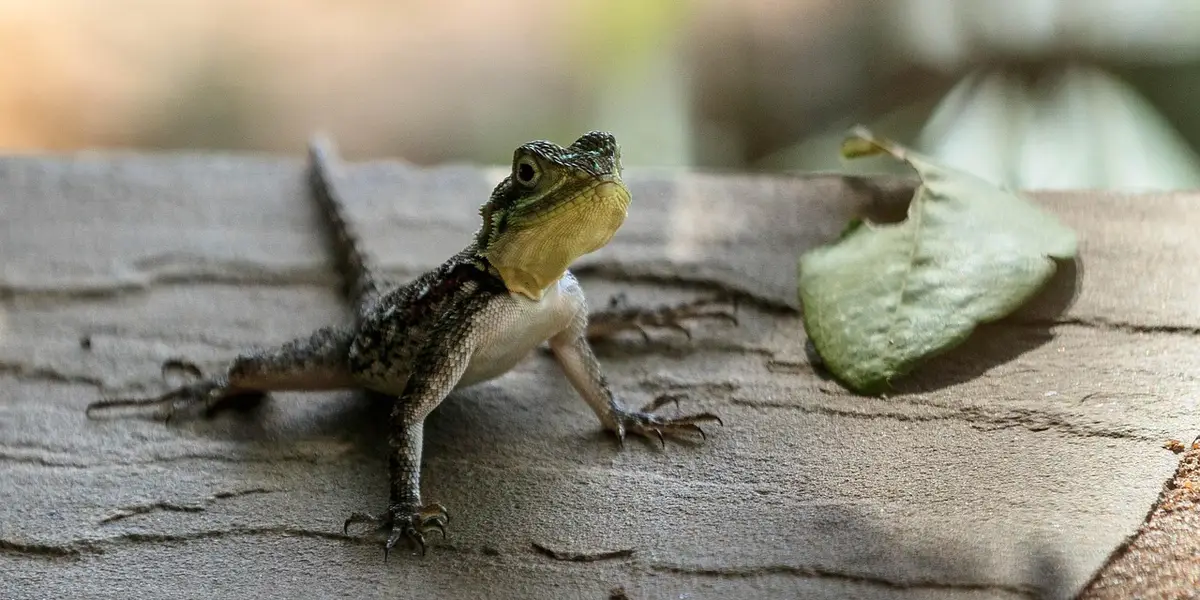
The moment you see a tiny gecko poking out of the egg is pure magic. Your job now is to be a supportive landlord, not a helicopter parent.
When the Eggs Hatch
Do not help the hatchling out of its egg. The hatching process can take many hours, and intervening can cause serious harm. The hatchling will absorb its yolk sac during this time, which provides crucial nutrients. Just let nature take its course.
Housing Your Neonates
Baby geckos can get lost and stressed in a large adult enclosure. I house my hatchlings in simple, small setups.
- Use a 5-gallon tank or a large plastic kritter keeper.
- Maintain the same temperature and high humidity as the adult enclosure.
- Provide plenty of fine-leafed plants, cork bark, and climbing surfaces for them to feel secure.
Feeding Your Growing Geckos
Hatchlings have huge appetites to fuel their rapid growth. Offer a varied diet right from the start.
- Staple Diet: Provide a high-quality Crested Gecko MRP (meal replacement powder) 24/7 in a shallow bottle cap. They will eat this constantly.
- Live Food: Two to three times a week, offer tiny, gut-loaded insects. Pinhead crickets or flightless fruit flies are perfect. Watching them hunt these tiny prey items is one of the most entertaining parts of raising them.
Growth and Moving to Adult Setups
Mourning geckos grow surprisingly fast. You’ll notice a significant size difference in just a few weeks.
- They can usually be moved into a larger, permanent adult enclosure once they are about 2-3 months old or roughly half the size of an adult.
- Keep an eye on their behavior. If they are actively exploring, eating well, and no longer look tiny in their space, it’s time for an upgrade.
Solving Common Mourning Gecko Breeding Problems
Breeding Mourning Geckos is mostly hassle-free thanks to parthenogenesis, but even these resilient ladies hit snags. I’ve seen everything from stuck eggs to mysterious infertility in my own collection, and quick action always saves the day. Let’s tackle the top issues head-on. Along the way, we’ll cover common gecko egg problems and practical solutions to save failing eggs. These quick fixes can mean the difference between a lost clutch and a thriving brood.
- Egg binding: When a gecko can’t pass her eggs, often due to low humidity or poor nutrition.
- Infertility: Even with no males, some eggs just won’t develop, usually from stress or subpar conditions.
- Low hatch rates: Eggs that do lay might not hatch, frequently because incubation settings are off.
Fixing these boils down to three key tweaks: humidity, temperature, and diet. Boosting humidity to 70-80% mimics their tropical home and eases egg laying-I use a spray bottle twice daily for my crew. Keep temperatures steady at 75-80°F; swings spook them into holding eggs. For diet, dust insects with calcium and vitamin D3 powder to prevent weak shells.
From my mishaps, I’ve nailed down mold prevention and egg safety. Once, I lost a clutch to fuzzy mold because the egg container was too wet; now I use slightly damp vermiculite and poke air holes in deli cups. Check eggs every few days-if one looks discolored or sunken, remove it fast to protect the others. A small fan on low nearby boosts airflow without chilling the eggs.
| Problem | Likely Cause | Quick Fix |
|---|---|---|
| Egg Binding | Low humidity or calcium deficiency | Raise humidity to 80%, offer calcium-rich feeders like gut-loaded crickets |
| Infertile Eggs | Environmental stress or incorrect temps | Provide more hides, stabilize temperature at 78°F, reduce handling |
| Low Hatch Rates | Poor incubation humidity or mold | Incubate at 80% humidity in ventilated containers, use antifungal substrate like perlite |
| Mold on Eggs | Excess moisture or lack of airflow | Wipe eggs gently with a damp cloth, increase ventilation, avoid overcrowding |
FAQs
How can I tell if a mourning gecko egg is fertile?
Fertile eggs are firm, white, and may show red veins when candled after a few weeks.
What is the ideal temperature for incubating mourning gecko eggs?
Keep incubation temperatures steady between 72-80°F (22-27°C) for best results.
How do I care for newborn mourning gecko hatchlings?
Provide a small enclosure with high humidity, plenty of hiding spots, and a diet of MRP and tiny insects.
Final Thoughts
Successfully raising a colony of these fascinating parthenogenetic geckos boils down to providing stable, humid environments for their eggs and being prepared for a near-constant supply of hatchlings. To support this, set up a dedicated breeding enclosure for your geckos. It should be climate-controlled with stable humidity and accessible nesting sites. Focus on a secure, well-fed adult colony, and the rest of the reproductive magic will largely take care of itself with minimal intervention needed from you.
Witnessing this unique form of life is a true privilege that comes with the responsibility of ensuring the wellbeing of every gecko you bring into your care. I encourage you to keep learning, connect with other dedicated keepers, and always prioritize the health and welfare of your scaly companions above all else.
Further Reading & Sources
- Husbandry Handbook: Mourning Gecko – Lepidodactylus lugubris
- Explained: Mourning Gecko Reproduction
- Mourning Gecko – Georgia Aquarium
The Gecko Guide is your ultimate resource for gecko enthusiasts, providing expert advice and practical tips to ensure the health and happiness of your scaly companions. Alexander is a passionate gecko owner with over a decade of experience in reptile care. We are dedicated to offering accurate, up-to-date information to support your gecko journey.Our mission is to foster a community of responsible gecko owners who are passionate about the well-being of these fascinating creatures.
Incubation & Egg Care