
Metabolic Bone Disease in Geckos: A Complete Guide to MBD
Published on: February 5, 2026 | Last Updated: February 5, 2026
Written By: Alexander 'Gecko Geek' Johnson
If your gecko is walking strangely, has a soft or crooked jaw, or seems weaker than usual, you might be facing Metabolic Bone Disease (MBD). Seeing these signs can be terrifying, and I know that panic firsthand from my own experience with one of my first geckos. You are right to be concerned, but you are also in the right place to get help.
I will help you understand this serious condition by breaking down three key takeaways:
- MBD is a preventable disease caused by a lack of usable calcium.
- Catching the symptoms early is the single most important factor for recovery.
- With immediate and correct treatment, many geckos can make a full comeback.
By the end of this guide, you will have a clear, step-by-step action plan. We will cover the causes of MBD, how to spot the early and late symptoms, the vet treatment process, at-home care for recovery, and, most importantly, how to prevent it from ever happening.
What is Metabolic Bone Disease in Geckos?
Metabolic Bone Disease, or MBD, is a serious health issue where a gecko’s bones lose their strength and density. Think of it as the skeleton becoming too soft and flexible, like a bendy straw instead of a sturdy tree branch. This happens because the body can’t properly use minerals like calcium, leading to bones that fracture easily, deformities in the legs or spine, and even jaw softening that makes eating painful.
Calcium acts as the primary building block for strong bones, while vitamin D3 is the key that unlocks your gecko’s ability to absorb it. Without enough D3, calcium just passes through their system uselessly, leaving bones weak and vulnerable. It’s a partnership – calcium provides the materials, and D3 ensures they’re put to good use. There’s also a practical difference between calcium with D3 and calcium without D3. Geckos that receive adequate UVB exposure may do fine with calcium without D3, while those lacking UVB typically need calcium with D3 to absorb calcium properly.
I’ll never forget the first time I spotted MBD in my leopard gecko, Griffey. He went from energetically posing on his favorite rock to struggling with a slight wobble in his back legs, a heartbreaking sign that his bones were weakening. Catching it early made all the difference, and it taught me to be hyper-vigilant about their nutrition.
To make this relatable, imagine a piece of sturdy blackboard chalk versus a cheap, crumbly stick of sidewalk chalk. Healthy gecko bones are like the classroom chalk – firm and reliable. MBD turns them into the sidewalk version, brittle and prone to snapping under pressure.
Common Causes of MBD in Geckos
The main culprits behind MBD are often linked to simple oversights in care that stack up over time. Addressing these root causes is your first line of defense in protecting your gecko from this painful condition.
- Calcium Deficiency: Not enough calcium in the diet or poor absorption.
- Lack of UVB Lighting: UVB rays help geckos produce their own vitamin D3.
- Vitamin D3 Issues: Either from no UVB light or inadequate dietary supplementation.
- Phosphorus Imbalance: Too much phosphorus can block calcium absorption.
Improper diet and husbandry are the usual suspects. Feeding insects that haven’t been gut-loaded with calcium or skipping dusting with supplements directly robs your gecko of essential nutrients. Similarly, skipping UVB lighting or using the wrong type creates a vitamin D3 deficit that cripples their bone health. These are among the 9 common gecko feeding mistakes that compromise health. Recognizing them helps you prevent issues before they start.
Species-Specific Risks for Leopard and Crested Geckos
Different geckos have different needs. Leopard geckos, like my curious Griffey, are insectivores and rely entirely on their diet for calcium, making supplementation non-negotiable. Crested geckos, such as my calm Jeter, often eat prepared diets that should be fortified, but if you primarily feed fruit mixes without checking labels, they can still fall short. So, do crested geckos need different supplements than leopard geckos? Yes—crested geckos typically benefit from fortified prepared diets, whereas leopard geckos rely on calcium from their insect-based meals.
I made my share of blunders early on. I once assumed my geckos were fine with just a bowl of calcium powder in their tank, not realizing they needed it directly on their food and UVB light to use it. That mistake was a tough lesson in proactive, not reactive, reptile care.
Symptoms: How to Spot MBD Early in Your Gecko
Spotting MBD early can make all the difference in your gecko’s recovery. The first signs are often subtle changes in energy and movement.
- Lethargy: Your normally active gecko may spend all its time hiding and seem too tired to explore.
- Tremors or Shaking: You might notice a slight, constant twitching in their legs or body, especially when they try to move.
- Difficulty Moving: They may start to “drag” their back legs or have trouble climbing surfaces they used to scale with ease.
As the disease progresses without treatment, the symptoms become much more severe and physically obvious.
- Bone Deformities: You may see bumps or curves in their spine, legs, or tail. The limbs can look bent or “rubbery.”
- Jaw Softening (Rubber Jaw): This is a classic sign. The lower jaw becomes soft and pliable, making it difficult for them to eat.
- Anorexia: Because their jaw hurts or is too weak to function, they will stop eating entirely.
Is MBD painful for geckos? Absolutely, yes. Imagine the deep, constant ache of a broken bone that hasn’t healed properly. That is what MBD feels like for them. Their bodies are literally struggling to hold their own weight, and every movement can cause discomfort.
I first noticed something was off with my leopard gecko, Griffey. He’s usually the first one to pop his head out for food, but he started staying hidden. Then I saw it-a slight wobble in his back legs as he walked. It was so easy to dismiss as just a clumsy step, but my gut told me it was more. That subtle hesitation was the first clue.
Diagnosing MBD: When to See a Veterinarian
If you suspect MBD, a reptile veterinarian is your most important partner. They will perform a series of tests to confirm the diagnosis and assess the severity.
- Physical Exam: The vet will gently feel your gecko’s limbs, jaw, and spine for any softness, swelling, or deformities.
- Radiographs (X-rays): This is the gold standard. X-rays clearly show bone density. Healthy bones are bright white; bones affected by MBD look faded, thin, or even have visible fractures.
- Blood Tests: While less common, a blood test can check ionized calcium levels, providing a clear picture of the metabolic imbalance.
Do not wait for advanced symptoms to appear. The moment you notice persistent lethargy, tremors, or any difficulty moving, schedule a vet appointment. Early intervention can often reverse the damage.
You should seek emergency veterinary help if your gecko shows any of these severe symptoms: it cannot lift its body off the ground, has a visibly broken limb, has stopped eating and drinking entirely, or appears to be in significant distress. To help you handle such cases, refer to our ultimate gecko health troubleshooting checklist, a step-by-step diagnostic guide. It provides a practical, incremental approach to diagnosing and addressing common gecko health issues.
A standard vet visit for a suspected MBD case can cost between $100 and $300, depending on your location and the required tests. This typically covers the exam fee and X-rays. If you’re wondering how much a gecko vet visit costs, this range is a common starting point. Additional diagnostics or treatments can raise the total. Be prepared to discuss your husbandry in detail-your gecko’s diet, supplements, and UVB lighting setup-as this information is critical for diagnosis and treatment.
Treatment Steps for MBD in Geckos
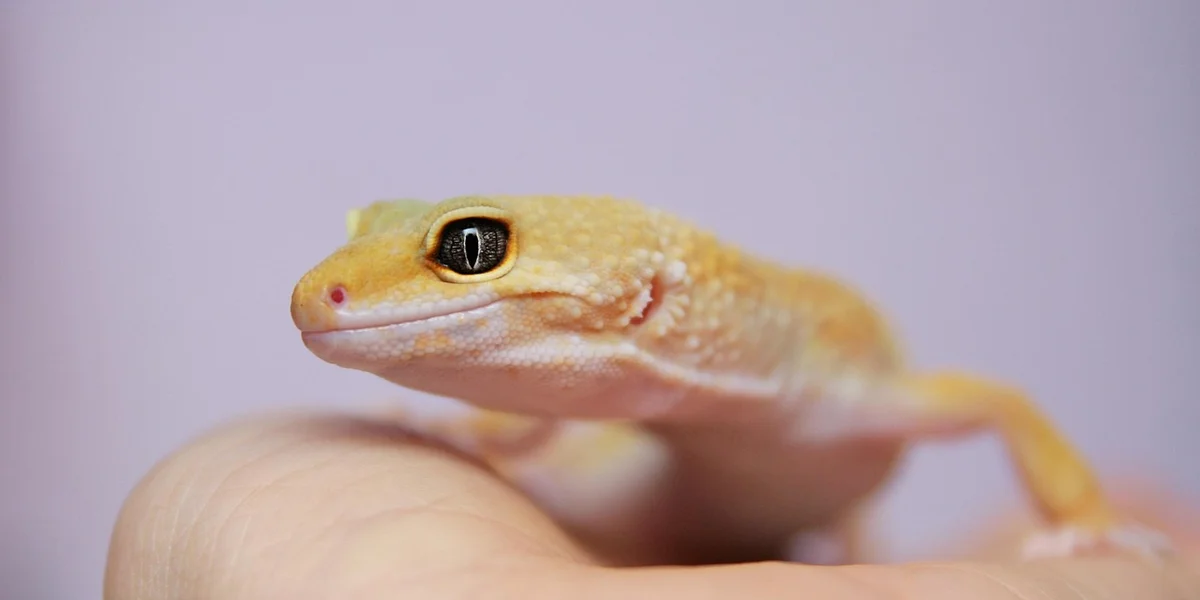
When MBD strikes, quick action can save your gecko’s life. I rushed my leopard gecko Griffey to the vet at the first sign of limb tremors, and it made all the difference.
Emergency Care Steps
- Rehydrate your gecko immediately. Offer water via a small syringe or dropper, or provide a shallow warm water bath for 10-15 minutes. Dehydration worsens MBD symptoms fast.
- Seek veterinary care for calcium gluconate injections. This is not a DIY step-only a vet can safely administer injections to stabilize calcium levels. I learned this the hard way when my crested gecko Jeter needed urgent help.
Long-Term Treatment Plan
- Give oral calcium supplements without vitamin D3 daily. Dust feeder insects lightly, or for geckos like cresteds that eat fruit mixes, blend it into their food.
- Install a UVB light setup. Use a linear T5 or T8 bulb covering ⅔ of the enclosure, placed 12-18 inches above the basking spot. Replace bulbs every 6-12 months.
Species-Specific Treatment Guides
Leopard Geckos (Like Griffey)
Leopard geckos are often kept without UVB, but they benefit greatly from low-level exposure. I added a shadedweller UVB bulb to Griffey’s tank, and his energy levels soared. Combine this with calcium-dusted crickets or mealworms.
Crested Geckos (Like Jeter)
Crested geckos need UVB to metabolize calcium from their diet. Jeter perches under his UVB light daily, mimicking natural canopy exposure. UVB lighting requirements vary by gecko species, so a quick species breakdown helps tailor setups for pet geckos. Offer UVB alongside calcium-enriched fruit paste or insects.
Is MBD Reversible?
Yes, if caught early! Mild to moderate MBD can reverse with consistent care. My fat-tailed gecko A-Rod showed marked improvement in posture within 3 months of treatment. Severe cases may leave permanent deformities, but quality of life can still improve.
Recovery Timeline Example
- Weeks 1-4: Reduced trembling, better appetite.
- Months 2-6: Improved bone density, more active movement.
- 6+ months: Near-full recovery with ongoing maintenance.
Husbandry Corrections
- Enclosure adjustments: Ensure proper temperature gradients (75-90°F), add multiple hides, and use safe substrates like paper towel or tile.
- Diet changes: Gut-load insects with calcium-rich veggies, and avoid high-phosphorus foods like spinach. Variety is key-rotate between crickets, roaches, and worms.
Preventing MBD: Best Practices for Gecko Care
Prevention is simpler than treatment, and it starts with daily habits. I’ve kept all five of my geckos MBD-free for years by sticking to these routines.
Diet and Calcium Supplementation
- Dust insects with calcium powder at every feeding for insectivores like leopard geckos.
- For frugivores like crested geckos, use calcium-fortified diets or lightly dust fruit mixes 2-3 times weekly.
- Always provide a small dish of plain calcium powder in the enclosure for self-regulation.
Proper UVB Lighting and Basking
UVB helps geckos produce vitamin D3, which is essential for calcium absorption. My gargoyle gecko Mookie leaps onto his basking branch under the UVB light like it’s his favorite playground. Position the UVB light directly above the basking branch for consistent exposure. Set basking spots to 85-90°F for day-active species, and ensure 10-12 hours of light daily.
Phosphorus Balance and Substrate Safety
- Aim for a 2:1 calcium-to-phosphorus ratio in foods. Avoid items like celery or lettuce that skew this balance.
- Use non-particulate substrates-paper towel, reptile carpet, or slate tile prevent impaction risks. Loose substrates can cause more harm than good, especially for beginners.
My Personal Prevention Strategies
I mimic natural cycles: UVB on timers, seasonal diet variations, and monthly weight checks. My giant day gecko Babe stays vibrant by basking openly under his UVB light, which I position carefully to avoid overexposure. Regular vet visits catch issues early.
Preventing MBD in Leopard Geckos
Leopard geckos are prone to MBD if kept without UVB or proper supplements. I use a low-output UVB bulb for Griffey and dust his mealworms with calcium plus D3 weekly. UVB lighting and MBD are closely connected, as UVB lighting helps geckos metabolize calcium and prevents metabolic bone disease. Keep their enclosures warm and clutter-free to encourage activity and bone health.
FAQs
Is Metabolic Bone Disease in geckos contagious to other pets?
No, MBD is not contagious as it results from nutritional and environmental deficiencies rather than infectious agents.
Can juvenile geckos develop MBD, or is it only a concern for adults?
Yes, juvenile geckos are actually more susceptible to MBD due to their rapid growth and higher calcium demands.
What is the typical survival rate for geckos diagnosed with severe MBD?
With prompt and proper veterinary care, many geckos can survive and improve, though severe cases may have permanent deformities but can still maintain a good quality of life. Common crested gecko health problems—such as dehydration, calcium metabolism issues, parasites, and infections—can often be prevented or treated with proper husbandry and timely veterinary intervention. Proper calcium and vitamin D3 supplementation, appropriate humidity, clean enclosures, and routine checkups help address these issues and support long-term health.
Your Gecko’s Health Is in Your Hands
MBD is a serious but largely preventable disease, and your consistent care is the best medicine. Focus on providing a proper diet rich in calcium, a reliable source of UVB lighting, and the correct heat gradients in their enclosure to help your gecko process that calcium effectively.
Being a great gecko keeper means committing to lifelong learning and staying alert to your pet’s needs. Continue reading from trusted sources, connect with experienced keepers, and never hesitate to consult a reptile-savvy vet at the first sign of trouble-your vigilance is your gecko’s greatest asset.
Further Reading & Sources
- r/leopardgeckos on Reddit: How To Identify, Treat, And Prevent Metabolic Bone Disease in Leopard Geckos (a little basic info post) Read & Share Experience In The Comments
- Metabolic Bone Disease (MBD) in Reptiles | PetMD
- Metabolic bone disease in reptiles – CHICAGO EXOTICS ANIMAL HOSPITAL
The Gecko Guide is your ultimate resource for gecko enthusiasts, providing expert advice and practical tips to ensure the health and happiness of your scaly companions. Alexander is a passionate gecko owner with over a decade of experience in reptile care. We are dedicated to offering accurate, up-to-date information to support your gecko journey.Our mission is to foster a community of responsible gecko owners who are passionate about the well-being of these fascinating creatures.
Gecko Health