
Your First 24 Hours with a New Gecko: An Essential Step-by-Step Guide
Published on: February 7, 2026 | Last Updated: February 7, 2026
Written By: Alexander 'Gecko Geek' Johnson
Bringing home your new gecko is thrilling, but those first hours can feel overwhelming as you worry about stress, feeding, and proper handling.
I’ve been there with my own geckos-like when Griffey needed quiet time to adjust-and I’m here to help you navigate this critical period with confidence.
We’ll focus on three key areas to set your gecko up for success:
- Creating a calm, secure habitat to reduce stress right away.
- Knowing when and what to feed for that crucial first meal.
- Building trust through gentle, limited interaction.
You’ll receive straightforward, step-by-step guidance to ensure a healthy start. Topics covered include: Acclimation, First Feeding, Handling Techniques, Health Observation.
Pre-Arrival Preparation: Setting Up the Habitat
Getting the enclosure ready before your gecko arrives is the single most important thing you can do for their well-being. A properly set-up habitat immediately tells your new pet they are in a safe, stable place. I learned this the hard way with my first gecko, and I want you to have a smoother start. And part of that safety extends beyond the tank—look around your home for hazards that could reach the enclosure, such as those outlined in this article on hazards around your home. Tuck away cords, keep chemicals sealed and off the floor, and avoid placing the tank near heaters or vents.
Choosing and Setting Up the Enclosure
Start by selecting a terrarium suited to your gecko’s adult size; a 20-gallon long tank is a great starting point for many terrestrial species like Leopard Geckos. Vertical space is king for climbers like Crested or Gargoyle Geckos, so prioritize height. Remember that tank size should fit the species’ housing requirements. Plan the setup with the right substrate, hides, and climate controls for that species.
- Substrate: For beginners, I strongly recommend simple, safe options. Paper towel is my go-to for the first few months-it’s sterile, easy to clean, and lets you monitor health. Loose substrates can wait until you’re more experienced.
- Hide Spots: You need at least two hides. Place one on the warm end and one on the cool end. My gecko, Griffey, loves his warm hide after eating, while A-Rod prefers the cool, dark solitude of his. This gives them control over their body temperature and reduces stress.
- Climbing Decor: Don’t just throw in a branch. Think about how your gecko will use the space. My Crested Gecko, Jeter, spends all his time on his magnetic ledge and vines. Use cork rounds, fake plants, and branches to create a 3D environment that offers security and enrichment.
Essential Equipment Checklist
Do not wait until the gecko is in the tank to figure out your equipment. Test everything for at least 24-48 hours before pickup day to ensure stability. Here is your non-negotiable shopping list:
- Digital Thermometer/Hygrometer: Analog gauges are often inaccurate. You need digital to trust your readings.
- Heat Source: An under-tank heater regulated by a thermostat is safest for most. Overhead heating like a Deep Heat Projector is also excellent.
- Thermostat: This is not optional. An unregulated heat mat can cause severe burns. Plug your heat source into this.
- UVB Lighting: Research if your species benefits from it. For my Day Gecko, Babe, it’s essential for his health and vibrant color.
- Water & Food Dishes: Use shallow, easy-to-clean dishes to prevent drowning and make eating accessible.
- Safe Decor: Ensure all items have no sharp edges and are securely placed to prevent falls or collapses.
Temperature and Humidity Control
Getting the climate right is a science, but you can master it. Your goal is to create a gradient, not a single uniform temperature.
- Temperature Gradient: Use your thermostat to set the warm side. For a Leopard Gecko, aim for a surface temperature of 88-92°F on the warm end and a cool end around 70-75°F.
- Monitoring: Check your digital thermometers multiple times a day at first. Your heat source’s performance can change with room temperature fluctuations.
- Humidity & Misting: This is species-specific. My Crested Gecko needs a humidity spike at night, so I mist his enclosure heavily in the evening. My Leopard Gecko only needs a moist hide. Know your species’ needs and mist accordingly.
The Initial Transfer: Bringing Your Gecko Home
The car ride home is stressful, and the transfer can be the most nerve-wracking part for you. The golden rule is minimal handling and maximum patience. I gently open the travel container and place the entire thing inside the prepared enclosure if it fits.
Let your gecko come out on their own time. Resist the overwhelming urge to hold them; you have their whole life ahead for bonding. If the container is too big, you can coax them into a smaller temporary tub inside the enclosure to make the final release less jarring.
Quarantine and Biosecurity Measures
If you have other reptiles, this step is non-negotiable for animal welfare. Quarantine isn’t just being cautious; it’s a critical responsibility that prevents the spread of invisible illnesses. I always quarantine new arrivals like Mookie for a minimum of 60-90 days in a completely separate room.
- Separate Tools: Have a dedicated set of feeding tongs, cleaning sprayers, and paper towels for the quarantine enclosure. Do not cross-contaminate.
- Hand Washing: Wash your hands thoroughly with soap and water after tending to the new gecko before you touch any of your other pets or their enclosures.
- Enclosure Isolation: The quarantine tank should be the last one you service each day to avoid tracking potential pathogens to your established, healthy animals.
First Health Check and Observation
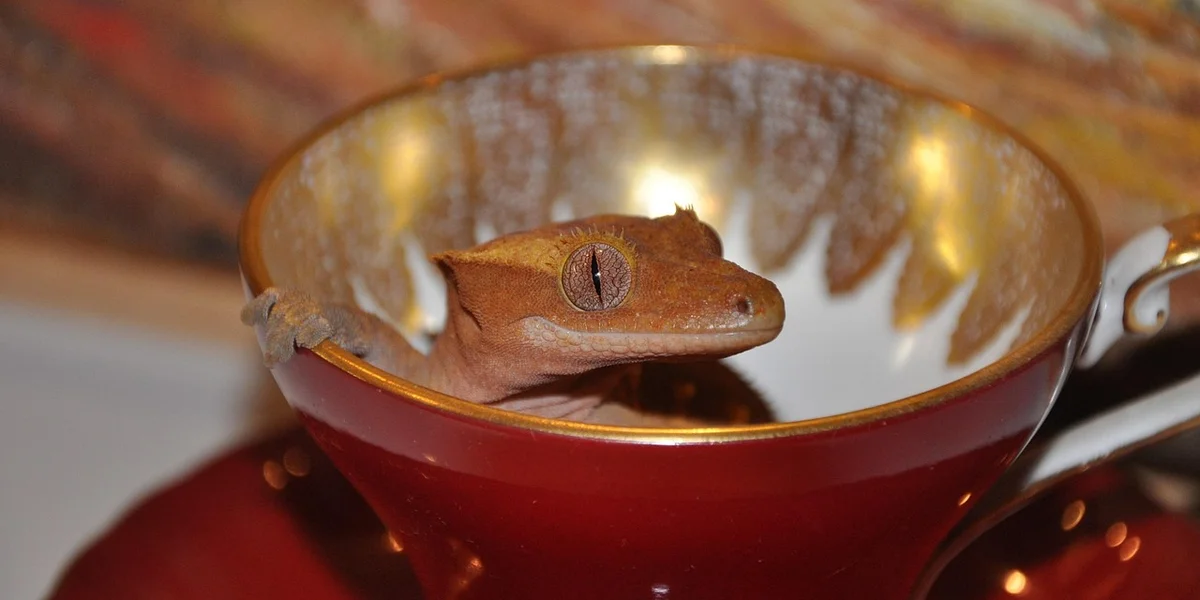
Before you even think about handling your new friend, your first job is to be a quiet, observant detective. I always spend the first few hours just watching my new geckos from a distance, learning their baseline behavior without causing them any extra stress. This passive observation is your most powerful tool right now.
- Look for clear, bright eyes that are free of any crusty material.
- Check that the nostrils are clean and not bubbly or clogged.
- Examine the skin for any patches of stuck shed, especially on the toes and tail tip.
- Watch the body condition; a healthy gecko should not have a visibly bony spine or a pinched, thin tail.
- Listen for any wheezing or clicking sounds when they breathe, which is a red flag.
- Notice their general energy level. A little hiding is normal, but total lethargy is not.
If you see labored breathing, discharge from the eyes or nose, or significant weight loss, contact a reptile vet immediately. It’s always better to be safe and get a professional opinion early on.
Spotting Common Stress Behaviors
Your gecko will tell you they’re stressed through their actions, not their words. My crested gecko, Jeter, spent his first day glued to the back of a leaf, and that was his way of saying, “I need space.” Often, these stress signals are tied to the gecko’s environment—temperature, humidity, lighting, and hiding spots all matter. When the enclosure isn’t right, even a normally calm gecko may show stress. You can learn more about the signs of stress related to the gecko’s environment here. Recognizing these signals is the first step to helping your pet feel secure.
- Excessive Hiding: It’s normal to hide, but if they never, ever come out, even at night, it can signal high stress.
- Refusing Food: Most geckos won’t eat on day one. Don’t panic. But continued refusal is a sign something’s wrong.
- Glass Surfing: Frantically scratching at the glass walls often means the enclosure is too small, too hot, or just overwhelming.
- Tail Vibrating: A fast, rattlesnake-like tail shake is a definite “back off” signal.
To reduce these stressors, keep the room quiet and avoid sudden movements. I also drape a light cloth over three sides of the tank for the first few days to make my geckos, like my feisty A-Rod, feel more enclosed and safe. Dim the lights in the room during the evening to mimic a natural day/night cycle.
Feeding and Hydration Basics
Patience is everything when it comes to the first meal. I always wait a full 24 hours after my gecko is in its new home before even offering food. This gives them crucial time to settle in without the pressure of a giant, moving “predator” (your hand) invading their space.
Start with a few small, appropriate insects. For leopard and fat-tailed geckos, that’s gut-loaded crickets or small dubia roaches. For cresties and gargoyles, offer a small dish of their Repashy or Pangea diet. Gut-loading your feeder insects with nutritious veggies 24 hours before feeding is non-negotiable-it’s how you pass vital nutrients to your gecko. That means combining different feeder insects to balance protein, fat, and minerals. Aim for varied meals rather than a single prey type. Always dust the insects with a plain calcium supplement for bone health.
Provide a shallow dish of fresh, dechlorinated water immediately. Change it daily. You can monitor hydration by watching for drinking and ensuring their skin doesn’t look wrinkled or dry. To tell if your gecko is dehydrated, look for signs like sunken eyes, dry mouth, or skin that stays wrinkled. A well-hydrated gecko is a happy gecko.
Setting Up the Feeding Station
Where and how you present food makes a big difference. I use simple, shallow ceramic dishes for both food and water—they’re sturdy and easy to clean. Placing the food dish away from the busiest hide gives your gecko a sense of security while they eat. Different gecko species can have different preferences for dish size, depth, and placement. Tailoring the setup to the species you keep can help them eat more comfortably.
- Choose dishes with low sides so your gecko can easily climb in and out.
- Position the dishes on the cool side of the tank, away from the primary heat source. This keeps live feeders from overheating and dying quickly.
- Keep the dishes elevated on a flat tile or piece of decor to prevent substrate like coconut fiber from getting kicked into the food or water.
- This setup creates a dedicated, clean zone for mealtime that’s easy for you to manage and for your gecko to find. My gecko Babe knows his food dish spot and will often be waiting there at dusk, ready for his grub.
Acclimation and Minimal Handling
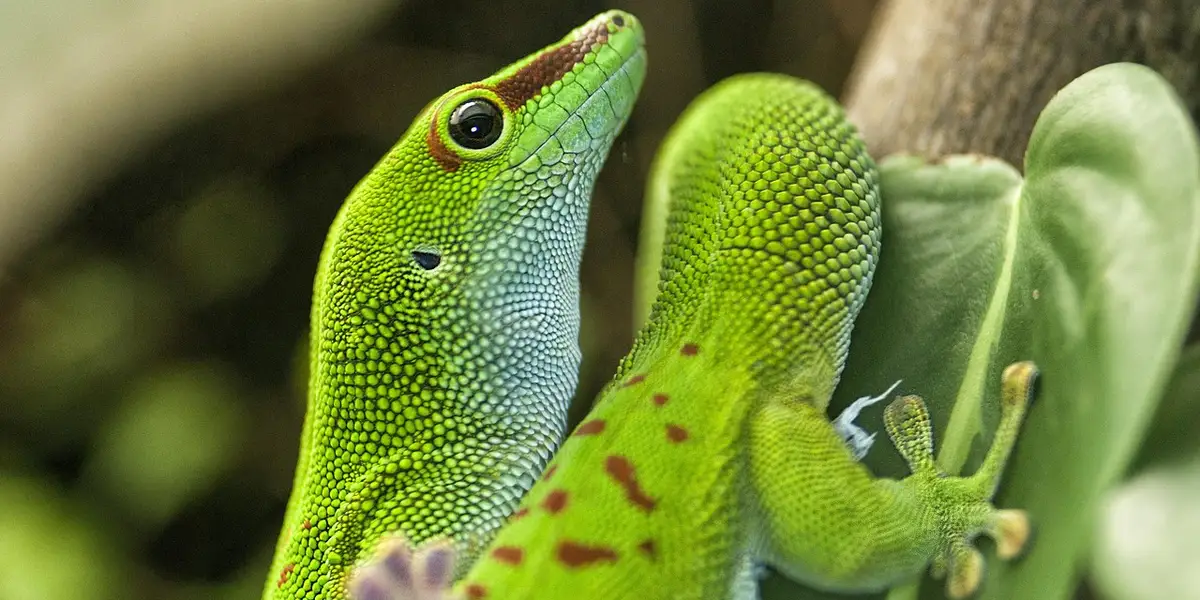
Your new gecko is likely feeling overwhelmed in their unfamiliar surroundings. I always avoid handling my geckos for at least the first full day to let them decompress without added stress. When I brought home Jeter, my crested gecko, I resisted the urge to hold him, and he started exploring his hides within hours instead of hiding for days.
- Allow your gecko to investigate their enclosure on their own by ensuring it’s fully set up with accessible hides, fresh water, and proper substrate before they arrive.
- Build trust through quiet presence-sit near the tank for 10-15 minutes a few times daily, speaking softly so they get used to your voice and scent.
- Skip any direct contact; let them set the pace for interaction to prevent them from associating you with fear or danger.
Creating a Calm Environment
Geckos thrive in predictable, low-stress settings. Reducing sudden noises and movements near their enclosure can make a huge difference in how quickly they settle in. With A-Rod, my African fat-tailed gecko, I used a partial tank cover to block out hallway activity, and he became more active almost immediately.
- Keep household traffic minimal around the tank-avoid loud TVs, vacuuming, or playful pets in the same room during the first day.
- Use a lightweight cloth to cover one or two sides of the enclosure for added security, or play soft, consistent background music to mask jarring sounds.
- Stick to a consistent day/night cycle with a timer on their lighting; this mimics natural rhythms and helps regulate their behavior and sleep.
Ongoing Monitoring and Adjustment
Stay observant without being intrusive over these critical first hours. Continuous checks on temperature and humidity help you catch issues before they affect your gecko’s health. Monitoring Babe, my giant day gecko, I noticed his heat lamp was too intense and adjusted it before he showed signs of stress.
- Verify temperatures in warm and cool zones using digital thermometers-aim for species-specific ranges to support digestion and comfort.
- Track humidity with a hygrometer; mist if needed, but avoid oversaturating the substrate to prevent respiratory problems.
- Watch for hide usage; if your gecko avoids all hides, consider adding more or rearranging them to better suit their preferences.
- Note behavioral cues like pacing, glass-surfing, or unusual lethargy-these can signal needed tweaks in setup or routine.
When to Intervene or Seek Help
Most geckos adapt smoothly, but some situations demand quick action. Prolonged refusal to eat or visible injuries are clear signs that something is wrong and needs addressing. Recognizing these early warning signs helps identify illness in geckos before it worsens. Early detection makes treatment easier and outcomes better. When Mookie, my gargoyle gecko, skipped meals for over 48 hours, I contacted my vet and learned he had a minor parasite issue we caught early.
- Red flags include no interest in food after 24-48 hours, obvious wounds, swelling, labored breathing, or persistent hiding without exploration.
- If you observe these, reach out to a reptile-experienced veterinarian-have a list of local vets ready before you even bring your gecko home.
- Prepare for a potential visit by keeping a small carrier handy and jotting down notes on symptoms, eating habits, and any changes in behavior.
FAQs
When is the best time to start handling my new gecko?
Wait at least 24 to 48 hours after arrival before attempting any handling to allow your gecko to settle and reduce stress.
What if my gecko doesn’t eat during the first 24 hours?
It’s normal for geckos to skip their first meal, but if they refuse food after 48 hours, check habitat conditions and consult a reptile vet if the issue continues. If you’re wondering why my gecko not eating, here’s what to do. First, check temperature, humidity, and enclosure setup, then keep a feeding log.
How can I tell if my gecko is healthy and adjusting well?
A healthy, well-adjusted gecko will have clear eyes, clean nostrils, and show some exploration or normal hiding behavior without signs of lethargy or labored breathing. So, when choosing a gecko, you should look for these signs in person and gauge its responsiveness and overall condition before deciding.
Your First 24 Hours: Wrapped Up
Your first day is all about creating a calm, stable environment. Your primary goal is to let your new gecko settle in without pressure, which means a quiet tank, fresh water, and absolutely no handling. Resist the urge to check on them constantly; trust that they are using this time to de-stress and learn their new home is safe. Knowing regular ways to calm a stressed gecko can help you provide the best care moving forward.
This 24-hour period is just the beginning of a rewarding journey. Becoming a great gecko keeper is a continuous process of observation, research, and adapting to your pet’s unique personality and needs. Always prioritize their welfare, and you’ll be rewarded with a fascinating and healthy companion for years to come.
Further Reading & Sources
- How to Care for a Baby Gecko | Baby Lizard Care | PetMD
- The Insider’s Guide To The Giant Day Gecko – Reptiles Magazine
- Giant Day Gecko Care Guide by ReptilesNCritters. …
The Gecko Guide is your ultimate resource for gecko enthusiasts, providing expert advice and practical tips to ensure the health and happiness of your scaly companions. Alexander is a passionate gecko owner with over a decade of experience in reptile care. We are dedicated to offering accurate, up-to-date information to support your gecko journey.Our mission is to foster a community of responsible gecko owners who are passionate about the well-being of these fascinating creatures.
Hatchling & Juvenile Care