
Spotting Early Signs of Illness in Your Gecko
Published on: February 1, 2026 | Last Updated: February 1, 2026
Written By: Alexander 'Gecko Geek' Johnson
That subtle change in your gecko’s behavior or appearance can be the first, quiet clue that something is wrong. As a multi-gecko owner myself, I know that stomach-dropping feeling of worry. Reptiles are masters at hiding weakness, so noticing these small shifts is your superpower.
I’m here to help you decode your pet’s signals. We’ll cover the critical, easy-to-miss warnings that demand your attention.
- How to perform a simple, at-home health check in under five minutes.
- The specific behavioral red flags that scream “vet visit now.”
- Which physical symptoms are often mistaken for normal behavior.
You will get clear, actionable advice based on my own lived experience with my crew. This article covers: weight loss, lethargy, appetite changes, skin and shedding issues, breathing difficulties, eye problems, and abnormal droppings.
Behavioral Changes and Activity Levels
Your gecko’s personality is one of your best diagnostic tools. A sudden shift in their normal behavior is often the very first clue that something is wrong. When you’re concerned, track what counts as normal for your gecko—eating patterns, activity level, and curiosity. A deviation from that baseline can signal an issue that may require veterinary care.
Lethargy is a huge red flag. A healthy gecko, like my leopard gecko Griffey, is usually curious and explores his hides. If your gecko is consistently parked in one spot, reluctant to move even for food, pay close attention. Lethargy is not just a lazy day; it’s a sign their body is fighting something.
Increased hiding can also signal trouble. All geckos hide, but a sick one might disappear for days, avoiding all interaction. I once had a crestie who was suddenly always buried in the foliage, which was completely unlike her normally visible self. If you’re wondering why my gecko is hiding all the time, here’s a quick troubleshooting checklist to narrow down the causes. Start by checking enclosure conditions (temperature, humidity, lighting), hiding spots, and signs of illness.
You should monitor daily activity. I do a quick “headcount” and behavior check every evening when I turn on the lights. I note who is out, who is active, and if their posture looks normal. This takes two minutes but builds a crucial baseline.
Tremors or clumsiness are serious neurological red flags. A gecko that is wobbling, falling over, or unable to climb glass they usually scale with ease needs a vet. If your gecko seems uncoordinated, don’t wait and see; this is often a sign of a critical issue like a vitamin deficiency.
Appetite and Eating Habits
A change in appetite is one of the most common and noticeable symptoms of illness in reptiles. You must become a keen observer of their eating rituals.
Anorexia and weight loss go hand-in-hand. A gecko skipping a meal or two isn’t a crisis, but refusing food for several days is. More importantly, you must watch for weight loss. Not sure what to do if your gecko isn’t eating? Start by checking enclosure temperature, humidity, and hydration, and monitor for continued weight loss. I weigh my geckos every two weeks with a small digital scale; a steady drop in grams confirms your suspicion that they are not eating enough.
Regurgitation is different from a normal poop and is a major concern. If you find a slimy, undigested insect bolus in the enclosure, your gecko is vomiting. This can point to impaction, parasites, or temperatures that are too low for proper digestion. Understanding why leopard geckos vomit helps you address digestive issues early and prevent recurrence.
My gecko A-Rod taught me to observe feeding sessions closely. He once started aggressively striking at his food but then refusing to eat it, which was bizarre. Watching how they hunt and consume food can reveal problems with their jaw, tongue, or eyesight that you’d otherwise miss. It’s especially important for species like leopard geckos.
When should you worry about a food refusal? For an adult, I start to worry after 5-7 days. For a juvenile, it’s just 2-3 days because they need constant fuel to grow. Always check your temperatures first, as a cold gecko simply cannot digest its food.
Digestive and Fecal Indicators
Your gecko’s droppings are a daily health report card. You can learn a lot about their internal state just by glancing at their waste. Normal droppings have a firm, dark brown or black fecal portion and a separate white urate.
Be on high alert for these digestive red flags:
- Diarrhea: Runny, shapeless, or overly wet droppings. This can signal parasites, a bacterial infection, or stress.
- Constipation: A lack of droppings for several days, often accompanied by a loss of appetite. This is a common precursor to impaction.
- Abnormal Color: Red streaks can mean blood, while yellow or green urates often point to severe dehydration or liver issues.
A swollen or distended abdomen is a serious concern. If your gecko’s belly looks unusually round, hard, or bloated, impaction is a likely culprit. This is a life-threatening blockage in the digestive tract, often caused by ingesting loose substrate or large pieces of shed skin.
My leopard gecko, Griffey, once had a minor impaction scare after he decided his moss was a snack. I learned to always check his tank for potential hazards after that nerve-wracking experience.
How to Check Fecal Health and Hydration
- Perform a Daily Spot-Check: When you feed your gecko, quickly scan the enclosure for fresh droppings.
- Assess Consistency: The droppings should hold their form, not be a soupy puddle.
- Check the Urate: A healthy urate is white, not yellow or chalky. Yellow urates scream dehydration.
- Monitor Frequency: Know your gecko’s normal schedule. A sudden stop in defecation is a major warning sign.
Respiratory and Breathing Signs
Geckos can get respiratory infections, and they often start subtly. Listening to your gecko breathe can be as important as watching them eat. Healthy breathing is silent and effortless. Understanding what normal breathing looks like helps you spot potential respiratory issues in geckos. If you notice wheezing, open-mouth breathing, or nasal discharge, consult a reptile veterinarian promptly.
Watch and listen for these troubling symptoms:
- Wheezing, clicking, or popping sounds with each breath.
- Open-mouth breathing or gasping for air.
- Mucus or bubbles around the nostrils or mouth.
- Labored breathing, where you see the sides of the body working hard to inhale and exhale.
- Lethargy and loss of appetite often accompany respiratory distress.
A quiet wheeze is easy to miss, so I make it a habit to hold my geckos close to my ear for a moment during handling sessions. You should only hear the quiet rustle of their movement, not their lungs.
To check for mucus, gently hold your gecko and look closely at its face. Any crustiness, wetness, or tiny bubbles around the nose are not normal and need a vet’s attention.
I once had a scare with my crested gecko, Jeter. He developed a respiratory infection after a sudden drop in nighttime humidity, and the first sign was a faint clicking sound I almost dismissed. Catching it early made all the difference in his quick recovery.
Skin, Eyes, and Mouth Health
-
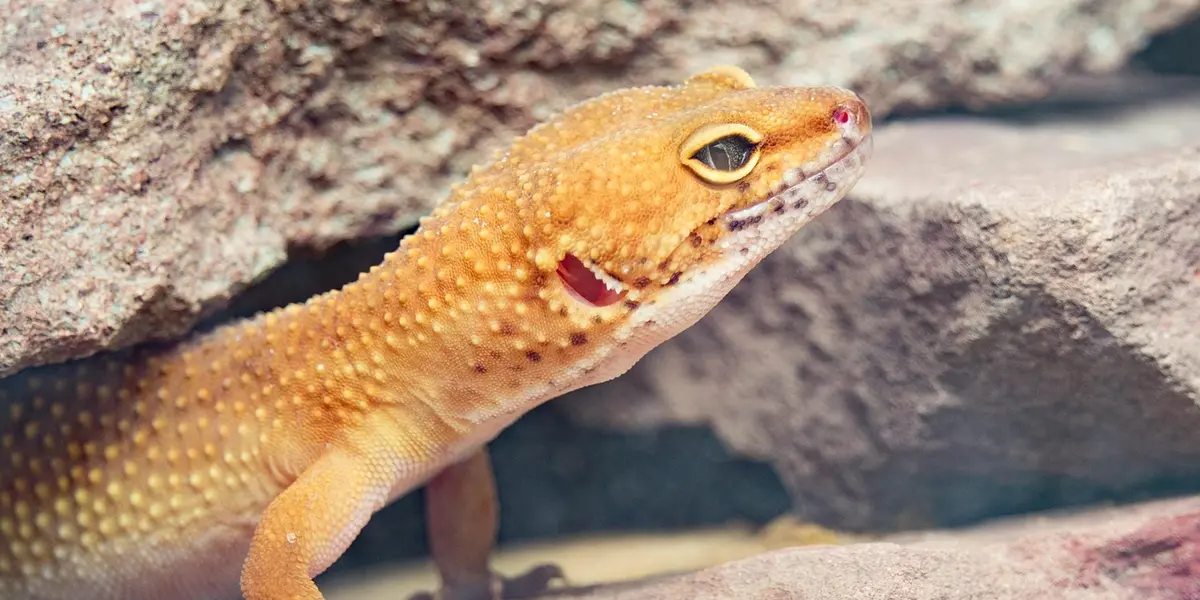
Abnormal shedding is a major clue something is off. If your gecko struggles to shed completely or has patches of old skin stuck, especially on toes or tail tips, it often points to low humidity or poor health. I learned this when Griffey, my leopard gecko, had retained shed on his feet after I accidentally let his humid hide dry out. Understanding shedding problems helps you respond quickly and keep your gecko comfortable. By recognizing the signs early, you can adjust humidity and care to prevent stubborn sheds. Skin wrinkles are another red flag—they scream dehydration. A healthy gecko should have smooth, plump skin, not a crumpled look.
-
Eye issues can signal underlying problems fast. Sunken eyes make your gecko look tired and often mean severe dehydration or weight loss. Dull, cloudy eyes might indicate an infection or stuck shed over the eye. Discharge, like crusty buildup or wetness, is not normal. My crested gecko Jeter once had slight eye discharge, which turned out to be a minor respiratory issue I caught early by increasing his tank’s ventilation.
-
Mouth health is easy to overlook but vital. A dry, sticky mouth or pale gums can suggest anemia or dehydration, while excess mucus or pus hints at mouth rot, a bacterial infection. I check my geckos’ mouths during handling by gently lifting their lip-A-Rod, my fat-tailed gecko, had pale gums once, alerting me to a vitamin deficiency I fixed with diet adjustments.
Emergency Red Flags Requiring Immediate Action
-
Severe dehydration shows up as loose skin that doesn’t snap back, sunken eyes, and lethargy. Rapid weight loss, where you see hip bones or a skinny tail in days, demands a vet visit-it could mean parasites or organ issues. Tremors or shaking are neurological signs; my gargoyle gecko Mookie had mild tremors once from low calcium, which I resolved with supplements under vet guidance.
-
Critical signs like labored breathing, with wheezing or open-mouth breathing, often mean respiratory infections. A swollen, hard abdomen can indicate impaction or egg-binding, both life-threatening without quick care. If your gecko stops moving or collapses, don’t wait-rush to an exotic vet. These aren’t “wait and see” situations; they need professional help now.
-
From my own scares, I recall Babe, my day gecko, once had a swollen belly from overeating. I acted fast by isolating him and consulting my vet, who advised a temporary fast and hydration boost. Another time, Griffey developed labored breathing overnight; turning up the heat and lowering humidity helped temporarily, but the vet confirmed a mild infection needing antibiotics. Always err on the side of caution-your gecko’s life could depend on it.
FAQs
How often should I clean my gecko’s enclosure to prevent illness?
Clean the enclosure weekly and spot-clean daily to remove waste and prevent bacterial growth.
What are the signs of a healthy gecko versus a sick one?
A healthy gecko is active, has clear eyes, smooth skin, and regular eating and defecation habits, while a sick one may show lethargy, weight loss, or abnormal behaviors.
Are there any supplements I should give my gecko to prevent deficiencies?
Provide calcium and vitamin supplements as recommended for your gecko species to prevent metabolic bone disease and other deficiencies, especially for species such as leopard geckos.
Final Thoughts
Your most powerful tool is simple, daily observation. Knowing your gecko’s normal routines for eating, pooping, and activity means you’ll instantly spot the subtle shifts that scream “something’s wrong.” From a change in their curious gaze to a sudden disinterest in their favorite meal, trust your gut when your pet just doesn’t seem like themselves. Also be on the lookout for red flags that signal immediate veterinary care is needed. These include persistent lethargy, loss of appetite, regurgitation, swelling, or dehydration.
Committing to a gecko is a promise to keep learning and adapting. Many gecko species can live up to 20 years in captivity, so this is a long-term commitment. This two-decade lifespan means you’re in for a sustained journey of care. Their well-being is a direct reflection of the care you provide, from their habitat’s temperature to the nutrition in their food bowl. Stay curious, ask questions, and never hesitate to seek expert advice—your vigilant, caring eye is their best defense. For more information on the gecko lifespan in captivity, you can read this insightful article: Gecko lifespan in captivity.
Further Reading & Sources
- 10 Common Diseases in Leopard Geckos
- What’s wrong with my gecko? – Vet Help Direct
- Leopard Gecko Diseases, Illnesses & Other Health Info
The Gecko Guide is your ultimate resource for gecko enthusiasts, providing expert advice and practical tips to ensure the health and happiness of your scaly companions. Alexander is a passionate gecko owner with over a decade of experience in reptile care. We are dedicated to offering accurate, up-to-date information to support your gecko journey.Our mission is to foster a community of responsible gecko owners who are passionate about the well-being of these fascinating creatures.
Gecko Health