
Your First Month with a Crested Gecko: A Beginner’s Guide
Published on: February 8, 2026 | Last Updated: February 8, 2026
Written By: Alexander 'Gecko Geek' Johnson
Bringing home your new crested gecko is thrilling, but that first month can feel overwhelming. You’re probably wondering if you’re doing everything right, and your new pet’s behavior might seem confusing.
I’ve been there with my own gecko, Jeter. I will help you navigate this critical period by breaking down exactly what to expect and how to set your gecko up for a long, healthy life. We’ll cover the three most important goals for your first month:
- Creating a stress-free environment for your gecko to settle in.
- Understanding and responding to their unique behaviors.
- Establishing a reliable feeding and care routine.
You’ll get clear, step-by-step advice that takes the guesswork out of gecko care. The article will guide you through: initial setup and handling, feeding challenges and solutions, health monitoring, and bonding with your new pet.
Preparing the Perfect Crested Gecko Enclosure
Getting the enclosure right from day one is the single most important thing you can do for your new pet. A proper setup prevents a mountain of health and stress issues before they even begin. I learned this the hard way with my first gecko, Jeter, and I want you to skip those early mistakes. For beginners aiming at the perfect leopard gecko enclosure setup, focus on a secure tank, proper heat gradient, and safe substrate. I’ll walk you through the basics so you can get it right from day one.
Your Crested Gecko Shopping List
You don’t need to break the bank, but you do need these essentials for a healthy, happy gecko.
- Terrarium: A tall, vertical enclosure is non-negotiable. Start with a 12″x12″x18″ for a juvenile, but plan to upgrade to an 18″x18″x24″ for a thriving adult.
- Substrate: For beginners, I always recommend simple paper towel. It’s safe, cheap, and lets you easily monitor droppings. Later, you can switch to a bioactive mix or coconut fiber.
- Climbing Décor: This is their gym and their bedroom! Use a variety of branches, cork bark rounds, and vines. Include broad-leafed plants, live or silk, for cover and humidity.
- Hides: At least two-one placed high up and one on the cooler end of the tank. They need secure, snug places to sleep during the day.
- Food & Water Dishes: Use magnetic ledge dishes that stick to the glass up high. Cresties feel much safer eating and drinking off the ground.
Setting Up Temperature and Humidity
This part feels scientific, but it’s just about creating comfortable zones.
- Create a Gradient: The top of the tank should be the warmest (72-78°F), and the bottom should be slightly cooler. I achieve this by placing a low-wattage ceramic heat emitter (CHE) on the mesh top, above the highest branches.
- Avoid Heat Mats: Crested geckos are arboreal; they heat up by climbing, not by lying on a hot surface. Under-tank heaters are largely ineffective for them.
- Master Humidity: Mist the entire enclosure heavily in the evening. You want the humidity to spike to 80% and then gradually fall to 50% by morning. A digital hygrometer is your best friend here.
Heating and Lighting Needs
You have a couple of safe, effective options for providing warmth and light.
- Safe Heat Sources: A Ceramic Heat Emitter (CHE) is my top choice. It provides gentle, ambient heat without any light, which is perfect for their nocturnal lifestyle. Always use a thermostat to prevent overheating.
- UVB Lighting (Optional but Beneficial): While not strictly necessary if you use a diet with D3, low-level UVB (like a ShadeDweller bulb) can promote natural behaviors and stronger bones. If you use one, provide plenty of shaded areas so your gecko can choose its exposure.
Observe your gecko’s behavior-if it’s always hiding in the coolest, darkest corner, your temperatures might be too high. My Jeter loves to bask just at the edge of the warm zone after a good misting.
The First Week: Acclimation and Stress Management
The first few days in a new home are terrifying for a tiny gecko. Your main job is to be a quiet, patient observer. Resist the urge to handle or fuss over them; trust is built through patience, not pressure—especially during those crucial first 24 hours.
The First 48 Hours: A Hands-Off Guide
Expect your gecko to be a master of hide-and-seek. This is completely normal.
- Place and Peace: Gently place the travel container in the enclosure and let them walk out on their own. Do not try to grab them.
- Become a Ghost: For the first two days, limit your activity near the tank. No loud noises, no tapping the glass. Just refill the water and mist at night.
- Don’t Panic About Food: It is extremely common for them not to eat for the first few days. Offer a small amount of crested gecko diet (like Pangea or Repashy) on a ledge, but don’t be discouraged if it’s untouched.
Signs of Stress to Watch For
Your gecko will tell you how it’s feeling, but you have to know how to listen.
- Fired-Up Color: While a bright, vibrant color can be normal, a constantly dark or black coloration, especially during the day, often signals stress.
- Hiding Constantly: It’s normal for them to hide, but if you never see them explore at night, even after a week, reassess the enclosure setup for security.
- Refusing Food: Not eating for the first 3-4 days is okay. Refusing food for over a week is a red flag that something is wrong.
- Tail Dropping: This is a last-resort stress response. If this happens, ensure their environment is extremely quiet and secure, and review all your husbandry.
I practice a strict two-week quarantine for any new reptile, keeping them in a separate room from my existing pets. This isn’t just about disease; it gives the new arrival a calm, isolated period to adjust without the scent or sounds of other animals, which I’ve found drastically reduces their initial stress levels. During that time I screen for parasites and address any issues promptly to prevent spread to my existing reptiles. A properly quarantined newcomer is the first line of defense against parasite transmission.
Feeding Your Crested Gecko for Success
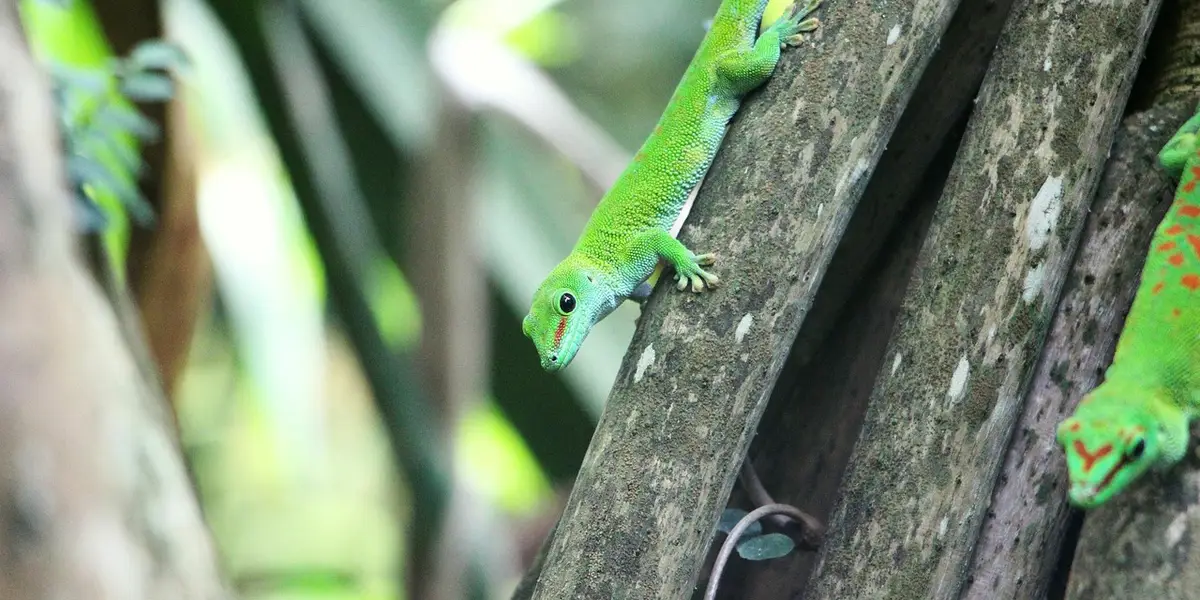
Getting your new gecko to eat can be nerve-wracking, but a solid feeding plan sets you both up for a long, healthy life together. My crested gecko, Jeter, thrives on a simple routine of prepared diets and the occasional treat.
The Crested Gecko Diet: Your New Best Friend
For beginner owners, commercial Crested Gecko Diet (CGD) powder is a lifesaver. You just mix it with water to a ketchup-like consistency.
- Do offer fresh CGD every other night.
- Do use shallow feeding ledges mounted on the glass for easy access.
- Don’t leave old CGD in the tank for more than 48 hours; it spoils.
- Don’t rely on fruit baby food; it lacks crucial nutrients.
Insects: The Occasional Protein Boost
Live insects are a fantastic supplement, but they require a little extra work.
- Offer small crickets or dubia roaches once or twice a week.
- Portion size: No more insects than the space between your gecko’s eyes.
- Always gut-load insects by feeding them nutritious greens 24 hours before feeding.
- Always dust insects with a calcium powder (without D3) right before offering them.
Hydration is Non-Negotiable
Crested geckos rarely drink from a water bowl. They lick droplets from leaves and glass.
- Mist the enclosure heavily in the evening when your gecko is most active.
- Provide a shallow water dish for humidity, even if they don’t drink from it.
- Watch for a plump body and clear, bright eyes-these are signs of a well-hydrated gecko.
If you’re worried your gecko isn’t eating, look for tiny, firm poop in the enclosure-it’s the best proof they’re nourished. If you’re still concerned about your gecko’s eating habits, check for other signs of stress or illness.
Handling and Building Trust with Your Gecko
Building a bond with your crested gecko is one of the most rewarding parts of ownership. It requires immense patience. Rushing this process is the number one mistake new owners make.
Step-by-Step to Your First Handling Session
- Wait at least two weeks after bringing them home before any handling attempts.
- Start by simply placing your hand, palm up, in the tank for 5 minutes each evening.
- Let your gecko approach and sniff you on their own terms.
- For the first actual handling, gently scoop them from below. Never grab from above.
- Keep initial sessions to just 5-10 minutes, always close to the ground over a soft surface.
Reading Their Body Language
Your gecko is constantly telling you how it feels.
- Comfort Signs: Slow, deliberate movement. Licking surfaces (and maybe you!).
- Stress Signs: Quick, jerky hops. Freezing in place. Vocalizing with little chirps.
If you see any stress signs, immediately and gently return them to their home. I learned this the hard way with Jeter; pushing too fast set our trust back by weeks.
Common Handling Mistakes to Avoid
- Don’t handle them during the day. They are nocturnal and will be grumpy.
- Avoid handling right after they’ve shed; their new skin is very sensitive.
- Never hold them by the tail. While they can drop their tail as a defense, it does not grow back fully like a leopard gecko’s.
Encouraging Interaction with Enrichment
Trust isn’t just built with hands. Create a stimulating environment.
- Rearrange the tank décor every few months to spark curiosity.
- Offer food from a spoon; Jeter now associates my hand with positive things.
- Add new climbing branches or safe, live plants for them to explore.
Bonding is a marathon, not a sprint, but the payoff-a gecko that willingly climbs onto your hand-is absolutely worth the wait.
Monitoring Health: Shedding and Common Issues
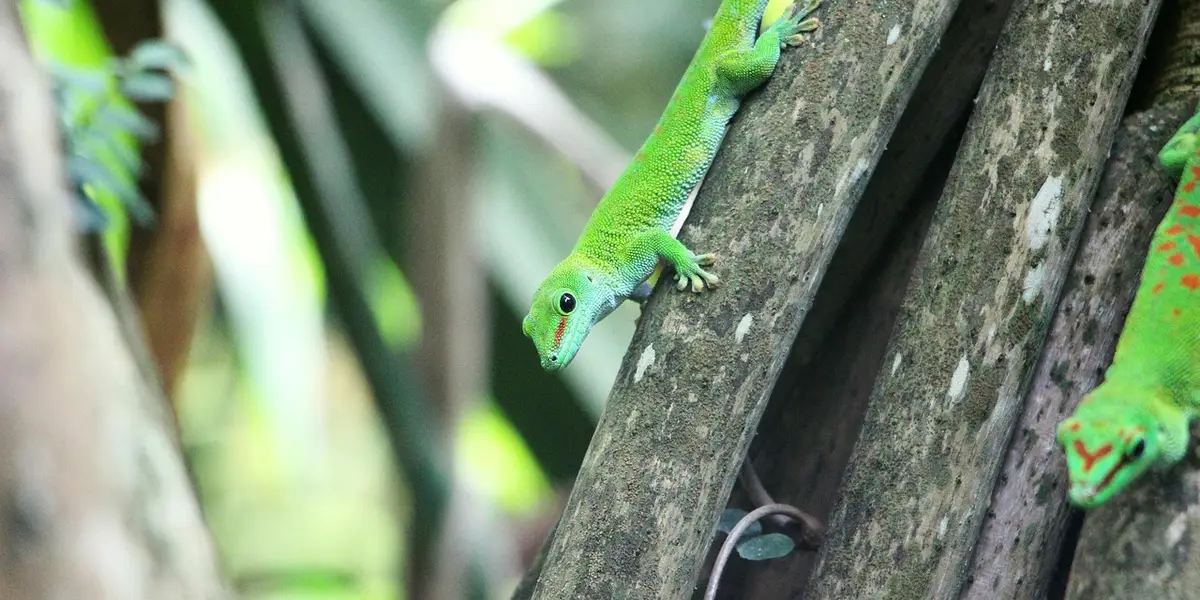
Your crested gecko will shed its skin regularly as it grows, a process called ecdysis. A healthy shed happens all in one piece, almost like your gecko is taking off a tiny, opaque sock. You’ll notice its color becoming dull and a milky-white film covering its eyes a day or two before the main event. Some geckos also eat their shed to reclaim nutrients and keep their enclosure tidy. Our complete guide explains why geckos shed and eat their skin, and what to watch for to ensure a healthy shed.
They often eat their shed skin for the nutrients, so don’t be alarmed if you never see it. My crested gecko, Jeter, always looks so vibrant and proud after a perfect shed.
Assisting with Stuck Shed
Stuck shed, especially on the toes or the tip of the tail, is a common first-month hurdle. It can cut off circulation if left untreated. Here is how to help:
- Create a humidity hide. Stuff a small container with damp (not wet) sphagnum moss.
- For persistent shed, give a shallow “sauna.” Place your gecko in a ventilated container with a warm, damp paper towel for 10-15 minutes.
- Gently roll the stuck skin off with a moistened cotton swab. Never pull.
Your Weekly Health Check List
Make a quick visual inspection part of your weekly routine. Look for these positive signs:
- Clear, bright eyes without any retained eye caps.
- A plump, rounded body and a fat, sausage-like tail.
- All toes are present and free of constricting, dry skin.
- Active and alert during the evening hours.
- Clean vent area with no stuck substrate.
Spotting Early Warning Signs
Catching problems early makes all the difference. Dehydration is a stealthy issue; look for sunken eyes, loose skin, or a skinny tail. Weight loss is another red flag. I keep a small kitchen scale to weigh Jeter monthly-it gives me peace of mind.
Maintaining ideal humidity between 60-80% is your best defense against both shedding and dehydration problems. I achieve this by misting the enclosure heavily in the evening. I listen for the gentle patter of water on leaves, which tells me it’s enough. The enclosure should dry out to around 50% during the day to prevent mold.
Enrichment and Safety in the First Month
Your new gecko is exploring its world. Simple enrichment reduces stress and encourages natural behaviors, making for a happier pet. You don’t need fancy gadgets; think about varying their routine. Try 12 DIY enrichment ideas to bust gecko boredom. These ideas use simple, everyday items.
Easy Enrichment Ideas
- Rotate or add a new cork bark tube or foliage hide every couple of weeks.
- Switch between offering food on a ledge and on the ground.
- Dab a tiny bit of banana or mango on a branch for them to find.
- Rearrange a few safe, plastic leaves to create a new climbing path.
Essential Safety Checks
A secure enclosure is a non-negotiable. Crested geckos are surprisingly strong and curious. Every week, run through this safety list:
- Confirm the terrarium lid is latched securely. I learned this the hard way with an escaped gecko years ago!
- Check that all décor is stable and cannot fall if climbed on.
- Look for any sharp edges on fake plants or wood.
- Ensure there are no gaps wider than your gecko’s head around vents or cables.
Introducing Changes Gradually
Geckos thrive on predictability. The key to introducing anything new is to do it slowly and observe their reaction closely. When I added a new type of vine to Jeter’s tank, I placed it on the opposite side from his favorite sleep spot first. This touches on a common myth about geckos: that they fear every change. In reality, they adapt best with slow, deliberate introduction.
Watch their body language. If they are hiding more than usual or seem jumpy, you might be moving too fast. Your most powerful tool is quiet observation; spending ten minutes watching your gecko at night will teach you more than any article ever could. This routine observation builds the foundation for understanding their unique personality and ensuring their long-term well-being. If you want to dive deeper, check out our complete guide on understanding gecko behavior and temperament.
FAQs
How can I tell if my crested gecko is too cold or too hot?
If your gecko is consistently hiding in the coolest part of the tank, it might be too hot, while lethargy and refusal to eat can indicate it’s too cold. Knowing how to recognize when your gecko is cold can help you adjust the environment appropriately.
What should I do if my crested gecko drops its tail?
Ensure the enclosure is secure and stress-free, monitor for infection, and provide extra hiding spots as the tail will not grow back fully.
How often should I handle my crested gecko once it’s settled?
After the initial acclimation, aim for short, gentle handling sessions of 5-10 minutes a few times a week to maintain trust without causing stress.
Your First Month: A Foundation for a Happy Gecko
The first month is all about patience, a proper habitat, and a consistent routine. Focus on letting your gecko settle in without handling, offering a variety of appropriate foods, and maintaining the correct temperature and humidity in their enclosure.
Remember, owning a crested gecko is a long-term commitment to a living creature that relies entirely on you. The best owners are lifelong learners, so keep observing your pet’s behavior and consulting reliable care sources to ensure you’re providing the best life possible. A trusted crested gecko lifespan, care, and habitat guide can help you plan for every stage of its life. Following a solid habitat guide ensures proper enclosure setup, temperature, humidity, and diet.
Further Reading & Sources
- A Beginner’s Guide to Buying a Crested Gecko
- Crested Gecko Care Sheet (Beginner Friendly) – Reptile.Guide
- Crested Gecko Care Sheet: A Complete Guide for Beginners
The Gecko Guide is your ultimate resource for gecko enthusiasts, providing expert advice and practical tips to ensure the health and happiness of your scaly companions. Alexander is a passionate gecko owner with over a decade of experience in reptile care. We are dedicated to offering accurate, up-to-date information to support your gecko journey.Our mission is to foster a community of responsible gecko owners who are passionate about the well-being of these fascinating creatures.
Hatchling & Juvenile Care