
12 DIY Gecko Enrichment Ideas to Prevent Boredom
Published on: February 21, 2026 | Last Updated: February 21, 2026
Written By: Alexander 'Gecko Geek' Johnson
Is your gecko glass surfing, seeming lethargic, or just not as active as they used to be? You might be seeing the subtle signs of a bored lizard. A dull habitat can lead to stress and a less vibrant pet. But don’t worry, I’ve been there with my own crew, and creating a stimulating environment is easier than you think.
I’m going to help you turn that tank into a gecko paradise with simple, budget-friendly projects. You’ll learn how to:
- Use common household items to create new challenges.
- Stimulate your gecko’s natural instincts to hunt and explore.
- Build a more engaging habitat that promotes healthy activity.
You’ll get clear, step-by-step advice you can start using today. The 12 ideas we’re covering are: foraging puzzles, dig boxes, climbing structures, sensory trails, obstacle courses, novel hides, hunting games, texture paths, basking variety, misting adventures, sound enrichment, and habitat rotation.
Why Gecko Enrichment Matters
Think of your gecko’s enclosure as their entire world. Without new things to explore, that world becomes very small, very fast. A bored gecko is often a stressed gecko, and stress can lead to real health problems like a weakened immune system and a loss of appetite. If you notice signs your gecko is bored, it’s time to fix it. Enrichment and more exploration options can help.
I learned this the hard way with my first leopard gecko, Griffey. He started pacing the front of his tank every single night. At first, I thought he was just active, but a more experienced keeper pointed out it was a classic sign of boredom and frustration. He needed a job!
Enrichment isn’t a luxury; it’s a core part of responsible pet care. It directly supports their well-being by:
- Mimicking natural behaviors like foraging, climbing, and exploring.
- Providing essential mental stimulation to keep their brains active.
- Encouraging healthy physical activity and muscle tone.
- Reducing repetitive, stereotypic behaviors like glass surfing.
By enriching their environment, you’re not just preventing boredom-you’re actively promoting a longer, healthier, and happier life for your scaly friend. Seeing my crestie, Jeter, confidently navigate a new branch structure is far more rewarding than watching him just sit on the same plant day after day.
DIY Climbing and Hiding Structures
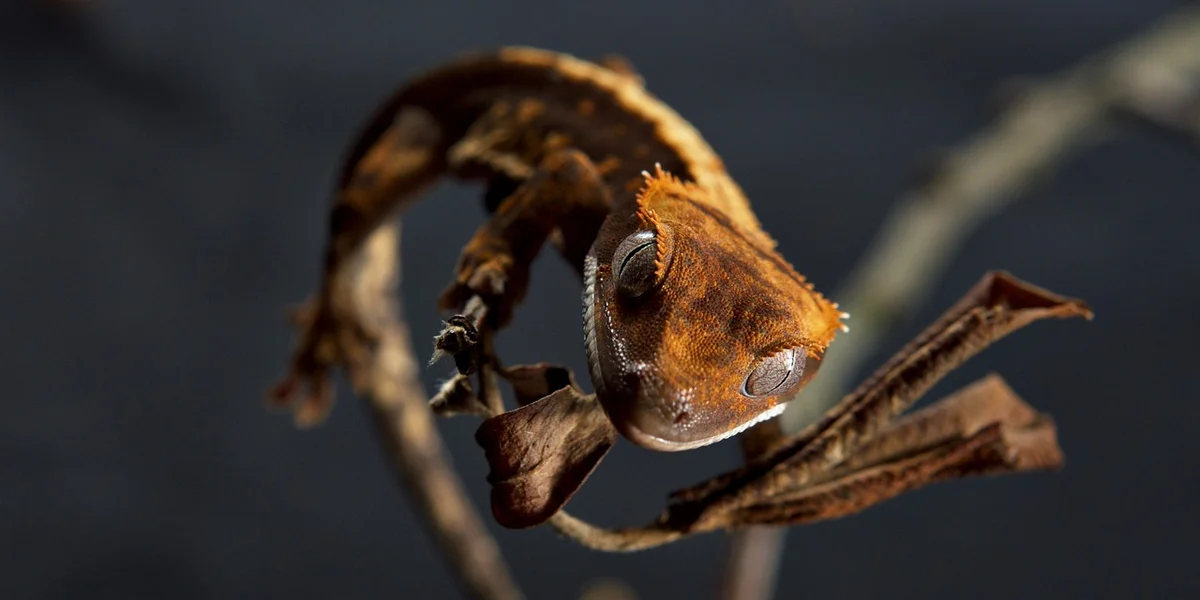
You don’t need a huge budget to create a gecko playground. Some of the best enrichment items are hiding in your recycling bin. Safety is your number one rule: always ensure materials are clean, dry, and free of sharp edges, chemicals, or loose staples, especially when creating an environmental enrichment setup for your gecko.
Egg-carton Hideout Cluster
This is my go-to for a quick, cheap, and effective enrichment swap. My geckos, especially the younger ones, love these.
- Take a clean, dry cardboard egg carton.
- Cut it into sections of 2, 3, or 4 cups.
- Place the clusters at different levels in the enclosure-on the ground, propped up on a low branch, or even secured to the side wall with a dab of aquarium-safe silicone.
The multiple small compartments create a complex maze for your gecko to investigate and nap in. They provide shade, security, and a fun texture to climb over. Just replace them when they get soiled or damp.
The Toilet Paper Tube Tunnel System
Never throw another toilet paper tube away! These are fantastic for creating tunnel networks.
- Single Tunnel: Just place a clean tube on its side in the enclosure. It’s an instant hide.
- Multi-Tunnel Fort: Use scissors to cut entrance and exit holes in several tubes. Connect them together to form a custom shape, securing them with non-toxic glue or by wedging them tightly against other décor.
- Burrow Starter: Partially bury a tube under the substrate to simulate a burrow entrance.
I’ll often slip a couple of mealworms inside one end of the tube to encourage my leopard geckos to venture through. Watching them poke their heads out the other side never gets old.
Cork Bark and Branch Assortment
While you can buy these, you can often find fantastic natural pieces yourself. The key is proper preparation.
- Source: Collect hardwoods like oak or maple from your yard. Avoid pine or cedar, as the sap and oils are toxic.
- Sanitize: Scrub the bark and branches with a stiff brush and water. Then, bake them in the oven at 250°F (120°C) for about 45-60 minutes to kill any pests or mold.
- Arrange: Create a varied landscape. Lean a long branch diagonally across the tank for climbing. Stack flat pieces of cork bark to create layered hides with crevices.
This natural approach gives your gecko different textures, angles, and temperatures to experience, just like they would in the wild. Lighting and temperature can affect gecko behavior, influencing when they’re active or resting. My gargoyle gecko, Mookie, will spend hours patrolling his cork bark wall.
Creative Foraging and Puzzle Feeders
Geckos are natural hunters, and making them work for their food prevents boredom and keeps their minds sharp. I’ve seen my leopard gecko Griffey’s eyes light up when he has to “solve” a simple puzzle to get his mealworms – it taps into his energetic, curious nature perfectly. This kind of challenge helps encourage natural foraging behavior in your gecko. Providing enrichment that taps into their hunting drives turns feeding into a mini adventure, boosting stimulation and health. Instead of just dropping food in a bowl, try these easy DIY setups that encourage natural behaviors.
Simple DIY Puzzle Feeders
You can create engaging feeders with items from around your house. My crested gecko Jeter, who’s calm and confident, enjoys the gentle challenge of a toilet paper roll feeder – it’s like a mini-obstacle course for his snacks. Here are a few options to start with:
- Toilet Paper Roll Feeder: Place a few crickets or mealworms inside an empty roll and crimp the ends. Your gecko will nudge and roll it to access the food. I use this for Griffey, and he loves the rolling action.
- Egg Carton Hideaway: Cut an egg carton into sections and hide insects in the cups. This works well for geckos like A-Rod, my African fat-tailed, who prefers solitude and methodical hunting.
- Bottle Cap Maze: Arrange clean bottle caps in a shallow dish with gaps, and place food inside. Geckos like Mookie, my gargoyle gecko, enjoy the quick movements needed to navigate it.
Foraging Variations to Try
Mix things up to keep your gecko guessing and engaged. Rotating between different puzzle types prevents habituation and keeps feeding time exciting, which I’ve found essential for my geckos’ mental health. Consider these ideas:
- Scatter feed in a clean, shallow box filled with reptile-safe substrate – it mimics wild foraging.
- Use a small, lidded plastic container with holes punched in it; your gecko must bat it around to release treats.
- Hide food under smooth, clean stones or cork bark to encourage digging and exploration.
Always supervise your gecko during these activities to ensure they don’t ingest non-food items. Animal welfare comes first, so I check that puzzles are safe and sized appropriately for each gecko’s species and age. For families considering geckos as pets, this safety-first approach helps ensure children and geckos stay safe. A simple safety guide emphasizes age-appropriate interactions, supervised play, and secure housing.
Sensory and Exploration Challenges
Stimulating your gecko’s senses can reduce stress and encourage natural behaviors. From my experience, a little sensory variety makes a huge difference – my giant day gecko Babe perks up instantly when I introduce new smells or textures into his terrarium. These challenges are easy to set up and can be rotated weekly to maintain interest. A deeper dive into gecko enrichment helps explain why mental stimulation matters for their health and behavior. By designing enrichment that challenges cognition and curiosity, you can promote exploration and well-being.
Texture and Climbing Adventures
Adding varied surfaces encourages climbing and tactile exploration. I’ve watched Mookie, my playful gargoyle gecko, spend hours leaping between branches I’ve rearranged – it’s like a jungle gym that keeps him fit and happy. Try these DIY additions:
- Texture Tiles: Glue different materials (cork, slate, untreated wood) to tiles and place them in the enclosure. This helps wear down claws and provides sensory input.
- Branch Networks: Use sanitized branches from outdoors to create new climbing paths. For Jeter, who loves high perches, this mimics his natural canopy habitat.
- DIY Hammocks: Make a simple hammock from reptile-safe fabric or mesh; it gives arboreal geckos a cozy spot to rest and observe.
Scent and Visual Stimulation
Introducing new scents and sights can spark curiosity without overwhelming your pet. I’ve found that even territorial geckos like A-Rod become more exploratory when I add mild, safe scents like a sprig of basil or a slice of cucumber nearby. Here’s how to do it safely:
- Place a small amount of reptile-safe herb (e.g., basil or mint) in a corner of the tank – change it every few days.
- Use a shallow dish with water and a drop of fruit juice (like mango) to create a subtle scent trail – but ensure no ingestion occurs.
- Rearrange décor weekly to create a “new” environment; this prevents boredom and encourages natural patrolling behaviors.
Monitor your gecko’s response to ensure they’re not stressed. If they seem hesitant, start with minor changes and gradually increase complexity – I learned this with Babe, who needed time to adjust to new layouts before showing his bold, food-motivated side. It’s always important to calm a stressed gecko before making any significant adjustments.
Safe Materials and Setup Tips
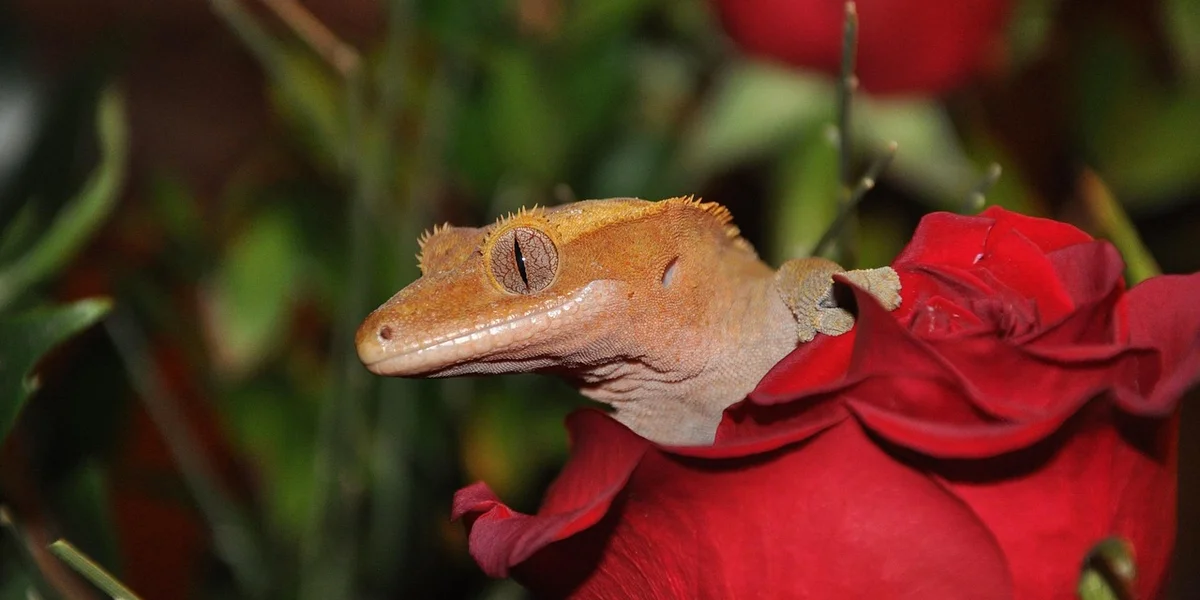
Your gecko’s safety is the absolute top priority. I learned this the hard way when Mookie, my Gargoyle Gecko, tried to eat a fake leaf from a craft store. Always source materials from pet-specific retailers or thoroughly sanitize and inspect any natural items you bring inside. It only takes one wrong choice to turn a fun project into a vet emergency. To make your gecko enclosure safe, follow these quick household hazard tips. Regularly scan for loose cords, small objects, and toxic plants, and sanitize any new additions before introducing them.
Materials to Use With Confidence
Stick to these proven, safe options that I use in all my own enclosures.
- Plastic & Silicone: Used for hides, food dishes, and climbing vines. They are non-porous and easy to clean with a reptile-safe disinfectant.
- Untreated, Reptile-Safe Wood: Ghost wood, cork bark, and cholla wood are my go-tos. They provide excellent texture for climbing and shedding.
- Reptile-Safe Rocks & Slate: These must be baked in an oven at 250°F for 30 minutes to kill any pests. They hold heat beautifully for basking spots.
- Paper-Based Substrates: Paper towel or reptile carpet are the safest, simplest choices for beginner setups and quarantine tanks.
The Danger Zone: Materials to Avoid
This list isn’t meant to scare you, but to empower you. I’ve seen these cause issues.
- Sticky Surfaces: No adhesives like tape or sticky-back Velcro inside the tank. A gecko’s skin can tear off easily.
- Pine or Cedar Wood: The aromatic oils are toxic to reptiles and can cause severe respiratory distress.
- Sharp Edges: Run your fingers over everything. If it feels sharp to you, it can cut your gecko’s delicate skin and belly.
- Wild-Collected Items: Branches and rocks from your yard can harbor pesticides, parasites, and mold unless you sterilize them properly.
My Setup Checklist
Before you introduce any new item, run through this quick list.
- Inspect for Sharpness: Feel all surfaces, especially cut ends on wood or plastic.
- Ensure Stability: Push on decorations to make sure they won’t topple over and crush your pet.
- Check for Gaps: Make sure your gecko can’t get its head stuck in any small openings.
- Secure the Lid: This is non-negotiable. Crested and Day Geckos are master escape artists.
Rotating and Maintaining Enrichment
Imagine eating the same meal in the same room every single day. That’s a bored gecko’s life without rotation. My geckos, especially the clever Cresteds, become visibly more active and curious when I switch things up every week or two. It keeps their environment stimulating without being stressful.
Creating a Simple Rotation Schedule
You don’t need a huge stockpile of stuff. A small “toy box” of 5-6 items is plenty.
- Weekly: Swap out one or two smaller items. Move a vine, change the angle of a ramp, or introduce a new textured rock.
- Bi-Weekly: Perform a more significant change. Rearrange the major climbing branches or swap the main hide for a different style.
- Monthly: Do a deep clean. This is when you take everything out, sanitize the enclosure and all decorations, and rebuild the landscape from scratch.
Observing Your Gecko’s Preferences
Pay close attention! Your gecko will tell you what it likes. That’s how you tell if your leopard gecko is happy and content. Watching these cues helps you understand their mood. My Leopard Gecko, Griffey, always uses his new humid hide within hours, while A-Rod, my Fat-Tail, ignores new things for days.
- The Explorer: If your gecko immediately investigates new items, you can rotate more frequently.
- The Cautious One: If changes cause stress (hiding more, not eating), introduce new items more slowly and near their favorite spot.
- Note Their Favorites: Jeter, my Crested Gecko, has a specific cork round he loves. I always make sure that one stays in the rotation-it’s his security blanket.
Cleaning is Crucial
Dirty enrichment is worse than no enrichment. It becomes a breeding ground for bacteria.
- Spot Clean Daily: Remove feces and uneaten food from dishes and decor.
- Weekly Wipe-Down: Use a reptile-safe disinfectant to wipe down plastic and silicone items during your weekly rotation.
- Monthly Deep Clean: Soak porous items like wood in a 10% bleach solution, rinse thoroughly, and let them bake in the sun or dry completely before returning them to the tank.
FAQs
Is it safe to use hot glue for assembling DIY enrichment items?
Avoid using hot glue inside the enclosure as it can contain toxic chemicals; opt for aquarium-safe silicone instead for secure and non-toxic assembly.
How can I encourage a shy gecko to interact with new enrichment items?
Place new items near their favorite hide or basking spot to allow gradual exploration without causing stress or fear.
Are there any enrichment activities that can help with shedding?
Providing textured surfaces like cork bark or slate can assist in the shedding process by allowing your gecko to rub against them naturally. Understanding shedding problems helps you recognize when your gecko needs extra humidity or other intervention. If shedding issues persist, consult a reptile veterinarian for guidance.
Final Thoughts
Creating a stimulating environment for your gecko doesn’t have to be expensive or complicated. From the simple cardboard maze my gecko Griffey loves to the novel food puzzles that keep Mookie engaged, the best enrichment often uses items you already have at home.
Your most important job is to be an attentive observer and a dedicated student of your unique pet. I’m always learning new things from my own crew, and that commitment to their well-being is what separates a good keeper from a great one. Keep exploring, keep experimenting, and here’s to happy herping.
Further Reading & Sources
- Promoting Natural Behaviors in Geckos Through Enrichment – IAABC FOUNDATION JOURNAL
- r/geckos on Reddit: How can I enrich my crested gecko more?
- r/leopardgeckos on Reddit: Leopard Gecko Enrichment Suggestions?
The Gecko Guide is your ultimate resource for gecko enthusiasts, providing expert advice and practical tips to ensure the health and happiness of your scaly companions. Alexander is a passionate gecko owner with over a decade of experience in reptile care. We are dedicated to offering accurate, up-to-date information to support your gecko journey.Our mission is to foster a community of responsible gecko owners who are passionate about the well-being of these fascinating creatures.
Enrichment Items