
The Ultimate Stuck Shed Checklist: 10 Steps to Resolve Dysecdysis
Published on: March 12, 2026 | Last Updated: March 12, 2026
Written By: Alexander 'Gecko Geek' Johnson
Seeing a piece of old, dry skin stubbornly clinging to your gecko is a heart-sinking moment for any reptile owner. You worry it might hurt them, restrict their movement, or even lead to a serious infection. I’ve been there with my leopard gecko, Griffey, and that panicked feeling is completely valid.
Let me help you turn that worry into confident action. This guide will walk you through the exact steps I use to safely and effectively resolve stuck shed.
Here are the three key takeaways you’ll get from this checklist:
- How to safely and immediately assist your gecko at home.
- Methods for preventing stuck shed from happening again.
- Knowing the precise moment when a vet visit is necessary.
By the end of this article, you will have a clear, step-by-step plan. We will cover: assessing the situation, creating a humidity hide, the soaking technique, gentle removal tools, post-shed care, humidity adjustments, nutritional support, enclosure checks, problematic areas, and vet red flags.
What Is Dysecdysis and Why Is It Happening?
Dysecdysis is the scientific term for a problematic shed. It’s not a disease itself, but a loud signal that something in your gecko’s environment or health is off. Think of a stuck shed as your gecko’ way of sending you an urgent, albeit silent, text message asking for help. In my years of keeping everything from feisty Leopard Geckos to my calm Crested Gecko, Jeter, I’ve learned it almost always boils down to a few key issues.
Low humidity is the usual suspect. Geckos need a humid microclimate to create the moisture that loosens their old skin. Without it, the shed comes off in frustrating, crispy pieces. Incorrect temperatures can also sabotage the shedding process, as proper heat helps regulate the entire biological sequence. The role humidity plays in conjunction with heating is central to successful shedding in geckos. When humidity and warmth are aligned, the skin loosens more evenly and sheds more cleanly.
But don’t overlook other culprits. Poor nutrition, especially a lack of key vitamins, can lead to unhealthy skin. Underlying health problems like mites or infections are also possible. Even a rough cage decoration can cause an injury that interrupts a clean shed. Your first job is to play detective and figure out the root cause, not just treat the symptom.
The 10-Step Stuck Shed Rescue Checklist
Step 1: Confirm It’s a Stuck Shed
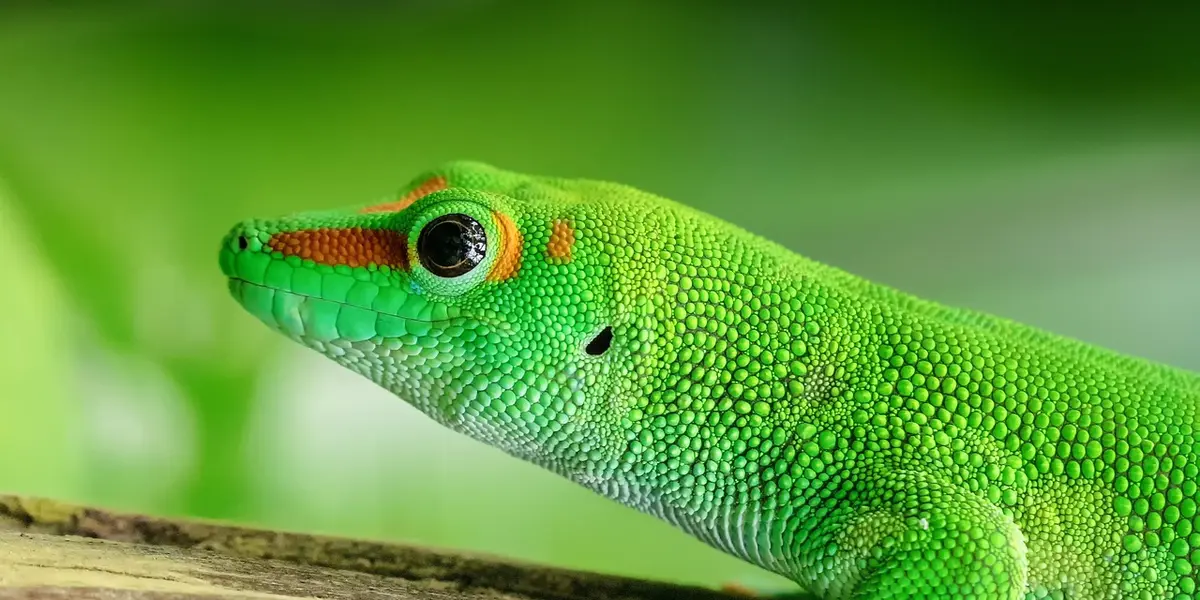
Before you do anything, make sure you’re dealing with a true stuck shed and not a gecko that is still mid-process. A healthy shed should be off within 24 hours. Look for dry, flaky patches of opaque skin that have been lingering for more than a day, especially on the toes, tail tip, and around the eyes. If the skin is still clear and tight, your gecko is just not ready yet. For a deeper look at why geckos shed and why they may eat their shed as part of the process, see our complete guide on gecko shedding. It explains normal shedding, how to tell if a shed is complete, and when to seek veterinary advice.
Step 2: Gently Assess the Situation
Wash your hands thoroughly. Then, with calm and steady movements, pick up your gecko for a closer look. Your goal here is to perform a visual triage, identifying every single area where the shed is stuck without causing any panic. Pay close attention to the tiny toes and the tip of the tail, as these are the most dangerous spots for circulation loss. Note all the problem areas mentally.
Step 3: Prepare a Safe Warm Water Soak
Find a small, clean plastic container with a lid. Poke several air holes in the lid for ventilation. Fill it with lukewarm water-never hot. The water temperature should feel barely warm to your wrist, similar to what you’d use for a baby’s bath. I make it shallow, just deep enough to cover my gecko’s feet and belly, but not so deep they have to swim. A paper towel on the bottom provides secure footing.
Step 4: The Soaking Session
Gently place your gecko in the container and secure the lid. Stay with them the entire time. A successful soak lasts about 10 to 15 minutes, and your quiet presence will help keep your pet calm. You should see the old skin start to look waterlogged and soft. If your gecko seems overly stressed, cut the session short and try to calm them down. Their well-being is more important than a perfect timeline.
Step 5: Assist with Gentle Manipulation
After the soak, you can try to help. Using your fingers or a soft, damp Q-tip, gently roll the loosened skin. Always roll the skin *away* from the body; never pull or peel it directly upwards, as you can tear their brand-new, delicate skin underneath. If it doesn’t come off with minimal pressure, it needs more soaking. Forcing it is never the answer.
Step 6: Manage Your Gecko’s Stress Levels
Your energy is contagious. If you’re nervous, your gecko will be too. Work in a quiet room and handle them with confident, slow movements. I always talk softly to my geckos, like my Giant Day Gecko Babe, during the process-it seems to soothe both of us. Keep the entire rescue session under 30 minutes to prevent overwhelming them.
Step 7: Pay Special Attention to Eyes and Toes
These areas are non-negotiable. Stuck shed on toes acts like a tiny tourniquet and can lead to toe loss. Around the eyes, it can cause irritation and infection. For toes, use a magnifying glass and a wet Q-tip to carefully flick the tight rings of skin off each tiny digit. For eye caps, let the moisture from the soak do the work and gently wipe *away* from the eye with a saturated Q-tip.
Step 8: Boost the Enclosure Humidity
This is a critical step to prevent a repeat performance. Immediately create a permanent, humid hide in the enclosure by stuffing a small cave-like container with damp (not wet) sphagnum moss or paper towels. This gives your gecko a perfect, steamy room to retreat to when they feel a shed coming on. It’s a game-changer.
Step 9: Consider a Shedding Aid
If plain water isn’t cutting it, you can use a commercial shedding aid or make your own. I’ve had great success with a product called Shed-Ease, used exactly as the bottle directs. A shedding aid is a useful tool, but it is not a substitute for proper humidity and hydration in the long run. It’s a helpful boost for a tough situation, not a cure-all.
Step 10: Know When to Step Back
You are a dedicated pet owner, not a veterinarian. If the shed is not budging after two careful attempts, or if you see any sign of injury, bleeding, or blackened (necrotic) tissue, you must stop and call your reptile vet. I had to do this once with my territorial African Fat-Tailed Gecko, A-Rod, and it was the best decision I could have made. Professional help saves lives and prevents suffering.
Common Culprits: What Causes Stuck Shed in Geckos?
I’ve dealt with my fair share of stubborn shed, especially with my leopard gecko, Griffey. Seeing him struggle with a sock of skin on his toe was a real wake-up call. Stuck shed, or dysecdysis, is almost always a symptom of an underlying issue in their environment or health. Let’s break down the usual suspects.
1. Low Humidity Levels
This is the number one cause. Geckos need a humid microclimate to loosen their old skin. By creating the perfect habitat humidity, you can make gecko shedding easy. It’s the simplest and most reliable step toward smooth shed cycles. Without it, the shed comes off in frustrating, brittle pieces. Each species has a specific humidity sweet spot, and missing it is a direct ticket to shed problems.
2. Nutritional Deficiencies
Your gecko’s skin health starts from the inside. A lack of key vitamins, especially Vitamin A, can lead to poor skin quality and difficult sheds. Common signs of nutritional deficiencies in geckos include lethargy, appetite changes, and irregular shedding. Being aware of these signs helps you adjust diet before issues escalate. Gut-loading your feeder insects with nutritious greens and using a proper vitamin supplement is non-negotiable for a clean shed.
3. Inadequate Hydration
Dehydrated geckos have dehydrated skin. It’s that simple. A dry gecko is a gecko primed for a stuck shed. Always provide a shallow water dish and consider lightly misting the enclosure, even for desert species, during shed cycles. My crestie, Jeter, perks up the moment he feels the mist.
4. Lack of Rough Surfaces
Geckos are practical creatures; they need things to rub against. A smooth, barren tank offers no assistance. Rocks, branches, and cork bark aren’t just décor-they are essential shedding aids. Your gecko will use them like we use a towel.
5. Underlying Health Issues
Sometimes, the cause is more serious. Parasites, skin infections, or old injuries can all interfere with the shedding process. If your habitat is perfect but shed issues persist, a reptile veterinarian visit is your next critical step.
Building a Shed-Friendly Habitat for Prevention
Preventing stuck shed is far easier than treating it. I built this routine after helping Griffey, and now all my geckos shed like champions. A proactive habitat setup is your strongest defense against dysecdysis.
Master Humidity Control
Don’t just guess the humidity-measure it.
- Use a digital hygrometer for accurate readings.
- Provide a humid hide packed with moist sphagnum moss or paper towel. This is a non-negotiable safe room for shedding.
- For tropical species like Crested or Gargoyle Geckos, a nightly misting is often necessary to spike humidity.
Offer Ample Hiding Spots and Textures
Your gecko’s tank should feel like a functional playground.
- Include at least three hides: one on the warm end, one on the cool end, and one humid hide.
- Add rough surfaces like cork rounds, stone slabs, and reptile-safe branches to give them rubbing options.
Optimize Nutrition and Hydration
Think of their diet as building blocks for healthy skin.
- Dust insects with a high-quality vitamin and mineral supplement that contains Vitamin A.
- Gut-load feeder insects for 24-48 hours before feeding them to your gecko.
- Ensure a clean, shallow water dish is always available. I watch my gecko Babe drink every morning-it’s a great way to monitor hydration.
When Stuck Shed Becomes a Vet Visit
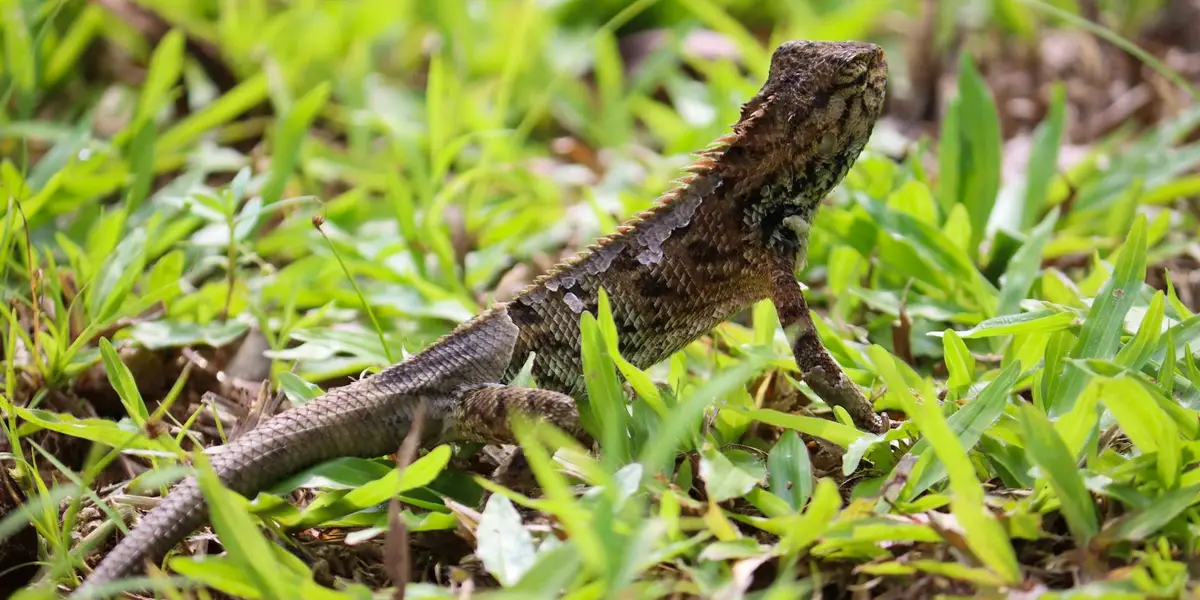
I’ve dealt with my fair share of stubborn shed on my geckos, like the time my Crested Gecko, Jeter, had a patch on his toe that just wouldn’t budge. Most stuck shed is manageable at home, but you must recognize when it’s a genuine medical emergency. Waiting too long can lead to permanent damage in a frighteningly short time.
Red Flags That Demand a Veterinarian
Don’t hesitate. If you see any of these signs, your home remedies have failed and professional help is needed immediately.
- Deep, angry red or black discoloration under or around the stuck shed. This indicates a severe infection or tissue death (necrosis).
- A foul smell coming from the affected area. Healthy skin doesn’t smell bad; this is a classic sign of a raging infection.
- Swelling that makes the toe or tail look like a little balloon. The constricting shed is cutting off circulation.
- Your gecko is trying to bite or chew at the area relentlessly, showing clear signs of pain and distress.
- The stuck shed has been present for more than two full days despite your diligent soaking and gentle assistance.
- The shed is wrapped tightly around the tail tip or multiple toes, not just a single patch on the back or head.
What to Do While You Wait for the Vet
Your actions before the appointment can prevent the situation from worsening. Stay calm and follow these steps.
- Stop trying to manually peel the shed. You could cause more harm.
- Place your gecko in a simple, clean hospital tank with paper towel substrate to keep the area clean.
- Offer a shallow, lukewarm soak for 10-15 minutes to help keep the tissue moist and comfortable. Do not scrub.
- Gently pat the area dry with a soft paper towel.
- Call an exotic vet, explain the situation clearly, and get there as soon as possible.
I learned this the hard way with my feisty Leopard Gecko, Griffey. A quick vet visit for a professional removal and antibiotics is always cheaper and safer than dealing with an amputation later. Your gecko’s well-being is worth that phone call.
FAQs
How can I tell if my gecko is dehydrated?
Signs of dehydration in geckos include sunken eyes, loose skin that doesn’t snap back quickly when gently pinched, and a lack of interest in drinking or eating. If you’re wondering whether these signs of dehydration in geckos indicate dehydration in a pet gecko, they often do. Seek veterinary advice promptly for proper hydration and care.
Is it necessary to assist my gecko every time it sheds?
No, you should only intervene if the shed remains stuck for over 24 hours or is on critical areas like toes and eyes, as healthy geckos in proper conditions can shed independently.
What are the long-term effects of repeated stuck shed?
Repeated stuck shed can cause chronic infections, permanent damage such as toe or tail loss, and increased stress that may lead to a weakened immune system and other health issues.
Final Words
When dealing with stuck shed, your immediate action plan is simple: increase the humidity with a dedicated humid hide or a warm, shallow soak, and then gently assist removal only if the gecko is calm and the skin is ready. This is the first step in a step-by-step guide to safely assist a gecko with stuck shed. Continue with the remaining steps calmly and patiently. Never, ever pull or force stuck shed, especially around delicate areas like the toes, eyes, and tail tip.
Remember that a recurring shedding problem is often a message about the habitat. Your most powerful tool is prevention through a perfectly balanced terrarium, good nutrition, and your own growing knowledge. In gecko habitat husbandry, every microclimate detail matters—from humidity and temperature gradients to substrate choice and hiding spots. A well-designed enclosure supports healthy shedding, digestion, and behavior. Being a great gecko owner means committing to that lifelong learning for their sake.
Further Reading & Sources
- Diagnosing And Treating Dysecdysis aka Retained Shed – Reptiles Magazine
- Dysecdysis in Reptiles | PetMD
- How to treat dysecdysis (stuck shed) | Wiki | Reptiles Amino
The Gecko Guide is your ultimate resource for gecko enthusiasts, providing expert advice and practical tips to ensure the health and happiness of your scaly companions. Alexander is a passionate gecko owner with over a decade of experience in reptile care. We are dedicated to offering accurate, up-to-date information to support your gecko journey.Our mission is to foster a community of responsible gecko owners who are passionate about the well-being of these fascinating creatures.
Shedding & Skin Health