
At-Home Gecko Health Audit: A Simple Step-by-Step Guide
Published on: December 8, 2025 | Last Updated: December 8, 2025
Written By: Alexander 'Gecko Geek' Johnson
You look at your gecko every day, but are you confident you’d spot the subtle signs of a health problem before it becomes serious? That quiet worry is something every good reptile keeper feels. You want to be sure your scaly friend is thriving, not just surviving.
I’ve been there with my own crew-from Griffey the Leopard Gecko to Jeter the Crested Gecko-and performing a simple, regular health audit is the single best way to catch issues early and give yourself peace of mind. I will walk you through the entire process, breaking it down into easy, manageable checks you can do right at home.
By the end of this guide, you will know exactly how to assess your gecko’s well-being. We will focus on three key areas:
- How to spot the physical signs of a healthy versus an unwell gecko.
- What normal and concerning behaviors look like in their daily routine.
- How to evaluate their habitat for hidden health risks.
You will get clear, practical advice based on both established reptile care science and my own hands-on experience. We will cover: Body Condition, Eyes, Nose, and Mouth, Skin and Shedding, Weight and Tail Fat Storage, Legs and Toes, Appetite and Hydration, Activity Levels and Behavior, Waste and Droppings, Habitat Temperature and Humidity, Enclosure Cleanliness and Safety.
What is a Gecko Health Audit and Why Should You Do One?
Defining the At-Home Health Check
Brief explanation of a health audit
A gecko health audit is a simple, systematic check-up you do at home to spot any changes in your pet’s well-being. Think of it like a quick, friendly “inspection” where you look over your gecko from head to tail, just like I do with my crew-Griffey, Jeter, and the others-to make sure everyone is thriving. It’s not about being a vet; it’s about knowing your gecko’s normal so you can catch the abnormal early.
Benefits for early problem detection
Regular audits help you spot tiny issues before they become big emergencies. I once noticed my crested gecko Jeter had a slight change in his appetite during a routine check, which let me adjust his diet before any weight loss occurred. Here’s why it’s a game-changer:
- Catches illnesses like parasites or infections sooner, reducing vet costs and stress.
- Helps you track weight and behavior trends over time.
- Boosts your gecko’s quality of life by preventing discomfort.
Frequency and Timing for Audits
Recommended schedule for checks
I stick to a simple routine based on my geckos’ needs. For most species, a quick visual check every week and a full audit once a month works wonders to keep them in top shape. If your gecko is young, shedding, or has health issues, step it up to bi-weekly. Consistency is key-it’s like a monthly “wellness visit” you control. Even healthy geckos benefit from an annual veterinary check-up to catch hidden issues. This proactive vet visit complements your routine care and supports long-term wellbeing.
Best times to observe your gecko
Timing matters because geckos have active and rest periods. My leopard gecko Griffey is a night owl, so I audit him in the evening when he’s prowling his tank, while Babe, my giant day gecko, is all about basking in daylight hours. Aim for when your gecko is naturally alert:
- Nocturnal types (like leopard geckos): Early evening or late night.
- Diurnal types (like giant day geckos): Morning or afternoon.
- Avoid handling during shedding or right after feeding to minimize stress.
Gathering Your Gecko Health Audit Toolkit
Essential Supplies for a Basic Check
List of must-have items like scale and thermometer
You don’t need fancy gear to start-just a few basics. I keep a dedicated “gecko go-bag” with these items, which has saved me time and worry during checks for all my pets, from curious Mookie to meticulous A-Rod. Here’s your core list:
- Digital kitchen scale: For tracking weight in grams-vital for spotting loss or gain.
- Digital thermometer: To check ambient and basking temperatures accurately.
- Small notebook or app: For logging observations and trends.
- Soft towel: To handle your gecko safely and prevent slips.
- Flashlight: For peeking into hides and checking skin or eyes.
Household items that can substitute for tools
If you’re on a budget, get creative with what you have at home. I’ve used a food scale from my kitchen for years to weigh Griffey-it works perfectly and costs nothing extra. Try these swaps:
- Food scale instead of a pet-specific one-just ensure it measures in small increments.
- Room thermometer from your living area to gauge tank temps.
- Your phone’s notes app or camera to record data and photos.
- A clean, damp cloth for gentle wiping if needed.
Advanced Tools for Detailed Monitoring
Optional equipment for deeper health insights
Once you’re comfortable, these tools can give you a deeper look into your gecko’s world. Investing in a hygrometer helped me fine-tune humidity for Jeter’s crestie tank, preventing dehydration issues I saw early on. If you’re keeping a leopard gecko, humidity control is essential. A simple hygrometer helps you keep the tank in the right range for healthy shedding and comfort. Consider adding:
- Hygrometer: Measures humidity levels-crucial for species like crested geckos.
- UVB light meter: Checks if your UVB bulb is still effective for calcium metabolism.
- Magnifying glass: For close-up views of skin, eyes, or mouth.
- Infrared thermometer gun: For precise spot temperatures without disturbance.
How to use a hygrometer and UVB light meter
These tools are simple but powerful for preventing common problems. Place the hygrometer in the middle of the tank away from water dishes, and check it daily-I aim for 50-70% humidity for my cresties, which keeps them hydrated and happy. For UVB meters:
- Hold the meter at the same height as your gecko’s basking spot.
- Take readings every 6 months, as UVB output drops over time.
- Adjust bulb distance or replace it if levels are too low-this mimics natural sunlight and supports bone health.
Step-by-Step Physical Examination of Your Gecko

This hands-on check is the core of your health audit. Always handle your gecko with clean, dry hands and work over a soft, secure surface like a towel-lined table to prevent falls. Keep the session brief-under 10 minutes-to minimize stress.
Inspecting Body Condition and Weight
A gecko’s weight and body shape are your first clues to their overall health. I do this check monthly for my crew, from energetic Griffey to my more sedentary Babe. Beyond weight and body shape, I also watch for gecko appearance signs like a sunken tail or dull eyes. These cues help me identify health issues early.
How to safely weigh your gecko
You need a simple digital kitchen scale that measures in grams.
- Place a small, empty plastic container or deli cup on the scale and press “Tare” to zero it out.
- Gently place your gecko inside the container. I find my geckos, like Jeter, often sit still if the container isn’t too spacious.
- Note the weight quickly, then return your pet to its home.
Keep a simple logbook to track these numbers over time; a sudden drop is a major red flag.
Assessing body score and tail thickness
Look at your gecko from above. A healthy leopard or fat-tailed gecko should have a gently rounded belly, not sunken in or bulging out at the sides.
- A Healthy Tail: For species that store fat in their tails (like Leopard, Fat-Tailed, and Gargoyle geckos), the tail should be plump and wide at the base, nearly as thick as the gecko’s neck.
- A Thin Tail: A skinny, bony, or shrunken tail signals weight loss and needs a vet visit.
- An Overweight Gecko: I see this with my food-motivated Babe. Bulging fat pockets in the armpits and a tail that’s wider than the head are signs you need to adjust their diet.
Checking Skin, Eyes, and Mouth Health
Your gecko’s skin is a window to its health and hydration. Run your eyes over every inch, looking for anything that isn’t smooth and intact.
Looking for shedding issues and retained skin
Incomplete sheds, or dysecdysis, are a common headache.
- Check the toes: This is the most critical spot. Retained skin can constrict toes like tiny rubber bands, cutting off circulation. I check Griffey’s toes religiously.
- Check the eyes and face: Crested and Gargoyle geckos can get stuck shed over their eye crests.
- Check the vent: Retained skin around the cloaca can cause serious impaction.
If you find stuck shed, a warm, shallow soak and gentle rubbing with a moist cotton swab often does the trick.
Identifying mouth rot and eye discharge
- Mouth Rot (Infectious Stomatitis): Gently hold your gecko and look at its mouth. A healthy mouth is a clean, pink line. Look for cheesy, yellow or grey pus around the gumline, swelling, or difficulty closing the mouth.
- Eye Issues: Eyes should be clear, bright, and wide open. For geckos with eyelids (like Leopard Geckos), look for swelling, difficulty opening, or a filmy substance. For species without moveable eyelids (like Crested Geckos), check for a buildup of a semi-solid substance in the eye slit.
Assessing Limb and Tail Function
Now it’s time to see how everything moves. Observe your gecko as it walks naturally across your towel-lined surface.
Observing movement for lameness or weakness
- Does it walk with a smooth, fluid gait, or is it favoring one leg?
- Can it lift its belly completely off the ground, or is it dragging?
- Watch it climb. My Gargoyle gecko, Mookie, is a leaper. A sudden reluctance to climb can point to weakness or Metabolic Bone Disease (MBD), which causes soft, rubbery bones.
Any limping, trembling, or swollen joints warrants an immediate vet consultation.
Checking for tail loss or injury signs
Some geckos, like Cresteds and Gargoyles, can “drop” their tails as a defense mechanism.
- If the tail is gone, ensure the area is clean and healing without any redness or pus.
- If the tail is still attached, check for any kinks, black or dark blue discoloration (a sign of tail rot), or open wounds.
- For species that don’t naturally drop tails, like Leopard Geckos, any tail injury is a serious concern.
Evaluating Your Gecko’s Habitat and Environment
Your gecko’s home is their entire world. A quick visual scan isn’t enough; you need to get in there and really assess the details. I’ve found that most health issues I’ve encountered with my own geckos, like Griffey’s brief period of lethargy, could be traced back to a small environmental factor I had overlooked, even when setting up the enclosure.
Temperature and Humidity Assessment
Getting the climate right inside the enclosure is non-negotiable for their digestion, immunity, and overall comfort. Think of it as setting the perfect indoor weather, every single day.
How to measure and adjust temperature gradient
A gradient means your gecko can choose to be warmer or cooler by moving to a different part of the tank. You can’t guess this; you must measure it.
- Use digital probe thermometers. Place one probe on the warm end under the heat source and another on the cool end.
- The warm basking spot should be between 88-92°F for leopard and fat-tailed geckos. The cool end should be around 70-75°F.
- For my crested gecko Jeter, the entire tank can be at room temperature, around 72-78°F.
- If temperatures are off, adjust the wattage of your heat bulb or use a thermostat. Never use hot rocks.
A proper thermal gradient lets your gecko self-regulate its body temperature, which is fundamental to its health.
Maintaining proper humidity for your species
Humidity needs are not one-size-fits-all. Getting this wrong can lead to devastating shedding problems or respiratory infections.
- Use a digital hygrometer. Analog dials are often inaccurate.
- Leopard and fat-tailed geckos (like my A-Rod) need low humidity, around 30-40%.
- Crested and gargoyle geckos (like Jeter and Mookie) need moderate humidity, spiking to 70-80% at night.
- To increase humidity, mist the enclosure with dechlorinated water. To decrease it, improve ventilation.
- Always provide a humid hide filled with moist sphagnum moss for all species to aid in shedding.
I watch my gecko Babe’s skin; if it looks dull, I know it’s almost time to shed and I’ll bump up the misting.
Enclosure Cleanliness and Safety Check
A clean tank is a safe tank. This goes beyond just looking nice; it’s about preventing illness and injury.
Spotting substrate safety issues
The flooring you choose is a major decision. I made a mistake early on with loose sand and learned a tough lesson about impaction risk.
- Avoid calci-sand, crushed walnut, and any fine, loose particulate substrates.
- Safe options include paper towel, slate tile, or a soil/sand clay mix for bioactive setups.
- Check for any small, loose objects that could be accidentally ingested.
- Ensure all décor is stable and cannot fall over and trap or injure your gecko.
When in doubt, paper towel is the safest, easiest-to-clean substrate for any gecko, especially beginners.
Routine enclosure cleaning procedures
Establishing a simple cleaning routine prevents the buildup of harmful bacteria and mold.
- Daily: Spot clean feces and urates. Remove uneaten live food.
- Weekly: Remove and wash food and water dishes with a reptile-safe disinfectant.
- Monthly: Do a full breakdown. Remove everything, scrub the enclosure and all décor with a reptile-safe cleaner, and replace the substrate.
A consistent cleaning schedule is one of the most effective ways to keep your gecko from getting sick.
Lighting and Hydration Setup Review
Lighting and water seem basic, but the specifics matter immensely for their long-term well-being.
Verifying correct lighting for geckos
Most geckos are crepuscular or nocturnal, which changes their lighting needs compared to diurnal reptiles like bearded dragons.
- Most common pet geckos (leopard, crested, fat-tailed, gargoyle) do not require intense, hot basking lights like desert species.
- They benefit from a low-level UVB light, which helps with calcium metabolism and overall health. I use a shadedweller or a 5.0 UVB bulb for my crew.
- Provide a consistent day/night cycle of about 12 hours on and 12 hours off using a timer. Total darkness at night is crucial.
- Giant Day Geckos, like my Babe, are an exception and require stronger UVB and bright light.
Proper lighting supports their natural rhythms and prevents metabolic bone disease, a common and preventable ailment.
Ensuring proper hydration in geckos
Geckos can be sneaky about drinking, so you must provide water in ways they will actually use.
- Always provide a shallow, sturdy water dish with fresh water, changed daily.
- Many geckos, especially cresteds, prefer to drink water droplets from leaves after misting. Watch for this behavior.
- Dehydration signs include sunken eyes, loose skin, and lethargy. If you see this, offer a warm, shallow sauna bath.
- Humidity levels directly impact their hydration, as they can absorb some water through their skin.
I often see my gecko Mookie licking water from the glass after I mist, which is a great sign he’s staying hydrated.
Monitoring Behavior and Daily Health Indicators
Tracking Appetite and Feeding Patterns
Methods for appetite monitoring
I track my geckos’ appetites by keeping a simple feeding log-just a notebook where I jot down who ate what and when. This daily log helps me spot trends before they become problems. For example, I note if Griffey, my leopard gecko, eagerly pounces on his crickets or if he seems disinterested. I also watch how much they eat compared to their usual portions. Using a small digital scale weekly lets me monitor weight changes that might not be visible. It’s a quick habit that gives me peace of mind.
- Maintain a daily feeding journal with details on food type and quantity.
- Observe feeding behavior directly; note enthusiasm or hesitation.
- Weigh your gecko weekly to track subtle weight shifts.
- Use feeding dishes for insects to prevent escapes and make counting easier.
What changes in eating habits mean
A sudden drop in appetite can signal stress, illness, or an upcoming shed. When my crested gecko Jeter skipped meals for two days, I checked his habitat and found the humidity was too low. Consistent refusal to eat, especially in food-motivated geckos like Babe, often points to an underlying issue. On the flip side, a sudden increase might mean your gecko is growing or the enclosure temperature needs adjusting. Always rule out simple causes first, like a recent habitat change or seasonal variations.
- Decreased eating: Possible stress, infection, or shedding cycle.
- Increased appetite: Could indicate growth spurts or incorrect temperatures.
- Selective eating: May suggest nutrient deficiencies or dental problems.
Observing Activity Levels and Social Behavior
Normal vs. concerning behavior changes
Normal behavior varies by species-Griffey loves exploring his hides, while A-Rod prefers solitude. You know your gecko’s personality, so trust your gut when something feels off. Concerning changes include prolonged hiding, lack of movement, or unusual aggression. For instance, if Mookie stops his playful leaping between branches, it might mean he’s stressed or unwell. Contrast that with Babe, who’s always basking boldly; if he starts hiding, I investigate immediately.
- Normal: Species-typical activities like climbing, basking, or hunting.
- Concerning: Lethargy, constant hiding, or aggressive posturing.
- Seasonal shifts: Some geckos may be less active in cooler months.
Signs of stress or illness in daily habits
Watch for glass surfing, where your gecko repeatedly scratches at the enclosure walls—this often means discomfort. Stress signs like tail dropping or color fading demand quick action to prevent health declines. Other red flags include weight loss, labored breathing, or changes in vocalization. From my experience, A-Rod’s territorial nature means he’ll hiss if bothered, but if he does it constantly, I check for environmental stressors like incorrect temperatures or overcrowding. In many cases, these Gecko stress signs and environment are tied to the gecko’s environment. Regularly checking enclosure conditions—temperature, humidity, lighting, and space—can help identify and prevent stressors.
- Glass surfing: Indicates habitat dissatisfaction or stress.
- Tail loss: A defense mechanism that requires habitat reassessment.
- Abnormal breathing: Can signal respiratory infections.
Stool and Waste Inspection
How to perform a stool check gecko
I do a quick stool check during daily spot cleaning. Regular waste inspection is your first line of defense against parasites and digestive issues. Use a disposable glove or tissue to examine fresh droppings. Look at the color, consistency, and any unusual contents. I typically check in the morning when my geckos are most active. If you see anything odd, take a photo for your vet-it helps with diagnosis.
- Wait for fresh droppings, usually found in the morning.
- Use gloves to avoid contamination.
- Note the color: Brown is normal; green or red may indicate problems.
- Check consistency: Firm and moist is ideal; watery or dry is not.
- Look for undigested food particles or foreign objects.
Identifying parasite screening clues
Parasites often show up as mucus-covered stools, blood streaks, or a foul odor. Finding worms or unusual spots in the waste means it’s time for a vet visit and a fecal test. I once spotted tiny white specks in Griffey’s stool-turned out to be pinworms, which we treated quickly. Regularly screening waste can catch issues early, saving your gecko from discomfort and you from bigger vet bills.
- Mucus or slime: Suggests intestinal irritation or parasites.
- Blood: Could indicate internal injuries or severe infections.
- Undigested insects: May point to impaction or low temperatures.
Identifying Red Flags and When to Call the Vet
Emergency Signs Requiring Immediate Action
List of critical emergency signs gecko
Some symptoms can’t wait—they need vet care now. If your gecko shows any of these signs, contact an exotic vet immediately. Knowing which signs mean urgent vet care helps you act fast. These red flags indicate your gecko may need to see a vet right away. From my scares with A-Rod, I learned that quick action saves lives. Here’s what to watch for:
- Bleeding that doesn’t stop within minutes.
- Seizures or uncontrolled shaking.
- Prolapsed tissue (organs coming out).
- Not moving or responding to touch.
- Difficulty breathing or open-mouth breathing.
How to handle a gecko in distress
If your gecko is in crisis, stay calm and move them to a small, secure container with air holes. Keeping them warm and quiet reduces stress while you seek help. To safely handle sick or injured geckos, limit handling and support their body fully when you must move them. Avoid gripping the tail or applying pressure to the abdomen. Avoid handling them unnecessarily—I once gently placed Mookie in a padded box with a heat pack on low when he seemed weak. Call your vet en route or for advice, and bring any recent photos or notes on symptoms.
- Place the gecko in a small, ventilated container with soft bedding.
- Maintain warmth with a low-setting heat pad nearby-not directly on them.
- Limit noise and light to prevent additional stress.
- Contact your vet immediately and follow their instructions.
Non-Urgent Symptoms for Vet Consultation
When to schedule a routine vet visit gecko
Not every symptom is an emergency, but they still need attention. Schedule a vet visit if you notice minor weight loss, slight behavior shifts, or recurring issues. For example, if Jeter’s crest seems slightly dull or he’s less active for a week, I book a check-up. Regular visits help catch problems like metabolic bone disease early, which I’ve seen in geckos with poor UVB exposure. This is exactly when you should take your gecko to an exotic veterinarian—a reptile specialist who can assess UVB, hydration, and overall health. If you’re unsure whether a symptom warrants a visit, call an exotic vet for guidance.
- Gradual weight loss over a week or more.
- Mild lethargy or reduced activity without other symptoms.
- Occasional skipping of meals but otherwise normal behavior.
- Small skin issues or incomplete sheds.
Preparing for a health symptoms consult
Before the vet, gather your notes to make the most of the visit. Bringing a symptom timeline and photos helps your vet diagnose faster and more accurately. I always take recent pictures of my geckos, their enclosure setup, and any unusual stools. Also, note down diet changes, temperature logs, and when symptoms started-it turns a guess into a informed discussion.
- Compile a log of symptoms, including dates and severity.
- Take clear photos of the gecko, enclosure, and any abnormalities.
- Bring a fresh stool sample if possible for parasite testing.
- List recent diet, supplements, and habitat changes.
Species-Specific Health Audit Considerations
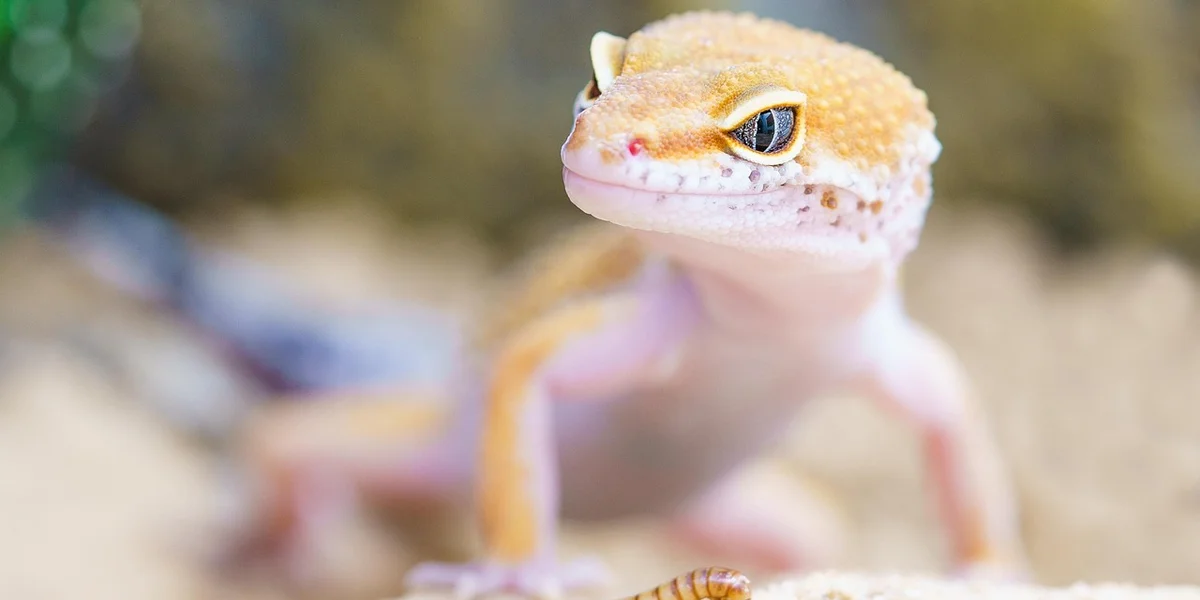
Leopard Gecko Health Focus Areas
Unique needs for weight and shedding
Leopard geckos like Griffey store fat in their tails, so a plump tail is a good sign. Monitor their tail width weekly-if it thins, check diet and temperatures. They also need humid hides for shedding; without them, skin can stick and cause toe loss. I make sure Griffey’s hide is moist during shed cycles, and he always comes out glowing.
- Tail should be thick and rounded; thinning indicates health issues.
- Provide a humid hide filled with damp moss for easy shedding.
- Watch for retained shed on eyes or toes, which can lead to infection.
Common issues like tail loss gecko
Tail loss is a defense mechanism, but it stresses the gecko and requires care. If your leopard gecko drops its tail, focus on preventing infection and reducing stress. I’ve seen it happen with sudden frights-clean the area gently and ensure optimal habitat conditions. The tail will regrow, but it may look different and need extra nutrients.
- Cause: Often due to handling stress or predator threats.
- Aftercare: Keep enclosure clean and offer high-protein foods.
- Prevention: Handle gently and avoid sudden movements.
Crested and Gargoyle Gecko Health Priorities
Humidity and climbing surface checks
These arboreal geckos need consistent humidity and safe climbing spots. I check Jeter and Mookie’s enclosures daily to ensure humidity stays between 50-70%. Use a digital hygrometer and mist regularly. Also, inspect branches and vines for splinters or instability-falls can cause injuries. I use natural cork rounds that are sturdy and easy to clean.
- Maintain humidity with daily misting and a humid hide.
- Provide multiple climbing surfaces with varying textures.
- Avoid sharp edges or toxic plants in the enclosure.
Monitoring for sticky shed and foot health
Sticky shed, where skin doesn’t come off completely, is common in low humidity. Check their toes and tail tips after each shed-retained skin can cut off circulation. For Mookie, I gently mist him if I see stuck shed, but never pull it off. Foot health is crucial; look for swollen joints or reluctance to climb, which might indicate infection or injury.
- Inspect toes and tail for retained shed after shedding cycles.
- Use a warm, damp q-tip to help loosen stuck skin gently.
- Watch for limping or favoring one foot, which needs vet attention.
Fat-Tailed and Day Gecko Special Notes
Temperature sensitivity and hiding behavior
Fat-tailed geckos like A-Rod and day geckos like Babe have specific temperature needs. A-Rod prefers cooler hides around 75°F, while Babe basks at 85°F-getting it wrong affects their health fast. I use thermostats to avoid overheating. Hiding is normal for fat-tails, but if A-Rod hides constantly, I check for stress or illness. Babe’s boldness means he should be visible often; if not, it’s a red flag.
- Fat-tails: Provide a thermal gradient with cool hides and warm basking spots.
- Day geckos: Ensure high, stable temperatures and UVB lighting.
- Monitor hiding habits; excessive hiding may indicate problems.
Appetite and oral health gecko specifics
These species can be picky eaters or prone to oral issues. Babe’s love for fruit means I watch for sticky residue that can cause mouth rot. For A-Rod, I offer varied diets to prevent boredom and ensure he gets enough calcium. Regularly check their mouths for swelling, discoloration, or difficulty eating-early signs of infection save lives.
- Offer balanced diets: Insects for fat-tails, fruits and insects for day geckos.
- Inspect mouths weekly for redness, swelling, or pus.
- Use supplements to prevent metabolic bone disease.
Identifying Red Flags and When to Call the Vet
Being a gecko owner means becoming a master of observation. Your daily interactions are your most powerful tool for spotting subtle shifts in your pet’s well-being before they become major problems. I’ve caught several issues early with my own crew, from Griffey’s minor appetite dips to Babe’s overly enthusiastic tail sheds, just by paying close attention.
Emergency Signs Requiring Immediate Action
Some situations can’t wait. If you see any of the following, it’s time to drop everything and contact your reptile vet or an emergency clinic.
List of critical emergency signs gecko
- Prolapsed tissue (any pink or red tissue protruding from the vent)
- Seizures, tremors, or uncontrollable spinning
- Visible trauma, like a deep cut or a limp, dangling limb
- Difficulty breathing, shown by open-mouth breathing or wheezing sounds
- Bleeding from the mouth, nose, or vent that does not stop quickly
- A sudden, dramatic loss of body condition where the tail becomes extremely thin and the hip bones are prominent
How to handle a gecko in distress
- Stay calm. Your gecko can sense your stress.
- Gently place them in a small, secure hospital tank lined with paper towels. This is clean and prevents further injury.
- Ensure the tank is in a quiet, dimly lit, and warm (but not hot) area.
- Do not offer food or water if they are seizuring or seem unconscious.
- Call your vet immediately, explain the situation, and follow their transport instructions.
For transport, I always use a small, ventilated plastic container with a secure lid and a soft paper towel substrate to prevent sliding. This keeps my gecko safe and secure on the stressful ride to the clinic.
Non-Urgent Symptoms for Vet Consultation
Not every oddity is a five-alarm fire, but many are signs that a scheduled vet visit is in order. Trust your gut-if something feels off, it probably is.
When to schedule a routine vet visit gecko
- Going off food for more than 7-10 days (for an adult)
- Consistently runny, unusually smelly, or discolored stools
- Persistent, stuck shed, especially on the toes or eyes
- Small, unexplained weight loss over a few weeks
- Lethargy that lasts for more than a couple of days
- Any new lumps, bumps, or swellings on the body
A-Rod once went on a two-week hunger strike that had me worried, but a vet check-up revealed it was just a seasonal behavior and he was perfectly healthy. It’s always better to get that peace of mind.
Preparing for a health symptoms consult
- Take clear, recent photos and videos of the symptom or behavior.
- Write down when the symptoms started and any recent changes to the enclosure, diet, or routine.
- Bring a fresh fecal sample if possible, stored in a sealed baggie.
- Note your gecko’s approximate weight.
- Prepare a list of your questions so you don’t forget anything in the moment.
Being prepared turns a vet visit from a panic into a productive partnership for your gecko’s health. Your detailed observations are invaluable data for your veterinarian.
Species-Specific Health Audit Considerations
Just like my crew of geckos-Griffey, Jeter, A-Rod, Mookie, and Babe-each species has its own unique health playbook. What’s normal for one can be a red flag for another. Tailoring your health audit to your gecko’s species is the single most effective way to catch problems early.
Leopard Gecko Health Focus Areas
Unique needs for weight and shedding
My leopard gecko, Griffey, is a “High Yellow” morph, and keeping an eye on his physique is a weekly ritual. A healthy leopard gecko should have a plump tail, but you should still be able to see a subtle neck and waist. I use a small kitchen scale to track Griffey’s weight monthly; a sudden drop is a major warning sign. For shedding, ensure their moist hide is genuinely damp. Stuck shed, especially on toes and the tip of the tail, can cut off circulation and lead to loss.
Common issues like tail loss gecko
Leopard geckos are famous for “dropping” their tails when stressed or frightened. While it will grow back, it never looks the same and is a huge energy drain for them. During your audit, gently check the tail for any signs of injury, constriction from stuck shed, or dark/discolored spots. A healthy tail should be fat, smooth, and uniformly colored. Handle them calmly to prevent this stressful event.
Crested and Gargoyle Gecko Health Priorities
Humidity and climbing surface checks
My crested gecko, Jeter, and my gargoyle, Mookie, live in a world of vertical climbs. Your audit must include their entire environment. Use a digital hygrometer to ensure nighttime humidity spikes to 80% and daytime levels drop to 50-60% for proper hydration and shedding. Then, run your fingers over every branch and vine. They must be secure and have a textured surface. A smooth, slippery perch is an accident waiting to happen.
Monitoring for sticky shed and foot health
Inadequate humidity directly causes “sticky shed,” where dried skin sticks to their toes and tail tips. Check every single toe pad during your audit; any leftover shed looks like a tight, white sock and can cause the toe to be lost. Crested geckos don’t regrow their tails, so be extra vigilant for any shed stuck there. For gargoyles like Mookie, also watch for any scrapes or cuts from their enthusiastic leaping.
Fat-Tailed and Day Gecko Special Notes
Temperature sensitivity and hiding behavior
My fat-tailed gecko, A-Rod, is a creature of subtle comforts. They are more sensitive to temperature extremes than leopard geckos. An audit for them means verifying the warm hide stays consistently between 88-90°F, while the cool end is reliably around 75°F. They are also more reclusive. It’s a problem if your fat-tailed gecko is always out in the open; it likely means their hides are not feeling secure enough. My day gecko, Babe, is the opposite-if he’s not basking, he’s not happy!
Appetite and oral health gecko specifics
Fat-tailed geckos can be picky eaters. A sudden loss of appetite is a bigger concern for them. During your audit, note if they are actively hunting their live prey or just ignoring it. For both species, but especially for day geckos, oral health is critical. Gently check for any discoloration around the mouth (mouth rot) or difficulty closing their jaw. Babe’s food-motivated nature means I always watch him eat to ensure everything is working properly.
FAQs
How should I handle my gecko during a health audit?
Handle your gecko gently over a soft, secure surface like a towel-lined table to prevent falls and keep the session brief to minimize stress.
What are the most important signs of a healthy gecko?
The most important signs include clear, bright eyes, a plump tail for fat-storing species, smooth and complete shedding, and a consistent, healthy appetite.
How often should I perform a full habitat audit?
You should perform a full habitat audit, including checking temperatures, humidity, and cleanliness, at least once a month alongside your gecko’s physical check.
Can I perform a health audit if my gecko is hiding or sleeping?
It is best to wait and perform the audit when your gecko is naturally active and alert to avoid causing unnecessary stress and to get an accurate assessment of their behavior.
What is the single most important tool for a health audit?
A digital kitchen scale is the single most important tool as it allows you to track weight, which is one of the earliest and most reliable indicators of health changes.
Final Words
From my time with geckos like Griffey, I stick to a simple routine: check their weight, skin, and behavior weekly, and always inspect their habitat for proper heat and cleanliness. This regular audit helps you spot tiny changes before they turn into emergencies, keeping your gecko thriving.
Owning a gecko is a joyful responsibility that grows with your knowledge. I constantly learn from my pets and fellow enthusiasts, so keep exploring new care tips and species-specific needs to give your gecko the best life possible.
Further Reading & Sources
- Project GECKO – Global Surgery Research
- Leopard Gecko Diseases, Illnesses & Other Health Info
- Gecko health problems – symptoms, causes and treatment
The Gecko Guide is your ultimate resource for gecko enthusiasts, providing expert advice and practical tips to ensure the health and happiness of your scaly companions. Alexander is a passionate gecko owner with over a decade of experience in reptile care. We are dedicated to offering accurate, up-to-date information to support your gecko journey.Our mission is to foster a community of responsible gecko owners who are passionate about the well-being of these fascinating creatures.
Gecko Health