
Signs Your Gecko Needs a Vet Immediately
Published on: January 27, 2026 | Last Updated: January 27, 2026
Written By: Alexander 'Gecko Geek' Johnson
It’s a terrifying feeling-you’re looking at your gecko and something just seems off, and you’re worried it might be a true emergency. I’ve been there, nervously watching one of my own geckos, and knowing when to wait versus when to rush to the vet is one of the hardest parts of being a pet owner.
I can help you cut through the worry. In this guide, I’ll walk you through the major red flags based on my own experiences and veterinary advice. You will learn to spot the critical symptoms that demand immediate professional care.
- How to identify genuine respiratory distress versus normal behavior.
- The clear physical and behavioral signs of a severe internal problem.
- What to do in the crucial minutes before you get to the veterinary clinic.
You will get straightforward, actionable advice you can use right now. We will cover the key warning signs, including: labored breathing, lethargy and loss of appetite, visible wounds or bleeding, neurological issues like stargazing, problems with shedding and skin, and sudden weight loss or a thin tail.
Drastic Behavior Shifts and Lethargy
You know your gecko’s normal personality better than anyone, so trust your gut when they start acting strangely.
- Sudden inactivity or refusal to move from one spot
- Hiding constantly and avoiding interaction
- Lack of curiosity about food or their surroundings
I remember when my crested gecko, Jeter, who usually perches high and watches everything, suddenly spent two days tucked deep in a hide and ignored his favorite fruit mash. That drastic change from his confident, calm demeanor told me he needed help fast. Weight loss paired with a refusal to eat is a major red flag-if your gecko’s spine or hip bones become visible, it’s past time for a vet visit.
Severe Digestive and Abdominal Red Flags
Your gecko’s digestive health is a window into their overall well-being, and certain symptoms scream for immediate attention. Are you wondering what the early warning signs of illness in geckos look like? Recognizing these cues early can help you seek prompt veterinary care.
- Vomiting or regurgitating food
- Diarrhea or unusually runny droppings
- A bloated, tight-looking belly
Blood in their stool or urates is an urgent sign of internal issues like parasites or impaction. Spotting even a tiny amount of red or black in their waste means you should call the vet right away. To check for abdominal swelling, gently feel your gecko’s underside when they are calm-it should be soft, not hard or puffy. If their belly feels like a overfilled water balloon, it could mean egg-binding or a blockage.
Breathing Troubles and Respiratory Distress
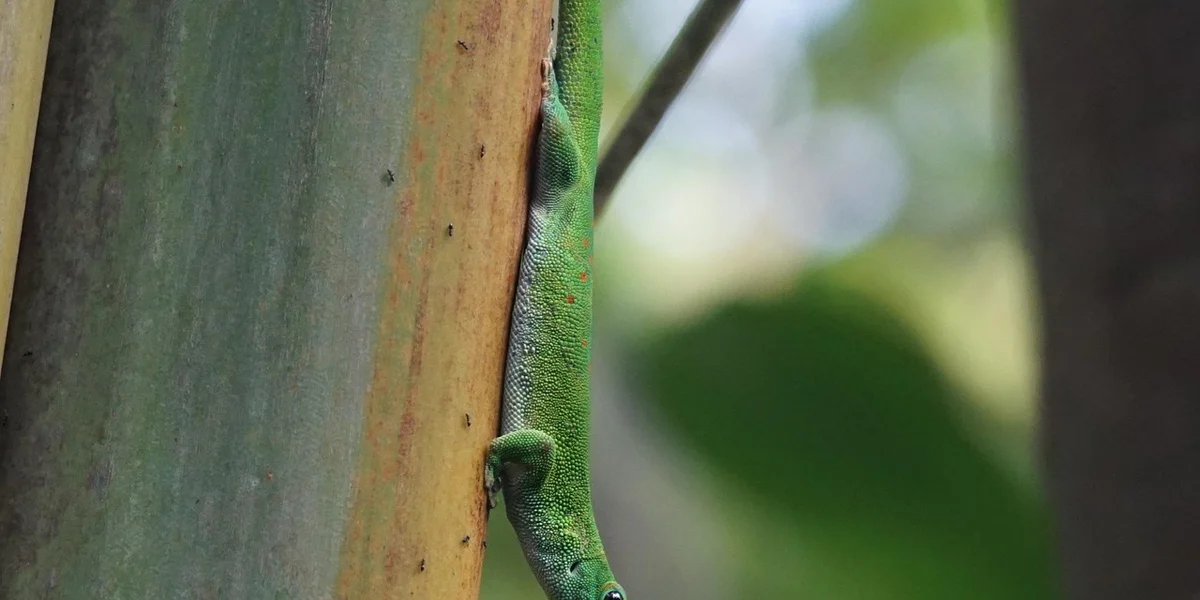
Hearing any sound from your gecko’s breathing is a major red flag. Geckos are naturally silent breathers, so any wheezing, clicking, or coughing noises mean something is seriously wrong. Understanding gecko breathing problems and respiratory issues helps you recognize warning signs early and determine when to seek veterinary care. This knowledge supports proactive monitoring and prompt treatment for your pet.
- Labored Breathing: Watch their sides. You should not see their ribs or body straining with each breath. Heavy, visible effort is a clear sign of distress.
- Mouth Gaping: This is not them being curious. A gecko sitting with its mouth consistently open is struggling to get air, much like a person gasping for breath.
- Nasal Discharge: Look for bubbles coming from the nose or a crusty, sticky substance around the nostrils. This is a classic symptom of a respiratory infection.
My crested gecko, Jeter, once developed a slight wheeze. I initially thought it was dust, but it persisted. I rushed him to the vet and learned he had the very early stages of a respiratory infection, which we caught just in time. Waiting even a day longer could have been disastrous.
Neurological Symptoms and Uncontrolled Movements
Any sudden change in your gecko’s coordination or movement is a veterinary emergency. Their graceful climbing should not turn into a clumsy struggle. If your leopard gecko is not moving, common causes to consider include a cold enclosure, dehydration, or illness. Early recognition of these issues helps you act quickly.
- Tremors and Seizures: Look for uncontrolled shaking, twitching, or a full-body seizure where the gecko appears to lose all control of its limbs.
- Paralysis: This can be partial, like a limp tail or a leg that drags, or more severe, where the gecko cannot move its lower body at all.
- Stargazing: This is when a gecko arches its head back to look at the ceiling for no apparent reason, a sign of a serious neurological issue.
If your gecko cannot right itself after being placed on its back, it is a critical situation that requires immediate professional help. If your gecko is not moving at all or staying perfectly still, that’s a critical emergency sign. It can indicate serious illness requiring urgent veterinary care. This points to severe neurological or metabolic bone disease. A bit of “drunken” walking might seem funny, like a rookie learning the ropes, but it’s actually a sign their internal compass is broken. Don’t dismiss wobbling or circling as quirky behavior; it’s a cry for help.
Visible Injuries and External Emergencies
Spotting physical harm on your gecko can be alarming. Bleeding, trauma, or swelling are clear signals that your pet needs urgent veterinary attention. I once noticed a small cut on Griffey’s tail after he snagged it on a rough hide, and even minor wounds can lead to infections or blood loss in these small creatures.
- Bleeding: Apply gentle pressure with a clean, damp cloth to slow it, but head to the vet fast-geckos have limited blood volume.
- Trauma: Look for limping, hiding more than usual, or unusual posture; my gecko A-Rod once fell and showed swelling that hinted at a sprain.
- Swelling: This could stem from abscesses or fractures, so don’t wait-it often worsens without treatment.
Abnormal shedding is another red flag. Stuck shed, especially around eyes or toes, can cut off circulation and cause permanent damage. When Jeter had eye cloudiness, it turned out to be a mild infection that needed meds.
- Eye cloudiness or discharge: Cloudy eyes might mean injury or illness, while discharge often points to respiratory issues.
For initial first aid on wounds, follow these steps to stabilize your gecko before the vet visit.
- Gently clean the area with a saline solution or lukewarm water to remove debris.
- Use a sterile gauze to apply light pressure if bleeding, but avoid tight bandages that could stress your pet.
- Place your gecko in a quiet, warm enclosure with minimal handling to reduce stress until you get professional help.
Dehydration and Starvation Warning Signs
Dehydration can sneak up on geckos, especially in dry environments. Sunken eyes, pale gums, or skin that tents slowly are classic dehydration indicators. I check my geckos weekly; when Mookie’s eyes looked dull and sunken, I increased misting and saw quick improvement, but persistent signs need a vet. These symptoms are detailed further here.
- Sunken eyes: They make your gecko appear tired and weak, often paired with lethargy.
- Pale gums: Gums should be pink; paleness can signal anemia or poor circulation.
- Skin tenting: Gently pinch the skin on the back-if it doesn’t snap back in under two seconds, hydration is low.
Prolonged not eating and weight loss are serious concerns. If your gecko refuses food for over a week and shows visible rib or spine prominence, it’s an emergency. Babe, my food-loving day gecko, once skipped meals due to a digestive issue, and quick vet care saved him. If you’re wondering why my gecko is not eating and what you should do, this situation calls for a quick veterinary check. A vet can assess hydration, gut health, and environmental factors to determine the cause and next steps.
- Prolonged not eating: Track feeding habits; geckos like A-Rod might fast occasionally, but extended periods need investigation.
- Weight loss: Use a small kitchen scale to monitor grams-steady drops often point to parasites or illness.
To check hydration at home, try these simple tips to catch issues early.
- Offer a shallow water dish and observe if your gecko drinks; some, like Griffey, prefer licking droplets from leaves.
- Mist the enclosure regularly to maintain humidity, which helps geckos absorb water through their skin.
- Watch for urates-white parts in droppings should be moist, not chalky, to indicate good hydration.
Immediate Action Steps for a Gecko Emergency
-
If your gecko shows any severe symptoms, act fast but stay calm to avoid stressing them further. Your first move should always be to call an exotic vet clinic to alert them you’re coming—this saves critical minutes upon arrival. I keep my vet’s number saved in my phone after a scare with Griffey, my leopard gecko, who once stopped eating abruptly. If symptoms persist for more than a day or you notice dehydration or lethargy, schedule a visit with your exotic veterinarian. Quick action can prevent escalation.
Follow these first aid steps in order:
- Call your vet or an emergency exotic pet clinic immediately.
- Keep your gecko warm by placing their travel container on a heat pack wrapped in a towel-never directly on their skin.
- Transport them in a small, secure ventilated container with soft paper towels to prevent jostling.
-
Being prepared with the right items helps the vet diagnose quickly. For a leopard gecko, emergency care essentials are especially important, since timing can affect outcomes. Pack a “go-bag” with your gecko’s recent shed skins, a poop sample, and photos of their habitat-it gives the vet clues we might miss. Here’s what I always bring:
- Your gecko in a safe, small carrier with air holes.
- A recent fecal sample in a sealed bag.
- Photos of their enclosure setup and diet log.
- Any medications or supplements they’re taking.
-
I learned the hard way with Mookie, my gargoyle gecko, who took a bad fall during a climbing spree. Rushing him to the vet with a makeshift incubator (a warmed sock filled with rice) kept him stable until we got help. His playful leap led to a leg injury, but quick action and a vet visit had him back to his acrobatic self in weeks. It taught me that even minor accidents need professional eyes.
Preventing Emergencies with Proactive Care
-
Regular checks catch problems before they become crises. I do a quick daily scan of each gecko’s behavior and a weekly deep clean of their habitats-it’s how I spotted A-Rod’s early signs of shedding trouble. Focus on these areas during habitat inspections:
- Check temperatures and humidity with digital gauges, not analog ones that can fail.
- Look for mold, waste buildup, or sharp decor that could cause injury.
- Ensure hides and climbing structures are secure and clean.
-
Simple routines make health monitoring effortless. Weigh your gecko weekly on a kitchen scale and jot it down-a sudden drop can signal illness long before other symptoms appear. Here’s my easy daily routine:
- Observe their activity level during their active hours-are they exploring or hiding?
- Check that they’ve eaten and passed waste normally.
- Gently feel their tail for plumpness; a skinny tail means trouble.
-
Proactive care is the heart of animal welfare-it’s our job to give them a life free from preventable pain. Responsible ownership means investing time in prevention, not just reacting to emergencies. Seeing Babe, my day gecko, thrive for years because of consistent care reminds me that a little effort daily keeps the vet visits rare and our geckos happy.
FAQs
How often should I schedule routine vet check-ups for my gecko?
Annual wellness exams are recommended to catch potential health issues early and ensure your gecko remains in optimal condition. For healthy geckos, a yearly checkup is typically sufficient, though your veterinarian may tailor the schedule based on age and species. If you notice any changes or unusual behavior, contact your vet promptly.
What non-emergency signs indicate I should schedule a vet visit soon?
Mild changes in appetite or activity level that persist for several days may require a vet consultation to rule out underlying problems.
Can stress from environmental changes cause symptoms that look like illness?
Yes, stress can lead to behaviors like hiding or reduced eating, but if symptoms don’t resolve with proper habitat adjustments, a vet visit is advisable to confirm there’s no medical issue.
Final Words
Trust your gut. If your gecko shows signs like no appetite, lethargy, visible wounds, or trouble breathing, do not wait to see if it gets better. Your quick action is the single most important factor in helping your pet recover.
Being a great gecko owner means committing to lifelong learning about their needs. We owe it to our scaly friends to provide not just the basics, but a life of thriving health through attentive, educated care.
Further Reading & Sources
- Veterinary Care: New Reptile Visit | VCA Animal Hospitals
- Lizard Care Services | Exotic Animal Hospital of Orlando
- Find Expert Leopard Gecko Vets Near You | JustAnswer
The Gecko Guide is your ultimate resource for gecko enthusiasts, providing expert advice and practical tips to ensure the health and happiness of your scaly companions. Alexander is a passionate gecko owner with over a decade of experience in reptile care. We are dedicated to offering accurate, up-to-date information to support your gecko journey.Our mission is to foster a community of responsible gecko owners who are passionate about the well-being of these fascinating creatures.
Preventative Care & Vet Visits