
Best Beginner Geckos: Top 5 Easy & Friendly Pet Species
Published on: December 12, 2025 | Last Updated: December 12, 2025
Written By: Alexander 'Gecko Geek' Johnson
Choosing your first pet gecko can feel like a huge decision, especially when you’re worried about making a costly mistake with a fragile animal. I remember staring into reptile expos, completely overwhelmed by the choices. You want a pet that’s hardy, handleable, and won’t demand expert-level care from day one.
I’m here to help you cut through the noise. We’ll walk through this together, focusing on what truly matters for a successful start. You’ll learn about:
- Housing and setup essentials for a thriving gecko.
- Key personality traits and which ones suit a beginner’s lifestyle.
- Straightforward feeding and maintenance routines.
By the end of this guide, you’ll feel confident picking the perfect scaly friend. We’re covering the top five beginner-friendly species: Leopard Gecko, Crested Gecko, African Fat-Tailed Gecko, Gargoyle Gecko, and Giant Day Gecko.
Why Geckos Make Excellent Starter Pets
Geckos are fantastic first pets because they fit into busy lives without demanding constant attention. Their low maintenance routines mean you can enjoy their company without feeling overwhelmed by daily chores. I remember setting up Griffey’s first tank in under an hour, and he thrived right away with just weekly spot cleaning. But are geckos really easy pets? Here are 5 common beginner misconceptions.
- Low maintenance: They eat every few days and don’t need complex social interaction. My geckos like Jeter are content in their own space, making care simple and stress-free.
- Hardy nature: Geckos can bounce back from minor care mistakes, which is reassuring for new owners. A-Rod once went off food for a week but perked up after a small tweak to his humidity.
- Small space needs: Most species live happily in compact 10-20 gallon tanks. Mookie’s vertical enclosure fits neatly in my apartment, proving you don’t need a huge home for a big heart.
Top 5 Beginner Gecko Species Compared
Each species has unique traits, but all share beginner-friendly qualities. I’ve handpicked these five based on years of keeping them healthy and happy in my own home. Let’s break down what makes each one a standout choice.
Leopard Gecko: The Classic Beginner Choice
Leopard geckos like my Griffey are ground-dwelling and nocturnal, so they’re active in the evenings when you’re home. Understanding their activity patterns helps you tailor care and enrichment, especially around feeding and handling. Leopard geckos are generally nocturnal, with peak activity after dark. Their simple insect diet and ease of handling make them ideal for first-timers. Griffey gobbles up crickets and mealworms without fuss, and he rarely minds being held for short periods.
- Size: 7-10 inches long, sturdy build.
- Temperament: Docile and curious; great for gentle handling.
- Care level: Easy; basic desert setup with a heat mat and hides.
- Why beginners love them: They’re hardy and come in cool color morphs, like high yellow or albino, adding fun variety.
Crested Gecko: The Low-Maintenance Climber
Crested geckos are arboreal, meaning they love to climb, and Jeter spends his days perched high in his tank. Their powdered diet mixes with water, cutting down on live insect hassle. I mix up Jeter’s food twice a week, and he licks it right up-no chasing bugs needed.
- Size: 6-8 inches with a sticky-toed tail.
- Temperament: Calm and tolerant; perfect for light handling sessions.
- Care level: Easy; focus on humidity and vertical space with plants.
- Why beginners love them: Minimal feeding effort and they thrive in room-temperature tanks.
African Fat-Tailed Gecko: The Leopard Gecko Cousin
African fat-tailed geckos share many traits with leopard geckos but need a bit more humidity. A-Rod’s calm demeanor makes him a chill companion who rarely shows stress. He enjoys his solitude but will calmly crawl onto my hand during tank cleanings.
- Size: 7-9 inches with a plump, fat-storing tail.
- Temperament: Laid-back and less skittish; great for nervous new owners.
- Care level: Easy to moderate; maintain higher humidity with a moist hide.
- Why beginners love them: Similar care to leopard geckos but with a unique stripe pattern that stands out.
Gargoyle Gecko: The Playful Alternative
Gargoyle geckos have bumpy skin and a playful streak-Mookie leaps between branches like a tiny acrobat. Their diet mirrors crested geckos, so you can use the same convenient powdered food. Mookie’s bursts of energy are hilarious to watch, and he rarely misses a jump.
- Size: 7-9 inches with a prehensile tail for gripping.
- Temperament: Energetic yet friendly; they enjoy climbing exploration.
- Care level: Easy; set up a tall tank with branches and foliage.
- Why beginners love them: Low feeding maintenance and their quirky looks add personality to any room.
Mourning Gecko: The Tiny Socialite
Mourning geckos are tiny and social, often kept in small groups since they reproduce through parthenogenesis—no males needed. Their fruit-based diet and small size make them super easy to care for in a nano tank. I’ve seen them thrive in planted setups, chirping and interacting like a mini community. In this mourning gecko care habitat setup guide, I’ll walk you through the right nano tank, substrate, humidity, and lighting. You’ll learn how to create a safe, plant-friendly space that fits their small size.
- Size: 3-4 inches; perfect for compact spaces.
- Temperament: Active and social; best kept in pairs or trios.
- Care level: Easy; simple fruit mixes and high humidity.
- Why beginners love them: They’re fascinating to observe and breed readily, offering a glimpse into unique reptile behavior.
Essential Gecko Care Basics for New Owners
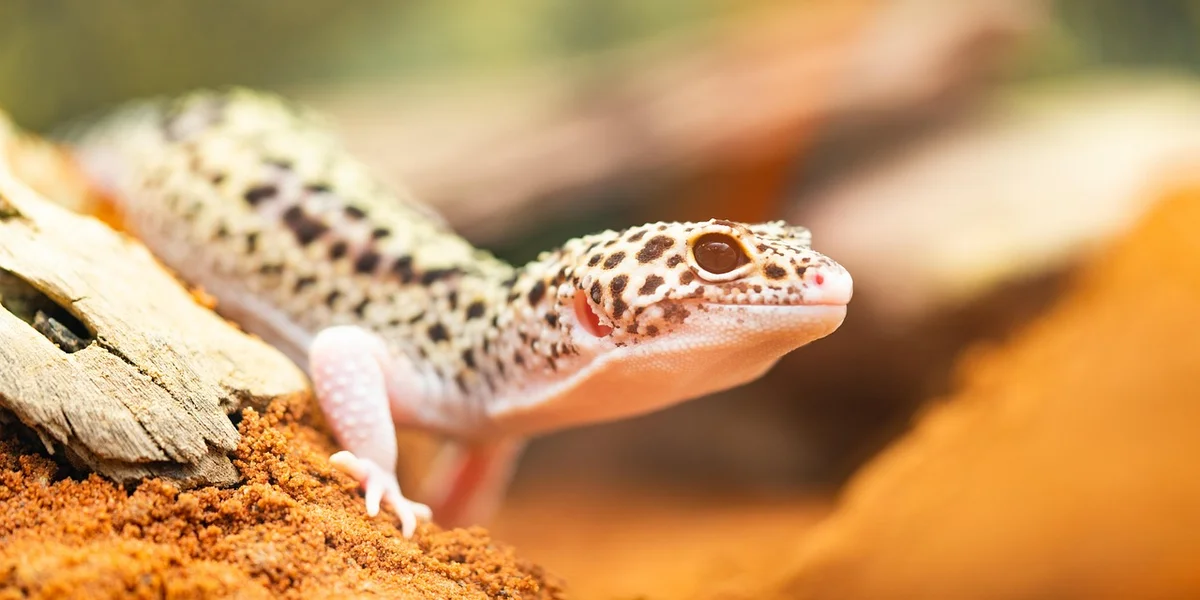
- Housing Size: Begin with a 10 to 20-gallon enclosure for most starter geckos. My Leopard Gecko Griffey thrives in a longer tank with floor space, while Jeter the Crested Gecko prefers vertical height for climbing. Always match the tank to your gecko’s natural habits.
- Temperature Gradients: Set up a warm side at 85-90°F and a cool side around 75°F. I use under-tank heaters for Griffey and low-wattage bulbs for Babe the Giant Day Gecko. This gradient lets your gecko thermoregulate easily and stay healthy.
- Humidity Control: Keep humidity levels species-specific with a hygrometer. For Mookie my Gargoyle Gecko, I mist daily to hit 50-70%, but A-Rod’s African Fat-Tailed setup stays drier. Proper moisture prevents stuck shed and respiratory issues.
- Cleaning Routines: Remove waste daily and do a full habitat clean every month. I spot-clean Griffey’s tank each morning and deep-clean with vinegar solution monthly. A tidy home cuts stress and disease risks for your pet.
- Calcium Supplementation: Dust feeder insects with calcium powder 2-3 times weekly to prevent metabolic bone disease. I always supplement Griffey’s crickets and leave a small dish in Babe’s enclosure. Consistent calcium keeps bones strong and supports overall vitality.
How to Choose the Right Gecko for Your Lifestyle
Picking your first gecko is an exciting step. The best choice is the one that fits seamlessly into your daily routine and home environment. I learned this after bringing home my energetic leopard gecko, Griffey, who loves to be the center of attention, while my crested gecko, Jeter, is perfectly content just hanging out. Different species have varying temperaments, so it’s important to choose one that suits your needs.
Ask yourself these three key questions before you decide.
- What is your household’s activity level? A quiet, calm home suits a shy Fat-Tailed gecko. A busier, active home can handle a bold Day Gecko.
- How much handling do you want? Some geckos, like Leopards, often enjoy brief handling sessions. Others, like my A-Rod, are better as “look, don’t touch” pets.
- What is your noise tolerance at night? Many geckos are nocturnal. You might hear them climbing or hunting, which is something to consider if you are a light sleeper.
Here is a quick comparison of the top beginner species to help you visualize the differences.
| Species | Activity & Handling | Noise Level | Estimated Startup Cost |
|---|---|---|---|
| Leopard Gecko | Mostly ground-dwelling; often tolerates gentle handling well. | Quiet | $250 – $400 |
| Crested Gecko | Loves to climb; handling is possible but they can be jumpy. | Occasional nighttime rustling | $300 – $500 |
| African Fat-Tailed Gecko | Calm and terrestrial; prefers less handling. | Very Quiet | $275 – $450 |
| Gargoyle Gecko | Active climber at night; handling requires patience. | Nighttime activity sounds | $350 – $550 |
| Giant Day Gecko | Diurnal and fast; best for observation rather than handling. | Quiet | $400 – $600+ |
Remember that the initial cost is a one-time investment for a pet that can be with you for 15-20 years. This includes the gecko itself, the terrarium, heating, lighting, décor, and initial food supplies. To calculate the true lifetime cost of owning a gecko, factor in ongoing food, vet care, replacements, and equipment upkeep over 15-20 years. My gecko Babe has been with me for five years, and seeing her vibrant green color every morning is worth every penny.
Your lifestyle is the most important factor. Be honest about the time and interaction you can consistently offer, and you will find a perfect reptilian friend.
Setting Up Your Gecko’s First Enclosure
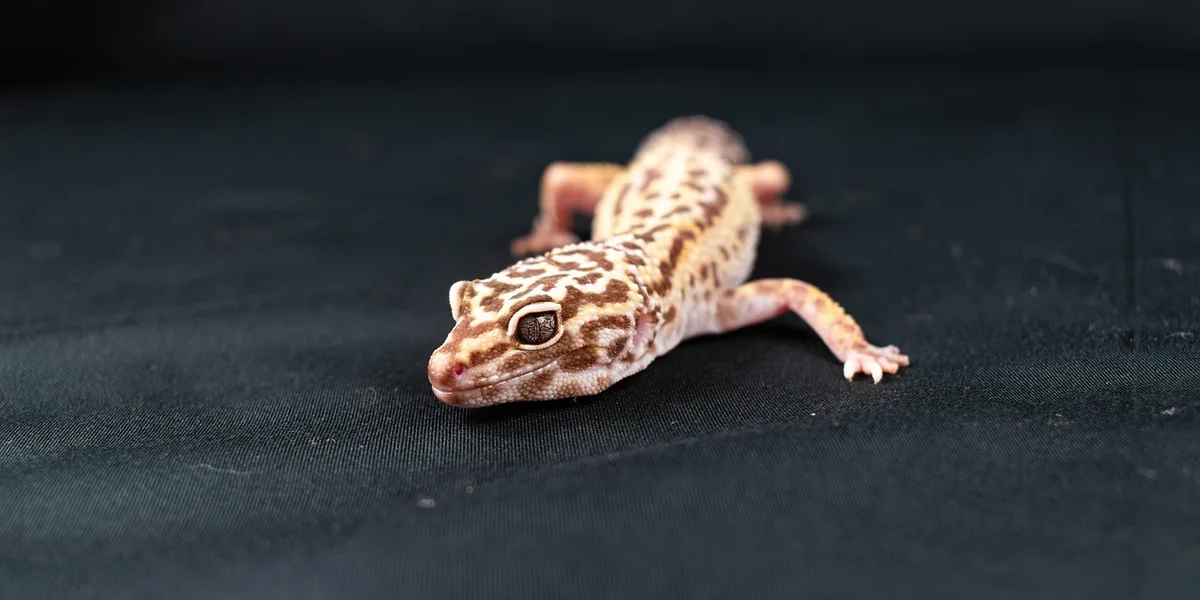
Creating a comfortable home for your new gecko is one of the most rewarding parts of pet ownership. I’ve set up countless enclosures for my crew—Griffey, Jeter, A-Rod, Mookie, and Babe—and a proper setup directly impacts their health and mood. Gecko habitat husbandry is all about creating a stable microclimate with proper heat, humidity, and lighting. With that in mind, follow these steps to build a safe, engaging space your gecko will love.
- Pick the right substrate first. Flooring choice matters for safety and cleanliness. I use paper towels for my leopard gecko Griffey-it’s cheap, easy to replace, and prevents impaction. Avoid loose substrates like sand for beginners; reptile carpet or slate tiles work well too.
- Add at least two hides for security. Geckos need cozy spots to retreat and feel safe. Place one hide on the warm end and another on the cool side. My crested gecko Jeter adores his elevated coconut hide, while A-Rod’s fat-tailed gecko setup includes a snug rock cave he guards fiercely.
- Install a reliable heat source with control. Geckos depend on external heat for digestion and activity. Use an under-tank heater or low-wattage heat lamp, always paired with a thermostat. I learned with Mookie’s enclosure that unregulated heat can stress them-now I keep the warm side at 85-90°F for species like leopards.
- Prioritize ventilation to prevent moisture issues. A screen top or vented lid ensures air circulates, reducing mold and respiratory risks. Babe’s giant day gecko terrarium has a screened top, which maintains humidity without stagnation. Good airflow keeps your gecko breathing easy.
Feeding and Health Tips for Thriving Geckos
Getting your gecko’s diet and health routine right is like learning a new recipe—mess it up, and things can go sideways fast. I’ve fine-tuned my approach after years with my crew, from Griffey’s energetic munching to Babe’s food-focused antics, and it’s made all the difference in their vitality. Knowing the 9 common gecko feeding mistakes that compromise health helps you avoid costly missteps. We’ll cover them and how to optimize feeding for long-term vitality. Let’s break down the basics so your scaly friend stays happy and hearty.
Insect Feeding Schedules That Work
Feeding isn’t one-size-fits-all-it hinges on age, species, and even personality. Young geckos grow rapidly and need daily meals, while adults like my A-Rod do well eating every 2-3 days to avoid obesity; you can create a tailored feeding schedule for both. Offer insects like crickets or dubia roaches; for variety, I toss in mealworms for Mookie, who adores the crunch. Remove uneaten bugs within hours to prevent stress or bites.
- Juveniles (under 1 year): Feed daily, 5-10 small insects per session.
- Adults: Offer food every 2-3 days, adjusting portions if they leave leftovers.
- Species-specific notes: Cresteds like Jeter enjoy fruit purees weekly, while leopard geckos stick to insects.
Supplement Use for Strong Bones and Vitality
Supplements are non-negotiable for preventing metabolic bone disease, which I learned early when Griffey showed slight leg tremors. Always dust insects with calcium powder (with D3 for non-UVB species) at every feeding, and rotate in a multivitamin weekly. I keep a shallow dish of plain calcium in the tank for geckos to self-regulate, which Babe occasionally dips into like a snack bar.
- Calcium with D3: Use for most species unless under UVB lighting.
- Multivitamins: Apply once weekly to support immune function and skin health.
- Gut-load insects 24 hours prior with veggies like carrots for extra nutrients.
Common Health Signs to Watch Closely
Catching issues early saves trips to the vet and heartache. Monitor their weight by gently feeling the tail base-it should be plump, not bony or overly fat like Babe’s power-built rear. Look for lethargy, stuck shed (especially on toes), or runny droppings; my Jeter once had a retained eye cap from low humidity, fixed with a warm misting.
- Weight loss: Tail thinning or spine visibility signals underfeeding or illness.
- Abnormal behavior: Hiding constantly or refusing food for over 3 days.
- Skin and eyes: Cloudy eyes or incomplete sheds need humidity adjustments.
When to Consult a Veterinarian ASAP
Don’t play guessing games with health-vets are your best ally. Seek help immediately if your gecko has labored breathing, visible wounds, or prolapse, as these can escalate quickly. Recognizing urgent signs helps you act quickly when every minute counts. If you notice sudden changes like lethargy, loss of appetite, or a sudden swelling, seek veterinary care immediately. I rushed Mookie to the clinic after a fall led to leg swelling, and prompt care saved his climbing skills. Regular check-ups yearly are wise for preventative care.
- Emergency signs: Bleeding, seizures, or inability to move limbs.
- Persistent issues: Diarrhea lasting more than 2 days or weight drop despite feeding.
- Preventative visits: Schedule annually for fecal exams to catch parasites early.
FAQs
Can I keep multiple geckos together in one tank?
Most beginner gecko species are solitary and should be housed alone to prevent stress, aggression, or injury.
What are the typical monthly expenses for gecko care?
Monthly costs generally range from $20 to $50 for food, supplements, and occasional supplies like bedding or decor.
How often should I replace the substrate in my gecko’s enclosure?
Substrate should be spot-cleaned daily and fully replaced every 1-2 months to maintain hygiene and prevent odor or mold.
Final Words
The best beginner gecko for you is one that matches your lifestyle and commitment level. Focus on hardy, handleable species like the Leopard Gecko or Crested Gecko, and always prioritize a healthy animal from a reputable source over a specific color or pattern. When you choose, look for signs of health—clear eyes, smooth movement, and a healthy appetite—and, if possible, ask to see vet checks or a health guarantee from the seller.
Bringing a gecko home is the start of a rewarding journey that requires dedication. Your commitment to providing excellent habitat, proper nutrition, and attentive care is what truly makes you a great gecko owner, so keep learning and growing alongside your new pet.
Further Reading & Sources
- Best Pet Reptiles for Beginners | Pine Grove Vet
- r/geckos on Reddit: What is the best species of gecko for a beginner?
- Common Pet Gecko Types for Beginners
The Gecko Guide is your ultimate resource for gecko enthusiasts, providing expert advice and practical tips to ensure the health and happiness of your scaly companions. Alexander is a passionate gecko owner with over a decade of experience in reptile care. We are dedicated to offering accurate, up-to-date information to support your gecko journey.Our mission is to foster a community of responsible gecko owners who are passionate about the well-being of these fascinating creatures.
Gecko Selection & Acquisition