
Can Different Gecko Species Live Together?
Published on: January 4, 2026 | Last Updated: January 4, 2026
Written By: Alexander 'Gecko Geek' Johnson
You’re looking at your collection of gecko terrariums and wondering if you could save space and create one amazing, multi-species habitat. It’s a tempting thought, but one that fills many owners with anxiety about the safety of their pets.
I’m here to help you navigate this complex topic with clear, experience-based advice. After years of caring for my own crew-from my energetic Leopard Gecko, Griffey, to my bold Giant Day Gecko, Babe-I’ve learned that their well-being always comes first. We’ll break down the key considerations into three main takeaways:
- The immense stress and health risks of mixing species.
- Why their conflicting habitat needs make it nearly impossible.
- The serious danger of cross-species illness and aggression.
By the end of this guide, you will have a definitive, easy-to-understand answer. We will cover: cohabitation risks, species-by-species analysis, safe alternatives, and proper solo-habitat setup. Let’s get your scaly friends the safe, stress-free home they deserve.
The Mixed-Species Reality: Pros and Cons
Benefits of Gecko Coexistence
Some owners dream of a vibrant, multi-species terrarium filled with different geckos. This setup can offer visual appeal and save space if you’re tight on room. I once considered housing my leopard gecko Griffey with my crested gecko Jeter for that very reason. Watching varied colors and behaviors in one enclosure seems exciting. If you’re thinking about building a bioactive gecko terrarium, it’s a natural, self-sustaining setup with live plants and microfauna. This approach adds ecological balance and can reduce routine maintenance.
Potential benefits include:
- Aesthetic diversity: Mixing patterns like Griffey’s spots with Jeter’s flame stripe creates a living artwork.
- Behavioral observation: You might see unique interactions, like arboreal and terrestrial habits side by side.
- Space efficiency: One large tank could, in theory, house multiple species.
But in my experience, these pros rarely outweigh the cons. Geckos thrive best when their individual needs are met without compromise. That’s especially important when you’re choosing a healthy gecko. Look for signs like alert eyes, responsive movement, smooth skin, and a healthy tail from a reputable source.
Risks and Why Mixing Often Fails
Mixing species often leads to stress, illness, or injury. I learned this the hard way when I tried introducing my African fat-tailed gecko A-Rod to another species briefly. His territorial nature caused immediate hiding and refusal to eat. It was a quick lesson in gecko psychology.
Common risks include:
- Disease transmission: Different species carry unique pathogens that can spread rapidly.
- Stress-induced health issues: Constant anxiety can weaken immune systems and lead to weight loss.
- Fighting and aggression: Larger geckos may bully or injure smaller ones, as seen with size disparities.
- Conflicting environmental needs: Humidity, temperature, and lighting vary widely between species.
Most attempts at mixing fail due to these factors. Prioritizing each gecko’s well-being means keeping them in species-specific homes.
Understanding Gecko Behavior and Compatibility
Can Leopard Geckos and Crested Geckos Coexist?
Leopard geckos and crested geckos should not live together. My leopard gecko Griffey enjoys dry, warm ground hides, while my crested gecko Jeter needs high humidity and vertical climbing space. Their habitats are like different worlds—mixing them forces one to adapt unsafely. When people ask whether leopard geckos and crested geckos should be kept as pairs, the answer is generally no: they have distinct environmental needs and stress dynamics that make cohabitation risky. If kept separately with species-appropriate setups, both can thrive.
Key incompatibilities:
- Habitat: Leopard geckos are terrestrial; crested geckos are arboreal.
- Humidity: Leopards need 30-40%; cresteds require 60-80%.
- Temperature: Leopards bask at 88-92°F; cresteds prefer 72-78°F.
Even with careful monitoring, the stress isn’t worth it. I keep Griffey and Jeter in separate enclosures to ensure both stay healthy and happy.
Size and Temperament: The Aggression Factor
Size and personality play huge roles in compatibility. My gargoyle gecko Mookie’s playful leaps could startle my more sedentary giant day gecko Babe, leading to stress. Larger geckos might see smaller ones as prey or rivals, triggering aggression.
Consider these factors:
- Size differences: A significant gap can cause intimidation or accidental injury during feeding.
- Temperament variations: Some species, like African fat-tailed geckos, are naturally solitary and territorial.
- Behavioral cues: Watch for signs of stress, like tail dropping or hiding, which indicate incompatibility.
Always match geckos by similar size and calm dispositions if attempting cohabitation. Observing your geckos’ daily habits helps you understand their unique personalities and needs. This topic is covered in our complete guide to understanding gecko behavior and temperament. Learn to read cues and tailor care for each gecko.
Species-Specific Habitat Needs You Must Meet
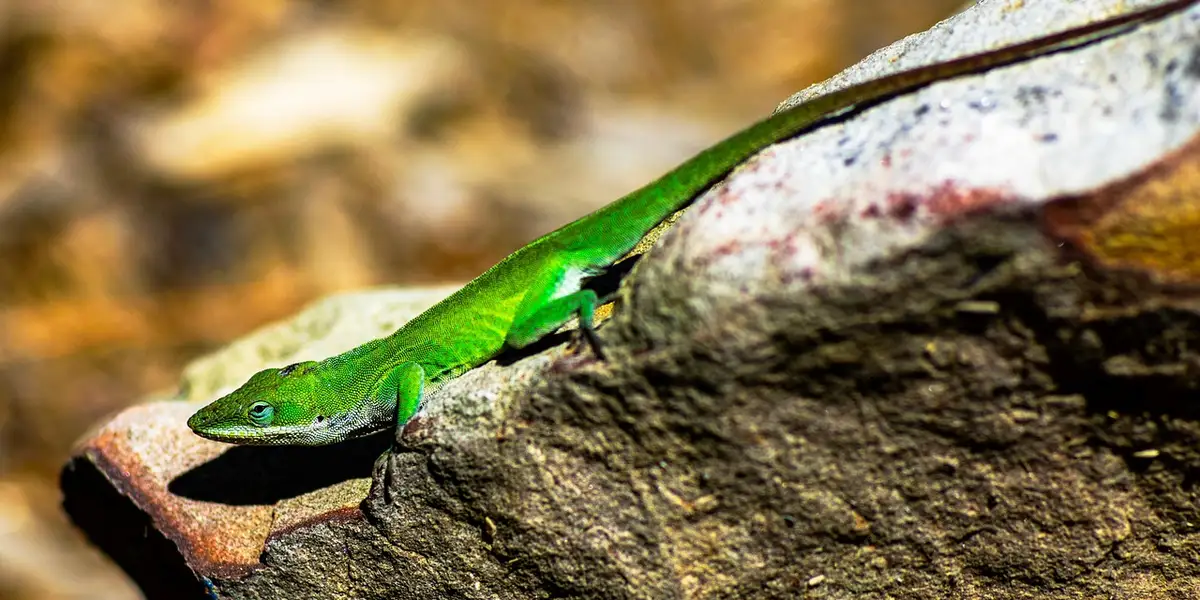
Getting a habitat wrong for one gecko is a problem. Getting it wrong for multiple species is a disaster waiting to happen. Each species has evolved for a specific environment, and trying to merge those into one box is the biggest challenge you’ll face. From my own crew, I see this daily; what keeps Griffey, my leopard gecko, happy would make Jeter, my crested gecko, miserable. That’s the heart of gecko habitat husbandry: tailor each enclosure to a species’ specific climate and needs. When you do, you’ll reduce stress and boost health across your collection.
Temperature and Humidity: Getting It Right
This is the fundamental deal-breaker. You simply cannot create a single temperature and humidity gradient that satisfies a desert species and a tropical one.
- Leopard & Fat-Tailed Geckos: They need a warm, dry environment. Their basking spot should be around 88-92°F with low humidity (30-40%). My guy Griffey thrives in this.
- Crested & Gargoyle Geckos: These are tropical. They need room temperatures around 72-78°F and high humidity levels, spiking to 80% at night. My Jeter and Mookie would dehydrate in a leopard gecko tank.
- Giant Day Geckos: They are a whole other story. They need intense heat and even higher, more consistent humidity. My Babe requires a steamy, bright environment that would be outright dangerous for the others.
Mixing a species that needs arid heat with one that needs tropical humidity will inevitably make one of them sick, leading to respiratory infections or shedding problems. I learned this the hard way early on; you cannot compromise on this.
Climbing and Hiding: Space and Shelter Essentials
Think about how your gecko uses its world. Is it a ground-dweller or an arboreal acrobat? Their mental health depends on having the right furniture.
- Terrestrial Species (Leopard, Fat-Tailed): They are floor-based. They need multiple secure, ground-level hides. My A-Rod, my fat-tail, would be stressed to death if he didn’t have his choice of snug caves.
- Arboreal Species (Crested, Gargoyle, Day Gecko): They live in the trees. They need vertical space, tall plants, and branches to climb. My Mookie, the gargoyle gecko, would be utterly lost without his vertical highway to leap across.
Forcing a ground lizard to live in a skyscraper or a tree-dweller to live in a single-story ranch is a recipe for constant stress. Their instincts tell them where safety is, and you can’t argue with instinct.
Setting Up a Safe Mixed-Species Enclosure
If you are still determined to try after understanding those core conflicts, the setup is everything. You are essentially building a tiny, multi-climate apartment complex, and it requires meticulous planning.
Enclosure Size and Layout Steps
Forget a standard 20-gallon tank. You need a massive, custom-built enclosure to even have a chance.
- Choose an Enclosure: Start with nothing smaller than a 75-gallon tank, but a custom 120-gallon (4x2x2 feet) is a much better starting point. Bigger is always safer.
- Create Zones: Physically divide the tank into sections using solid, not see-through, dividers. This prevents visual stress. One side can be the “arid zone” with a heat lamp and low humidity. The other can be the “tropical zone” with a mister and plants.
- Furnish for All Personalities: In the arid zone, provide a deep, moist hide for shedding and multiple dry hides. In the tropical zone, create a dense canopy at the top and offer enclosed hides in the middle and bottom levels.
This zoned approach is the only ethical way to attempt cohabitation, as it allows each animal to retreat to its required environment. It’s a huge undertaking, both in space and budget.
Feeding and Water Stations: Avoiding Conflict
Food is a huge trigger for aggression. You must eliminate any chance of competition.
- Multiple Feeding Stations: Set up at least two, preferably three, distinct feeding areas far apart. This prevents one dominant gecko from guarding all the food.
- Species-Specific Diets: Feed them at the same time but with their specific food. Offer crested gecko diet in the tropical zone and gut-loaded insects in the arid zone.
- Supervised Meals: I never just drop food in and walk away. I watch to ensure everyone is eating and that no one is being bullied away from their meal. My A-Rod is territorial and would absolutely try to claim all the insects if I let him.
Establishing a peaceful feeding routine requires constant vigilance to prevent under-eating and weight loss in more submissive individuals. It’s a daily commitment, not a set-and-forget task.
Monitoring for Stress and Signs of Trouble
Daily Observation and What to Look For
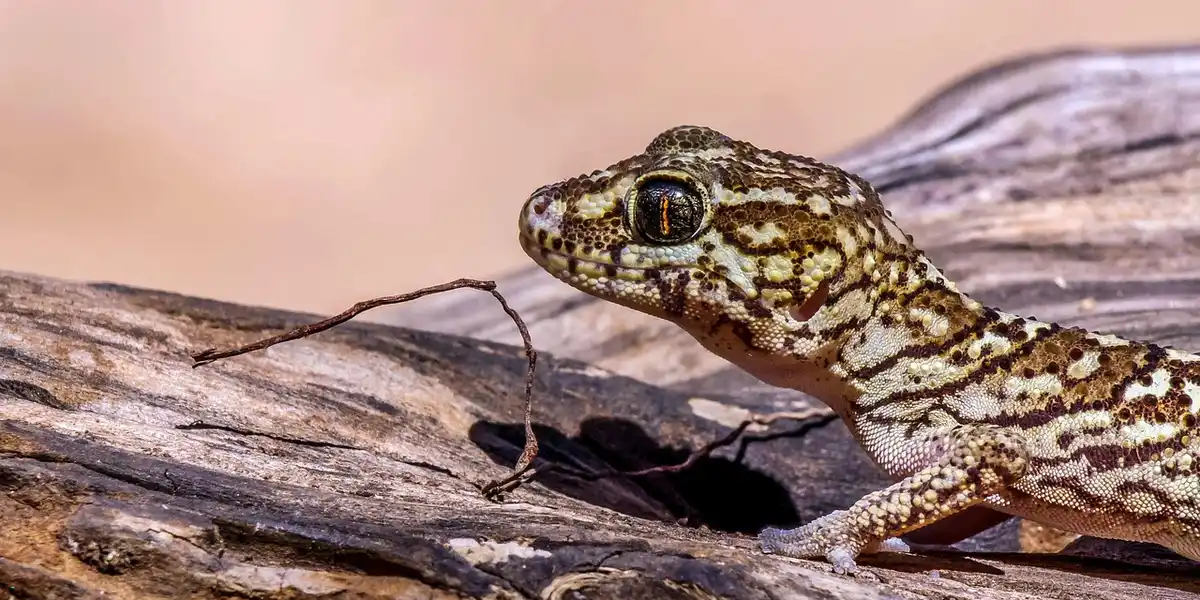
You need to become a gecko detective, watching for tiny clues that scream “I’m not okay!” every single day. Look for changes in their normal routines, like my leopard gecko Griffey suddenly hiding all day when he usually basks proudly. Reduced appetite is a huge red flag-if Babe, my food-motivated giant day gecko, ignores his favorite treats, something is wrong.
Watch their body language closely. Are they pacing the glass, trying to escape? Is their color duller than usual? Stress can show up as weight loss, lethargy, or even aggressive postures like tail waving or hissing. Knowing the difference between gecko stress and normal behavior helps you tell them apart. Normal exploration and curiosity are usually brief and don’t come with sustained weight changes or aggression. With my territorial fat-tailed gecko A-Rod, I once saw him constantly rearranging his hides to block others out—a clear sign he felt invaded.
- Decreased eating or drinking
- Excessive hiding or avoidance of basking spots
- Unusual aggression, like biting or chasing
- Changes in droppings or shedding issues
- Rapid weight loss or a sunken belly
Spend at least 10-15 minutes daily just observing. I make it a habit to check on each of my geckos during feeding time, noting who’s eager and who’s holding back. Trust your gut-if something feels off, it probably is.
When to Separate: Immediate Action Steps
If you spot any stress signs, don’t wait-act fast to prevent injury or illness. The moment you see persistent aggression or fear, like Mookie leaping away nervously instead of playing, it’s separation time. Delaying can lead to fights, stress-induced diseases, or even death.
Here’s your emergency plan:
- Gently and calmly remove the stressed gecko using a small container-never grab them roughly.
- Place them in a temporary, pre-set quarantine enclosure with familiar hides, water, and heat.
- Check for injuries like bites or scratches, and consult a reptile vet if needed.
- Keep them separated permanently; reintroduction is rarely worth the risk.
I learned this the hard way when Jeter and another gecko had a minor scuffle-separating them immediately saved both from worse harm. Always have a backup enclosure ready; it’s like a gecko first-aid kit you hope to never use.
Ethical Considerations for Mixed-Species Housing
Mixing gecko species isn’t just risky—it’s often unfair to the animals. Think of it like forcing a night owl and an early bird to share a bedroom; their natural rhythms clash, causing constant stress. Each species, from my calm crested gecko Jeter to my energetic gargoyle Mookie, has unique needs that can’t be met in a one-size-fits-all home. To keep geckos safe and thriving, avoid these habitat setup mistakes. Designing species-specific enclosures makes all the difference.
Ethically, we must ask: Is this for our convenience or their well-being? Geckos didn’t evolve to be roommates; they thrive in solitude or same-species pairs under specific conditions. Housing them together can lead to competition for food, hiding spots, and warmth, which I’ve seen cause weight loss and anxiety in my own pets.
- Different temperature and humidity needs can’t be balanced in one tank
- Varied diets may lead to malnutrition or bullying during feeding
- Natural behaviors, like A-Rod’s territorial rearranging, become sources of conflict
- Stress shortens lifespans and reduces quality of life
As a gecko lover, I believe our duty is to mimic their wild habitats as closely as possible, not create stressful experiments. A habitat that mirrors their natural conditions helps prevent common gecko illnesses. Maintaining proper temperature, humidity, and a clean substrate are key. Opt for separate enclosures—it’s a small price for their health and happiness.
FAQs
Is there any scenario where mixing gecko species is recommended?
Mixing gecko species is generally not recommended due to high risks of stress, illness, and aggression, and it should only be attempted by experienced keepers in large, carefully zoned enclosures. When cohabitating for breeding, risks can be higher and require stringent monitoring and ready separation. Following best practices—confirming species compatibility, providing ample space, and using clearly defined breeding setups—helps minimize stress and injury.
What equipment is essential for a mixed-species enclosure?
Essential equipment includes a very large tank (at least 75 gallons), solid dividers to create separate climate zones, multiple heat and humidity sources, and species-specific hides and climbing structures.
How do I handle feeding times to prevent conflict?
Prevent conflict by setting up multiple feeding stations in different zones, offering species-specific diets simultaneously, and supervising meals to ensure all geckos eat without bullying. Territorial behavior can drive aggression, especially in shared spaces. If aggression is a concern, single housing or clearly separated enclosures helps manage conflicts and protect individuals.
The Final Verdict on Gecko Cohabitation
Ultimately, the safest and most responsible choice is to house your geckos separately. Providing each animal with its own properly equipped terrarium is the single best way to ensure their long-term health and well-being. This eliminates the risks of stress, competition, injury, and cross-species illness, allowing every gecko to thrive in an environment tailored to its specific needs.
Being a fantastic gecko keeper means prioritizing your pet’s natural instincts and welfare over our own desires for a “community” tank. The most rewarding part of this hobby is learning to see the world from your gecko’s perspective and creating a home where it can truly flourish. Continue your education, connect with other dedicated owners, and enjoy the unique journey with each of your solitary, spectacular geckos.
Further Reading & Sources
- Crazy Cohabitation: Crested Geckos | Reptiles Amino
- The Lowdown on Co-Habitation of Crested and Gargoyle Geckos – Danelle’s Critters
- Table for two: Diet composition differences of allopatric and sympatric populations of island geckos – ScienceDirect
The Gecko Guide is your ultimate resource for gecko enthusiasts, providing expert advice and practical tips to ensure the health and happiness of your scaly companions. Alexander is a passionate gecko owner with over a decade of experience in reptile care. We are dedicated to offering accurate, up-to-date information to support your gecko journey.Our mission is to foster a community of responsible gecko owners who are passionate about the well-being of these fascinating creatures.
Gecko Housing & Habitat