
Should You Keep Leopard and Crested Geckos in Pairs?
Published on: January 5, 2026 | Last Updated: January 5, 2026
Written By: Alexander 'Gecko Geek' Johnson
You’re probably wondering if your single gecko is lonely and would be happier with a friend. It’s a kind thought, but the reality of gecko cohabitation is more complex and potentially risky than you might expect.
I’ve learned this through my own experience with my pets, Griffey the leopard gecko and Jeter the crested gecko. I’m here to help you navigate this decision by breaking down the key takeaways from reptile care science and my own hands-on experience.
- Why the “lonely gecko” myth is a dangerous misconception.
- The very real physical and psychological risks of housing geckos together.
- How to properly meet your gecko’s social and environmental needs on their own.
You will get clear, actionable advice to ensure your pet’s health and happiness. This article covers: natural behavior, risks of cohabitation, signs of stress, proper solitary care, and safe alternatives to pairing.
Do Geckos Naturally Live in Pairs?
Looking at my own crew, you might think geckos are social butterflies. But in the wild, it’s a different story. Most common pet geckos are solitary by nature. They don’t form family groups or hunt in packs.
My Leopard Gecko, Griffey, acts like a lone wolf in his enclosure. In their native rocky, arid habitats, Leopard Geckos are territorial. They live alone, coming together only to breed. Their solitary life is a survival strategy, not a sign of loneliness.
Crested Geckos, like my calm Jeter, are a bit more tolerant. They can be found in small, loose groups in the New Caledonian rainforests. But this isn’t a bonded pair situation. It’s more like a bunch of roommates sharing a great tree who mostly ignore each other. They don’t groom each other or share food. Are leopard crested geckos social pets? Understanding their behavior shows they aren’t highly social and do best with individual space and calm handling.
African Fat-Tailed Geckos are famously solitary. My A-Rod would rather redecorate his entire tank alone than have a roommate. Forcing a pair is a recipe for stress.
Are Leopard Geckos Better in Pairs?
From my years of keeping them, the short and direct answer is no. Leopard Geckos are not better off in pairs. Housing them together often creates more problems than it solves. For hatchlings, an ideal habitat setup matters just as much. Keep them in single, appropriately sized enclosures with a warm side, hiding spots, and secure decor to support healthy development.
I tried this early on with two females, and it was a constant source of anxiety. Here’s what you risk:
- Food Competition: One gecko will almost always become dominant. The shy one will stop eating, lose weight, and can become seriously ill. You’ll see one get fat while the other wastes away.
- Constant Stress: You might not see a fight, but you’ll see the signs. The submissive gecko will hide constantly, seem skittish, and you might even hear frantic scratching at the glass to get away.
- Serious Injury: When conflicts do happen, they are brutal. Bitten tails, missing toes, and torn skin are common and can lead to life-threatening infections.
The only time pairing is considered is for breeding, and even that requires careful, temporary introduction under strict supervision. For the average pet owner, the welfare of your animal comes first. Keeping them solitary prevents suffering. It ensures each gecko feels secure, eats well, and lives a long, healthy life without the threat of a cage-mate. It’s the safest and kindest choice you can make for them.
Do Crested Geckos Like to Be in Pairs?
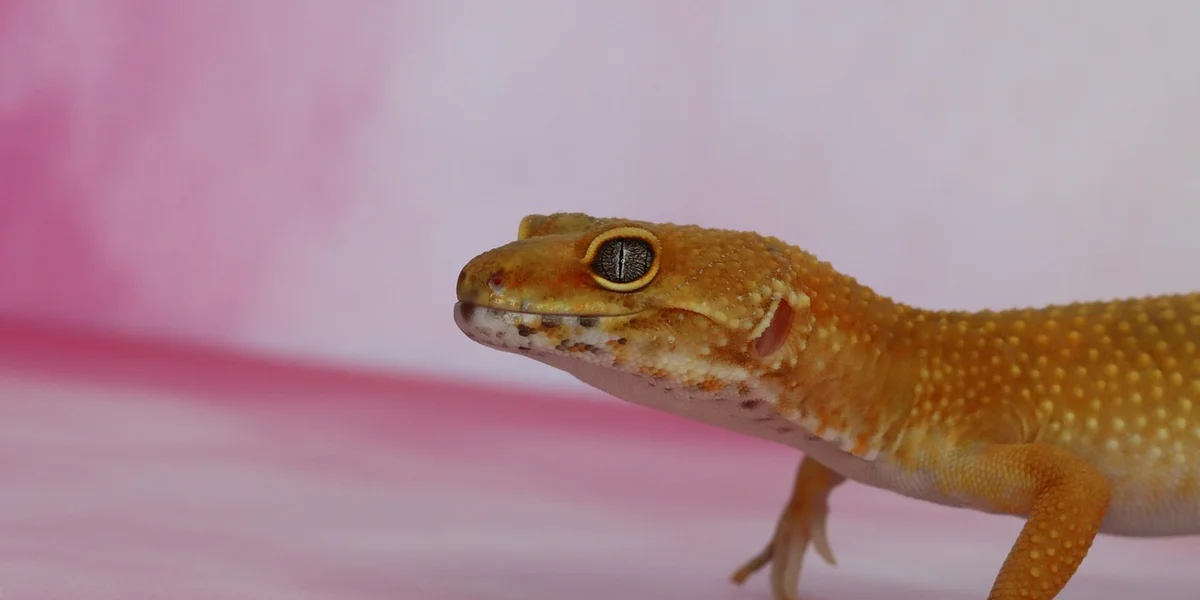
No, crested geckos do not naturally enjoy living in pairs. These arboreal creatures are solitary by instinct and often become stressed when forced to share space. I’ve seen this firsthand with my own crested gecko, Jeter-he’s calm and confident when alone but gets visibly agitated if another gecko invades his territory.
In the wild, they defend their feeding and basking spots fiercely. Housing them together can lead to constant low-level stress, which weakens their immune system over time. You might notice behaviors like excessive hiding, loss of appetite, or even tail dropping if they feel threatened.
- They are territorial and will compete for food, hides, and vertical space.
- Females might tolerate each other briefly, but males will almost always fight.
- Stress from cohabitation can shorten their lifespan and reduce breeding success.
From my experience, providing a solo enclosure with plenty of climbing branches and hiding spots keeps them much happier and healthier.
Risks of Keeping Geckos in Pairs
Pairing geckos-whether leopard, crested, or other species-comes with significant dangers. The most immediate risk is injury from fighting, which can include bite wounds, lost tails, or even eye damage. My feisty African fat-tailed gecko, A-Rod, once nipped another gecko during a brief introduction, reminding me how quickly things can escalate.
Beyond physical harm, chronic stress is a silent killer. Geckos under constant pressure may stop eating, become lethargic, or develop respiratory infections. I’ve had to nurse a gecko back to health after it lost weight due to competition in a shared tank. Often these signs stem from environmental factors like temperature, humidity, lighting, or overcrowding. Fixing the enclosure can help prevent or reverse stress-related symptoms.
- Fights over resources like food, heat sources, and prime basking spots are common.
- Smaller or shyer geckos can be bullied and denied access to essentials.
- Unexpected breeding can occur, leading to overpopulation and health strain on females.
- Parasites and illnesses spread more easily in close quarters.
Always prioritize their welfare by keeping them in separate, well-equipped enclosures to avoid these pitfalls.
Breeding Implications for Paired Geired Geckos
Putting a male and female together is not “keeping a pair”-it’s starting a breeding project. This is the single most common and serious mistake I see new owners make with the best of intentions. My leopard gecko, Griffey, lives a blissfully solo life, and my crested gecko, Jeter, does the same. Breeding is a massive commitment that should never be an accident.
The Reality of Co-habiting Males and Females
If you house a male and female together, you are guaranteeing breeding. This leads to several major concerns:
- Female Health Decline: Constant breeding and egg-laying is incredibly taxing. It depletes her calcium reserves, leading to metabolic bone disease, and can cause fatal egg-binding.
- Unplanned Offspring: A single pairing can produce multiple clutches of eggs. Are you prepared to house, feed, and find ethical homes for 15-20+ baby geckos?
- Male Aggression: Males can become overly persistent, harassing the female relentlessly, which causes severe stress and physical injury.
Breeding should be a deliberate choice made by experienced keepers who have the resources and knowledge to support both the parents and the offspring. For the average pet owner, the risks to animal welfare are far too high.
Enclosure Setup for Housing Pairs
If, after all these warnings, you are attempting a female-only pairing for a species where it’s occasionally observed, the enclosure setup is your most critical tool for preventing conflict. My general rule is to always provide a solo palace, but if you’re trying a pair, you must double everything.
Space is Non-Negotiable
A tank that is “big enough” for one is a pressure cooker for two. You need significantly more floor space for leopard geckos and more vertical space for cresteds.
- Leopard Geckos: A 40-gallon breeder tank is the absolute minimum starting point for two females.
- Crested Geckos: A tall 30-gallon tank or an 18x18x24 inch enclosure is the smallest I would ever consider for a female pair.
Cramped quarters are the number one cause of territorial disputes and stress-related illnesses. When in doubt, always go bigger.
Create a Territory of Their Own
Every gecko needs its own private suite within the shared enclosure. This means you must provide multiple, identical resources in opposite ends of the tank. Tank size and setup should match the gecko species’ housing requirements, and you should tailor humidity, heating, and hides to the species you keep.
- Multiple Hides: Provide at least three hides per gecko-a warm hide, a cool/moist hide, and a spare. This prevents competition for the “best” spot.
- Duplicate Food and Water Stations: Place two shallow water dishes and feed in two separate locations. This stops a dominant gecko from guarding all the food.
- Visual Barriers: Use plants, cork bark, and other décor to break the line of sight. This allows a shy gecko to move around without being constantly seen by its tankmate.
Meticulously observing their behavior during feeding times is your best indicator of success or failure. If one gecko is always hiding and looking skinny, the setup has failed, and they need to be separated immediately. The health of the animal always comes before our desire to see them “cuddle.” Common gecko feeding problems—such as reluctance to eat or sudden weight loss—can often be solved by adjusting prey size, feeding frequency, and enclosure conditions. Keep observing and tweak the setup as needed until the gecko eats reliably.
How to Introduce Geckos Safely
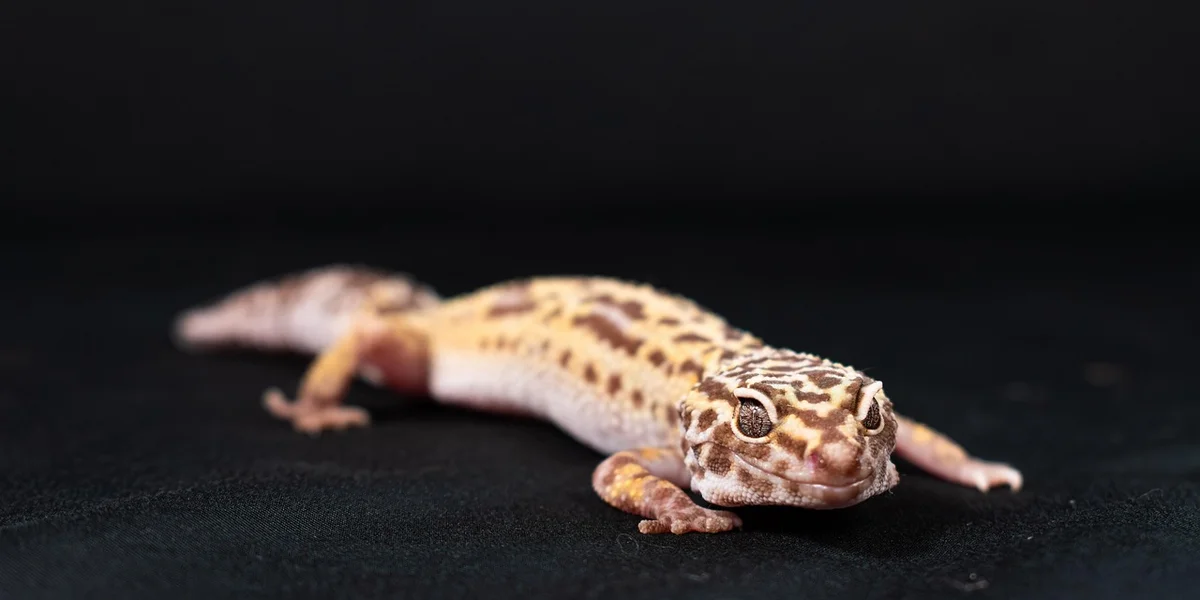
If you are determined to attempt pairing, a slow and careful introduction is non-negotiable for your geckos’ wellbeing. Rushing this process is the number one cause of stress-induced illness and injury in grouped geckos. I learned this the hard way years ago when a rushed introduction left one of my geckos off food for a week. Follow these steps meticulously.
The Step-by-Step Introduction Process
- Begin with a Strict Quarantine. House the new gecko in a completely separate room for 30-45 days. This prevents the spread of parasites or illness to your established pet. I always do this, no exceptions.
- Swap Cage Items for Scent Familiarization. After quarantine, switch a hide or decoration between the two enclosures. This lets them get used to each other’s scent without direct contact. Watch for any signs of stress, like avoiding the scented item.
- Initiate Visual Introductions. Place the enclosures side-by-side so they can see one another. Do this for about a week. My leopard gecko, Griffey, often spent this time curiously watching from his hide.
- Use a Neutral Territory for First Contact. The first physical meeting should happen in a completely new, empty bin or tank. Keep sessions short-just 5-10 minutes. You must supervise the entire interaction, watching for tail wagging, lunging, or vocalizations. Be ready to separate them instantly with a piece of cardboard.
- Gradually Increase Supervised Time. If the first meetings go well, you can slowly extend the time they spend together in the neutral space over several weeks. Any sign of aggression means you must stop immediately.
Even with a perfect introduction, cohabitation is a permanent risk. I have seen geckos live peacefully for months before a sudden, violent fight breaks out over food or space. Your vigilance must never end. With breeding in mind, the risk can rise as geckos become more territorial. Follow best practices for housing, separating by sex, and ongoing observation to minimize conflicts. For more information, check out cohabiting geckos: breeding risks.
Expert Recommendations on Gecko Pairing
Veterinarians and seasoned breeders overwhelmingly advise against housing most gecko species in pairs. The consensus is clear: the risks almost always outweigh the perceived benefits for the animals. My personal philosophy, shaped by two decades of keeping geckos, is to always prioritize their natural behavior and safety over our desire for companionship for them. That caution also extends to keeping different gecko species together. Mixed-species enclosures are rare and risky, since species can have conflicting needs for temperature, humidity, diet, and social behavior.
Species-Specific Guidance
- Leopard Geckos (like Griffey): They are solitary creatures in the wild. Experts strongly recommend keeping them alone. Forced pairing leads to competition for food, constant low-level stress, and often severe injury.
- Crested Geckos (like Jeter): While sometimes kept in female-only pairs, it is still risky. Males will always fight. Even females can turn on each other. Jeter’s calm demeanor completely changes if another gecko invades his space.
- African Fat-Tailed Geckos (like A-Rod): Similar to leopard geckos, they are best kept solo. Their territorial nature, as I see with A-Rod, makes them poor candidates for sharing an enclosure.
Practical Alternatives to Pairing
If you want your gecko to have a “friend,” there are safer ways to provide enrichment. The best alternative is to create a highly engaging, naturalistic terrarium that stimulates their mind and body. To truly maximize enrichment, aim for the ultimate environmental enrichment setup for your gecko. Here is what I do for my geckos instead of pairing them.
- Rotate new climbing branches and hides to explore.
- Use food puzzles or scatter feed to encourage natural foraging.
- Provide supervised, out-of-enclosure exploration time in a secure area.
Your gecko does not get lonely in the way humans do. Providing a safe, stress-free, and enriching solo home is the ultimate act of responsible pet ownership.
FAQs
What are the signs that my gecko is stressed from cohabitation?
Signs of stress include excessive hiding, loss of appetite, weight loss, and frantic scratching at the glass to escape.
How can I ensure my single gecko is happy and healthy?
Provide a spacious, enriching enclosure with multiple hides, proper temperature gradients, and opportunities for natural behaviors like climbing and foraging.
Are there any exceptions where geckos can be kept together safely?
While generally not recommended, female-only pairs of some species might coexist in very large, well-equipped enclosures, but this carries risks and requires constant monitoring for aggression.
Final Verdict
Ultimately, the safest and most ethical choice for both leopard and crested geckos is to house them alone. Cohabitation often leads to stress, competition for resources, and injury, outweighing any perceived social benefit for these largely solitary creatures. While a bonded pair might seem like a charming idea, the risks to their health and wellbeing are simply too high to justify. This caution also applies to other species pairings, such as bearded dragons and leopard geckos, which generally should not share a habitat. Keep them in separate enclosures for safety.
Being a fantastic gecko guardian means prioritizing their individual welfare over our own desire for a certain aesthetic. That care extends to gecko habitat husbandry—creating a safe, species-appropriate enclosure with proper substrate, hiding spots, and climate control. Your commitment to providing a safe, solitary habitat is the truest form of responsible pet ownership. Keep learning, stay curious about their unique needs, and you’ll give your scaly friend the best life possible.
Further Reading & Sources
- Can a Crested Gecko Live Together with a Leopard Gecko?
- Can Crested & Leopard Geckos Live Together? | FAQ FRIDAYS – YouTube
- Crested Geckos and leo living together??? | MonsterFishKeepers.com
The Gecko Guide is your ultimate resource for gecko enthusiasts, providing expert advice and practical tips to ensure the health and happiness of your scaly companions. Alexander is a passionate gecko owner with over a decade of experience in reptile care. We are dedicated to offering accurate, up-to-date information to support your gecko journey.Our mission is to foster a community of responsible gecko owners who are passionate about the well-being of these fascinating creatures.
Behavior and Socialization