
Do Geckos Need Light at Night? The Simple Guide
Published on: April 3, 2026 | Last Updated: April 3, 2026
Written By: Alexander 'Gecko Geek' Johnson
You’re staring at your gecko’s terrarium in the dark, wondering if that little face needs a nightlight, and the last thing you want to do is disrupt their natural sleep.
As a gecko owner myself, I’ve been in your exact spot. I’m here to help you understand the day and night cycles so you can create the perfect, healthy environment for your pet. We will cover the key takeaways you need to know:
- The critical difference between light for vision and light for heat.
- Why disrupting their natural circadian rhythm is harmful.
- How to safely provide the right conditions after sunset.
You will get clear, straightforward advice based on years of experience and established reptile care science. The topics we’ll cover include: Gecko night vision capabilities, risks of colored bulbs, ideal nighttime heat sources, and setting up a perfect day/night cycle.
The Straight Answer: Do Geckos Need Light at Night?
No. Your gecko does not need light at night. In fact, providing light after the sun goes down can be actively harmful to their health and well-being. Think of it this way: you wouldn’t keep a bright lamp on in your bedroom all night and expect to get a good night’s rest, and your gecko is no different. Their bodies are hardwired for a clear day and night cycle.
Why Darkness is Crucial for Nocturnal Geckos
Most popular pet geckos, like my leopard gecko Griffey and my fat-tailed gecko A-Rod, are crepuscular or nocturnal. This means they are most active during dawn, dusk, and throughout the night. Darkness is their signal to wake up, hunt, explore, and carry out their essential natural behaviors. Constant light, even if dim, throws their entire world out of balance.
How Light Disrupts Sleep and Activity
Imagine trying to fall asleep at noon with the summer sun blazing through your window. That’s what a lit-up tank at night feels like for your gecko.
- It prevents proper sleep cycles, leading to chronic stress.
- It can suppress their appetite because they feel too exposed and vulnerable to come out and eat.
- It disrupts their circadian rhythm, which governs hormone production, metabolism, and overall health.
I learned this the hard way when I first got Griffey; a small indicator light on a power strip was enough to make him hide constantly until I covered it. Their sensitivity is far greater than we often realize.
The Myth of “Night Lights” and Gecko Vision
Many pet stores sell “night glow” or red/blue “moonlight” bulbs with the promise that reptiles can’t see these spectrums. This is a pervasive and damaging myth.
Scientific research and extensive keeper experience have shown that geckos can indeed see the light from these red and blue bulbs. To them, it doesn’t look like a soothing moonlight glow-it looks like a perpetual, oddly colored sunset that never ends. It still disrupts their ability to perceive a true night.
- True nocturnal animals have exceptional vision in low-light conditions; they do not need our help to see.
- Using these bulbs is like wearing tinted sunglasses indoors at night-it doesn’t make it dark, it just makes everything look strange.
If your gecko’s enclosure needs supplemental heat at night, your only safe option is a lightless heat source like a ceramic heat emitter or a deep heat projector. These provide essential warmth without polluting their environment with disruptive light. If you’re trying to tell if your leopard gecko is male or female, our complete guide covers the signs to look for and how to confirm safely.
Setting Up the Ideal Day and Night Cycle
Choosing the Right Daytime Lighting
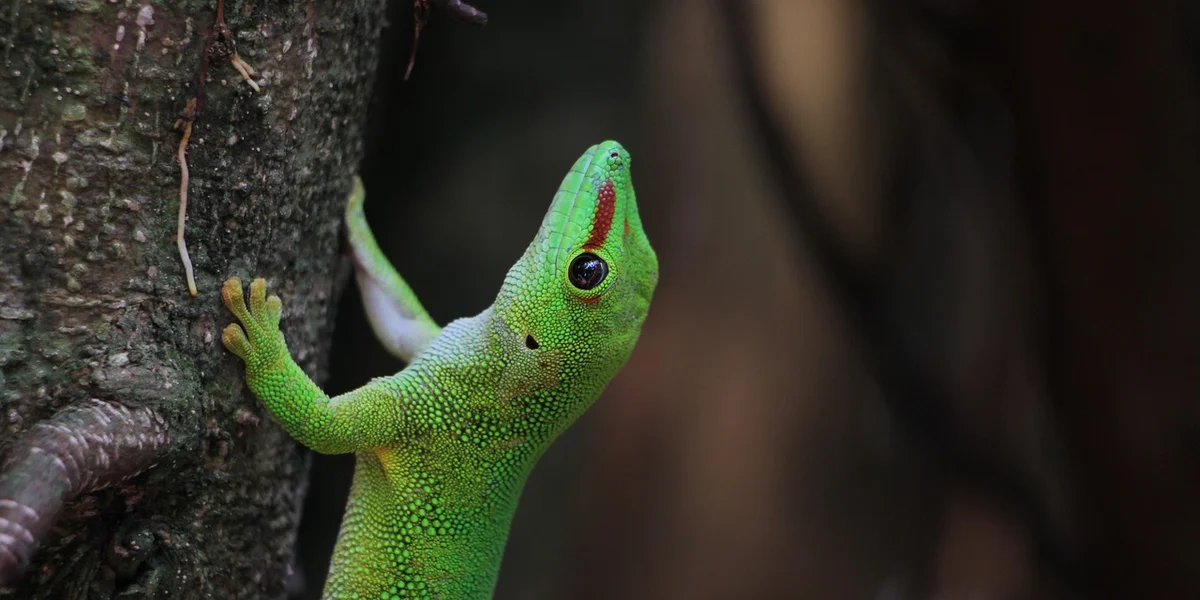
Your gecko’s daytime setup is the foundation for their entire well-being. You need to replicate the sun’s energy, not just its light, to keep your pet healthy and active. I learned this the hard way when my Giant Day Gecko, Babe, became lethargic until I upgraded his lighting.
For most geckos, the daytime setup involves two key components:
- Heat Source: This is often a white light incandescent bulb or a ceramic heat emitter that produces warmth without light. My leopard gecko, Griffey, loves basking under his heat lamp.
- UVB Lighting: While not strictly mandatory for all species, low-level UVB can be beneficial. It helps their bodies produce Vitamin D3, which is critical for processing calcium.
Think of it like this: the heat lamp is for their comfort, and the UVB is for their internal health. Always provide a temperature gradient so your gecko can move between warm and cool areas as it pleases.
Tools for a Perfect Lighting Schedule
Consistency is everything for a gecko. In the wild, the sun is a perfectly reliable timer. The single best investment I ever made for my geckos was a simple, plug-in digital timer for their lights. It eliminates human error and gives them a stable routine.
You have a few options to automate your day and night cycle:
- Basic Digital Timer: Affordable and effective. You set it once and it turns lights on and off at the same times every day.
- Smart Plug: Allows for more control from your phone and can be programmed for different schedules if needed.
- Dimmer Thermostat: This is the premium choice. It not only controls the schedule but also dims the heat source to maintain a perfect temperature all day long.
My timer clicks on at 7 AM and off at 7 PM, giving my crew a solid 12-hour day. This predictable cycle reduces stress and mimics their natural environment perfectly.
Species-Specific Needs: Crested, Leopard, and More
Leopard Gecko Nighttime Care
Leopard geckos, like my energetic Griffey, are classic nocturnal creatures. They truly come alive after the sun goes down, exploring and hunting in the comfort of darkness. This means their nighttime environment is their primary active time.
They need absolutely no light at night. In fact, adding light can disrupt their natural behaviors and cause stress. Their main nighttime requirement is a gentle heat source to aid digestion since they often eat in the evening. I use a ceramic heat emitter for Griffey, which provides warmth without any disruptive light.
You’ll notice your leopard gecko is most interactive during these hours. This is the best time for quiet observation to enjoy their natural, curious behaviors.
Crested Gecko Activity in the Dark
Crested geckos, like my calm Jeter, are a bit different. They are crepuscular, meaning they are most active at dawn and dusk. This twilight lifestyle means they experience low light levels, but not pitch blackness, during their peak activity.
Just like leopard geckos, they do not need any form of colored or moonlight bulb at night. Providing total darkness allows them to regulate their sleep cycle and feel secure. Jeter spends his nights leaping between branches, and any artificial light would make him freeze up and hide.
Their comfort with lower light levels also makes them a great pet for someone who is home in the evenings. You’ll get to witness their amazing climbing antics during their natural waking hours without any special lighting equipment.
When You Might Think You Need a Night Light
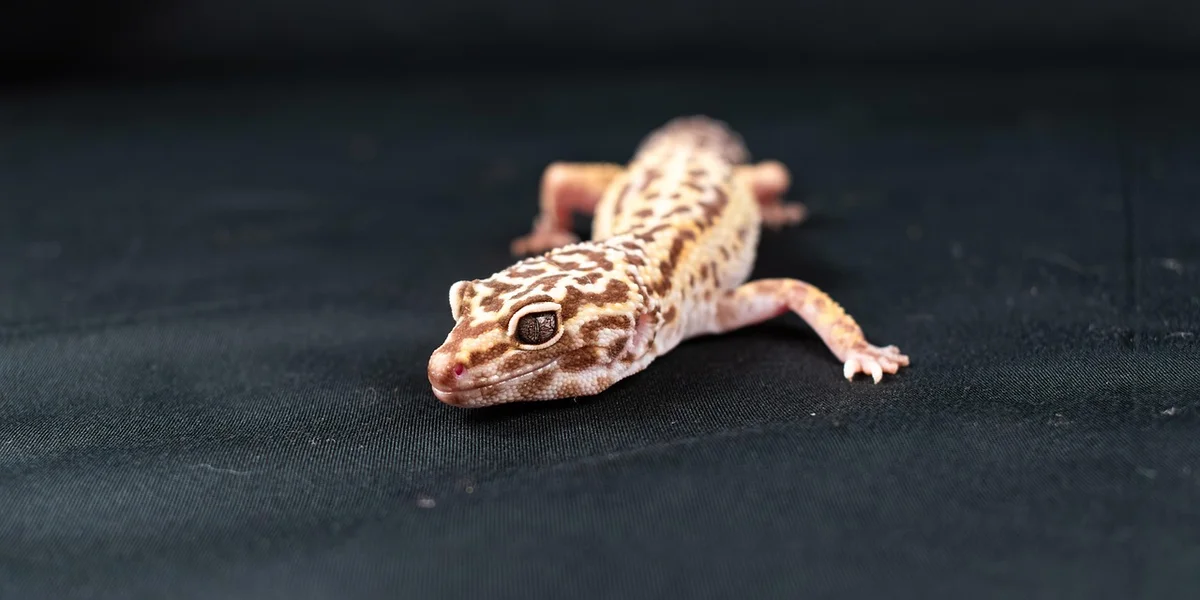
Many new gecko keepers worry their pet will get too cold or that they’ll miss seeing its fascinating nocturnal behavior. I’ve been there myself, staring at a dark terrarium and wondering what my gecko, A-Rod, was up to. The instinct to provide a light for warmth or viewing is understandable, but it’s often misguided and can harm your pet’s health.
Safe Heat Sources for Cool Nights
If your home gets chilly at night, your primary concern is maintaining a safe ambient temperature, not providing light. Light and heat are two separate things for a gecko. If you’re incubating leopard gecko eggs, the temperature should be steady to ensure proper development and hatch success. In leopard geckos, sex is genetic, so incubation temperature won’t reliably bias male or female hatchlings.
- Ceramic Heat Emitters (CHEs): This is my go-to solution. They screw into a standard lamp fixture, produce no light, and emit a steady, safe heat. They are perfect for maintaining that crucial temperature gradient even in a dark room.
- Under-Tank Heaters (UTHs): Paired with a thermostat, these provide belly heat from below, which is excellent for aiding your gecko’s digestion throughout the night without disturbing its sleep cycle.
- Deep Heat Projectors (DHPs): A more advanced option that penetrates tissue more effectively. Like a CHE, it produces no visible light.
You should absolutely avoid red, blue, or “moonlight” bulbs sold for nighttime use; a gecko’s eyes are highly sensitive and can still perceive this light, turning their night into a confusing, perpetual dusk. I learned this the hard way when my leopard gecko, Griffey, became stressed and stopped eating until I switched to a CHE.
Observing Your Gecko Without Disruption
The desire to watch your gecko explore is a sign of a great owner! But we must be stealthy observers.
- Infrared Cameras: This is the ultimate tool. A simple Wi-Fi pet camera with night vision lets you watch the entire night’s activities from your phone without a single photon of disruptive light entering the tank.
- Room Ambient Light: The faint glow from a hallway nightlight or a distant streetlamp is usually sufficient for you to make out shadows and movement without bothering your pet.
- Quick Peek Method: If you must look, use a dim room light and be brief. A sudden, bright overhead light will startle them and halt their natural behavior instantly.
Trust me, seeing your gecko behave naturally in the dark-through a camera or a dim room-is far more rewarding than watching a stressed, illuminated animal. My crested gecko, Jeter, is a completely different, more active creature when he thinks no one is watching.
Troubleshooting Common Night-Related Issues
Sometimes, problems arise that seem connected to the night cycle. Let’s diagnose them.
Is Your Gecko Lethargic or Not Eating?
If your gecko is sluggish or refusing food, the culprit is almost never a lack of night lighting. The issue is almost always something else.
- Check Your Temperatures: This is the number one cause. Use a digital thermometer to verify your warm hide floor is at the correct species-specific temperature (e.g., 88-92°F for leopard geckos). If it’s too cool, they can’t digest food.
- Assess the Day/Night Cycle: Is their room constantly bright? A consistent 12-hour light/12-hour dark cycle is non-negotiable. Without a true night, their circadian rhythm is shattered.
- Consider other stressors like improper humidity, illness, or an upcoming shed.
A lethargic gecko is a gecko trying to conserve energy because a core element of its environment is out of balance, and that element is almost always temperature or light pollution.
Dealing with Excessive Nighttime Activity
On the flip side, a gecko that is relentlessly pacing, glass surfing, or climbing all night might also be stressed.
- Evaluate Cage Layout: Is there enough clutter and cover? Geckos feel secure when they can move without being exposed. Add more plants, cork bark, and hides.
- Check for Reflections: Glass surfing can be triggered by a gecko seeing its own reflection. Try adding background decals to three sides of the enclosure.
- Review Husbandry: Ensure the temperatures are correct and that you are not accidentally providing light at night, which can cause a confusing, hyper-alert state.
My gargoyle gecko, Mookie, went through a hyper phase that stopped completely once I added more vertical foliage for him to feel hidden while he climbed. A busy gecko isn’t always a happy gecko; sometimes, it’s a gecko that feels exposed and vulnerable.
FAQs
How often should I replace my gecko’s lighting and heating elements?
Replace UVB bulbs every 6-12 months as their output diminishes, and regularly inspect heat sources like ceramic emitters for consistent performance.
Can LED lights be used safely for gecko enclosures during the day?
LED lights are not recommended as they often lack the necessary heat and UVB output that geckos need for proper health and behavior.
How do I acclimate a new gecko to my home’s lighting schedule?
Gradually introduce the set day/night cycle over a few days to reduce stress and help your gecko adjust to its new environment.
To Sum It All Up
Based on my years caring for geckos like Griffey and Jeter, the core rule is simple: Never use a visible light at night for your gecko, as it disrupts their natural sleep and can cause chronic stress. Instead, focus on providing a consistent day-night cycle with proper daytime heating and lighting, and rely on a heat mat or ceramic heat emitter for any necessary nighttime warmth without any light emission.
Your gecko’s health is directly tied to how well you replicate their natural environment, so committing to this responsible care approach is the best way to ensure your pet thrives for years to come. I encourage every owner to keep learning and asking questions, because the more we understand their needs, the better we can advocate for their welfare.
Further Reading & Sources
- r/leopardgeckos on Reddit: So I just learned I shouldn’t be using a “night light” for leopard geckos. But I wasn’t given much info. So do I just use no light at all or is there a special kind of light.
- Leopard Gecko Lighting
- Leopard Gecko Care: Night Light Tips – Talis Us
The Gecko Guide is your ultimate resource for gecko enthusiasts, providing expert advice and practical tips to ensure the health and happiness of your scaly companions. Alexander is a passionate gecko owner with over a decade of experience in reptile care. We are dedicated to offering accurate, up-to-date information to support your gecko journey.Our mission is to foster a community of responsible gecko owners who are passionate about the well-being of these fascinating creatures.
Lighting & UVB Requirements