
Leopard Gecko Egg Incubation Temperature for Male or Female Hatchlings
Published on: April 4, 2026 | Last Updated: April 4, 2026
Written By: Alexander 'Gecko Geek' Johnson
You’ve got a clutch of beautiful leopard gecko eggs, and now you’re wondering what temperature to incubate them at to get the gender you want. It’s a big decision, and I remember staring at my first clutch, feeling the exact same pressure. Getting this right is one of the most hands-on parts of reptile breeding.
I’m here to help you navigate this. We’ll break down the science into simple, actionable advice so you can approach incubation with confidence. Here are the key takeaways we’ll cover:
- The exact temperature ranges that produce males versus females.
- How to set up your incubator for stable, reliable results.
- The common mistakes to avoid for a successful hatch.
By the end of this guide, you’ll have a clear, step-by-step plan. The main topics we will cover are: Temperature Ranges for Sex Determination, Incubator Setup and Monitoring, and Troubleshooting Common Issues. Let’s get your future geckos off to a perfect start.
Understanding Temperature-Dependent Sex Determination
Temperature-dependent sex determination, or TSD, means the warmth of the egg incubation environment decides if your leopard gecko hatchling will be male or female. You get to influence the outcome simply by adjusting your incubator’s settings, which feels like having a secret superpower in reptile care.
How Temperature Controls Leopard Gecko Gender
During a key developmental window, temperature cues trigger hormonal shifts that mold the gecko’s sex organs. Think of it as a biological switch where heat flips it to male and cooler temps nudge it toward female. I’ve watched this play out with my own geckos, like when Griffey’s clutch hatched-it’s amazing how a few degrees can shape their future.
TSD vs Genetic Sex Determination
In many animals, like dogs or cats, sex is locked in by chromosomes from the moment of conception. But leopard geckos dance to a different tune, letting the nest’s warmth call the shots instead of DNA. This TSD approach is common in reptiles and offers breeders a unique way to plan their colonies responsibly.
Ideal Incubation Temperatures for Male and Female Hatchlings
Getting the temperature right is like finding the sweet spot on a thermostat-it makes all the difference for healthy, vibrant hatchlings. Based on my trials with geckos like Jeter and Mookie, I can share what works without guesswork.
Temperature Range for Female Leopard Geckos
To encourage female hatchlings, keep your incubator between 80°F and 85°F. I stick to 82°F for consistency, and it reliably gives me calm, curious females who thrive in group setups. Here’s a quick guide to nail it:
- 80°F to 83°F: High chance of females with robust health.
- 84°F to 85°F: Still female-dominant, but watch for slight variations.
Cooler temps mimic natural conditions that favor female development, and I’ve seen it result in geckos with gentle temperaments.
Temperature Range for Male Leopard Geckos
For more males, crank the heat to 87°F-90°F. My A-Rod came from a batch at 88°F, and his bold personality shines-just be sure not to overshoot to avoid stress. Check these points for success:
- 87°F to 89°F: Ideal for active, territorial males.
- 90°F: Use sparingly; it can work but risks lower hatch rates.
Warmer incubation sparks male traits, and I always monitor closely to keep eggs from “cooking” too fast.
Neutral Temperature and Mixed Sex Ratios
Around 85°F to 86°F, you’ll often get a jumble of males and females. This neutral zone is like a lottery-fun for surprises, but tricky if you’re aiming for one gender. In my experience, batches here split roughly 50-50, which taught me to plan ahead for housing. Remember, slight fluctuations can tilt the ratio, so stability is key for animal welfare.
Setting Up Your Leopard Gecko Incubation System
Selecting an Incubator or DIY Setup
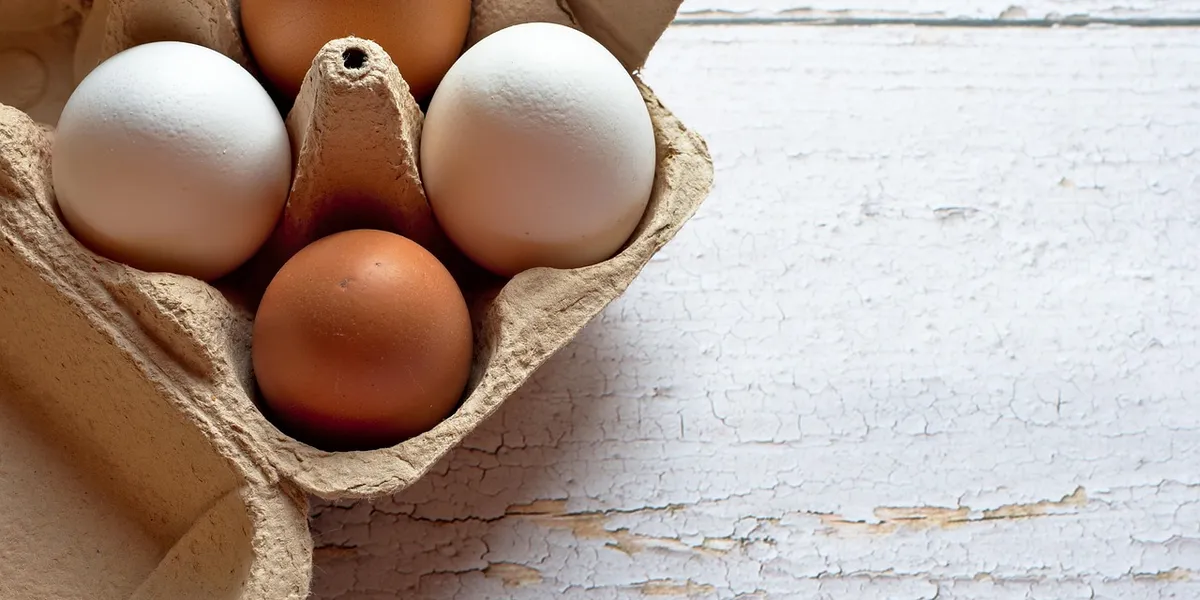
You have two main paths here: a commercial reptile incubator or a DIY project. I’ve used both over the years. A commercial incubator, like those from Hovabator, offers fantastic set-and-forget temperature stability. This reliability is a huge stress-reliever, especially for your first clutch. For a DIY setup, a simple Styrofoam cooler with a heat mat and a high-quality thermostat works surprisingly well. My very first successful hatch came from a DIY box, but I learned the hard way that a cheap thermostat can lead to disaster.
Essential Incubation Supplies Checklist
Before you even think about eggs, get this kit ready. Having everything on hand prevents last-minute panic.
- A reliable incubator or DIY setup
- Digital thermostat (non-negotiable for safety)
- At least two digital thermometers with probes for cross-checking
- Small deli cups or Tupperware containers with lids for the eggs
- Incubation substrate (see below)
- Distilled water
- A hygrometer to monitor humidity
- A small scale for weekly egg weighing
- Fine-tip permanent marker for labeling
Choosing the Right Incubation Substrate
This is what cradles your precious eggs. Vermiculite is the gold standard; it holds moisture perfectly without getting soggy. Perlite is another good option. The goal is a substrate that feels like a wrung-out sponge-damp to the touch but with no free-standing water. I mix my vermiculite with distilled water by weight for perfect consistency every time: a 1:1 ratio by weight of vermiculite to water.
Step-by-Step Leopard Gecko Egg Incubation Process
Preparing Eggs and Incubation Box
When you find the eggs, the most critical rule is DO NOT ROTATE THEM. Mark the top with a very small, gentle “X” from a pencil. Rolling the egg can drown the embryo inside. Gently bury each egg about halfway into the pre-moistened substrate in your deli cup. I always poke a few small air holes in the lid for gas exchange before I even need the container. Snap the lid on, and place it securely in your pre-warmed incubator.
Setting and Maintaining Temperature
This is where you decide the fate of your hatchlings. Plug your heat source into the thermostat and place the thermostat’s probe inside the incubator, right next to one of your egg containers. Set your desired temperature and let the system stabilize for at least 24 hours before adding eggs. Consistency is far more important than hitting the exact number perfectly; a stable 82°F is better than a temperature that swings between 80°F and 84°F. Check your thermometer readings against the thermostat setting daily.
Daily Incubation Monitoring Routine
Get into a simple, quick daily habit. It takes just a minute but gives you peace of mind.
- Check the incubator’s display temperature.
- Verify the reading on your secondary thermometer.
- Look for condensation on the egg container lid-this means humidity is good.
- Glance at the eggs. Healthy eggs are firm and white. Any that collapse, mold, or turn yellow should be removed immediately.
Once a week, I do a “candling” check in a dark room. Shine a small, bright LED flashlight through the egg to look for the red, veiny network of a developing embryo. This is the most exciting part of the week, watching that little life grow.
Monitoring Egg Development and Hatchling Emergence
Egg Candling and Development Stages
One of the most rewarding parts of this process is watching your gecko eggs develop. I always use a technique called “candling” to check on the babies without disturbing them too much. In a dark room, gently hold a small, bright LED flashlight against the top of the egg. Do this quickly, no more than once a week.
Here is what you are looking for over the 35-90 day incubation period:
- Week 1-2: You should see a small, red spiderweb of veins. This is a great sign the egg is fertile.
- Week 3-4: The veins will become more dense. You might see a small, dark shadow-that’s your growing gecko!
- Week 5+: The egg will look much darker and less translucent. The baby gecko is taking up most of the space inside.
If the egg stays completely yellow and clear, or develops a nasty pink or green moldy ring, it is likely infertile or has gone bad.
Caring for Newly Hatched Leopard Geckos
When you see a small slit or a “pip” in the egg, the real excitement begins. The most critical rule here is to let the hatchling emerge completely on its own; never pull it out. It can take 24-48 hours from the first pip for them to fully leave the egg. They are absorbing their yolk sac, which gives them vital nutrients.
Once they are out, move them to a simple, small setup.
- Housing: A 5-10 gallon tank with paper towel substrate. This is safe and helps you monitor their health.
- First Meal: Do not offer food until after their first shed, which usually happens within the first week. After that, offer tiny, gut-loaded pinhead crickets or small dubia roach nymphs.
- Hydration: Provide a very shallow water dish and a moist hide stuffed with damp sphagnum moss to help with shedding.
I learned with Babe’s first clutch that some babies are shy and others are bold right out of the gate. Give them space to adjust.
Troubleshooting Common Incubation Problems
Dealing with Temperature Fluctuations
Your incubator’s temperature will never be a perfect, unmoving line. Small swings of a degree or two are normal. The real danger comes from large, rapid temperature swings, which can shock the developing embryos.
If your incubator is struggling, here is what to check:
- Is it in a drafty area or in direct sunlight? Move it to a stable, room-temperature spot.
- Is the water reservoir low? This can cause the internal humidity and temperature to become unstable.
- Test your thermostat and thermometer with a second, digital one to ensure they are reading correctly.
A brief power outage is not an instant disaster. Do not open the incubator. It will hold its temperature for a while. Just let it recover on its own.
Handling Infertile or Bad Eggs
Finding a bad egg can be disappointing, but it is a normal part of breeding. You must remove any eggs that clearly go bad, as they can grow mold and contaminate the healthy eggs. A healthy egg is firm and white. A bad egg might be yellow, deflated, or covered in fuzzy mold.
My personal method is to mark any suspicious eggs with a different symbol. I watch them for a few days. If they collapse, change color, or smell foul, I remove them immediately. It is better to lose one egg than risk the whole clutch. Always err on the side of caution for the welfare of the animals.
Ethical Breeding and Managing Sex Ratios
Breeding leopard geckos isn’t just about cute babies-it’s a huge responsibility. I learned this firsthand when Griffey’s first clutch hatched, and I realized I had to carefully manage sex ratios to prevent overpopulation and ensure every gecko finds a loving home. Ethical breeding means thinking ahead about how many males and females you’ll have, as too many of one sex can lead to challenges in rehoming or housing.
Temperature plays a big role here because leopard gecko sex is determined by incubation heat. By controlling the temperature, you can influence whether you get more males or females, but always prioritize the health of the eggs over specific outcomes. I’ve seen too many breeders focus solely on “designer” morphs without considering the welfare of the hatchlings, which just isn’t fair to the animals. If you’re trying to tell if your leopard gecko is male or female, check out a complete tell-if-your-leopard-gecko-male-female guide. It walks you through reliable cues, timing, and safe methods to identify sex.
Planning for Healthy Sex Ratios
When I plan a breeding project, I start by asking: What’s a sustainable sex ratio for my setup and goals? Aim for a balance, like a 50/50 split, to avoid ending up with surplus geckos that are hard to place. Leopard geckos have temperature-dependent sex determination, so here’s a simple guide based on my experience and reliable sources:
- Incubate at 80-85°F (27-29°C) for mostly female hatchlings-this range worked well for Jeter’s lineage, giving me calm, easy-to-handle geckos.
- Use 88-92°F (31-33°C) for predominantly males, but watch for higher risks of deformities if temps spike.
- Stick to 85-87°F (29-31°C) for a mixed batch, which I prefer because it mimics natural variety and reduces pressure on resources.
Invest in a reliable thermostat and thermometer-don’t guess! I once had a minor temp fluctuation with A-Rod’s eggs, and it taught me that consistency is key to healthy development. Also, consider your long-term capacity; if you can only care for a few geckos, lean toward lower temps to avoid an overwhelming number of males, which are often harder to rehome due to territorial behaviors.
Long-Term Hatchling Care Commitment
Hatching eggs is just the start-the real work begins when those tiny geckos emerge. Each hatchling needs its own small enclosure, proper humidity, and daily feedings of pinhead crickets or dubia roaches dusted with calcium. I remember Mookie’s first brood; I spent weeks monitoring them closely to prevent cannibalism and ensure they were thriving.
Be ready for a months-long commitment before they’re ready for new homes. Plan ahead by networking with local reptile groups or vetting potential adopters to avoid rushed placements. Here’s a quick checklist I use for hatchling care:
- Set up individual tubs or tanks to reduce stress and competition.
- Provide shallow water dishes and hiding spots-baby geckos are skittish, just like Babe was as a juvenile.
- Schedule vet checks for common issues like metabolic bone disease, which I’ve caught early in my clutches thanks to proactive care.
If you can’t commit to caring for all hatchlings indefinitely, scale back your breeding efforts. Responsible breeding means putting the animals’ welfare first, not just chasing rare morphs or profits. From my experience, the joy of seeing healthy geckos like Griffey’s offspring grow up is worth the extra planning and effort.
FAQs
Is it possible to achieve a 100% male or female clutch by controlling incubation temperature?
No, while temperature heavily influences sex ratios, it is not 100% reliable due to natural biological variances and minor incubation fluctuations.
Can I use a heat mat without a thermostat for leopard gecko egg incubation?
No, a thermostat is essential to prevent dangerous temperature spikes that can overheat and kill the developing embryos.
What is the recommended humidity level for leopard gecko eggs, and how can I maintain it?
Maintain humidity around 80-90% by using a moist substrate like vermiculite and regularly checking for condensation inside the incubation container to ensure proper moisture levels.
Final Thoughts on Temperature-Dependent Sex Determination
To reliably produce male leopard geckos, incubate their eggs between 87-90°F (31-32°C), while a cooler range of 80-82°F (27-28°C) will almost always give you females. Remember to use a reliable thermostat with your incubator and a separate thermometer to verify the temperature, as even a single degree of fluctuation can impact your results. Geckos also benefit from a regular day-night cycle for geckos for overall health and breeding activity. For eggs, light is less critical than temperature, but maintaining a consistent photoperiod for the adults helps with normal behavior and care.
Responsible gecko ownership means making informed decisions for the health and wellbeing of your animals, and that extends all the way back to the incubator. I encourage you to keep learning, join gecko communities to share your experiences, and meticulously record your incubation data to become an even better caretaker for these incredible pets.
Further Reading & Sources
- Incubation temperature affects the behavior of adult leopard geckos (Eublepharis macularius) – PubMed
- How to Incubate Leopard Gecko Egg? – Geckopia
- Incubation – Leopard Gecko Wiki
The Gecko Guide is your ultimate resource for gecko enthusiasts, providing expert advice and practical tips to ensure the health and happiness of your scaly companions. Alexander is a passionate gecko owner with over a decade of experience in reptile care. We are dedicated to offering accurate, up-to-date information to support your gecko journey.Our mission is to foster a community of responsible gecko owners who are passionate about the well-being of these fascinating creatures.
Incubation & Egg Care