
Does Homeowner’s Insurance Cover Exotic Pets?
Published on: February 24, 2026 | Last Updated: February 24, 2026
Written By: Alexander 'Gecko Geek' Johnson
You love your unique pet, but does your homeowner’s insurance policy share that affection, or could it leave you financially exposed? It’s a question that strikes fear into the heart of any exotic pet owner who has imagined a worst-case scenario.
I’ve navigated this confusing terrain myself with my own geckos, and I’m here to help you understand the critical details. We will break down exactly what you need to know into three key points:
- Why most standard policies exclude or severely limit coverage for exotic animals.
- What specific alternatives and specialized policies are available to protect you.
- How the potential costs of an uncovered incident compare to the price of proper insurance.
By the end of this guide, you will have a clear action plan. We will cover: insurance policy basics, common exotic pet exclusions, liability risks, specialized pet insurance providers, cost analysis, and essential steps for verifying your own coverage.
What Homeowners Insurance Typically Covers for Pets
Standard policies focus on two main areas: personal liability and medical payments to others. Personal liability is your financial shield if your pet causes injury or property damage to a guest. Medical payments cover smaller, immediate medical bills for a guest injured on your property, regardless of who was at fault.
I learned the hard way that “property damage” can be surprisingly broad. My curious leopard gecko, Griffey, once knocked a heat lamp onto a visitor’s expensive leather handbag, melting a section of it. My insurer covered the replacement cost under my policy’s personal liability section, as it was damage to someone else’s property caused by my pet. It was a huge relief, but it also opened my eyes to the weird ways pets can create liability.
Here are the common inclusions and exclusions you’ll find for exotic pets like geckos.
- Common Inclusions: Bodily injury if a guest trips over a loose hide or gets scratched while handling your gecko. Property damage caused by escaped geckos or their equipment, like a fallen lamp.
- Common Exclusions: Veterinary bills for your own gecko. Damage your gecko causes to your own home or belongings. Intentional acts or injuries caused by you, the owner.
Are Geckos Considered Exotic Pets by Insurers?
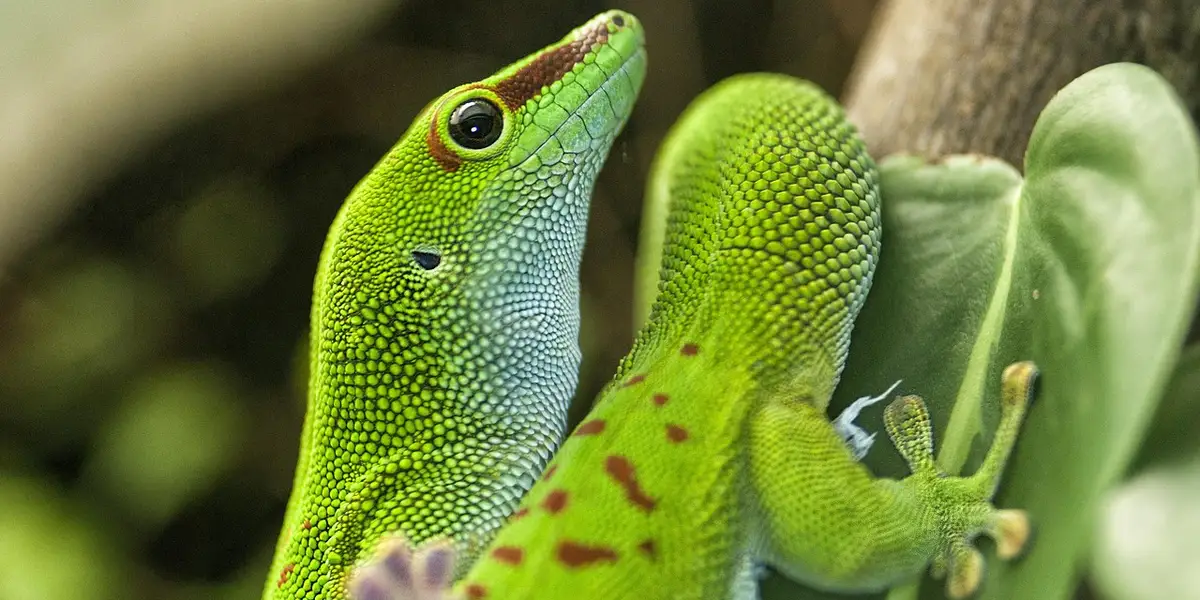
In the insurance world, an “exotic pet” is any animal that isn’t a traditional dog or cat. This definition absolutely includes all gecko species, from a common Leopard Gecko to a Giant Day Gecko. Insurers see them as a non-standard risk, which immediately changes the conversation about your coverage.
While most insurers don’t have specific breed restrictions for geckos like they might for certain dog breeds, they do have species-specific concerns. Larger species, like my Giant Day Gecko Babe, can sometimes raise more questions than a smaller one due to their potential for greater perceived risk. The primary guideline is whether the animal is considered inherently dangerous, which most geckos are not, even when you take them outside.
When I first called to add my geckos to my policy, the agent was pleasantly surprised. She expected a snake or a tarantula! My experience has been that transparency is key; always declare your pets upfront to avoid a claim being denied later. Gecko-proofing your home with a quick room safety checklist can help prevent escapes and protect both your pets and your policy. Simple steps like securing enclosures, sealing gaps, and keeping climbing surfaces clear fit naturally into responsible gecko care. I’ve never had an insurer refuse coverage for my geckos, but I know some who have had to shop around for a company comfortable with their more unusual reptile pets.
Common Exclusions and Liability Risks for Gecko Owners
Most standard homeowner’s insurance policies are designed for cats and dogs, not for your scaled family members. The moment you mention “exotic pet” or “reptile,” many insurers see a red flag, not a pet. I learned this the hard way after my gecko, Griffey, decided to explore behind the bookshelf and nearly caused a small electrical scare.
Typical Policy Exclusions
- Animal Liability: This is the big one. If your policy has an “exotic animal liability exclusion,” it means you’re on the hook if your gecko is deemed to have caused an injury.
- Property Damage: While a gecko won’t chew a couch, they can disrupt wiring, damage delicate terrarium equipment that causes a leak, or knock over a lamp.
- Specific Breed/Type Lists: Some policies list excluded animals, and “lizards” or “reptiles” can be right there on the page.
Real-Life Scenarios Gecko Owners Face
Think it can’t happen to you? I’ve seen these situations play out in reptile communities.
- The Great Escape: A guest trips over a loose hide or a heat mat cord while searching for your escaped gecko. They fall and get hurt. You could be liable.
- The Allergic Reaction: A visitor has a severe, unexpected allergic reaction to your gecko or the feeder insects you keep. Their medical bills could become your problem.
- Indirect Damage: A faulty thermostat causes a heat lamp to overheat, starting a fire. While the equipment is at fault, the insurer may link the cause back to an excluded “exotic pet” habitat.
Mitigating Your Risks
You can’t eliminate all risk, but you can show you’re a responsible owner. Proper care is your first and best line of defense against insurance claims.
- Secure the Enclosure: Use locking lids or secure doors. Double-check that all cords for heaters and lights are safely managed and out of reach.
- Maintain Detailed Records: Keep a log of veterinary check-ups, enclosure cleaning, and equipment maintenance. This proves responsible ownership.
- Create a “Gecko Protocol”: Have a plan for guests, especially children. A simple “look, don’t touch” rule can prevent most accidents.
How to Check Your Current Policy for Gecko Coverage
Don’t assume you’re covered. You need to become a detective with your own policy documents. Finding the word “reptile” buried in the fine print was a gut-punch moment for me, and it’s a moment I want you to avoid. For anyone serious about ethics in reptile ownership, a guide for conscious keepers helps translate policy into humane care. This is why an ethics-focused reptile ownership guide matters for mindful keepers.
Step 1: The Document Deep Dive
Get a digital copy of your full policy (not just the summary) and use the search function. This is the fastest way to find what you need.
Your Insurance Policy Checklist
- Search for the term “exotic pet“
- Look for “reptile” or “lizard“
- Find the “animal liability” section
- Check the “definitions” page for how “pet” is defined
- Note the general “liability limit” for personal injury or property damage
Step 2: The Direct Phone Call
If the documents are confusing, call your agent or insurer. Being direct and specific with your questions is the only way to get a clear answer. Don’t just ask “are pets covered?”
Here’s exactly what to ask:
- “Does my homeowner’s policy provide any liability coverage for a pet leopard gecko?”
- “Is there a specific exclusion for reptiles or exotic pets in my policy?”
- “If my gecko’s enclosure equipment malfunctioned and caused water damage, would that be covered?”
- “What is the process to add an endorsement or rider for an exotic pet if needed?”
Take notes during the call, including the representative’s name and the date. Getting a clear, recorded answer protects you from “he said, she said” later on. This five-minute call can save you from massive financial stress down the road.
Options for Additional Coverage: Riders and Pet Insurance
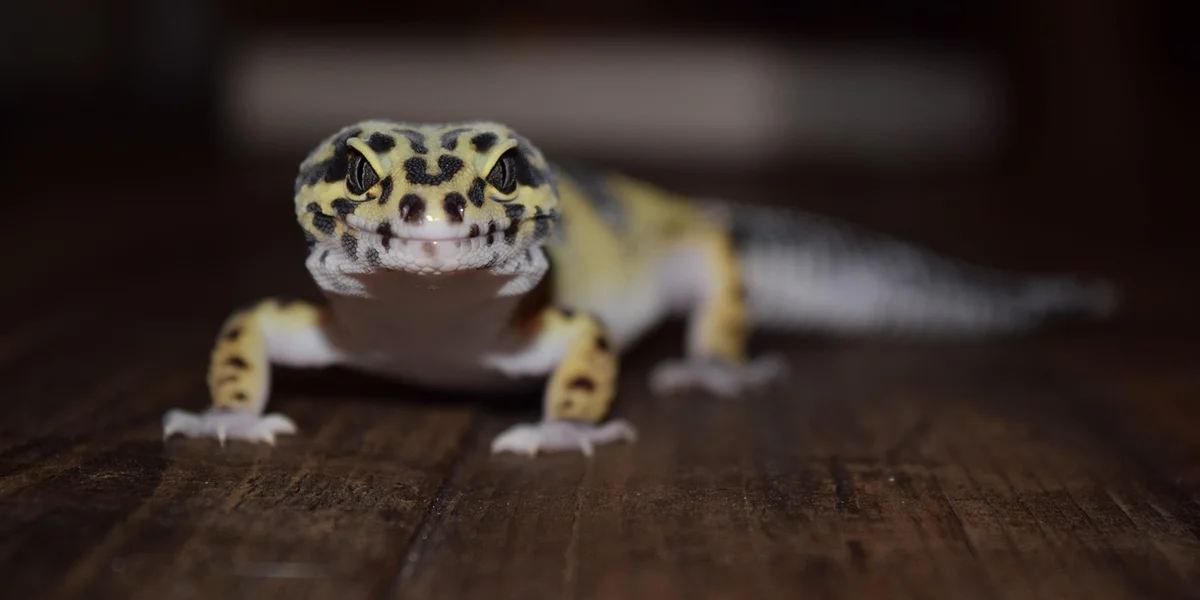
When my Crested Gecko, Jeter, decided a late-night exploration of my bookshelf was a good idea, I realized his value went far beyond his purchase price. Hidden costs creep in with the care—heat lamps, UVB bulbs, and enclosure upkeep can add up quickly. Your standard homeowner’s policy is a starting point, but it’s rarely the finish line for a gecko owner. You need to look at add-ons.
Understanding Insurance Riders for Your Gecko
A rider, or endorsement, is a small piece of paper you add to your main insurance policy to cover something specific. Think of it like a custom-built hide for your gecko’s terrarium-it’s a special addition that makes the whole setup perfect for your unique pet.
- What it covers: A “scheduled personal property” rider can list your gecko as a valuable item, covering its agreed-upon value if it’s killed in a fire, stolen, or other named disasters.
- The valuation process: You’ll need to “prove” your gecko’s value. For a normal leopard gecko, this might be its purchase receipt. For a high-end morph, you may need breeder documentation.
- My experience: I added a rider for my Giant Day Gecko, Babe. It costs me less than a few crickets a month, but it gives me immense peace of mind knowing his replacement cost is covered.
Pet Insurance vs. Homeowners Insurance: A Gecko Keeper’s Guide
This is a crucial distinction. These two policies protect different things, and you likely need to think about both.
- Homeowners Insurance (and its riders): Protects your gecko as property. It covers the financial loss of the animal itself due to theft or disaster. It does not cover its veterinary bills.
- Exotic Pet Insurance: Protects your wallet from veterinary costs. This covers illnesses, injuries, surgeries, and sometimes even wellness visits. If your gecko develops a costly condition like impaction, this is what kicks in.
You insure your home for the structure, and you insure your gecko’s health for its well-being—they are two separate but equally important safety nets. Are geckos safe to touch? This health safety guide covers safe handling practices to protect both you and your gecko.
Costs and Benefits from a Gecko Owner’s Perspective
Let’s talk numbers. A rider on your homeowner’s policy might cost $20-$50 annually for a gecko valued under $500. A good exotic pet insurance plan can range from $10-$25 per month. Keep in mind that initial setup can require a larger upfront investment for enclosure, heating, lighting, and substrate. Ongoing monthly costs cover heat, food, and routine care.
- Is it worth it? For a $30 leopard gecko, maybe not. But for that $1,500 Electric Tangerine Tectic you’ve been dreaming of? Absolutely.
- Consider the vet bills: An emergency visit for a prolapse or metabolic bone disease can easily run into the hundreds. Insurance turns a catastrophic bill into a manageable copay.
- My rule of thumb: I insure any gecko whose value or potential medical costs would cause me significant financial stress. For me, that’s all of them.
Steps to Protect Yourself and Your Gecko
Insurance is a reactive tool. The best strategy is to be so proactive that you never have to use it. Protecting your gecko is a daily practice that blends common sense with a deep respect for the animal in your care. A properly set up habitat is the first line of defense against common gecko illnesses. By maintaining correct temperature, humidity, and cleanliness, you prevent many health issues before they start.
Document Everything: Create a Gecko File
If you need to make a claim, proof is power. I keep a simple folder for each of my geckos, both digital and physical.
- Clear Photos and Videos: Take dated pictures from multiple angles, highlighting any unique patterns. This proves ownership and condition.
- Purchase & Lineage Records: File the receipt and any paperwork from the breeder. This is your primary evidence of value.
- Health Records: Keep a log of vet visits, weights, and any health issues. This demonstrates responsible ownership.
Secure that Enclosure Like a Fortress
A loose gecko is a gecko in danger. It can also trigger a “negligence” clause that voids an insurance claim.
- Locks are Non-Negotiable: Use front-opening terrarium locks. My curious Leopard Gecko, Griffey, taught me that standard sliding lids are no match for a determined gecko.
- Check for Gaps: Regularly inspect screen tops and door seals for warping or gaps that a tiny head could push through.
- Anchor Everything: Ensure heavy décor and heat lamps are securely fastened and cannot fall, causing a fire or injuring your pet.
The Ultimate Protection: Animal Welfare and Legal Responsibility
The most important coverage isn’t from an insurance company; it’s the care you provide.
- Know Your Local Laws: Some cities or counties have bans or permit requirements for certain reptiles. Violating these can absolutely invalidate an insurance claim.
- Prioritize Proper Husbandry: Correct heating, humidity, and diet prevent most health crises. A healthy gecko is the best insurance policy.
- Handle with Care and Purpose: Always handle your gecko gently and close to the floor over a soft surface. Preventing an accident is infinitely better than filing a claim for one.
Common Questions
Are geckos automatically covered under a standard homeowner’s insurance policy?
No, most standard policies either exclude or severely limit liability coverage for exotic pets like geckos.
Will owning a gecko increase my homeowner’s insurance premium?
It might if you need to add a specific rider, but simply declaring a gecko often does not increase your premium with many insurers.
Does a homeowner’s insurance rider for my gecko cover its veterinary bills?
No, a rider typically covers the gecko as valuable property for events like theft or fire, not for health-related veterinary costs. To plan for unexpected veterinary costs, consider building an emergency fund for your gecko. This helps ensure you can cover medical care when needed.
Am I liable if a guest is injured while trying to catch my escaped gecko?
Yes, you could be held personally liable for any injuries if your standard policy has an exotic animal liability exclusion.
Is damage caused by my gecko’s heat lamp or other equipment covered?
Maybe, but the insurer could deny the claim if they link the cause back to the exotic pet’s habitat, which is often excluded.
Protecting Your Gecko and Your Home
Your homeowner’s insurance policy is not designed to cover your gecko as a pet, and you must take proactive steps to ensure you have the right protection for your family-friendly reptile. The most reliable path is to call your insurance provider directly, ask them explicitly about reptile or exotic animal coverage, and document their response. If your policy falls short, seriously consider a specialized exotic pet insurance policy to cover potential vet bills and liability.
Being a fantastic gecko owner means looking after their well-being from every angle, including the financial and legal responsibilities. Good gecko habitat husbandry is a cornerstone of that care—setting up a secure, properly heated enclosure with consistent humidity, lighting, and enrichment. By prioritizing habitat setup and daily maintenance, you support your gecko’s health and comfort. Continue to learn about their specific habitat, diet, and health needs, because providing a great life for your scaly friend is the most important coverage of all.
Further Reading & Sources
- Exotic Pet Insurance | Tailored Coverage for Your Pets
- Exotic Pet Coverage for All Animals | Prime Insurance
- Does Homeowners Insurance Cover Animals? (Dogs, Cats, Chickens, and Exotic Pets)
The Gecko Guide is your ultimate resource for gecko enthusiasts, providing expert advice and practical tips to ensure the health and happiness of your scaly companions. Alexander is a passionate gecko owner with over a decade of experience in reptile care. We are dedicated to offering accurate, up-to-date information to support your gecko journey.Our mission is to foster a community of responsible gecko owners who are passionate about the well-being of these fascinating creatures.
Initial Costs & Budgeting