
Gecko-Proofing Your Home: A Room-by-Room Safety Checklist
Published on: December 23, 2025 | Last Updated: December 23, 2025
Written By: Alexander 'Gecko Geek' Johnson
You love watching your gecko explore, but the moment they scuttle out of sight, your heart probably drops with worry about what they might get into. A curious gecko sees your entire home as one giant, exciting terrarium, and it’s our job to make sure it’s a safe one.
I’ve learned this through years of sharing my space with my own crew of scaly adventurers. I’m here to help you systematically secure your home so you can enjoy your pet’s free-roaming time with confidence. We’ll cover the three biggest pillars of safety:
- Eliminating escape routes and tiny hiding spots.
- Removing common household toxins and dangers.
- Creating a supervised, controlled exploration environment.
You will get a straightforward, actionable plan. We are tackling every room: Living Room, Bedroom, Kitchen, Bathroom, Home Office. Let’s make your home a safe haven for your curious friend.
Why Gecko-Proofing is Essential for Pet Safety
You might think your home is safe, but for a small gecko, it is full of hidden dangers. Geckos are naturally curious and can easily slip into tight spaces or encounter harmful items. I learned this firsthand when my leopard gecko, Griffey, managed to wiggle behind a cabinet during one of his exploring sessions. It took me hours to safely coax him out, and I realized how quickly a fun adventure could turn risky. Proper gecko-proofing prevents escapes, injuries, and stress, ensuring your pet thrives in a secure environment. Every room needs a quick check to keep your gecko out of harm’s way. To prevent these hazards, here are the 10 habitat setup mistakes to avoid for a safe, thriving gecko. By recognizing these pitfalls, you can design an enclosure that minimizes escapes, injuries, and stress.
Think of gecko-proofing as a simple way to show you care about their well-being. By taking a few minutes to secure your space, you are actively protecting your gecko from common accidents. My crested gecko, Jeter, once tried to climb a loose curtain, and I had to gently redirect him to avoid a fall. Small steps make a big difference in creating a safe home where your gecko can be happy and healthy.
Common Household Hazards for Geckos
Your home might seem cozy, but it hides risks that can harm your gecko. From temperature swings to sneaky pests, everyday items can pose serious threats. However, many of these issues can be prevented with a proper habitat setup. By optimizing enclosure conditions, you can reduce the risk of common gecko illnesses. I have seen my geckos, like A-Rod and Mookie, get into tricky situations that taught me to stay vigilant. Let us break down the main hazards so you can spot and fix them fast.
Temperature and Humidity Risks
Geckos rely on stable temps and humidity to stay healthy, and household changes can mess that up. Drafts from windows or air vents can cause dangerous chills or overheating. My giant day gecko, Babe, once got too cold near a drafty door, and his appetite dropped until I moved his tank. Watch out for heaters, direct sunlight, and humidifiers that can create extreme conditions. Here is a quick list of what to avoid:
- Placing tanks near radiators or AC units
- Using heat lamps without thermostats
- Ignoring humidity levels-too dry or too damp can lead to shedding problems
Keep a digital thermometer and hygrometer in the room to monitor things easily. Consistent monitoring helps prevent respiratory infections and dehydration. I check my geckos’ environments daily, and it has saved us from many close calls.
Predators and Pest Threats
Even in a safe home, other animals or insects can stress or injure your gecko. Household pets like cats or dogs might see your gecko as prey, causing panic or injury. This isn’t just about safety—it’s about preventing common health problems that geckos face when stressed or exposed to pests. Keeping them calm and pest-free supports their immune system and prevents dehydration, skin infections, and respiratory issues. My cat once stalked A-Rod’s tank, and I had to install a secure lid to keep everyone calm. Pest control is crucial too—ants, spiders, or mites can invade tanks and harm your pet. Use natural repellents and keep food areas clean to avoid attracting bugs. Here are steps to reduce risks:
- Supervise interactions with other pets
- Seal tank gaps and use escape-proof lids
- Regularly clean the tank to prevent pest infestations
Always prioritize your gecko’s safety by creating a predator-free zone. A little caution goes a long way in keeping your gecko stress-free and secure. Are geckos safe to touch? Our health safety guide covers gentle handling to minimize stress and prevent injuries. After dealing with a minor ant issue near Mookie’s enclosure, I now do weekly checks to ensure no unwelcome visitors drop by.
Essential Gecko-Proofing Supplies and Tools

Getting your home ready for a free-roaming gecko isn’t about building a fortress. It’s about creating a predictable environment where their natural curiosity won’t get them into trouble. Gecko habitat husbandry means designing the space with secure access and escape-proof hides. It also means establishing safe temps and a suitable substrate. I learned this the hard way when my crestie, Jeter, decided a gap behind my bookshelf was the perfect new hiding spot. After a heart-pounding ten-minute search, I invested in the right gear.
Sealants and Exclusion Barriers
Your first line of defense is closing off the tiny spaces these little Houdinis can exploit. Think like a gecko-if their head can fit, their whole body can follow.
- 100% Silicone Sealant: This is your best friend for permanent fixes. Use it to seal gaps around pipes under sinks, along baseboards, and in cabinet corners. I always choose a 100% silicone formula labeled as aquarium-safe, as it’s non-toxic once fully cured and can withstand humidity.
- Foam Weatherstripping: Perfect for the uneven gap under a door. It’s cheap, easy to apply with its adhesive backing, and creates a soft barrier they can’t squeeze past.
- Hardware Cloth or Fine Mesh Screen: Don’t just cover windows; check floor vents and cold air returns. My leopard gecko, Griffey, once tried to explore a heating duct. Securing these openings with a fine metal mesh prevents disastrous escapades.
- Childproof Cabinet Locks: If your gecko is a climber like my giant day gecko, Babe, they can easily pop open lightweight cabinet doors. A simple magnetic or adhesive lock keeps cleaning supplies and other dangers securely out of reach.
Humane Repellents and Traps
Sometimes, you need to gently discourage a gecko from a specific area, like near electrical cords or a prized plant. The goal is redirection, not harm. Just remember, patience is key when working with any gecko behavior.
- Double-Sided Tape: Geckos hate the sticky feeling on their feet. Placing a strip on the edge of a shelf or tabletop is a harmless but effective way to create a “no-go” zone. They’ll quickly turn around.
- Citrus or Vinegar Sprays: A light mist of diluted lemon juice or white vinegar on a surface (not the gecko!) can act as a natural deterrent due to the strong smell. Always test on a small, hidden area first to ensure it doesn’t damage your furniture or flooring.
- Live Catch Traps: For a gecko that has already gone rogue, a simple, small live trap is the safest retrieval method. Bait it with a few mashed-up insects. I keep one on hand, just in case-it’s far less stressful for them than being chased with a net.
A quick comparison of your main options can help you decide:
| Tool | Best For | My Personal Tip |
|---|---|---|
| Silicone Sealant | Permanent gaps & cracks | Allow a full 24-48 hours to cure and off-gas before letting your gecko near the area. |
| Double-Sided Tape | Deterring from furniture edges | Use a brand designed for home use that isn’t super strong, so it doesn’t harm their delicate skin. |
| Live Catch Trap | Safe retrieval of an escaped gecko | Check the trap frequently-you don’t want your found friend to be stuck in there for long. |
Room-by-Room Gecko-Proofing Checklist
Living Room and Dining Area
This high-traffic zone is full of sneaky dangers. My curious leopard gecko, Griffey, once tried to climb a floor lamp, teaching me a quick lesson.
- Check behind and under all furniture before you sit or recline.
- Secure electrical cords with cable management sleeves or conceal them entirely.
- Remove any small, ingestible items like dropped beads or coins from the floor.
- Ensure all houseplants are non-toxic, as some geckos are tempted to take a nibble.
- Keep fireplace screens closed and never leave a gecko unsupervised near an open flame.
A quick visual sweep of the room from a gecko’s eye level can reveal hazards you’d normally miss.
Kitchen
The kitchen is a minefield of temperature extremes and toxic substances. This is one room where my geckos are never allowed to free-roam.
- Store all cleaning chemicals and pesticides in securely locked cabinets.
- Wipe up spills immediately, especially anything sugary or greasy.
- Be hyper-aware of hot surfaces like stovetops, toasters, and open oven doors.
- Keep the dishwasher and refrigerator doors closed unless you are actively loading or unloading.
- Ensure trash cans have tight-fitting lids to prevent curious explorations.
The combination of food smells and hiding spots makes the kitchen incredibly appealing, so vigilance is non-negotiable.
Bathroom
Humidity might feel like home, but the bathroom holds one of the biggest risks: water.
- Always keep the toilet lid completely closed. A gecko cannot climb out of a slick porcelain bowl.
- Check the bath tub and sink for water before letting your gecko explore.
- Store medications, soaps, and lotions out of reach.
- Be mindful of hair dryers, curling irons, and other hot tools that may be plugged in.
- Ensure any floor drains are covered with a fine grate.
A single inch of water in a sink or tub is enough to drown a small gecko, so never leave them unattended here.
Bedroom
Your gecko might find your bed the perfect warm hide, but it’s a dangerous game.
- Never let your gecko sleep in your bed with you. The risk of rolling over is too high.
- Check piles of laundry, blankets, and inside shoes before moving them.
- Keep jewelry, hair ties, and other small items stored away.
- Secure the gaps under dressers and beds where a gecko could get stuck.
- Be cautious with space heaters or electric blankets, which can cause severe burns.
The soft, warm environment is a major attractant, making consistent safety habits in the bedroom absolutely vital.
Attic, Basement, and Entryways
These often-overlooked areas are where geckos can truly vanish. My giant day gecko, Babe, once made a dash for the basement stairs.
- Seal any cracks or holes in walls and around pipes with a pet-safe sealant.
- Store holiday decorations and other items in sealed plastic bins, not cardboard boxes.
- Keep these areas well-lit during gecko exploration time so you can see them clearly.
- Place a draft stopper at the bottom of exterior doors to block escape routes.
- Be extremely careful on stairs, as a fall from height can be fatal.
Clutter is the enemy of safety in these spaces; a tidy storage area is a much safer environment for an adventure.
Maintaining a Gecko-Proof Home
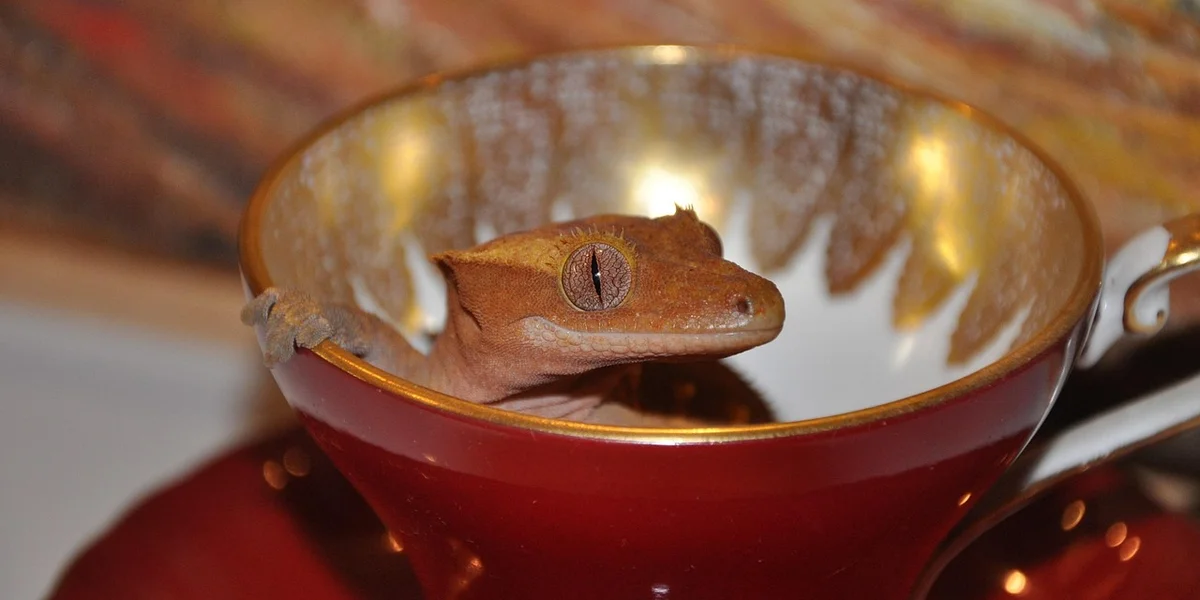
Creating a safe space is a fantastic first step, but the real work is in the maintenance. Gecko-proofing is an active, ongoing process, not a one-time task you can simply forget about. Your home is a dynamic environment, and new hazards can appear with a simple change of season or a new piece of furniture. I learned this the hard way when my Giant Day Gecko, Babe, decided a new decorative vine was his personal jungle gym, nearly toppling a lamp in the process. Think of maintenance as an opportunity to create the ultimate environmental enrichment setup for your gecko—safe, stimulating, and tailored to their natural behaviors. When safety and enrichment align, ongoing care becomes an engaging, rewarding routine.
Your Daily and Weekly Safety Sweeps
Incorporate these quick checks into your routine. It takes just a minute but makes all the difference.
- Scan for Escape Routes: Before any handling session, do a visual sweep of the room. Check that windows are closed, doors are shut, and no large gaps exist under furniture.
- Check for Foreign Objects: Look for small items that could be ingested, like dropped coins, pen caps, or bits of fluff. My curious Leopard Gecko, Griffey, once tried to eat a stray sequin.
- Inspect Houseplants: Ensure any non-toxic plants haven’t dropped leaves or petals into areas your gecko might explore.
- Verify Electrical Safety: A quick glance to confirm all cords are intact and power strips are out of reach prevents a potential disaster.
The Kitchen: A High-Risk Zone
The kitchen is a minefield for a loose gecko. Vigilance here is non-negotiable.
- Appliances are Always Off-Limits: Before using the oven, stove, or even the toaster, do a physical check. A warm dishwasher or a dark oven can be an enticing, and fatal, hiding spot.
- Lock Up Cleaning Supplies: All cleaning chemicals, even “natural” ones, must be securely stored in cabinets with child-proof locks. The fumes alone can be harmful to their sensitive respiratory systems.
- Mind the Sink and Counters: A single drop of dish soap or a crumb of food can be toxic. Wipe down surfaces thoroughly and never leave dishes with food residue soaking.
The Bathroom: Hidden Dangers
This room seems harmless but holds unique threats you must manage.
- The Toilet Lid Stays Down: This is a non-negotiable rule in my house. A gecko cannot climb out of a slick porcelain bowl, and the cleaning chemicals in the water are lethal.
- Secure Medications and Toiletries: Keep all pills, creams, and cosmetics in closed containers. A fallen pill can look like food to a wandering gecko.
- Eliminate Water Hazards: Never leave a bathtub or sink filled with water. A shallow amount is enough to drown a small reptile.
- Check for Mold: Due to the humidity, bathrooms can develop mold in corners or under sinks. Regularly inspect these areas, as mold spores are dangerous if inhaled by your pet.
Common Questions
What should I do immediately if my gecko escapes its enclosure?
Stay calm, block off the room, and systematically check warm, dark, and tight spaces where they like to hide.
How long can I safely let my gecko roam outside its tank?
Supervised exploration sessions should be limited to 15-20 minutes to prevent stress and exposure to unmanaged risks.
Do all gecko species require the same level of home proofing?
No, more agile and arboreal species like Crested Geckos often require more extensive vertical space proofing than terrestrial ones.
Are electrical cords a serious danger if my gecko doesn’t chew?
Yes, they can cause severe thermal burns if crawled on while the cord is in use, and they are a significant entanglement hazard.
What common household cleaning product is safest to use around my gecko?
A solution of diluted white vinegar is generally the safest option, but you must ensure the area is completely dry and well-ventilated before your gecko returns. To clean your gecko tank properly, scrub all surfaces, rinse well, and dry everything thoroughly before reintroducing your gecko. Regular, thorough tank cleaning helps keep your gecko healthy and reduces odors and residue.
Final Words
Your home can be a safe playground for your curious gecko when you take the time to check each room for common dangers, similar to how you would inspect their enclosure for hazards. The key is to get down to their level and look for small spaces, toxic substances, and precarious heights from their perspective.
Responsible gecko ownership is a continuous journey of learning and adapting your care to meet their needs. I encourage you to always keep learning and share your own gecko-proofing discoveries with our community-it’s a privilege to provide such a wonderful life for these special pets.
Further Reading & Sources
- 3 Ways to Get Rid of Common House Geckos – wikiHow
- Gecko Control: How to Get Rid of a House Gecko
- lizard control and treatments for the home yard and garden
The Gecko Guide is your ultimate resource for gecko enthusiasts, providing expert advice and practical tips to ensure the health and happiness of your scaly companions. Alexander is a passionate gecko owner with over a decade of experience in reptile care. We are dedicated to offering accurate, up-to-date information to support your gecko journey.Our mission is to foster a community of responsible gecko owners who are passionate about the well-being of these fascinating creatures.
Gecko Housing & Habitat