
Front-Opening vs. Top-Opening Enclosures: Which is Best for Your Gecko?
Published on: March 31, 2026 | Last Updated: March 31, 2026
Written By: Alexander 'Gecko Geek' Johnson
You’re setting up a new home for your gecko, but you’re stuck on one of the biggest decisions: should you get a front-opening or a top-opening terrarium? This isn’t just about aesthetics; it’s a choice that impacts your daily routine and your pet’s sense of security. I’ve wrestled with both types housing my own crew, and getting it wrong can make your life-and your gecko’s-unnecessarily stressful.
I’m here to help you cut through the confusion. We’ll break down this choice by focusing on three key practical points you must consider:
- The ease and safety of handling your gecko.
- How simple it is to perform daily maintenance and feeding.
- The impact on your pet’s stress levels and overall well-being.
By the end of this guide, you’ll have a crystal-clear understanding of which enclosure type is the right fit for your situation. We will cover: Enclosure Design, Handling & Access, Pros and Cons, Species-Specific Recommendations, and Setup & Modification Tips.
What Are Front-Opening and Top-Opening Enclosures?
Let’s break down the two main types of homes you can choose for your scaly friend. A front-opening enclosure has doors that swing or slide open from the front, giving you direct, face-to-face access. It feels like opening a little cabinet.
A top-opening enclosure has a lid or screen top that you lift off or hinge open from above. This means you always access your gecko’s space by reaching down into it from the top.
| Feature | Front-Opening | Top-Opening |
|---|---|---|
| Access Point | From the front, like a cabinet | From the top, like a box |
| Common Materials | Glass, PVC, acrylic | Glass with screen top |
| Ease of Access | High – no reaching over decor | Low – must reach down into tank |
| Typical Gecko Sizes | 10-gallon to 120-gallon equivalents | 10-gallon to 40-gallon breeder |
For materials, I see glass and screen tops used a lot for top-openers, while front-opening tanks are often made from glass or PVC. PVC is a fantastic material because it holds heat and humidity much better than glass, which is a big win for many gecko species. Still, which material is superior isn’t universal—it depends on the gecko species and how you plan to husband them. Some geckos thrive in glass for visibility and enrichment, while others benefit from PVC’s higher heat and humidity retention.
Typical sizes start at a 10-gallon for a single juvenile leopard gecko and go way up. My crested gecko, Jeter, lives in an 18x18x24 inch tall front-opening tank, which gives him plenty of climbing room.
Key Differences in Accessibility and Ergonomics
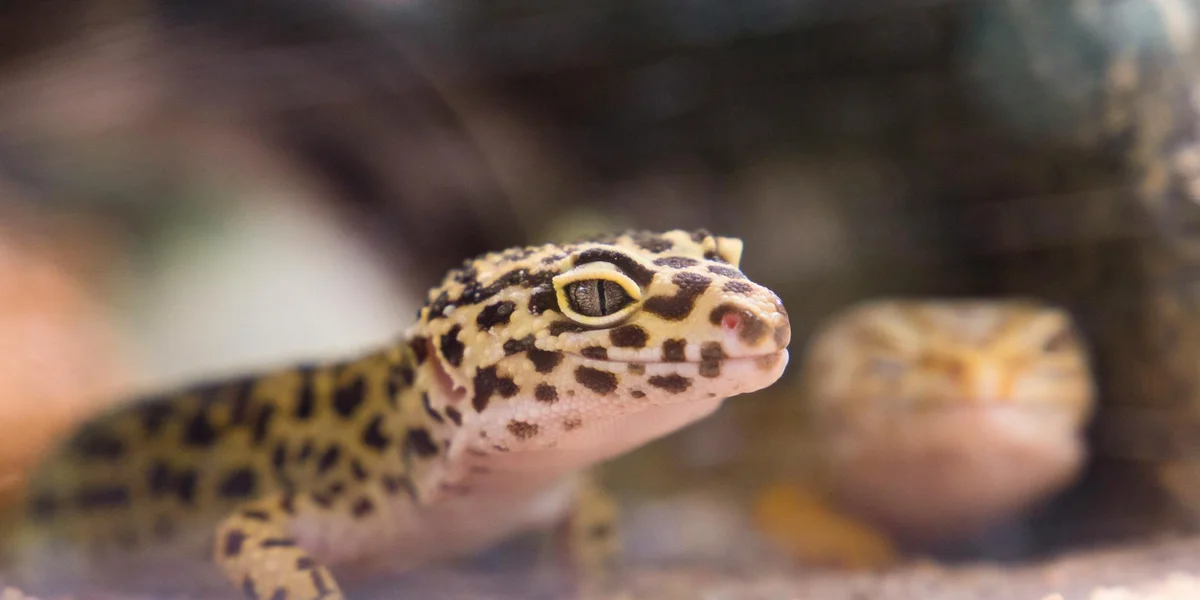
This is where your daily routine is really impacted. With a front-opening tank, feeding and spot-cleaning are a breeze. You can simply open the doors and perform tasks without disturbing the entire environment. It feels precise and controlled.
With a top-opening tank, you have to reach over and down through all the branches, plants, and hides. You’re more likely to bump decorations, spill water, or knock over a food dish. I found my spot-cleaning took twice as long with my old top-opening tanks because I was working around obstacles.
Now, let’s talk about your back. Reaching into a tall, top-opening enclosure is a genuine workout. I learned the hard way that leaning over a 18-inch tall tank to clean the bottom led to a sore back more often than not. Front-opening designs let you work at a comfortable waist-to-chest level, which is a game-changer for long-term husbandry.
But the biggest difference is for your gecko. Reaching in from above can be terrifying for them. In the wild, predators strike from above. My first gecko, in a top-opening tank, would always scurry and hide when the lid came off-it stressed us both out. When I switched to front-opening, my geckos saw my hand coming in at their level and were far calmer. It builds trust instead of fear. Different gecko species respond to handling in different ways, so what works for one may not for another. Learn each species’ comfort cues and tailor your handling techniques accordingly.
Handling becomes much less of a chase. You can gently scoop them up from the front instead of trying to navigate a grab from above through a jungle of decor. This ergonomic benefit for you translates directly into a less stressful experience for your pet, making bonding time something you both can enjoy.
Pros and Cons of Each Enclosure Type
After years of housing everything from my energetic leopard gecko Griffey to my calm crested gecko Jeter, I’ve learned the hard way that the opening mechanism is a make-or-break feature. Your choice fundamentally shapes your daily interaction with your pet and their long-term well-being.
Front-Opening Enclosures
I switched all my terrestrial geckos to front-opening tanks, and the difference in their stress levels was immediate and obvious. Calm, stressed geckos respond best to effective techniques and environmental fixes. Simple steps like hiding spots, stable temperatures, and gentle handling can help them stay calm.
Advantages
- Reduces Stress: You approach from the side, not from above like a predator. My African fat-tailed gecko, A-Rod, used to flinch constantly; now he barely looks up from rearranging his moss.
- Superior Accessibility: Cleaning and decorating are a breeze. No more awkwardly reaching over and disturbing the entire landscape.
- Easier Secure Mounting: You can safely place heavy lamps and other equipment on the sturdy mesh top without the opening mechanism getting in the way.
- Space-Saving Potential: These enclosures can be stacked or placed on a shelf at eye level, saving precious floor space in your reptile room.
Disadvantages
- Higher Initial Cost: The complex design with hinges and latches almost always costs more than a simple top-opening tank.
- Potential for Latch Failure: The locking mechanisms are the most common point of failure. You must check them regularly for wear.
- Difficult Glass Cleaning: Nose art and smudges from the inside are harder to reach and wipe clean compared to a removable top.
Top-Opening Enclosures
These are the classic, often more budget-friendly option. I still use one for my giant day gecko, Babe, as it allows for a very tall, arboreal setup.
Advantages
- Generally More Affordable: The simpler construction makes them a great entry-point for new gecko owners.
- Excellent Full-Top Access: The entire top opens, giving you unparalleled access for major rearrangements or retrieving a stubborn gecko from a high perch.
- Simple Security: A basic screen clip is a remarkably effective and low-failure way to keep most geckos contained.
- Easy Installation: Setting one up is straightforward-just place the lid on top. No hinges or doors to align.
Disadvantages
- Triggers Prey Response: That giant hand coming from the sky can be terrifying for your gecko, potentially harming your bond over time.
- Cumbersome Daily Access: Reaching into the bottom of a deep tank to change water or spot-clean is awkward and disruptive.
- Obstructed Equipment Placement: You have to move the entire lid, and any equipment sitting on it, every single time you need inside.
How Enclosure Type Affects Daily Care and Maintenance
This is where theory meets practice. Your enclosure choice dictates the rhythm of your care routine. A smooth routine is the secret to consistent, stress-free care for both you and your gecko.
Daily Feeding Routine
Front-Opening Style
- Gently slide the doors open just wide enough for your hand.
- Place the food dish directly inside without looming over your gecko.
- Close and securely latch the doors. My curious leopard gecko, Griffey, is a master of spotting an unlatched door.
Top-Opening Style
- Move any lamps or other equipment off the mesh lid.
- Unclip and carefully lift one side of the lid, trying to minimize the giant shadow you cast.
- Reach down into the enclosure to place the food dish, which often causes your gecko to hide.
Weekly Cleaning & Equipment Checks
My front-opening tanks have cut my deep-cleaning time in half. I keep a dedicated caddy with all my cleaning supplies so I can work efficiently no matter the enclosure type.
- Front-Opening: I can sit comfortably in front of the tank, remove décor through the large doors, and wipe down all surfaces without strain. Checking and adjusting my thermostat probes is simple.
- Top-Opening: This requires removing the entire lid and all top-mounted equipment. You need a clear, safe space to put it all. Reaching the bottom corners to wipe them out is a full-arm workout.
Humidity and Ventilation Management
This is a huge one, especially for humidity-sensitive species like crested geckos.
- Front-Opening Tanks: Ventilation is often provided by a mesh top and sometimes front vents. To raise humidity, I simply mist the enclosure. If I need to lower it, I open the front doors for a few minutes for a powerful burst of air flow. It’s incredibly precise control.
- Top-Opening Tanks: The large mesh top provides excellent baseline ventilation but makes it harder to retain humidity. Misting is less effective as the moisture escapes upwards quickly. To adjust it, you have to physically cover or uncover sections of the mesh lid.
My Personal Maintenance Simplification Tips
- For top-opening tanks, get a small step stool. It saves your back and gives you a better angle when reaching in.
- Use a magnetic glass cleaner for both types. It makes cleaning the interior glass on front-opening tanks far easier.
- Place a small towel over the front of a front-opening tank during feeding if your gecko is a frantic hunter. It prevents them from accidentally lunging out the open doors.
Choosing Based on Gecko Species and Behavior
Your gecko’s species is the single most important factor in this decision. Getting this wrong can lead to a stressed, unhappy pet, so matching the enclosure to their natural instincts is non-negotiable. I learned this the hard way when I first started and tried a tall tank for a terrestrial gecko; they never seemed to settle. Proper housing means aligning tank size, setup, and the species’ housing requirements to their natural habitat. When you tailor the enclosure to their needs, your gecko can thrive and stay active and comfortable.
Arboreal Geckos: Go Vertical with Front-Opening
Geckos like Crested Geckos and Gargoyle Geckos are born climbers. They live in trees. My Crested Gecko, Jeter, spends 90% of his time on the highest branch he can find, surveying his kingdom. For these athletes, height is a requirement. Crested geckos originate from the forests of New Caledonia, where humid canopies shape their arboreal lifestyle. Their natural habitat—tall trees and vines—explains why climbing comes so naturally to them.
- Front-Opening Tanks are Ideal: They allow you to access all climbing surfaces and vines without reaching down from above, which they see as a predator attack.
- My Gargoyle Gecko, Mookie, would spook every time I opened his old top-opening tank. Since switching to a front-opener, he’s much calmer during feeding and maintenance.
- Provide plenty of branches, vines, and foliage across the vertical space to encourage natural climbing and hiding behaviors.
Terrestrial Geckos: Go Horizontal with Either Style
Leopard Geckos and African Fat-Tailed Geckos are ground dwellers. My Leopard Gecko, Griffey, is all about floor space for exploring his hides and hunting. They need room to roam, not to climb.
- Floor Space is King: A long, low tank is far better than a tall, narrow one. They utilize every square inch of the floor.
- Top-opening enclosures can work well here, as these species are less prone to perceiving overhead movement as a direct threat.
- My African Fat-Tailed, A-Rod, is highly territorial. A front-opening tank lets me clean and redecorate without invading his entire space from above, which keeps him much more relaxed.
Ultimately, the best enclosure is the one that lets your gecko express its natural behaviors without constant human interference causing stress. Observe your pet. If they hide every time you approach, your access point might be the problem. Additionally, avoid common decor mistakes in gecko enclosures—overcrowding, cluttered layouts, or poorly placed heat sources can increase stress and limit exploration. A simple, well-planned setup helps your gecko feel secure and thrive.
Installation and Setup Considerations
A beautiful enclosure that’s a pain to maintain will lead to skipped cleanings, and that’s not fair to your pet. Think about your own convenience during setup, because a setup you can manage easily leads to a healthier habitat for your gecko. For beginners aiming for a perfect leopard gecko enclosure setup, simplicity and easy cleaning are essential. A well-designed starter setup helps you learn best practices and keep your gecko healthy.
Placement and Mounting
Where you put the tank matters for both safety and viewing pleasure.
- Ensure the stand or furniture is perfectly level and can support the significant weight of the enclosure, substrate, and decor.
- Front-opening enclosures often have a sleek, furniture-like look and can be placed at eye level on a sturdy stand for easy viewing and interaction.
- Top-opening tanks need ample overhead clearance for the lid to open fully, which can limit placement options.
- Keep all enclosures away from direct sunlight and drafty windows to prevent dangerous temperature swings.
Integrating Heating and Lighting
This is a major point of divergence between the two styles and a big factor in safety.
- Front-Opening Pros: It’s simple to mount heat lamps and UVB lights on the mesh top. All your cables can be routed neatly up and out of the way, creating a clean look and reducing tampering risks.
- Top-Opening Challenges: The entire lid is a moving part. You must ensure all cords are secured with drip loops and have enough slack to open the lid without pulling on fixtures. It’s a more fiddly process.
- I always use a thermostat with any heat source. For a deep heat projector in a top-opening tank, I use a guard to prevent any chance of my gecko touching a hot surface when the lid is open.
Interior Decor and Substrate
How you arrange the inside is directly influenced by how you get inside.
- In a front-opening tank, you can create a complex, vertical landscape. You can securely attach cork rounds and branches to the back and side walls without your arm knocking them over during cleaning.
- With a top-opening tank, you’re reaching down into the space. This makes delicate planting or arranging tall, thin decor more challenging. I tend to use heavier, sturdier items in these setups.
- For substrate, a bioactive setup is easier to plant and maintain in a front-opening enclosure. For a simple paper towel or shelf liner substrate, either style works perfectly fine.
A well-planned setup with thoughtful cable management and stable decor isn’t just about aesthetics; it’s a fundamental part of preventing escapes, injuries, and electrical hazards. Take your time here. Your future self, during weekly spot-cleaning, will thank you.
Safety, Security, and Durability Checks
Your gecko’s home is their castle, and its security is non-negotiable. A single faulty latch can turn a safe habitat into an escape route in seconds. I perform these checks on every new or used enclosure before a gecko ever steps inside. I also scan for common household hazards and share practical safety tips to keep the enclosure safe. Small changes can prevent accidents.
Essential Safety Checks to Prevent Escapes
- Hinges: Open and close the door at least ten times. Listen for grinding or feel for sticking. The motion should be smooth and silent.
- Locks and Latches: Test the primary lock. Then, gently push on the door from the inside. If it bows or gives way, you need a secondary locking mechanism.
- Ventilation Gaps: Run your fingers along all screen and mesh areas. If you can feel a gap wider than the tip of your pinky finger, a determined gecko can fit through it.
- Glass Integrity: Tap gently on each panel. A clear, sharp ring is good. A dull thud or a visible crack means the structural integrity is compromised.
Evaluating Corrosion and Weatherproofing
Humidity and waste create a harsh environment. Look for PVC, ABS plastic, or powder-coated aluminum frames, as these materials laugh in the face of moisture. Avoid plain, untreated metals, which will rust and weaken over time. For the sealant, a non-toxic, 100% silicone is your best friend for waterproofing corners.
A Personal Story of an Enclosure Fail
I learned this lesson the hard way with my crested gecko, Jeter. His front-opening tank had a seemingly sturdy pin-lock. One night, the plastic pin, weakened by constant humidity, snapped. Jeter, my calm “team captain,” was found the next morning perched on the curtain rod. I now double-check all plastic components and often add a simple sliding bolt lock as a cheap, fail-safe backup. It’s a small price for priceless peace of mind.
Cost and Space-Saving Factors
Let’s talk money and square footage. Your budget and room size are real constraints, and the right enclosure choice can make all the difference.
Budget Options and Long-Term Value
- Front-Opening Enclosures: Higher initial cost, but incredible long-term value. The ease of access reduces stress during cleaning and feeding, which promotes better health. They are built to last for decades.
- Top-Opening Enclosures: Often the more budget-friendly choice upfront, especially standard aquariums. However, the hassle of accessing a skittish gecko from above can lead to more stress-related issues over time.
Think of a front-opening tank as an investment, while a top-opener is more of an initial savings.
Space Efficiency for Multiple Tanks
If you’re a multi-gecko household like me, space is a premium commodity. Front-opening enclosures are champions of vertical space. You can safely stack them using sturdy shelving units. Trying to stack top-opening tanks is a dangerous game of precarious lifting and limited access. For a “gecko wall,” front-openers are the only practical choice.
Affordable Alternatives That Work
If a glass terrarium breaks the bank, consider a Sterilite or Rubbermaid storage tub. You can cut a large hole in the side and securely hot-glue mesh screen for ventilation, creating a DIY front-opening habitat. I’ve successfully raised many young geckos in these modified tubs-they hold heat and humidity beautifully and cost a fraction of the price. Just ensure the lid clips securely to prevent any Houdini acts.
FAQs
How does enclosure type impact the bonding process with my gecko?
Front-opening enclosures facilitate bonding by allowing you to approach from the side, reducing stress and building trust through calm, face-to-face interactions.
What are the key features to look for in a secure front-opening latch?
Look for durable, self-locking latches made of metal or reinforced plastic that resist jamming and provide a tight seal to prevent escapes.
Can top-opening enclosures be used effectively for bioactive setups?
Yes, but they require careful planning to avoid disturbing plants and clean-up crews during maintenance, whereas front-opening designs offer easier access for upkeep.
The Final Verdict on Gecko Enclosures
When choosing an enclosure, your gecko’s sense of security is the top priority. For most species, a front-opening terrarium is the superior choice as it dramatically reduces stress by approaching them from the side, not from above like a predator. While a top-opening tank can work with careful, deliberate handling, the front-access design simply makes daily care and bonding easier for everyone involved.
Your choice of habitat is one of the most fundamental acts of care you can provide. Committing to the best possible setup, and always being willing to learn and adapt, is what separates a good gecko keeper from a great one. My own geckos have thrived because I listened to their needs, and I encourage you to do the same for your scaly friend. That is the heart of gecko habitat husbandry—getting enclosure, humidity, and temperature right. With careful husbandry, you’ll see their colors, activity, and appetite respond.
Further Reading & Sources
- Top 10 Gecko Enclosures for Happy and Healthy Geckos – Talis Us
- How to Set Up a Simple or Natural Crested Gecko Enclosure – PetHelpful
- Leopard Gecko Enclosure – Vision Products
The Gecko Guide is your ultimate resource for gecko enthusiasts, providing expert advice and practical tips to ensure the health and happiness of your scaly companions. Alexander is a passionate gecko owner with over a decade of experience in reptile care. We are dedicated to offering accurate, up-to-date information to support your gecko journey.Our mission is to foster a community of responsible gecko owners who are passionate about the well-being of these fascinating creatures.
Enclosure Types & Sizing