
Safe Gecko Handling: A Guide for Every Species
Published on: May 2, 2026 | Last Updated: May 2, 2026
Written By: Alexander 'Gecko Geek' Johnson
Picking up your gecko can feel nerve-wracking, wondering if you’re doing it right or if you might accidentally stress or harm your fragile friend. I’ve felt that same hesitation with my own crew, from my jumpy Gargoyle Gecko Mookie to my calm Crested Gecko Jeter.
I’m here to walk you through it. This guide will help you handle your gecko with confidence by breaking down the key principles for safety and trust.
- Learn the fundamental “do’s and don’ts” that apply to nearly all geckos.
- Understand the critical handling differences between popular species, like Leopard Geckos versus Crested Geckos.
- Discover how to read your gecko’s body language to know when it’s a good time for interaction.
You’ll get clear, step-by-step advice you can use right away. We will cover: proper handling techniques, species-specific guides (Leopard, Crested, Gargoyle, African Fat-Tailed, Day Geckos), taming tips, and solving common handling problems.
Gecko Handling Basics Every Owner Should Know
Handling your gecko correctly builds trust and keeps them safe. Always use two hands to provide full body support, preventing slips and reducing stress. I learned this early on when my first gecko tried to jump from my palm. This is a core point in a gecko safe-touch health safety guide. Following these steps helps protect both you and your gecko.
Gentle restraint means letting them walk onto your hand rather than grabbing. A calm approach starts with slow movements and soft voices to avoid startling them. Sudden motions can make any gecko feel threatened.
- Do use dry, clean hands to improve grip and prevent transferring oils or residue.
- Do keep handling sessions short, ideally 5-10 minutes, to avoid overwhelming your pet.
- Don’t grab the tail, as many species can drop it as a defense mechanism.
- Don’t squeeze or hold tightly, which can cause injury or panic.
Regular handling helps you bond and spot health issues early. I’ve caught early signs of shedding problems or weight changes during these calm moments together. It turns care into a shared experience.
Step-by-Step Handling Guide by Gecko Species
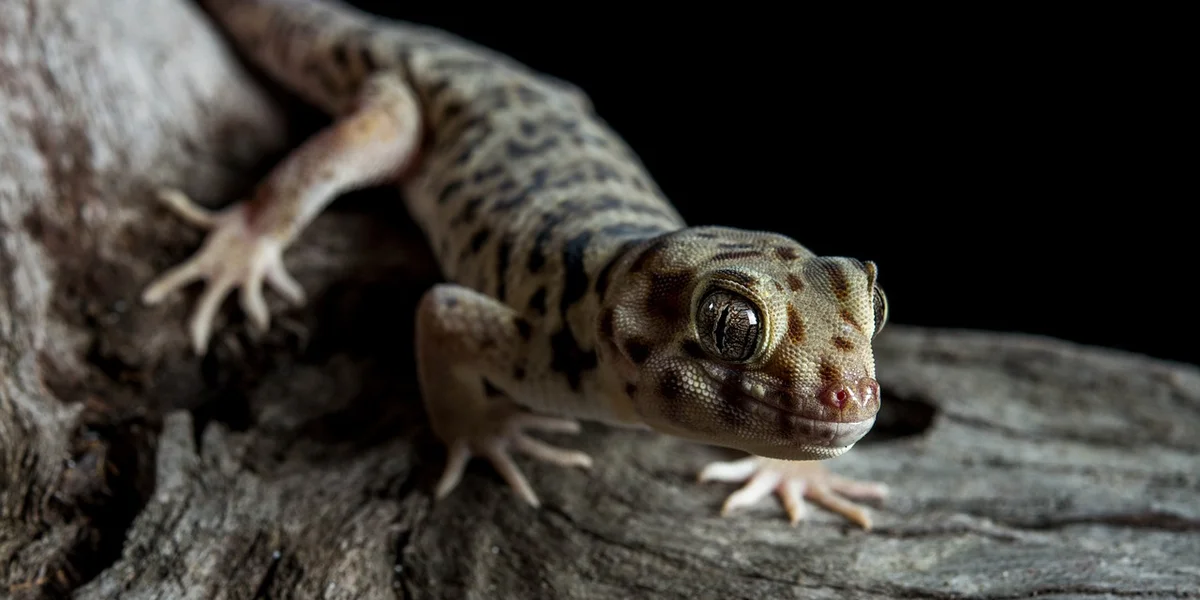
Leopard Gecko Handling: Calm and Grounded
Leopard geckos like Griffey need a steady touch to feel secure. Start by placing one hand flat in the terrarium and letting them walk onto your palm. This mimics their natural curiosity without force. With patient handling, you can tame and bond with your leopard gecko over time. Make handling a regular, calm routine to reinforce that bond.
- Gently scoop from below with both hands, cradling their body and legs.
- Keep your posture stable and low to the ground to prevent falls.
- Support the entire body, especially the base of the tail, to avoid drops.
Tail preservation is crucial since regrowth is stressful. I always use a cupped hand technique with Griffey, who enjoys exploring but stays calm with full support. His energetic nature means I stay alert to his movements.
Crested Gecko Handling: Confident Climbers
Crested geckos such as Jeter prefer gentle lifts that respect their agility. Approach from the side and let them step onto your fingers to avoid startling jumps. Their calm confidence makes them great for beginners.
- Use open palms to allow climbing, which reduces stress.
- Keep sessions brief and always handle over a soft surface.
- Avoid grabbing from above, as it triggers their flight response.
Safe perching means letting them cling to your arm or shoulder. Jeter often perches high, so I ensure he’s secure before moving. This builds trust through predictable interactions.
Tokay Gecko Handling: Feisty and Fast
Tokay geckos are known for their boldness and speed. Wearing lightweight gloves protects your hands from nips and helps you stay calm. I’ve found that patience is your best tool with this species.
- Limit handling to short, infrequent sessions to minimize stress.
- Use a slow, deliberate approach without direct eye contact.
- Apply gentle restraint with a flat hand to guide, not grip.
Their territorial behavior means they may vocalize or posture. A calm demeanor reduces the chance of bites and helps them acclimate over time. Always prioritize their comfort over interaction frequency.
Other Common Species: Gargoyle and Day Geckos
Gargoyle geckos like Mookie are playful climbers who enjoy vertical spaces. Let them leap between your hands in controlled bursts to satisfy their energy. I keep sessions active but brief to match Mookie’s quick nature.
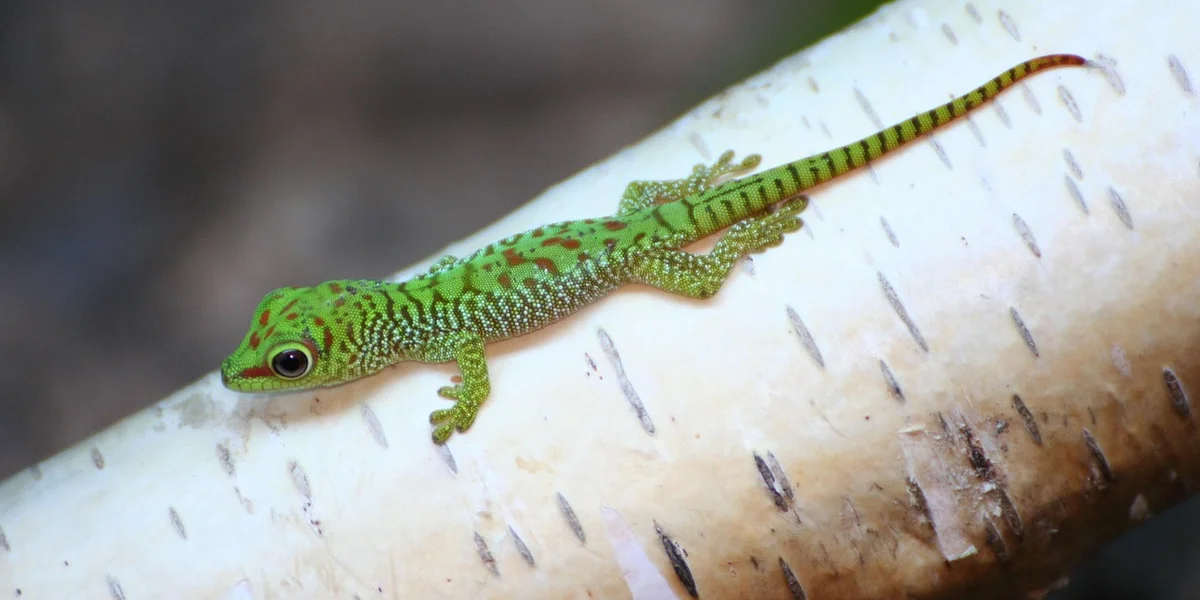
Giant day geckos such as Babe are quick movers who stress easily. Avoid prolonged handling and instead offer food as a distraction during health checks. Babe’s food motivation helps him stay still for quick inspections.
- For gargoyle geckos, use enclosed spaces to prevent escapes during handling.
- For day geckos, handle minimally and focus on visual health assessments.
Species-specific care means adapting to their needs. I’ve learned that respecting their boundaries leads to happier, healthier pets. Every gecko has a unique personality worth understanding.
How to Transport Your Gecko Without Stress
Moving your gecko can be a nerve-wracking experience for both of you. I’ve moved houses with my entire crew—Griffey, Jeter, and the others—and learned a lot about keeping them calm and secure. The goal is to make the journey as quick, dark, and uneventful as possible for your scaly friend. Here’s a moving-house gecko step-by-step, low-stress guide to help you through it. From preparation to settling in, these tips keep stress low for your gecko.
Steps for a Safe Enclosure Transfer
- Prepare a small, secure transport container. A plastic deli cup with air holes or a small critter carrier works perfectly.
- Line the bottom with a soft, familiar paper towel. Avoid loose substrates that can shift and cause stress.
- Gently encourage your gecko into the container. Never chase or grab; use a guiding hand to let them walk in.
- Secure the lid firmly. Double-check that all closures are tight to prevent any escape attempts.
- Place the small container inside a larger, insulated box or cooler. This muffles sound and light.
- Keep the entire setup level and stable in your vehicle. Avoid the trunk and secure it with a seatbelt.
Essential Gear for a Smooth Trip
Having the right equipment on hand makes all the difference. Your travel kit should focus on security and maintaining a stable, warm environment.
- Primary Container: A small, ventilated plastic tub or critter keeper.
- Insulation: A Styrofoam cooler or cardboard box with towels to buffer temperature changes.
- Heat Source: A portable, non-electric heat pack designed for reptiles. Wrap it in a towel-do not let it touch the container directly.
- Backup: An extra paper towel and a spare container, just in case.
Monitoring for Stress Signs
Even with perfect preparation, you need to watch your gecko’s behavior. I always peek in on Mookie during long trips. Look for rapid breathing, frantic scratching at the walls, or excessive hiding-these are clear signs of distress. If you see this, ensure the environment is dark and quiet. Avoid opening the container until you reach your final, safe destination. A calm, uneventful trip is a successful one.
Acclimating a New Gecko to Handling
Bringing a new gecko home is thrilling, but the urge to hold them right away is strong. Resist it. I learned this the hard way with A-Rod, who needed weeks to trust my hand. Patience isn’t just a virtue here; it’s the foundation of your entire relationship. That’s how I bond and communicate with my gecko—through patient observation and gentle, consistent handling. The more in tune you are with his signals, the deeper your connection grows.
Steps to Slowly Introduce Handling
This is a marathon, not a sprint. Rushing will only set you back.
- Week 1: The Settling-In Period. Do not attempt to handle them. Just sit by the enclosure, talk softly, and let them get used to your presence and scent.
- Week 2: The Hand Introduction. Place your clean, flat hand palm-down in the enclosure for 5-10 minutes daily. Do not move towards them. Let them come to you.
- Week 3: The First Contact. Gently slide your hand under their chest and front legs. Lift them just an inch or two inside the enclosure for less than a minute.
- Week 4 and Beyond: Building Sessions. Gradually increase the height and duration of handling, always over a soft surface like a bed or couch.
Observing Behavior and Building Trust
Your gecko’s body language is your guide. Jeter, my Crested Gecko, would freeze solid when nervous. Watch for relaxed exploration, licking your hand, or calmly sitting on you—these are green lights. If they tense up, tail twitch, or try to bolt, the session is over. End every interaction on a positive note, perhaps with a small treat if they are food-motivated like Babe. This is the kind of insight you’ll find in the crested gecko behavior body language ultimate guide. Learning these cues helps you read your gecko more accurately and respond with confidence.
Recognizing Readiness for More Interaction
You’ll know your gecko is comfortable when they initiate contact. The ultimate sign of trust is when your gecko voluntarily climbs onto your hand without prompting. Mookie started doing this, leaping from his branch to my arm when I came near. Other signs include a lack of hiding when you approach, normal breathing while being held, and a general curiosity about you. When you see this, you’ve built a bond that makes every careful step worthwhile. That’s the kind of signal this guide focuses on. The Understanding Gecko Behavior Temperament Complete Guide helps translate these signals into practical care.
Recognizing and Responding to Handling Stress
-
Watch for rapid, jerky movements or frantic attempts to climb away-this means your gecko feels threatened.
Color changes are a big clue; my crested gecko Jeter darkens when stressed, signaling he needs a break.
Other signs include tail wagging, hiding their head, or vocalizing in species like tokay geckos.
-
Stop handling the moment you see stress signals to prevent harm.
Use a gentle, slow release by lowering your gecko onto a flat surface in their enclosure, never dropping them.
I learned with A-Rod that rushing this step can make him more territorial and less trusting over time.
-
After handling, do a quick check to ensure your gecko is acting normally and hasn’t injured themselves.
Look for steady breathing, normal coloration, and that they’re exploring or resting comfortably in their hide.
I always watch Griffey for a few minutes to confirm he’s basking happily again before I walk away.
Best Practices for Safe and Healthy Handling
-
Wash your hands with soap and water before and after each handling session to protect both you and your gecko from germs. Practice proper hand washing hygiene for gecko handling: scrub all hand surfaces for at least 20 seconds, including between fingers and under nails, rinse, and dry with a clean towel. This helps prevent the spread of bacteria between you, your gecko, and its environment.
This simple step prevents the spread of bacteria like salmonella, which can affect reptiles and humans.
I make it a habit, especially since I care for multiple geckos and want to keep them all healthy.
-
Limit handling to 5-10 minutes per session to avoid overwhelming your gecko.
Over-handling can lead to chronic stress, so I stick to short, positive interactions a few times a week.
For instance, Mookie enjoys quick climbs but gets restless if held too long, so I keep it brief.
-
When you have multiple geckos, handle them one at a time in a quiet, low-traffic area to reduce competition and noise.
Maintain a calm environment by avoiding loud sounds and sudden movements, which helps all geckos feel secure. Soft, steady sound vibrations can help create a low-stress audible environment for geckos, supporting their comfort and natural behaviors.
I rotate handling between my geckos to give each individual attention without causing group stress.
FAQs
What equipment is needed for handling geckos?
Use clean, dry hands and optional lightweight gloves for more defensive species to ensure a secure grip and protect against bites or scratches.
How often should geckos be handled?
Handle most geckos a few times per week for short sessions of 5-10 minutes to build trust without causing chronic stress.
What are best practices for releasing geckos back into their enclosure after handling?
Gently lower your gecko onto a flat surface inside their enclosure, allowing them to walk off on their own to prevent drops or panic. If the gecko is sick or injured, handle them even more gently and only when necessary. Keep handling brief and seek veterinary advice promptly.
What safety precautions should keepers take when handling geckos to avoid bites or scratches?
Approach slowly from the side, avoid direct eye contact, and use gentle restraint without squeezing to minimize defensive reactions.
How to wash hands before and after handling geckos?
Thoroughly wash hands with soap and water before and after each session to remove oils, residues, and prevent the spread of bacteria.
Final Words
The golden rule for handling any gecko is to prioritize their comfort and safety over our desire to interact. Remember that handling needs vary dramatically by species, from the often-tolerant Leopard Gecko to the more hands-off Crested and Gargoyle Geckos. In a gecko temperament guide, you’ll learn which species are most handleable and beginner-friendly. This helps you choose a pet whose temperament matches your handling goals. Always approach slowly, support their entire body, and keep sessions brief to prevent stress.
Being a great gecko guardian means committing to a lifetime of learning about your unique pet’s needs. Their well-being is our greatest responsibility. I encourage you to keep observing, asking questions, and deepening your knowledge-your scaly friend’s health and happiness depend on it.
Further Reading & Sources
- Leopard Gecko Handling & Body Language Guide
- Gargoyle Gecko Handling Tips & Tricks | ReptiFiles
- Crested Gecko Care Guide (Correlophus Ciliatus) – GuardiansoftheGeckos
The Gecko Guide is your ultimate resource for gecko enthusiasts, providing expert advice and practical tips to ensure the health and happiness of your scaly companions. Alexander is a passionate gecko owner with over a decade of experience in reptile care. We are dedicated to offering accurate, up-to-date information to support your gecko journey.Our mission is to foster a community of responsible gecko owners who are passionate about the well-being of these fascinating creatures.
Handling & Behavior Signs