
Gecko Diet Requirements: Which Species Are Easiest to Feed?
Published on: December 14, 2025 | Last Updated: December 14, 2025
Written By: Alexander 'Gecko Geek' Johnson
Feeling overwhelmed by the maze of gecko diets and worried you might pick a species that’s fussy or expensive to feed? I totally get it-when I first started with my crew, from Griffey the leopard gecko to Babe the giant day gecko, I spent hours stressing over their meals.
But relax, I’m here to simplify it for you. Based on my hands-on care, this guide will highlight the most straightforward geckos to feed, so you can enjoy your pet without the hassle. You’ll walk away knowing:
- Key traits that make a gecko’s diet easy to manage
- Specific species that thrive on simple, accessible foods
- Pro tips from my own wins and mistakes to keep your gecko healthy and happy
You’ll get clear, no-nonsense advice tailored for beginners. We’ll cover: Leopard Gecko diet, Crested Gecko feeding, Gargoyle Gecko habits, African Fat-Tailed Gecko needs, Giant Day Gecko preferences, and budget-friendly feeding strategies.
What Makes a Gecko Easy to Feed?
Choosing a gecko that’s simple to feed boils down to three key factors. You want a strong feeding response, a simple diet, and readily available food items. When choosing a healthy gecko, look for signs of good health—steady weight, bright eyes, and an active demeanor. These cues help you determine if it will be easy to feed and maintain.
- Feeding Response: Does the gecko eagerly hunt or eat what you offer? A strong, reliable feeder means less stress for you.
- Diet Simplicity: Is their food easy to prepare? A diet requiring one or two main items is far easier than a complex menu.
- Food Availability: Can you buy their staple food at a local pet store, or does it require special ordering?
Insectivorous geckos eat live bugs, which can be a pro or con. You get to watch natural hunting behaviors, but you must keep a supply of live insects. Omnivorous geckos often thrive on pre-mixed powdered diets you just add water to. This convenience makes omnivorous species a fantastic starting point for many new owners, especially if you’re unsure about feeding live food to your gecko.
I’ve spent countless evenings watching my crew eat. My leopard gecko, Griffey, will practically launch himself at a cricket. My crested gecko, Jeter, is more refined, calmly lapping up his fruit mix. Seeing their different personalities at mealtime never gets old and tells me so much about their health.
Top Beginner-Friendly Gecko Species for Feeding
Leopard Gecko: The Insect Specialist
Leopard geckos are insectivores with a straightforward menu. Their diet consists of gut-loaded insects like crickets, dubia roaches, and mealworms. For a complete feeding plan, consult our complete leopard gecko diet feeding guide. It covers portions, feeding frequency, and essential supplements.
- Feed juveniles daily and adults every other day.
- Their food must be dusted with a calcium powder containing vitamin D3.
- They rarely need vitamin supplements if their insects are well-fed.
Their enthusiastic feeding response is a huge plus; they are active, fun hunters that make mealtime a show. My gecko Griffey’s energetic strikes are a sight to behold. He sees a cricket and his whole body tenses before a lightning-fast lunge. It’s pure predator instinct in action.
Crested Gecko: The Fruit and Insect Mix Master
Crested geckos thrive on commercial gecko diets. These powdered mixes are a complete nutrition source when combined with water. Some keepers compare freshly prepared diets to live insects to understand their nutritional breakdown. Freshly prepared diets can be balanced for vitamins and minerals, while live insects boost protein and moisture but may require calcium supplementation and monitoring for mineral balance.
- Offer a fresh batch of this fruit-based diet every other day.
- They can have occasional insect treats like small crickets.
- The mixed diet provides most of their hydration needs.
The convenience of a shelf-stable powder you mix with water is hard to beat for a busy lifestyle. My Jeter sits patiently on his favorite vine while I place his food cup. His calm demeanor during feeding makes the process stress-free for both of us. He gently licks the puree, a quiet and tidy eater.
African Fat-Tailed Gecko: The Low-Key Eater
African Fat-Tailed geckos have a diet very similar to leopard geckos but are often less demanding.
- Their staples include crickets, roaches, and the occasional waxworm.
- They typically eat fewer times per week than a leopard gecko.
- They share the same simple supplement routine with calcium dusting.
Their undemanding nature extends to feeding; they are consistent but not frantic eaters. My A-Rod is a perfect example. He’s alert and will take his roaches, but he doesn’t have the same frantic energy as Griffey. This laid-back approach is great for owners who prefer a more relaxed feeding experience.
Gargoyle Gecko: The Climbing Gourmet
Gargoyle geckos are omnivores, happily consuming both insects and fruit mixes. They do wonderfully on the same commercial diets as crested geckos. For a complete gargoyle gecko diet feeding guide, follow a balanced plan that combines live insects, fruit-based diets, and calcium/vitamin supplements. The guide also covers portions, feeding frequencies, and ingredient choices.
- Their primary food is a powdered fruit mix.
- They relish insect treats and have a powerful, jumping hunting style.
- They are known for their strong, reliable feeding response.
Watching a gargoyle gecko hunt is like seeing a tiny, scaly acrobat in action. My Mookie will cling to the side of the glass, eyes locked on a cricket. In a flash, he’ll leap across the enclosure, snatching his prey mid-air with a satisfying snap. The sound of their powerful jaws closing is a clear sign of a happy, healthy eater.
Insectivorous Geckos: Straightforward Feeding Guide
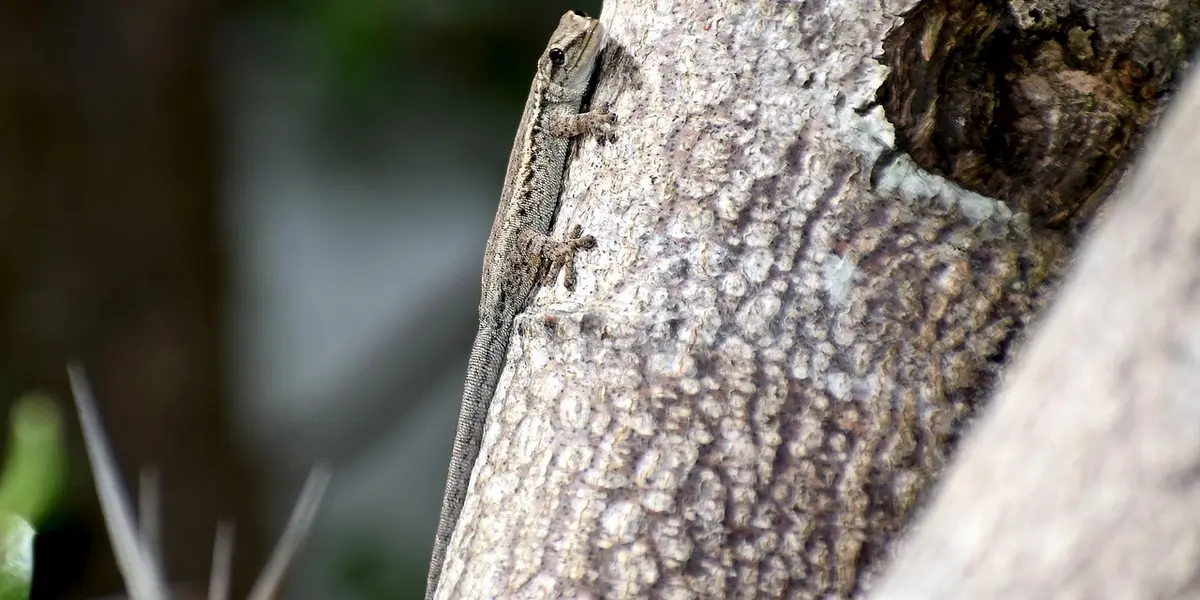
Feeding an insectivore is often the easiest path for a new gecko keeper. You don’t need to mix powders or find specialty fruit. Your main job is to become a master of the feeder insect, ensuring every bug you offer is a nutritious power-packed meal for your pet. I’ve found this process incredibly satisfying with my leopard gecko, Griffey, who eagerly awaits his dinner time.
Top Feeder Insect Choices
Not all bugs are created equal. Variety is key to a balanced diet, but these three are my reliable staples.
- Crickets: A great primary feeder. They stimulate hunting behavior and are good for hydration.
- Mealworms: A convenient, easy-to-keep option. They are higher in fat, so I use them as a regular part of the diet, not the whole diet.
- Dubia Roaches: My personal favorite. They are meaty, nutritious, and can’t climb smooth surfaces, making escapes unlikely.
How to “Gut-Load” and “Dust”
This two-step process is non-negotiable for animal welfare. It turns a simple bug into a complete gecko vitamin.
- Gut-Loading (24-48 hours before feeding): Feed your insects a nutritious diet. I use fresh vegetables like carrots, sweet potato, and leafy greens. A well-fed insect is the vehicle that delivers critical nutrients to your gecko.
- Dusting (Right before feeding): Lightly coat the insects in a calcium powder that contains Vitamin D3. I use a small plastic bag or deli cup, add a pinch of powder and the bugs, and give it a gentle shake. Vitamin D3 is essential for your gecko to properly use the calcium, preventing metabolic bone disease.
Live Prey Handling and Storage Tips
Managing a mini-critter colony is part of the deal. A little foresight makes it simple.
- Always use feeding tongs for aggressive eaters like my A-Rod. This prevents accidental nips to your fingers and lets you place food precisely.
- Store mealworms and roaches in a well-ventilated container with a bran or oat substrate. Keep them in a cool cupboard.
- For crickets, a tall, smooth-sided container is a must. Provide egg cartons for hiding and a piece of potato for food and moisture. Clean their enclosure frequently to prevent unpleasant odors and keep the insects healthy.
Omnivorous Geckos: Simplifying Mixed Diets
If you’re worried about balancing a complicated diet, you’re going to love caring for an omnivorous gecko. My Crested Gecko, Jeter, thrives on a complete powdered diet that I just mix with water. It takes the guesswork out of providing complete nutrition and is a huge time-saver for a busy household.
Commercial Gecko Diet Options and Preparation
The cornerstone of feeding an omnivorous gecko is a high-quality Commercial Gecko Diet (CGD) like Repashy or Pangea. These powders are scientifically formulated to be a complete meal.
- Repashy Crested Gecko Diet: A popular choice that comes in flavors like “Grubs ‘N’ Fruit.” My geckos go crazy for it.
- Pangea Gecko Diet: Offers a wide variety of flavors, including “Fig & Insects” and “With Insects.” I often rotate these to keep my geckos interested.
- Zoo Med Crested Gecko Diet: Another reliable option that’s widely available.
Preparation is foolproof. You simply mix one part powder with two parts warm water until it reaches a ketchup-like consistency. I use small condiment cups to serve it, which makes cleanup a breeze. Offer this fresh mix every other evening.
Alternatives: Fruit Puree and Occasional Insects
While CGD is complete, you can offer treats for variety and enrichment. My Giant Day Gecko, Babe, gets especially excited for these.
- Fruit Purees: Offer mashed banana, papaya, or mango as a rare treat. Always avoid citrus fruits, as they are too acidic for your gecko’s digestive system.
- Occasional Insects: A couple of small, gut-loaded crickets or dubia roaches once a week provides great mental stimulation. I see it as a form of environmental enrichment that taps into their natural hunting instincts.
Remember, these are supplements, not staples. The commercial diet should always make up the bulk of their nutrition.
Ensuring Nutritional Balance in 3 Easy Steps
Keeping your omnivorous gecko healthy doesn’t need to be complicated. I follow this simple routine with all my fruit-eating geckos.
- Staple Diet First: Always rely on a high-quality Commercial Gecko Diet as the primary food source. It’s designed to have the right calcium-to-phosphorus ratio and essential vitamins.
- Dust All Insects: Any insect you offer as a treat must be lightly dusted with a calcium supplement that contains Vitamin D3. This is non-negotiable for bone health.
- Rotate and Observe: Rotate between two different flavors or brands of CGD every few months to ensure a broad spectrum of nutrients. Watch your gecko’s energy levels and body condition-they’ll tell you if the diet is working.
This simple system has kept Jeter and my other omnivorous geckos in perfect health for years. A consistent, high-quality powdered diet is the single best thing you can provide for their long-term wellness.
Feeding Schedules by Species and Age
Getting the timing right is just as important as the food itself. Young geckos are like growing teenagers, needing frequent meals to support their rapid development, while adults require a more maintenance-focused schedule to stay healthy. A consistent routine reduces stress and makes your gecko a more confident eater.
Juveniles vs. Adults: The Growth Factor
Think of a baby gecko’s metabolism as a tiny, high-revving engine. My juvenile leopard gecko, Griffey, needed to eat every single day to fuel his growth spurts. Juveniles (under one year) typically need daily feeding because they are building bone, muscle, and fat reserves. An adult gecko’s engine idles a bit lower. They have finished their major growth and are simply maintaining their condition. Overfeeding an adult is a fast track to obesity and associated health problems, so we scale back the frequency.
Sample Schedules for Popular Pet Geckos
Here is a straightforward breakdown based on my own crew’s routines and widely accepted care standards.
Leopard Geckos
- Juveniles (0-12 months): Offer a small portion of appropriately-sized insects every day. I found a shallow dish with 6-8 small crickets or dubia roaches worked perfectly for Griffey.
- Adults (12+ months): Feed 2-3 times per week. A good meal for my adult consists of 6-8 large crickets or the equivalent. Always dust insects with calcium and vitamins.
Crested Geckos
- Juveniles (0-12 months): Provide a fresh dish of Crested Gecko Diet (CGD) powder mixed with water daily. You can also offer small, gut-loaded insects 2-3 times a week as a supplement.
- Adults (12+ months): Offer CGD every other day. Insects can be a treat offered once a week. My gecko Jeter goes crazy for a couple of crickets on a Saturday night.
African Fat-Tailed Geckos
- Juveniles (0-12 months): Similar to leopard geckos, feed daily with a variety of small insects.
- Adults (12+ months): Feed 2-3 times per week. My A-Rod is a bit less active, so I stick to two larger meals a week to keep his weight in check.
The Importance of Consistency and Monitoring
A predictable schedule makes your gecko feel secure. I feed my geckos around the same time in the evening, as this aligns with their natural crepuscular activity cycles. For leopard geckos, the best time to feed is typically in the early evening when they are most active. Keeping meals at a consistent post-dusk window helps trigger hunting behavior and digestion. But the schedule is just a starting point. You must watch your gecko’s body condition. If their tail is getting skinny, increase the frequency or portion size. If they are getting round, cut back. Your eyes and a simple kitchen scale are the best tools for adjusting any feeding plan. A healthy feeding routine is a dynamic conversation with your pet, not a rigid set of rules.
Essential Supplements and Hydration Practices

Proper nutrition goes far beyond just the insects you drop in the tank. Without the right supplements, even the most voracious eater can develop serious health issues like Metabolic Bone Disease (MBD), which I’ve sadly seen in rescues. It’s a heartbreaking and preventable condition.
Getting the Calcium and Vitamin D3 Balance Right
Think of calcium as the bricks for building strong bones, and Vitamin D3 as the construction workers that put those bricks in place. Your gecko needs both. Leopard geckos often need calcium with vitamin D3 supplements to stay bone-healthy, especially if their UVB exposure is limited. If in doubt, consult a reptile veterinarian for proper dosage.
- Pure Calcium Powder (No D3): I keep a small dish of this in the enclosures for my Leopard and Fat-Tailed geckos. They will lick from it as their bodies need it. It’s a fantastic self-regulating system.
- Calcium Powder WITH D3: This is your staple dusting powder. You lightly coat your gecko’s feeder insects with this before every feeding. The D3 is crucial for geckos without access to strong, direct UVB lighting, as it allows them to absorb the calcium.
- Multivitamin Powder: Once or twice a week, I swap out the calcium+D3 for a high-quality multivitamin. This covers all the other essential nutrients for overall health and brilliant coloration.
Hydration: More Than Just a Water Bowl
Dehydration is a silent threat. I always check for bright, plump eyes and a thick, fleshy tail as my go-to signs of a well-hydrated gecko. Here’s how I keep my crew happily hydrated.
- Misting: For my Crested and Gargoyle geckos, I mist the terrarium glass and leaves heavily in the evening. They don’t often drink from a bowl; they lap up the droplets, which mimics rain in their natural habitat.
- Water Dishes: My terrestrial geckos, like Griffey (my Leopard), always have a shallow, sturdy water dish filled with fresh water. I change it daily without fail, as they tend to track substrate through it.
- Diet Moisture: This is a secret weapon. Feeding insects like hornworms or gut-loading your crickets with water-rich veggies like cucumber provides a huge hydration boost from the inside out. My Day Gecko, Babe, gets most of his water from the Crested Gecko diet he eats, which is naturally hydrating.
My Personal Supplement Routine
My routine is simple but non-negotiable. I have two little containers by my insect bin: one with calcium+D3 and one with multivitamin.
- For most of my geckos, I dust feeders with calcium+D3 at almost every meal.
- One or two meals per week, I use the multivitamin powder instead.
- For my geckos that eat prepared diets (like my Crested and Gargoyle), the powder is mixed right into their food, so supplementation is built-in.
This consistent, simple system has kept all of my geckos-from the energetic Mookie to the meticulous A-Rod-in fantastic health for years. It becomes second nature, just part of the feeding rhythm.
Common Feeding Challenges and Simple Solutions
Even the most enthusiastic gecko can suddenly become a picky eater. I’ve stared into many a food dish, worried when one of my crew decides to go on a hunger strike. This is a common phase, and it’s rarely a sign of a major problem if your husbandry is correct. The key is to understand the ‘why’ behind the refusal.
Troubleshooting the Picky Eater
When a gecko refuses food, your first step is always to check your setup. Is the temperature gradient perfect? Is the habitat clean and stress-free? Once you’re sure the environment is ideal, you can look at the food itself.
- Try a Different Feeder Insect: If your gecko is bored of crickets, offer dubia roaches or black soldier fly larvae. My Leopard Gecko, Griffey, will ignore mealworms for a week but pounces the second a roach scurries by.
- Enhance the “Wiggle Factor”: For insectivores, movement is everything. Use feeding tongs to make the prey dance. A little jiggle can trigger a strong feeding response in a disinterested gecko.
- Check the Time of Day: Nocturnal species like Leopard and Fat-Tailed geckos prefer to eat in the evening. Trying to feed them at noon is like offering someone breakfast at midnight.
Species-Specific Fixes That Work
Each type of gecko has its own quirks, and feeding is no exception. What works for one may not work for another.
Crested and Gargoyle Geckos (Like Jeter and Mookie)
These guys live on a powdered fruit mix diet, which is wonderfully simple. The main challenge? Getting them to recognize the paste as food.
- Smear it on their Nose: Gently dab a tiny bit of the fruit mix on their mouth. They’ll lick it off and usually realize, “Hey, this is delicious!” I did this with Jeter when he was young, and he’s been a perfect eater ever since.
- Adjust the Consistency: Some prefer it thicker, some more watery. Experiment to find your gecko’s preferred texture.
Leopard and Fat-Tailed Geckos (Like Griffey and A-Rod)
These insectivores can be stubborn. A-Rod, my Fat-Tail, will sometimes fast for a week or two, especially before a shed. It’s his normal rhythm.
- Gut-Load and Diversify: Don’t just feed the same insect. A varied diet of gut-loaded crickets, roaches, and occasional treats like waxworms is more enticing and nutritious.
- Respect Their Space: A-Rod is territorial. I place his food in a specific dish and leave the room. He eats when he feels there’s no one watching.
Giant Day Geckos (Like Babe)
Babe is a food-motivated speedster. The challenge isn’t getting him to eat, but making sure he doesn’t steal all the food from his slower-moving tank mates if housed in a community (which I don’t recommend for beginners!).
- Use Multiple Feeding Stations: This prevents bullying and ensures every gecko gets their share.
- Offer Fresh Fruit: They enjoy licking mashed fruit like apricot or banana, which provides enrichment and variety.
A Patient, Welfare-Focused Mindset
Your gecko’s well-being is the ultimate goal. Never force-feed a gecko unless specifically instructed by a reptile veterinarian. This can cause immense stress and physical harm.
Healthy adult geckos can go off food for surprisingly long periods. My focus is always on their overall condition, not just a single missed meal. Is their tail plump? Are they active and alert? Are their eyes bright? If the answer is yes, then patience is your best tool. Trust your gecko’s instincts, observe their behavior closely, and always prioritize a low-stress environment over a full belly at every single meal.
FAQs
How much does it typically cost to feed a gecko per month?
Costs vary by species, but insectivores may spend $10-$20 on live feeders, while omnivores on powdered diets often cost $5-$15 monthly.
Is it safe to handle my gecko right after feeding?
It’s best to avoid handling for at least an hour after feeding to prevent stress and potential regurgitation.
Do gecko dietary needs change with the seasons?
Some species may eat less during cooler months, but consistent feeding with adjusted portions based on activity level is key.
The Final Scoop on Gecko Diets
When choosing your new pet, remember that the easiest geckos to feed are those with the simplest, most commercially available diets. Crested and Gargoyle Geckos thrive on a complete powdered diet you just mix with water, while Leopard and African Fat-Tailed Geckos do wonderfully on a straightforward menu of live insects like crickets and mealworms. This simplicity removes a huge layer of stress and guesswork from your daily routine. Understanding what to feed them is key.
Your commitment to understanding their specific needs is the single most important factor in your gecko’s long-term health and happiness. A proper diet is the foundation of excellent welfare, so always stay curious, keep learning, and never hesitate to reach out to a community or a reptile-savvy vet with questions. Your scaly friend is counting on you.
Further Reading & Sources
- What Do Geckos Eat? A RodentPro Guide to Gecko Diets
- What Do Geckos Eat? 12 Foods in Their Diet – A-Z Animals
- Leopard Geckos: Care and Feeding | VCA Animal Hospitals
The Gecko Guide is your ultimate resource for gecko enthusiasts, providing expert advice and practical tips to ensure the health and happiness of your scaly companions. Alexander is a passionate gecko owner with over a decade of experience in reptile care. We are dedicated to offering accurate, up-to-date information to support your gecko journey.Our mission is to foster a community of responsible gecko owners who are passionate about the well-being of these fascinating creatures.
Gecko Nutrition & Feeding