
Leopard Gecko Diet and Feeding Guide
Published on: December 11, 2025 | Last Updated: December 11, 2025
Written By: Alexander 'Gecko Geek' Johnson
Feeding your leopard gecko can feel confusing, with endless questions about what’s safe, what’s healthy, and how to get it right. You’re not alone in worrying about providing the perfect diet for your scaly friend.
I’ve raised my leopard gecko, Griffey, for years, and I’m here to help you cut through the noise. This guide will give you the straightforward, experience-based advice you need, focusing on three key takeaways:
- A complete list of safe, staple feeder insects and dangerous foods to avoid.
- A simple, age-based feeding schedule that promotes healthy growth and prevents obesity.
- The non-negotiable role of calcium and vitamin supplements for a thriving gecko.
By the end of this guide, you’ll have a crystal-clear, actionable feeding plan. We cover: staple feeder insects, dangerous foods to avoid, feeding schedules by age, essential supplements, hydration, and troubleshooting common feeding problems.
Understanding Leopard Gecko Dietary Basics
Leopard geckos are strict insectivores, meaning their bodies are built to process only insects and cannot digest plant matter like fruits or vegetables. In the wild, they hunt live prey at night, using their keen senses to stalk and pounce, which is why offering live insects is non-negotiable for their physical and mental health. Their diet must focus on three core nutrients: protein for growth and repair, calcium for strong bones, and fats for energy.
- Protein: Found in insects, it supports muscle development and overall vitality.
- Calcium: Critical for skeletal health; without it, geckos can develop serious issues.
- Fats: Provide energy, but balance is key to avoid obesity.
Are Leopard Geckos Insectivores or Omnivores?
Leopard geckos are exclusively insectivores, not omnivores, based on their digestive anatomy and scientific research. I learned this the hard way when I once offered a tiny piece of apple to my leopard gecko, Griffey-he sniffed it, turned away, and gave me a look that screamed, “Where are the bugs?” Their systems lack enzymes to break down plant fibers, so sticking to insects ensures they thrive without digestive upset.
Essential Nutrients for Health and Longevity
Key vitamins and minerals include calcium, vitamin D3, and phosphorus, which work together to prevent metabolic bone disease (MBD). MBD is a painful condition I’ve seen in rescue geckos, causing weak, bent bones from calcium shortages, so proper supplementation is a lifesaver. Aim for a calcium-to-phosphorus ratio of about 2:1 in their diet to support robust health and a long life.
- Calcium: Builds bone density; dust insects with calcium powder regularly.
- Vitamin D3: Helps absorb calcium; provide through UVB lighting or supplements.
- Phosphorus: Works with calcium; imbalance can lead to deficiencies.
Choosing the Best Feeder Insects
Selecting feeder insects involves comparing options like crickets, mealworms, and dubia roaches for nutrition and variety. Diversity in their diet mimics their natural eating habits in the wild, reducing the risk of nutritional gaps and keeping mealtime exciting. Below is a table to help you pick the right insects based on nutritional value and how often to feed them.
| Insect | Nutritional Value | Feeding Frequency |
|---|---|---|
| Crickets | High in protein, low in fat; encourages hunting activity | 2-3 times per week as a staple |
| Mealworms | Moderate protein, higher fat; easy to store | 1-2 times per week, mixed with other insects |
| Dubia Roaches | Excellent protein and calcium; low odor and escape risk | 2-4 times per week as a primary feeder |
| Waxworms | Very high in fat; use sparingly as a treat | Once every 1-2 weeks for variety |
Staple Insects: Crickets, Mealworms, and Dubia Roaches
These insects are reliable daily feeders because they offer balanced nutrition and are readily accepted by most geckos. I always keep a mix on hand-crickets get Griffey moving like a mini predator, while dubia roaches provide a nutrient boost without the fuss. For sourcing, buy from trusted breeders to avoid pesticides, and store them in ventilated containers with oats and veggies for gut-loading.
- Crickets: Stimulate natural hunting; gut-load with greens before feeding.
- Mealworms: Convenient for beginners; store in the fridge to slow growth.
- Dubia Roaches: Nutrient-dense and less likely to bite; ideal for regular use.
Treat Insects: Waxworms and Hornworms
Waxworms and hornworms are high-fat treats that should be used sparingly to prevent health issues like obesity. My gecko Griffey once went on a waxworm binge and started refusing his staples-it was like dealing with a tiny, stubborn food critic until I cut back! Offer these only occasionally, as a reward or to entice picky eaters, but never as a main course.
Selecting the Right Prey Size
Use the “space between the eyes” rule to ensure prey is safe and easy to swallow. This simple guideline prevents choking and digestive blockages, which I check every time I feed my geckos to keep them healthy and stress-free. Follow these steps to measure and test prey size effectively.
- Observe your gecko’s head and note the distance between its eyes.
- Choose insects that are no wider than this space.
- Test with one insect first; if it goes down smoothly, it’s the right size.
Feeding Schedules by Age and Life Stage
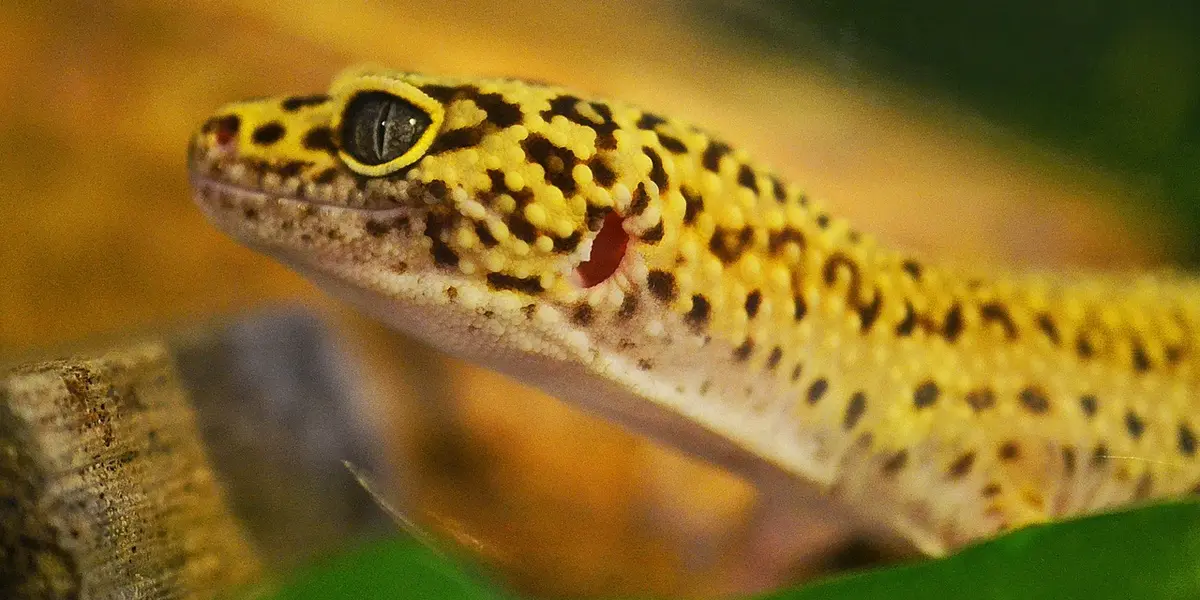
Getting the feeding frequency right is one of the most common questions I get from new owners. Your gecko’s age is the single biggest factor in determining how often you should offer food. I’ve fine-tuned this schedule over years with my own crew, from a hyper-growing Griffey to my more sedentary, mature Babe. This is where the idea of a perfect feeding schedule comes into play for juvenile vs adult geckos. Juveniles typically need more frequent meals, while adults do best with a steady, lower-frequency plan tailored to their activity level and health.
Here is a simple reference guide to get you started.
- Juveniles (0-12 months): Feed daily.
- Adults (1-7 years): Feed every other day or every 2-3 days.
- Seniors (7+ years): Feed 1-2 times per week, monitoring weight closely.
Appetite isn’t always constant. It’s completely normal for your gecko’s hunger to dip during the cooler winter months or right before they shed their skin. My gecko Jeter often ignores food for a day or two when his color gets dull before a molt. Don’t panic. Just remove any uneaten insects and offer a fresh meal after they’ve finished shedding.
Juvenile Leopard Gecko Feeding Guide
Juveniles are little eating machines fueled by rapid growth. I fed my leopard gecko, Griffey, every single day when he was young to support his development. Their diet should be almost exclusively high-protein, gut-loaded insects.
- Frequency: Offer a small number of appropriately-sized insects daily.
- Portion Size: Feed as many insects as they will eagerly eat in a 10-15 minute period.
- A good starting point is 4-8 small crickets or dubia roach nymphs per feeding.
You must monitor their body condition. You’re aiming for a plump tail and a well-rounded body, not a bulging belly. Adjust portion sizes up or down if your gecko seems too thin or is leaving uneaten prey.
Adult Leopard Gecko Feeding Guide
Once your gecko reaches adulthood, their metabolism slows down. Feeding an adult the same as a juvenile is a fast track to an overweight, unhealthy pet. I switched Griffey to an every-other-day schedule once he hit one year old, and it kept him in perfect shape.
- Frequency: Feed every 2-3 days. This is the sweet spot for most adults.
- Portion Size: Offer 6-10 appropriately-sized insects per feeding session.
You must adjust this schedule based on your individual gecko’s activity level and weight. Knowing how often to feed your crested gecko is a core part of keeping them healthy. A very active gecko might need food every two days, while a calmer one might only need it every three. If the base of their tail starts looking skinnier than their neck, feed more often. If their belly starts sagging, feed less.
Gut-Loading and Supplement Strategies
Gut-loading feeder insects transforms them from empty snacks into nutrient-packed meals for your leopard gecko. When I began gut-loading for Griffey, his energy levels soared, and his vibrant colors deepened noticeably. This process feeds the insects high-quality foods, which then pass essential vitamins and minerals to your gecko during digestion.
- Carrots: Rich in beta-carotene, supporting eye health.
- Leafy greens like collard greens or dandelion greens: Provide calcium and fiber.
- Sweet potatoes: Offer vitamins A and C for immune function.
- Apples (without seeds): Add natural sugars and hydration.
- Commercial gut-load formulas: Ensure balanced nutrition if you are short on time.
Supplementing with calcium and vitamin powders prevents common issues like metabolic bone disease. I dust Griffey’s crickets with calcium powder at every feeding and add a multivitamin once a week to keep him thriving. Always choose supplements designed for reptiles to avoid harmful additives.
How to Gut-Load Feeder Insects Properly
Proper gut-loading takes just a little planning but makes a huge difference in your gecko’s health. I prepare my insects 24 to 48 hours before feeding to maximize nutrient absorption. Follow these steps for best results:
- Place feeder insects in a clean container with ventilation.
- Add fresh, chopped gut-load foods like carrots or leafy greens.
- Remove any uneaten food after 12 hours to prevent mold.
- Keep the container at room temperature to encourage eating.
- Offer the gut-loaded insects to your gecko within two days for peak freshness.
My favorite affordable recipe mixes grated carrots, chopped kale, and a sprinkle of commercial gut-load powder. This combo is easy to make and keeps my insects-and Griffey-happy and healthy.
Using Calcium and Vitamin D3 Supplements
Dusting insects with supplements ensures your leopard gecko gets crucial minerals for strong bones and overall wellness. I use a small plastic bag or container to lightly coat feeders, shaking until they look like they have a fine, powdered sugar dusting. Aim for a frequency of calcium with D3 at most feedings if no UVB light is used, and plain calcium occasionally if UVB is present.
Calcium with D3 is vital for geckos without access to UVB lighting, as it aids in calcium absorption. In setups with UVB bulbs, like the one I use for Griffey, opt for calcium without D3 to prevent overdose, since UVB helps them produce D3 naturally. Rotate supplements based on your lighting setup to mimic their natural nutrient intake.
Hydration and Feeding Environment Tips
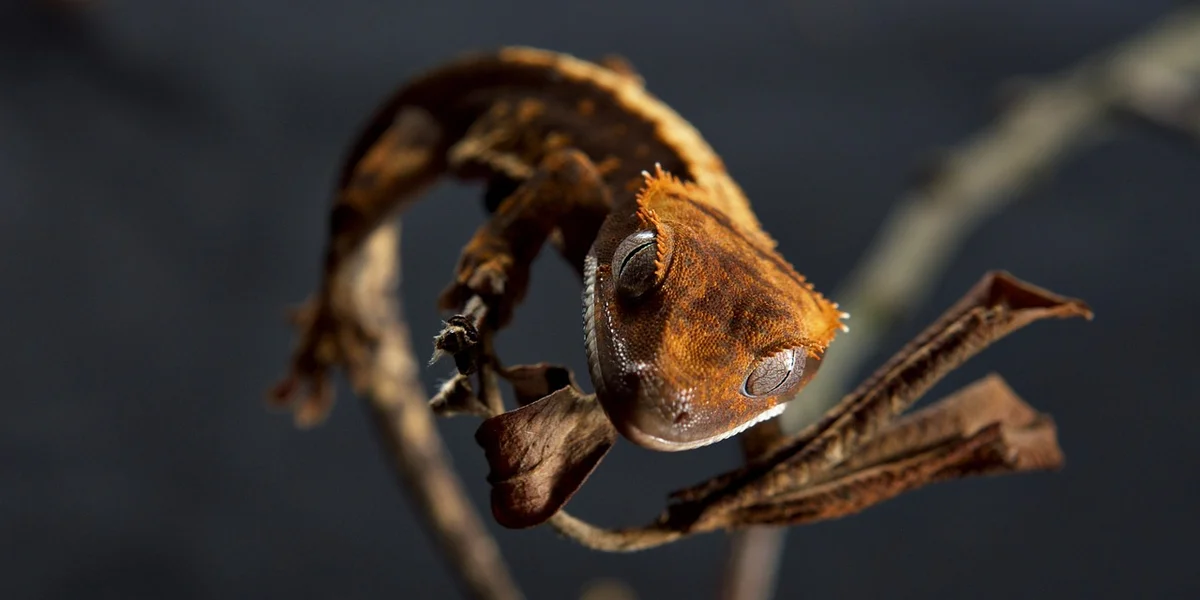
Your leopard gecko’s health is directly tied to its environment, and getting the hydration right is a non-negotiable part of care. A clean water dish and proper humidity levels are as critical to their well-being as the insects you feed them. I learned this the hard way when my gecko, Griffey, went off his food; the culprit was low humidity affecting his ability to shed properly.
- Always provide a shallow, sturdy water dish that is too heavy to tip over.
- Mist the enclosure lightly, focusing on the moist hide, to aid in shedding.
- Place food in a smooth, escape-proof dish to prevent feeder insects from hiding and stressing your gecko.
Dehydration is a silent saboteur of your gecko’s health. Even mild dehydration can cause a noticeable loss of appetite and lead to serious impaction, where their digestive system gets blocked. A stressed gecko is a gecko that won’t eat, so a calm feeding setup is your best tool for success. To tell if your gecko is dehydrated, watch for signs like sunken eyes, a dry mouth, or skin that loses elasticity. If you notice these signs, increase hydration and consider consulting a vet.
Providing Fresh Water and Humidity
Fresh, clean water is the simplest and most effective health insurance you can provide. I make it a non-negotiable part of my daily routine to empty, rinse, and refill every water dish with fresh water. Stagnant water quickly grows bacteria that can make your pet sick.
- Change the water daily without fail.
- Use a shallow dish to prevent any risk of drowning, as leopard geckos are not strong swimmers.
- Mist the enclosure, especially the moist hide, once or twice a day when you see your gecko’s skin turning a dull, grayish color, indicating an impending shed.
Misting is your direct line to helping with perfect sheds. Proper humidity in their hide helps them peel off that old skin easily, preventing dangerous constriction on their toes and tail. A dehydrated gecko cannot shed properly, which creates a painful and stressful cycle. Keeping humidity steady creates the perfect habitat for easy gecko shedding. When humidity is right, shedding is smoother and less stressful for your pet.
Avoiding Common Feeding Mistakes
I’ve made more than a few feeding blunders with my own geckos over the years. Learning from these slip-ups is what transforms a nervous new owner into a confident gecko caretaker.
- Overfeeding: It’s tempting to give them more because they look so eager! This quickly leads to an obese gecko with serious health problems.
- Poor Prey Variety: Feeding only one type of insect, like crickets, is like you eating only potatoes. It creates nutritional gaps and picky eaters.
- Skipped Supplements: Forgetting the calcium or multivitamin dust is a huge error. In the wild, they get this from a vast diet; in captivity, it comes from you.
My leopard gecko, Griffey, went through a phase of being a terribly picky eater. I learned the hard way that offering only his favorite worm was making the problem worse, not better. The fix was patience and persistence, mixing in new insects until his palate expanded.
Watch for these signs of nutritional issues in your gecko:
- Sudden weight loss or a thin, bony tail.
- Lethargy and a lack of interest in food or exploring.
- Difficulty walking or a wobbly gait, which can indicate Metabolic Bone Disease (MBD).
- Refusing food for multiple feeding sessions in a row.
Overfeeding and Obesity Prevention
A chubby gecko might look cute, but it’s a major health risk. Preventing obesity is one of the kindest things you can do for your pet’s long-term well-being.
The tail is your best visual guide. A healthy leopard gecko tail should be nicely plump, but not wider than the space between its shoulders. If the tail is wider than its head or body, it’s time to cut back on the portions.
If your gecko is starting to look a bit rotund, adjust their diet immediately. Common gecko feeding problems, such as obesity or picky eating, can often be solved with these adjustments.
- Reduce the number of insects per feeding.
- Increase the time between feedings (e.g., switch from every day to every other day).
- Incorporate lower-fat feeders like crickets or dubia roaches instead of waxworms.
- Encourage movement by placing food in different areas of the enclosure.
Ignoring Prey Diversity and Supplement Needs
A monotonous diet is a recipe for trouble. Rotating your insect feeders is the single best way to ensure a balanced intake of nutrients and keep your gecko engaged.
I maintain a simple rotation between crickets, dubia roaches, and the occasional treat like a hornworm. This variety prevents my geckos from becoming addicted to one type of insect and refusing all others.
Supplements are not a suggestion; they are a requirement for a captive gecko’s survival. Leopard geckos in captivity often rely on calcium with D3 supplements due to limited UVB exposure.
- Calcium with D3 should be used for most feedings.
- A quality multivitamin is crucial for overall health and should be used once or twice a week.
- Plain calcium without D3 can be left in a small dish in the enclosure for them to self-regulate.
Think of dusting your insects as non-negotiable insurance for your gecko’s skeletal and immune system health. Skipping it is a gamble you never want to take.
FAQs
Can I feed my leopard gecko frozen or dead insects?
No, leopard geckos require live prey to stimulate their natural hunting behavior and ensure safe digestion.
How can I encourage a picky leopard gecko to eat new foods?
Gradually introduce new insects by mixing them with established staples and offer them consistently over time.
Is it safe to collect insects from my garden to feed my leopard gecko?
No, wild-caught insects may contain pesticides, parasites, or toxins that pose serious health risks to your gecko. For more information on what to avoid, check out Safe vs toxic insects: never feed your gecko anything wild or unknown—stick to reputable, farm-raised options.
Your Blueprint for a Healthy, Happy Gecko
To keep your leopard gecko thriving, remember the core formula: a variety of appropriately-sized, gut-loaded insects, a reliable calcium and vitamin supplement routine, and constant access to fresh water. Stick to a feeding schedule that matches their age, and always watch how they eat-their appetite is a direct window into their well-being.
The health of your scaly friend is a direct reflection of the care and knowledge you provide. I encourage you to view pet ownership as a journey of lifelong learning; stay curious, connect with other gecko enthusiasts, and always strive to give your pet the best life possible.
Further Reading & Sources
- Leopard Gecko Feeding Info | Leopard Gecko Care
- Leopard Gecko Complete Food Guide – Zen Habitats
- Leopard Geckos: Care and Feeding | VCA Animal Hospitals
The Gecko Guide is your ultimate resource for gecko enthusiasts, providing expert advice and practical tips to ensure the health and happiness of your scaly companions. Alexander is a passionate gecko owner with over a decade of experience in reptile care. We are dedicated to offering accurate, up-to-date information to support your gecko journey.Our mission is to foster a community of responsible gecko owners who are passionate about the well-being of these fascinating creatures.
Gecko Nutrition & Feeding