
Gecko Lifespan Comparison: How Long Do Different Species Live?
Published on: December 20, 2025 | Last Updated: December 20, 2025
Written By: Alexander 'Gecko Geek' Johnson
You’re probably wondering how long your scaly friend will be with you, and the answer varies dramatically depending on which species is scurrying around your terrarium. It’s a question that sits with every responsible owner, and getting it right is a huge part of our long-term commitment to their care.
I’ve shared my home with everything from a speedy Gargoyle Gecko to a stately Giant Day Gecko, and I’m here to help you understand what to expect. We’ll break down the key factors that determine a gecko’s lifespan so you can plan for a long, healthy life together.
- The surprising range of lifespans across five popular pet gecko species.
- Actionable care tips proven to add healthy years to your gecko’s life.
- How to spot the signs of a thriving gecko at any age.
By the end of this guide, you’ll have a crystal-clear picture of your gecko’s potential lifespan and the knowledge to help them reach it. We’re covering everything from the common Leopard Gecko to the vibrant Giant Day Gecko.
Leopard Gecko, Crested Gecko, African Fat-Tailed Gecko, Gargoyle Gecko, Giant Day Gecko
Popular Pet Gecko Species and Their Average Lifespans
Here is a quick reference table comparing the average captive lifespans of common pet gecko species. I have included morph examples from my own collection to give you a real-world perspective.
| Species | Average Captive Lifespan (Years) | Personal Morph Example |
|---|---|---|
| Leopard Gecko | 15-20 | Griffey (High Yellow) |
| Crested Gecko | 15-20 | Jeter (Flame) |
| Tokay Gecko | 10-20 | Not in my collection |
| Gargoyle Gecko | 15-20 | Mookie (Red Blotch) |
| Giant Day Gecko | 8-15 | Babe (Normal) |
| African Fat-Tailed Gecko | 10-20 | A-Rod (Bold Stripe) |
Leopard Gecko Lifespan
Leopard geckos typically live 15 to 20 years in captivity with proper care. Their hardy nature makes them a great choice for beginners, but some morphs can have hidden health issues. I watch Griffey, my High Yellow, who is only 2 years old and already shows boundless energy-he explores every hide like a tiny adventurer. For more information on caring for young geckos and understanding their lifespan, check out The Gecko Guide’s age and lifespan guide.
Crested Gecko Lifespan
Crested geckos often reach 15 to 20 years, thanks to their low-maintenance needs. Their simple diet and habitat requirements contribute to a long, healthy life. My Flame morph, Jeter, is 3 years old and has a calm demeanor that makes handling a joy; he perches high like he owns the place. For a long-lived pet, this crested gecko lifespan care habitat guide covers enclosure setup, lighting, humidity, and feeding. It’s a practical resource to help you keep geckos thriving year after year.
Tokay Gecko Lifespan
Tokay geckos can live 10 to 20 years, but their feisty temperament requires experienced handling. Their longevity rivals other species, yet their bold nature means they might not suit every home. Unlike my more docile geckos, Tokays need patience to thrive in captivity.
Gargoyle Gecko Lifespan
Gargoyle geckos share a similar 15- to 20-year lifespan with crested geckos. Their playful antics and climbing skills keep them active and healthy. My Red Blotch, Mookie, is 1.5 years old and leaps between branches with such speed it reminds me of a gymnast in training. Cresteds, by contrast, grow quickly in their first year. They often reach near-adult size within 9-12 months and full maturity around 12-18 months, as detailed in the crested gecko growth timeline.
Day Gecko Lifespan
Giant day geckos usually live 8 to 15 years, thriving on bright light and a varied diet. Their vibrant colors and bold behavior make them a captivating pet, but they can be shy. Babe, my 5-year-old, is food-motivated and basks openly-his chubby tail shows he enjoys every meal.
African Fat-Tailed Gecko Lifespan
African fat-tailed geckos have a lifespan of 10 to 20 years, similar to leopard geckos. Their preference for humidity and hiding spots supports their well-being. A-Rod, my Bold Stripe at 4 years, is territorial and rearranges his décor; providing a stable environment helps him feel secure.
Why Captive Geckos Often Outlive Wild Ones
Captive geckos frequently live longer than their wild counterparts due to controlled conditions. In the wild, geckos face constant threats like predators and food shortages that cut their lives short. For example, a wild leopard gecko might only survive 5 to 10 years, while mine, like Griffey, could reach 20 with ease.
A steady, nutritious diet in captivity prevents malnutrition and obesity. I feed my geckos balanced meals that mimic their natural intake without the risks of toxins or parasites. This is something wild geckos struggle to find consistently. Regularly monitoring body condition and weighing your geckos helps manage healthy weight gain or loss in leopard geckos (Weight management in leopard geckos). Adjusting portions and feeding frequency based on these checks keeps them at an optimal, stable weight.
Predator-free environments reduce stress and injury. My terrariums are safe havens where geckos like Jeter can relax without fear. In contrast, wild geckos must always be on alert, which wears them down over time.
Access to veterinary care catches health issues early. Regular check-ups for my pets mean problems are treated before they become serious. Wild geckos have no such luxury and often succumb to diseases that go unchecked.
Key Factors That Directly Impact Gecko Longevity
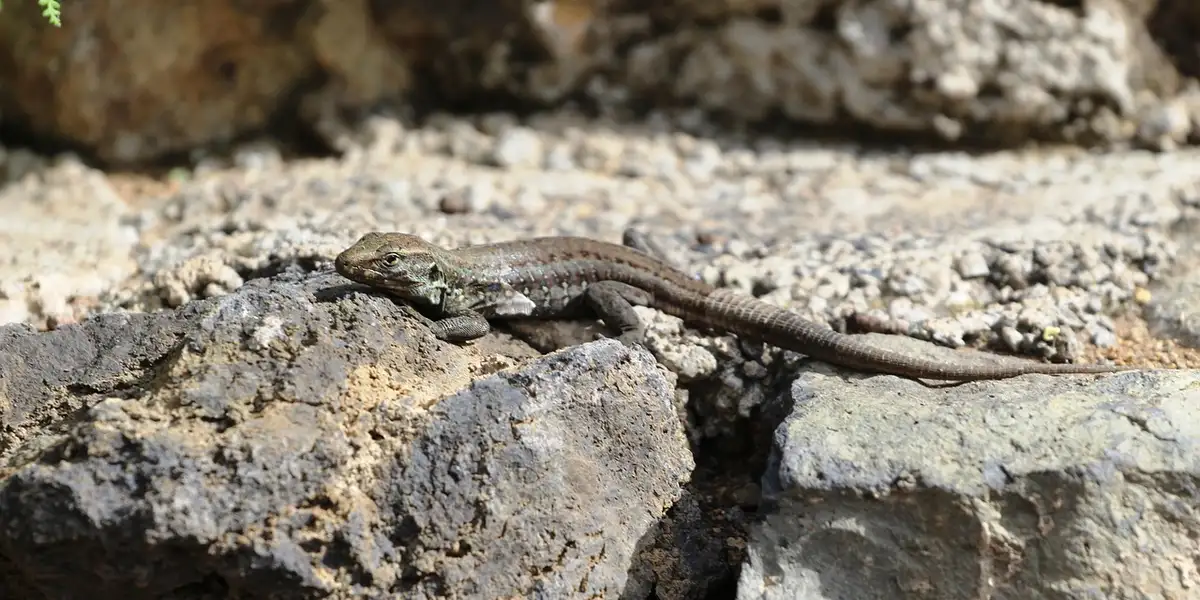
Your gecko’s lifespan isn’t just about genetics. I’ve seen firsthand how daily care choices can add or subtract years from a gecko’s life. My oldest, Babe the Giant Day Gecko, is a testament to getting the fundamentals right. A 20-year horizon is the reality of gecko care—it’s a long-term commitment. If you’re not ready to commit to two decades of gecko care, another pet may be a better fit.
- Consistent, Proper Nutrition: A poor diet is a slow killer. My first gecko ever had a shortened life because I didn’t understand supplementation.
- Stable, Species-Specific Environment: Fluctuating temperatures and humidity cause immense stress, weakening their immune systems over time.
- Minimized Chronic Stress: This is a silent lifespan shortener. Loud noises, improper handling, and cohabitation disputes take a real toll.
- Proactive Health Care: Waiting until your gecko looks sick often means it’s too late. Regular observation is your greatest tool.
Diet and Nutrition’s Role
Think of feeder insects as the delivery vehicle for nutrients. An insect alone is just empty calories; it’s what you put into the insect that builds a healthy gecko. I learned this the hard way with a gecko that developed metabolic bone disease.
- Essential Nutrients: Calcium is non-negotiable for bone health. Vitamin D3 is needed to absorb that calcium. They also need a variety of proteins and fats.
- Feeder Insect Variety: Don’t just use crickets! I rotate between gut-loaded crickets, dubia roaches, black soldier fly larvae, and occasional waxworms as a treat.
- Supplementation Schedule: I dust almost every insect feeding with a pure calcium powder. I use a calcium + D3 powder 2-3 times a week, and a multivitamin once a week.
- Consequences of Poor Diet: Inadequate calcium leads to MBD, causing soft, bendable bones and eventual paralysis. Obesity from a fatty insect-only diet strains their organs.
Habitat Setup and Environmental Conditions
Your gecko’s tank is their entire world. Getting the environment wrong is like forcing you to live in a sweaty, drafty, or cramped room your whole life-it will inevitably make you sick. My Crested Gecko, Jeter, thrived once I perfected his vertical space and humidity.
- Temperature Gradients: A warm side and a cool side are mandatory. This allows them to thermoregulate. For my Leopard Gecko Griffey, that’s 88-90°F on the warm end and 70-75°F on the cool end.
- Humidity Levels: This is species-specific. My Giant Day Gecko Babe needs 60-70%, while my African Fat-Tail A-Rod needs 50-60%. Incorrect humidity causes fatal shedding problems and respiratory infections.
- Enclosure Size: Bigger is almost always better. A 20-gallon long is the bare minimum for a single adult Leopard Gecko. My arboreal geckos like Jeter need more height than floor space.
- Preventing Stress: Proper hides and clutter make a gecko feel secure. A stressed gecko hides constantly, stops eating, and becomes susceptible to illness.
Behavioral Stress and Social Needs
Geckos are not social creatures in the way we think. Forcing a “friendship” between geckos is one of the fastest ways to create a life of misery and shorten their lifespan. I tried cohabitating two male geckos early on; one became dominant and the other stopped thriving.
- Handling: Know your gecko’s personality. My Leopard Gecko Griffey is curious and handles well. My Gargoyle Gecko Mookie is skittish, so I limit handling to avoid stress.
- Noise and Activity: Place the tank in a calm area. A room with a constantly blaring TV or slamming door will keep your gecko on perpetual high alert.
- Tank Mates: House geckos alone. Always. The rare exception is a very large, specially designed enclosure for a female-only group of certain species, but even that carries risk.
- Thriving in Calm: My African Fat-Tailed Gecko A-Rod, who prefers solitude, is his healthiest and most active when his environment is predictable and quiet.
Veterinary Care and Health Monitoring
Finding a vet before you have an emergency is one of the most responsible things you can do. Reptiles hide illness brilliantly; by the time symptoms are obvious to us, they are often critically ill. An annual check-up for Babe caught a minor issue early, saving us both a lot of stress.
- Signs of Common Illness:
- Lethargy and loss of appetite
- Stuck shed, especially on toes and tail tip
- Sunken eyes or a thin, pinched tail (signs of dehydration)
- Weight loss, visible spine or hip bones
- Wheezing, mucus around the nose or mouth (respiratory infection)
- Importance of Annual Check-Ups: A vet can do a fecal exam for parasites you can’t see and assess body condition. This establishes a health baseline.
- When to Seek Expert Help: If your gecko hasn’t eaten in over two weeks, has any sign of a respiratory infection, or has a visible injury, do not wait. Call your exotic vet immediately.
Proven Ways to Extend Your Gecko’s Lifespan
Based on my years caring for geckos like Griffey and Jeter, I’ve learned that small, consistent actions make a huge difference. Your daily care routine is the single biggest factor in how long your gecko will live. Follow these steps to give them their best shot at a long, healthy life.
- Perform weekly enclosure maintenance. I spot-clean waste daily and do a full substrate change monthly to prevent harmful bacteria. Griffey’s tank stays fresh, which keeps him active and disease-free.
- Rotate their diet variety. Don’t just feed crickets every time. I alternate between dubia roaches, black soldier fly larvae, and waxworms for my insect-eaters. This prevents nutritional gaps and keeps them interested in food.
- Reduce stress through smart handling. I limit handling sessions to 10-15 minutes and always support their whole body. Watch for signs of stress like tail dropping in crested geckos-it’s a clear signal to back off.
Optimizing Feeding Routines
Feeding mistakes are a fast track to health issues. Portion control is your best defense against obesity, a common killer in pet geckos. Learn to identify obesity signs in geckos early—like a thicker body or reduced activity. Then plan a gradual weight loss approach with measured portions and gentle exercise. My chunky day gecko Babe taught me this the hard way. Here’s what works for my crew.
Stick to a schedule. Juvenile geckos eat daily, while adults like my 4-year-old A-Rod eat every 2-3 days. I never leave live prey in the tank overnight—uneaten insects can bite or stress your gecko. To create a perfect feeding schedule, tailor meals to life stage—juveniles daily, adults every 2-3 days. This helps you track growth and keep both young and mature geckos healthy.
Gut-load all feeder insects for 24 hours before feeding. I use fresh veggies like carrots and commercial gut-load food. This packs your gecko’s meal with vitamins, not empty calories.
Creating a Low-Stress Habitat
Geckos thrive in predictable environments. Proper hide placement mimics their natural need for security and drastically cuts anxiety. My territorial A-Rod rearranges his hides if they’re wrong, so I’ve learned to set them up right the first time.
Place at least two hides-one on the warm side, one on the cool side. Add clutter like fake plants and branches. Jeter loves climbing, so his tall enclosure with multiple perches makes him feel safe and confident.
Use a consistent lighting cycle: 12 hours on, 12 hours off. This regulates their sleep and feeding rhythms. For substrates, I use paper towel for beginners or a soil-sand mix for advanced setups. Avoid loose bark or calcium sand-impaction risks are real and scary.
Implementing Regular Health Checks
Catching problems early saves lives. I do a quick health scan every time I handle my geckos, looking for clear eyes, smooth skin, and alert behavior. It takes 60 seconds but has spotted issues before they escalated.
Track weight monthly with a small kitchen scale. A sudden drop can signal illness. When I brought home new gecko Mookie, I quarantined him for 45 days in a separate room. This prevents spreading mites or infections to your existing pets.
Examine their mouth for stuck shed and check their vent for cleanliness. If anything seems off, I snap a photo and consult my reptile vet. Being proactive is the kindest thing you can do for your scaly friend.
Recognizing and Supporting an Aging Gecko
Watching your gecko grow old is a bittersweet part of the journey. Recognizing the subtle shifts in their behavior and physique allows you to become their most dedicated advocate. My Giant Day Gecko, Babe, used to zip around his enclosure with explosive energy. Now, at five years old, his movements are more deliberate and calculated, a clear sign of his senior status.
Common Signs of Aging
Older geckos communicate their changing needs through both their body and behavior. Gentle, consistent observation is your most powerful tool for providing comfort in their golden years. Look for these common indicators that your pet is entering a new life stage.
- Reduced Appetite: They may eat less frequently or show less enthusiasm during feeding time.
- Slower Shedding: The shedding process can take longer, and they might need more help with stuck shed, especially on their toes.
- Decreased Activity: You’ll notice less climbing, exploring, and general movement throughout the day and night.
- Weight loss or a slightly thinner tail, even with a consistent diet.
- Seeking out heat sources more often, possibly due to minor joint stiffness.
- Spending more time in their favorite hide and less time in open areas.
Adapting Care for Senior Geckos
Aging doesn’t have to mean a decline in quality of life. A few thoughtful adjustments to their routine and habitat can make their world much more comfortable and accessible. I’ve made several changes for Babe that have helped him thrive.
- Offer Softer Foods: For insect-eating species, consider gut-loaded and freshly molted insects which are easier to digest. For crested or gargoyle geckos, you can add a tiny bit more water to their powdered diet to create a smoother consistency.
- Ensure Easier Access: Lower food and water dishes so they don’t have to climb. Add more low-lying hides and ramps to replace difficult-to-scale vertical surfaces.
- Modify Handling: Keep handling sessions brief and always close to a soft surface. Support their entire body and avoid quick movements.
- Provide a slightly more humid hide to aid with those slower sheds.
- Double-check that your temperatures are perfectly consistent, as older geckos are less tolerant of fluctuations.
FAQs
How does UVB lighting affect a gecko’s lifespan?
UVB lighting helps certain gecko species synthesize vitamin D3 for calcium absorption, supporting bone health and potentially extending their lifespan. This connection is central to metabolic bone disease in geckos, which can arise from inadequate UVB exposure and improper calcium balance. Proper UVB exposure, along with a balanced diet and calcium supplementation, helps prevent MBD and maintain strong bones.
What are the signs of a well-hydrated gecko?
A well-hydrated gecko displays clear, bright eyes, elastic skin, and a full, plump tail without any signs of dehydration.
Can handling frequency influence my gecko’s stress levels and lifespan?
Frequent or improper handling can elevate stress, leading to health issues that may shorten your gecko’s lifespan, so adjust handling based on individual tolerance.
Your Gecko’s Lifespan Journey
Ultimately, the lifespan of your gecko is a direct reflection of the world you build for them. From the hardy 15-20 year Leopard Gecko to the vibrant 6-8 year Giant Day Gecko, your daily care decisions are the single biggest factor in their longevity. Matching the species to your long-term lifestyle is the most responsible first step you can take. Understanding their lifecycle milestones—from hatchling to adult—helps you tailor care at each stage. These milestones include molts, growth spurts, and the onset of reproductive maturity, guiding your daily decisions.
Owning a gecko is a commitment measured in decades, not years. Embrace this incredible journey by committing to continuous learning and always striving to provide a habitat that allows your unique pet to not just survive, but truly thrive. Their long, healthy life will be your greatest reward.
Further Reading & Sources
- Leopard Gecko Lifespan: In the Wild vs as a Pet (Compared)
- r/leopardgeckos on Reddit: How long do they live?
- Gecko Lifespan: How Long Do Geckos Live? – A-Z Animals
The Gecko Guide is your ultimate resource for gecko enthusiasts, providing expert advice and practical tips to ensure the health and happiness of your scaly companions. Alexander is a passionate gecko owner with over a decade of experience in reptile care. We are dedicated to offering accurate, up-to-date information to support your gecko journey.Our mission is to foster a community of responsible gecko owners who are passionate about the well-being of these fascinating creatures.
Lifespan & Aging