
The 20-Year Commitment: Are You Truly Prepared for a Gecko’s Lifespan?
Published on: December 23, 2025 | Last Updated: December 23, 2025
Written By: Alexander 'Gecko Geek' Johnson
So, you’re dreaming of a gecko but that two-decade lifespan has you sweating? I’ve been there – it’s a massive responsibility that hits home when you’re staring at a tiny creature who depends on you for life.
As a gecko owner with years of hands-on care for my crew – from Griffey’s energetic poses to Babe’s food-driven antics – I’ll help you grasp what this long-term bond really entails. You’ll walk away with a honest look at the daily realities, not just the cute moments.
- Unpack the daily care routines that evolve over 20 years, from hatchling to senior.
- Spot common pitfalls new owners face and how to avoid them for your gecko’s welfare.
- Plan for the financial and emotional investment to keep your pet thriving decade after decade.
I’ll give you straight-talking advice that’s easy to follow, so you can make a confident choice. Key topics include: lifespan basics, habitat maintenance, diet shifts, health checks, cost breakdowns, and readiness assessment.
Understanding Gecko Longevity
How long do different gecko species live?
Gecko lifespans vary wildly by species, and many new owners are shocked by the decades-long commitment. My leopard gecko Griffey is only 2, but he could easily live 15-20 years with proper care. Crested geckos like my calm Jeter often reach 15-20 years, while African fat-tailed geckos such as A-Rod can hit 15-25 years. Gargoyle geckos like playful Mookie typically live 15-20 years, and giant day geckos like food-motivated Babe might surprise you with 15+ years. Always research your specific gecko’s potential lifespan before bringing one home. That kind of gecko lifespan comparison highlights just how long different species can live—from a few years to two decades or more. Understanding these differences helps prospective owners plan for a true long-term commitment.
- Leopard Geckos: 15-20 years
- Crested Geckos: 15-20 years
- African Fat-Tailed Geckos: 15-25 years
- Gargoyle Geckos: 15-20 years
- Giant Day Geckos: 15+ years
Life stages: from hatchling to senior
Geckos go through distinct life phases, each requiring tailored care. I’ve watched my geckos grow from tiny hatchlings to confident adults, and their needs shift dramatically over time. Understanding these stages helps you provide the best support throughout their lives.
Juvenile care specifics
Juvenile geckos are like energetic toddlers-they need extra attention to thrive. Feed juveniles daily with gut-loaded insects dusted in calcium to support rapid growth. I remember when Mookie was a hatchling; he ate like a champ but needed smaller, more frequent meals. Keep their enclosure simple to reduce stress, and handle them gently to build trust. Monitor their weight weekly to ensure they’re growing steadily.
- Offer small, nutrient-rich insects daily.
- Use a shallow water dish to prevent drowning risks.
- Provide multiple hiding spots for security.
Adult and senior gecko changes
As geckos age, their metabolism slows and activity levels drop. Senior geckos may develop arthritis or vision issues, so adjust their habitat for easier access to food and water. My older gecko Babe now prefers low climbing branches and softer substrates. Reduce feeding frequency for adults to every other day, and watch for signs of weight gain or loss. Regular vet check-ups become crucial to catch age-related problems early.
- Decrease insect feeding to 2-3 times per week for adults.
- Add ramps or lower perches for seniors with mobility issues.
- Check for cloudy eyes or labored breathing as aging indicators.
Daily and Long-Term Husbandry
Essential habitat setup for decades
Your gecko’s home must evolve with them over the years. Invest in a high-quality terrarium from the start to avoid costly replacements down the line. I learned this the hard way when Jeter outgrew his first enclosure in under a year. Proper setup prevents stress and health issues, making those decades together much smoother.
Terrarium size and upgrades over time
Start with a 10-gallon tank for juveniles, but plan to upgrade as they grow. Adult leopard geckos need at least a 20-gallon long tank, while arboreal species like cresteds require taller enclosures. These decisions reflect general gecko housing requirements, focusing on tank size and appropriate setup for each species. Tailoring the enclosure to species and behavior helps maintain comfort and health. For my geckos, I upgrade every few years to match their size and activity—A-Rod loves his spacious 30-gallon setup now. Always ensure the lid is secure to prevent escapes, especially with climbers like Mookie.
- Juveniles: 10-gallon tank
- Adults: 20-40 gallons depending on species
- Seniors: Maintain size but add accessibility features
Substrate, humidity, and temperature control
Consistent environment is non-negotiable for gecko health. Use paper towel or reptile carpet for juveniles to avoid impaction risks, then switch to bioactive substrates for adults if desired. Humidity levels must match your gecko’s species—cresteds need 50-70%, while leopard geckos thrive at 30-40%. I use digital hygrometers and thermostats to keep A-Rod’s tank perfectly balanced. Heat mats under one side create a warm basking spot of 88-92°F, with a cooler end around 75°F. Humidity and heating go hand in hand—the right heat gradient helps maintain stable humidity levels and supports digestion and shedding. Balancing both factors is essential when setting up a gecko enclosure.
- Temperature gradient: Warm side 88-92°F, cool side 75°F
- Humidity: Mist daily for tropical species, less for desert types
- Avoid loose substrates like sand for young geckos
Feeding and nutrition through life
Gecko diets must adapt to their age and health needs. I rotate between crickets, mealworms, and dubia roaches to keep my geckos interested and well-nourished. Proper supplementation prevents metabolic bone disease, a common issue in long-term captivity. Always gut-load insects with veggies before feeding to boost nutritional value. Using a variety of insects can further enhance their diet.
Insect diets and supplementation
Not all insects are created equal-variety is key to a balanced diet. Dust insects with calcium powder at every feeding for juveniles, and add a multivitamin once a week for adults. My gecko Griffey gobbles up calcium-dusted crickets like they’re candy. Avoid feeding wild-caught insects due to pesticide risks. For older geckos, offer softer prey like waxworms occasionally if they have dental issues.
- Gut-load insects with carrots or leafy greens for 24 hours
- Use calcium without D3 daily, with D3 twice a week
- Include multivitamins weekly to prevent deficiencies
Hydration and feeding schedules
Geckos can dehydrate quickly, especially in dry environments. Provide a shallow water dish and mist the enclosure daily for species that drink droplets from leaves. Geckos do drink water, usually from a dish or droplets on leaves, as detailed in this article on how to ensure they stay hydrated. Ensuring regular access to fresh water helps them stay hydrated. I watch Babe lap water from his dish after basking-it’s a simple joy. Feed juveniles daily, adults every 2-3 days, and seniors based on their appetite. Remove uneaten insects to prevent stress and contamination.
- Juveniles: Feed daily, mist enclosure 1-2 times
- Adults: Feed every other day, adjust based on weight
- Seniors: Monitor intake, offer softer foods if needed
Enrichment and handling for mental health
A bored gecko is an unhappy gecko-enrichment keeps their minds sharp over the years. I rotate hides and climbing structures monthly to spark curiosity and prevent lethargy. Mookie loves when I add new branches; he leaps around like he’s on an adventure. Handling should be calm and brief to build trust without causing stress.
Adding new hides and climbing structures
Change up the decor to simulate a dynamic environment. Use cork bark, PVC pipes, or commercial hides to create secure spots for resting and exploring. For my arboreal geckos, I add vertical elements like vines and ledges. Clean new items thoroughly before introducing them to avoid introducing pests. Rotate toys every few weeks to keep things fresh-Jeter always investigates new additions with quiet confidence.
- Provide at least 3 hides: warm, cool, and moist
- Add climbing branches or rocks for exercise
- Use non-toxic plants for visual barriers and humidity
Safe interaction techniques
Handling your gecko correctly strengthens your bond and reduces stress. Always approach from the side and support their entire body to make them feel secure. I let my geckos walk onto my hand voluntarily-A-Rod prefers this over being picked up. Limit handling to 10-15 minutes daily, and wash your hands before and after to prevent spreading germs. Watch for signs of stress like tail dropping or hissing, and back off if needed.
- Wash hands before handling to remove scents
- Support the body fully, especially the legs and tail
- Avoid handling during shedding or after feeding
Veterinary Care and Health Management
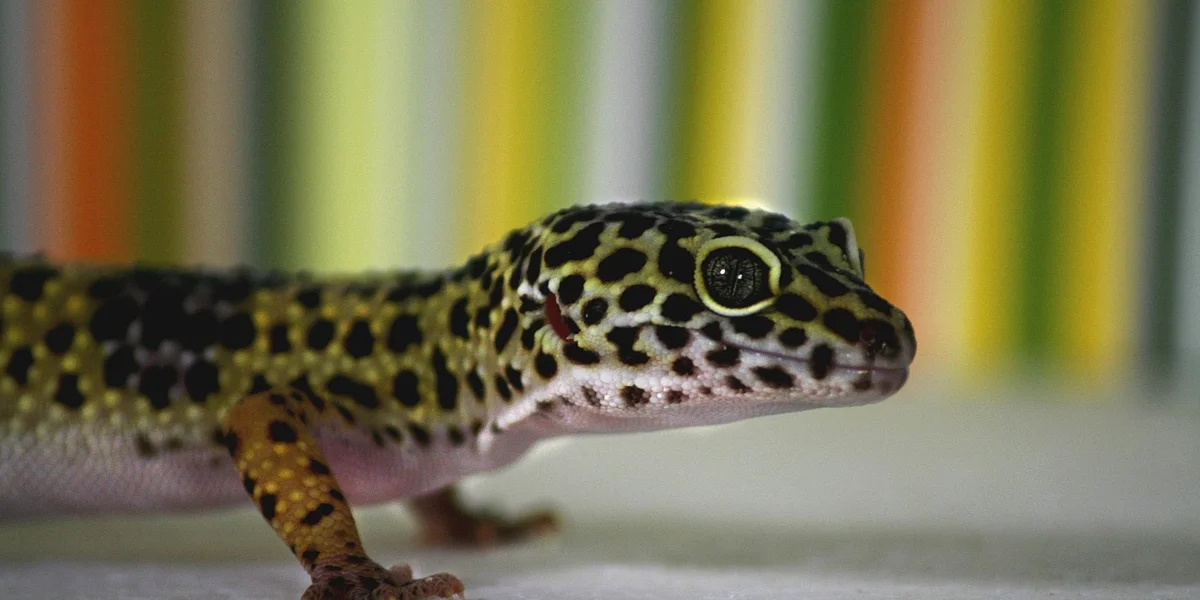
Owning a gecko is a marathon, not a sprint, and their health is the track you run on. Proactive, consistent veterinary care is the single most effective way to ensure your gecko lives out its full, impressive lifespan. I learned this the hard way with my first gecko, and I don’t want you to make the same mistakes.
Routine check-ups and preventive care
Think of these visits as your gecko’s annual performance review. They help catch small issues before they become big, expensive problems.
Finding a reptile-savvy vet
Not all vets are created equal when it comes to exotic pets. A cat-and-dog vet likely lacks the specific training for your scaly friend.
- Use the Association of Reptilian and Amphibian Veterinarians (ARAV) website to find a certified professional near you.
- Call ahead and ask pointed questions: “How many geckos do you see annually?” and “What is your experience with conditions like metabolic bone disease?”
- Build a relationship with your vet. I’ve been seeing the same reptile vet for eight years, and she knows my geckos’ histories by heart.
A good reptile vet is worth their weight in gold and will become your most trusted partner in your gecko’s long-term health.
Common health issues to monitor
Even with perfect care, geckos can develop problems. Catching them early is everything.
- Metabolic Bone Disease (MBD): A soft, rubbery jaw or difficulty walking are red flags. This is often caused by insufficient calcium or UVB light.
- Impaction: If your gecko stops pooping, it might be blocked. This is why I never use loose sand substrate-it’s just not worth the risk.
- Stomatitis (Mouth Rot): Look for pus or cheesy-looking material around the mouth. My crestie, Jeter, had a mild case once from a tiny scratch.
- Parasites: A sudden loss of appetite or unusual stools can signal an internal parasite, which is why annual fecal exams are so important.
Regularly weighing your gecko is a simple, free way to monitor their health; a sudden weight loss is often the first sign of trouble. If you notice sudden weight loss, worried owners should consult a reptile vet and follow a short diagnostic checklist to document appetite, hydration, stool, and enclosure conditions.
Emergency preparedness
Reptiles are masters at hiding illness until they are very, very sick. You must be their detective and their first responder.
Recognizing signs of illness
You need to know your gecko’s normal behavior to spot what’s abnormal.
- Lethargy or hiding more than usual
- Loss of appetite for more than two feedings
- Sunken eyes or a visibly thinner tail (their fat storage)
- Wheezing, bubbles in the nose, or breathing with an open mouth
- Difficulty shedding, leaving stuck skin, especially on toes
My personal rule is the 24-hour rule: if a symptom persists for a full day, it’s time to call the vet, not wait and see.
Budgeting for unexpected vet bills
Let’s be blunt: emergency vet care for exotics is expensive. An after-hours visit for an impaction can easily cost $500.
- Start a dedicated “Gecko Emergency Fund.” Even $20 a month adds up over time.
- Look into pet insurance providers that cover exotic pets. Do your research on coverage limits.
- Ask your vet about payment plans if a major issue arises.
Financially preparing for a health crisis is not pessimistic; it’s a fundamental part of responsible, long-term pet ownership. It’s the commitment you made.
Financial Planning for Gecko Ownership
Thinking about the cute gecko in the pet store is one thing. Planning for the two-decade financial reality of caring for it is an entirely different ballgame. I learned this quickly after bringing home Griffey and realizing my budget needed a major league adjustment.
Upfront costs: terrarium, lighting, supplies
Your initial shopping trip is a significant investment. This isn’t just a box with some sticks. You’re building a secure, healthy home.
- Terrarium: A proper 20-gallon long tank is the minimum for most terrestrial species. Expect to pay between $100-$250, especially for front-opening enclosures which are far easier to maintain.
- Heating & Lighting: This is non-negotiable for their health. A high-quality under-tank heater, thermostat (to prevent burns!), and appropriate lighting can easily run you $150-$300.
- Hides & Décor: At least two hides (one warm, one cool), a moist hide for shedding, and clutter like branches or fake plants are essential for their mental well-being. Budget another $50-$100.
- Substrate & Essentials: Safe substrate (I use paper towel for beginners), a shallow water dish, food bowls, and a digital thermometer/hygrometer round out the list. Add $30-$50.
Your total startup cost will realistically land between $330 and $700, and that’s before you even buy the gecko. I made the mistake of cheaping out on a thermostat once and nearly cooked my first gecko’s enclosure. Never again.
Ongoing expenses: food, substrate, utilities
The bills don’t stop after setup. This is the steady drip of ownership that lasts for years.
- Food: My crew of insectivores goes through hundreds of crickets, dubia roaches, and mealworms monthly. Gut-loading food and calcium supplements are a must. This costs me $30-$50 a month, per gecko.
- Substrate Replacement: Whether you use paper towel, tile, or a bioactive mix, it needs regular replacement or replenishment. This is a smaller, but consistent, cost of about $10-$20 monthly.
- Utility Bump: Don’t forget the electricity for those heaters and lights running 24/7. It’s not massive, but it’s a permanent addition to your power bill.
- Wear and Tear: Bulbs burn out, decorations break, and water dishes get funky. Having a small fund for replacements is wise.
The monthly cost of upkeep is deceptively manageable until you multiply it by 12 months and then by 20 years. It adds up to a significant sum that you must be prepared for.
Planning for vet care and emergencies
This is the part most new owners blissfully ignore. I did, until Jeter stopped eating and needed an emergency visit.
Exotic vets are specialists, and their fees reflect that. How much does a gecko vet visit cost? For a routine check-up, expect about $75-$150. If your gecko develops a common issue like impaction or metabolic bone disease, diagnostics and treatment can easily soar into the hundreds, even thousands, of dollars.
You absolutely need an emergency fund specifically for your pet. I recommend setting aside a minimum of $500, but $1,000 will let you sleep much more soundly. Start putting a little money away each month, just as you would for your own emergency fund.
Pet insurance options
Pet insurance for exotics is a newer but growing field. It can be a financial lifesaver.
Companies like Nationwide offer avian and exotic pet plans. They typically work on a reimbursement model after you pay an annual deductible. These plans are fantastic for catastrophic issues but may not cover routine check-ups.
Weigh the monthly premium against your ability to save for emergencies yourself. For some, the predictable monthly cost of insurance provides priceless peace of mind over two decades of ownership.
Self-Assessment: Are You Ready?

Before you bring home that adorable gecko, you need to have a brutally honest conversation with yourself. Owning a gecko is a marathon, not a sprint, and your current lifestyle needs to be compatible with that long-distance run. I learned this the hard way when my life got hectic and my routine care for Griffey slipped; he let me know with a distinct lack of enthusiasm for his food.
Lifestyle compatibility questions
Your daily habits and future plans are the foundation of good gecko care. Ask yourself these questions without sugarcoating the answers.
Time commitment for daily care
While geckos aren’t as demanding as a dog, they are not decorative items. The daily time commitment is small but non-negotiable, like brushing your teeth. My evening ritual with my crew takes about 15-20 minutes. Here is what you will be doing every single day:
- Spot cleaning waste from the enclosure.
- Checking and refilling fresh water.
- Offering food (insects for most species, a prepared diet for others like my crested gecko, Jeter).
- A quick visual health check to ensure everyone looks alert and normal.
Stability for long-term responsibility
Life happens, but a gecko’s needs remain constant. You must assess your ability to provide a stable environment for the next two decades. Think about potential major life changes and how a gecko fits in.
- Are you planning to move for college or a new job? Geckos and their setups are fragile and stressful to transport.
- Could your financial situation change? Consistent vet care and food costs add up.
- What about starting a family? You need to ensure you’ll still have the time and energy for proper care.
Resource availability check
Good intentions are not enough. You need tangible, accessible resources to back up your commitment to animal welfare.
Access to quality insects and vet care
You cannot rely on a single pet store for your gecko’s lifelong health. Finding a specialized exotic veterinarian is the single most important resource check you can do. Call around before you get the gecko. For food, ask yourself:
- Do I have a reliable source for live insects like crickets, dubia roaches, or mealworms?
- Am I prepared to store and “gut-load” these insects to make them nutritious?
- Is there an emergency vet clinic nearby that handles reptiles if something goes wrong on a weekend?
Space for proper enclosure setup
A tiny tank on a dorm desk is not a suitable forever home. Your gecko’s enclosure is its entire world, and that world needs to be spacious and enriching. My giant day gecko, Babe, demands a tall, planted terrarium, while my leopard gecko, Griffey, needs more floor space. You must have a dedicated spot for an enclosure that is:
- The correct adult size for your species (often much larger than a “starter kit”).
- Safe from direct sunlight, loud noises, and drafts.
- Placed where you can easily observe and interact with your pet daily.
FAQs
How do I choose the right gecko species for a beginner?
Leopard geckos and crested geckos are ideal for beginners due to their docile temperaments, straightforward habitat needs, and adaptability to handling. So, which is better for beginners—the crested gecko or the leopard gecko? In practice, leopard geckos are often deemed easier to start with, while crested geckos appeal for those willing to manage humidity and arboreal setup.
What should I do if my gecko drops its tail?
Immediately isolate the gecko in a clean, quiet enclosure to reduce stress, and consult a reptile veterinarian to prevent infection and support healthy regeneration. These calm handling practices and basic environmental fixes are among the most effective techniques for a stressed gecko. Implementing them alongside veterinary care supports a calmer, healthier recovery.
Can geckos be trained to interact with their owners?
Geckos can learn to associate their owner with positive experiences like feeding through consistent, gentle handling, which helps build trust over time. This understanding of gecko behavior and temperament is explored in this complete guide.
The Last Word on Your Gecko’s Long Life
Owning a gecko is a marathon, not a sprint, requiring you to be ready for two decades of habitat maintenance, specialized vet care, and consistent financial planning. Your commitment must cover their evolving needs from a speedy juvenile to a slower, senior reptile, ensuring their environment and diet adapt right along with them.
Embrace this long-term journey as a rewarding chance to become a true expert in your pet’s life. I encourage you to keep researching, connect with other dedicated owners, and always advocate for the highest standard of welfare, making sure your gecko doesn’t just survive, but truly thrives for all its years.
Further Reading & Sources
- Gecko Lifespan: How Long Do Geckos Live? – A-Z Animals
- r/geckos on Reddit: Common house gecko life span
- r/leopardgeckos on Reddit: How long do they live?
The Gecko Guide is your ultimate resource for gecko enthusiasts, providing expert advice and practical tips to ensure the health and happiness of your scaly companions. Alexander is a passionate gecko owner with over a decade of experience in reptile care. We are dedicated to offering accurate, up-to-date information to support your gecko journey.Our mission is to foster a community of responsible gecko owners who are passionate about the well-being of these fascinating creatures.
Lifespan & Aging