
How to Keep Your Gecko Safe from Air Conditioners and Vents
Published on: January 11, 2026 | Last Updated: January 11, 2026
Written By: Alexander 'Gecko Geek' Johnson
The thought of your curious gecko slipping into an air conditioner vent is a heart-stopping moment for any reptile owner. That tiny, dark opening is an irresistible mystery to them, but it leads to a dangerous maze of sharp metal, electrical components, and extreme temperatures.
I’ve faced this panic myself with my own crew-Griffey the leopard gecko is a master of finding trouble. Let’s tackle this problem together. In this guide, I will help you by covering these key points:
- Why your gecko is so determined to explore these spaces.
- Practical, pet-safe methods to block off vents and AC units.
- What to do immediately if your gecko does manage to get inside.
You will get clear, step-by-step advice that I use in my own reptile room. The topics we will cover are: understanding gecko escape behavior, immediate safety-proofing steps, safe handling techniques if an escape occurs, emergency retrieval protocols, and long-term habitat placement strategies.
Why Geckos Can’t Resist Air Conditioners and Vents
Geckos have instincts that make air conditioners and vents irresistible hiding spots. These areas mimic their natural habitats, offering warmth, darkness, and potential snacks that trigger their curiosity. From my own mishaps, I’ve seen Babe, my Giant Day Gecko, repeatedly sneak toward the AC unit because it feels like a tropical retreat to him. In the wild, geckos live in warm, sheltered places—deserts, forests, rocky outcrops, and scrublands. Understanding these wild habitats explains why they’re drawn to warm, hidden corners in our homes.
- Steady warmth from motors or ducts
- Humid microclimates that prevent dehydration
- Dark, cramped spaces for security
- Insects gathering near vents for easy meals
Warmth and Comfort Zones
Geckos depend on external heat to control their body temperature through thermoregulation. Air conditioners often have warm spots around vents or motors that feel like ideal basking zones to cold-blooded pets. This also raises the question of whether lighting temperature affects gecko behavior beyond direct heat sources. Do warm- or cool-toned lights alter when and where they choose to bask? My leopard gecko Griffey, for instance, will abandon his hide to lounge near a warm vent, much like he’s sunbathing under a heat lamp. Species like African Fat-Tailed Geckos, such as A-Rod, seek out consistent warmth, while crested geckos like Jeter prefer slightly cooler but stable areas.
Hiding and Security Instincts
In the wild, geckos hide in tight spaces to avoid predators, and vents replicate those safe crevices perfectly. My crested gecko Jeter always aims for high perches, but he’ll bolt into any dark hole if startled, showing how strong this instinct is. Common vent hiding spots include floor vents with gaps, loose wall ducts, and spaces behind the AC unit itself. I’ve found A-Rod rearranging décor near vents, as if scouting for new hideouts.
Food and Prey Opportunities
Air conditioners attract insects with moisture and warmth, turning vents into hunting grounds for geckos. Since most geckos are insectivores, a vent full of bugs is like a free buffet that’s hard to pass up. To cut down on this, I keep the area clean and use humane methods like sealing gaps or placing citrus peels to repel insects. After spotting Mookie, my gargoyle gecko, leaping after ants near a vent, I started regular checks to ensure no unwanted critters lure him in.
What to Do If Your Gecko Is Already Stuck in the AC or Vent
If your gecko has wandered into an AC or vent, stay calm and avoid panic. Gentle, patient approaches work best to prevent stress or injury, as I learned when rescuing Griffey from a tight spot behind a vent cover. Never use harmful methods like poking or spraying chemicals—always prioritize their safety. Calm, effective techniques help when a gecko is stressed. Simple environmental fixes—such as dimming lights, reducing noise, and ensuring a clear exit—can make the rescue safer and easier.
Safe Removal Techniques
- Assess the situation first: Check if the gecko is visible and not in immediate danger, and ensure the AC is turned off to avoid drafts or heat.
- Use a soft tool or your hand: Gently coax them out with a small paintbrush or your fingers, applying light pressure. I’ve nudged Babe out with a soft-bristled brush, mimicking how he responds to handling.
- Try a food lure: Offer their favorite treat, like mealworms for leopard geckos or fruit puree for cresteds. My gecko Mookie often follows a trail of mashed banana when he’s hesitant to move.
- Avoid force: Never pull or push, as geckos have fragile skin and limbs that can tear easily.
When to Seek Professional Help
If the gecko is deep in the system or shows signs of distress like lethargy or labored breathing, DIY methods might not be safe. Understanding gecko respiratory issues helps you recognize when distress signs require professional evaluation. Early signs like wheezing, mouth breathing, or rapid breathing warrant a vet or experienced handler’s advice. In those cases, contact a reptile vet or an HVAC expert familiar with humane removals to avoid harm. I once needed help when A-Rod got lodged in a complex duct—his territorial nature made it too risky for me to handle alone, and the pros had the right tools to free him gently.
Essential Gecko-Proofing for Vents and AC Units
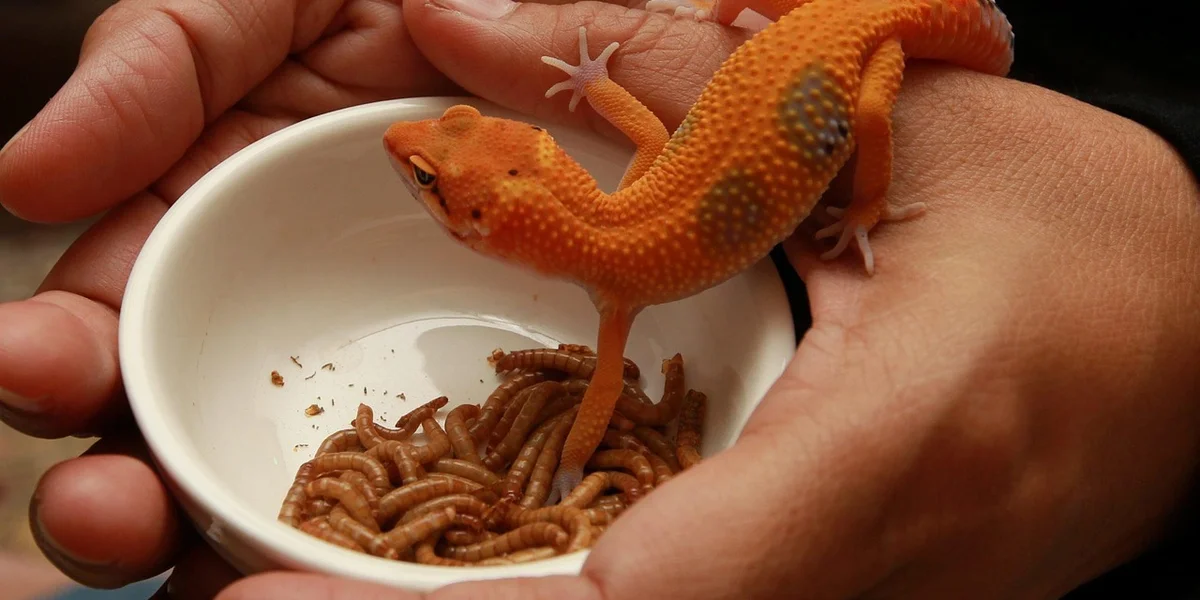
Keeping your gecko safe from vents and AC units starts with simple, effective barriers. I rely on a mix of sealing materials and mesh guards after my energetic leopard gecko Griffey once darted toward a floor vent during playtime. You can use store-bought items or craft your own solutions-both work well to block curious climbers.
Sealing Gaps and Cracks
Small openings are like open invitations for geckos, so seal them up tight. I prefer silicone caulk for its flexibility and non-toxic properties, which I used around my window AC after spotting my fat-tailed gecko A-Rod eyeing the gaps. Here’s how to tackle it in a few steps:
- Inspect all vents, windows, and baseboards for cracks wider than 1/8 inch.
- Clean the area with a damp cloth to remove dust.
- Apply caulk or adhesive weather stripping to fill gaps-smooth it with a finger for a tight seal.
- Add door sweeps to bottom gaps where geckos might slip through.
For exterior spots, like where pipes enter walls, use expanding foam to block entry points completely.
Installing Vent Guards and Mesh Screens
Vent guards act as a first line of defense, letting air flow while keeping geckos out. Choose mesh with openings smaller than 1/4 inch to stop even tiny geckos like my playful Mookie from squeezing through. I’ve fitted magnetic screens on my ceiling vents-they snap on easily and withstand climbing attempts. Metal mesh is durable and simple to cut to size, making it ideal for custom fits on floor registers or AC units.
Choosing the Right Vent Covers and Guards
Picking the best cover depends on your home’s layout and your gecko’s habits. In my setup, I balance durability and ease of cleaning, since my giant day gecko Babe loves to bask near vents and leave little messes. Consider how often you’ll remove the cover for maintenance and whether it can handle accidental bumps from your pet.
Store-Bought Options
Ready-made covers save time and offer reliable protection. Magnetic vent screens are my top pick for their no-tool installation and strong hold, perfect for homes with multiple geckos. Here’s a quick comparison of popular types:
- Plastic pet grates: Affordable and lightweight, but may crack if chewed-best for calm geckos like Jeter.
- Steel mesh guards: Tough and long-lasting, though they can rust in humid tanks; I use these in high-traffic areas.
- High-power aluminum screens: Lightweight and rust-resistant, ideal for AC units where airflow matters most.
DIY Solutions and Alternatives
If you’re on a budget, homemade covers can be just as effective. I crafted a vent guard from old window screen mesh and Velcro strips, which has kept my geckos safe for over a year without issues. Start by measuring your vent opening, then cut hardware cloth or fiberglass mesh to size. Secure it with strong adhesive or zip ties-this DIY approach lets you customize for odd-shaped vents and reuse materials you already have.
Long-Term Maintenance to Keep Geckos Away
Keeping your home gecko-safe isn’t a one-time fix—it’s a habit that protects your pet and gives you peace of mind. I’ve found that consistent maintenance not only prevents escapes but also mirrors the stable environment my geckos thrive in, like Babe’s love for his well-kept terrarium. By tying these routines to their overall welfare, you’re showing you care in every corner of their world. That mindset also extends to household hazards—keep cords secured, cleaners out of reach, and small items away from the terrarium. Here are practical tips to make your gecko enclosure safe and reduce common household risks.
Routine Inspection and Cleaning
Set a simple schedule to check vents and AC units monthly, just like I do with my crew to catch issues early. This quick sweep helps you spot potential hazards before your gecko does, saving you both stress and vet visits. This is part of the ultimate gecko health troubleshooting checklist, a step-by-step diagnostic guide. Use it to walk through common signals and fixes so your gecko stays healthy. Here’s a checklist I use to stay on track:
- Look for gaps or cracks around vents where a gecko could slip in.
- Wipe away dust and debris that might attract insects, which in turn lure geckos.
- Check for moisture buildup, as damp spots can be inviting.
- Listen for unusual sounds that could mean a gecko is exploring where it shouldn’t.
Humidity and Environment Control
Managing your home’s humidity can naturally deter geckos from venturing into risky spots like AC units. Geckos seek out humidity for comfort, but by keeping indoor levels balanced, you make those areas less appealing. For my pets, I balance this by maintaining their enclosures at ideal humidities—like Jeter’s crested gecko setup at 60-80%—while using a dehumidifier in the room to avoid excess moisture. This way, they stay content in their space without feeling the need to roam. In fact, the role of humidity and heating for geckos becomes even more critical when heating is involved, since warmth can dry air. By coordinating humidity with a thermostat-controlled heat source, you keep geckos comfortable and healthy without creating new hotspots.
Supervising Your Gecko During Exploration Time
Letting your gecko roam freely can be a fun bonding experience, but it requires watchful eyes to keep them safe. I always supervise my geckos, like when Mookie goes on his climbing sprees, to ensure they don’t sneak into vents or other dangers. For a new hatchling, start with brief, gentle handling to help it acclimate safely. Always support its body and keep handling sessions short to reduce stress. Choosing a secure room and staying alert turns playtime into a positive adventure for both of you.
Setting Up a Safe Exploration Area
Before letting your gecko out, take a few minutes to gecko-proof the space-it’s a game-changer for stress-free fun. I do this every time with Griffey, and it prevents those heart-stopping moments when he darts toward a vent. Follow these steps to create a temporary safe zone:
- Close all doors and windows to limit escape routes.
- Block vents and small openings with fine mesh or temporary covers.
- Remove hazards like electrical cords, toxic plants, or small objects they might chew.
- Place familiar hides or climbing structures to keep them engaged in safe spots.
Monitoring Behavior and Signs
During exploration, watch for clues that your gecko is heading somewhere risky, like venturing too close to an AC unit. Griffey has a funny habit of “posing” near vents as if he’s scouting for a new hide, but I gently guide him back to his play area. Look for signs like rapid climbing on walls, focused staring at gaps, or attempts to squeeze into tight spaces-it’s their way of saying, “I’m curious, but I need your help to stay safe.” A little humor helps; Mookie’s leaps sometimes remind me of a tiny acrobat, but I’m always ready to step in before he gets too adventurous.
FAQs
How can I tell if my gecko is trying to enter a vent or AC unit?
Watch for signs like repeated climbing on walls near vents, intense staring at gaps, or attempts to squeeze into tight spaces, which signal curiosity and potential danger.
What materials are unsafe for gecko-proofing vents?
Avoid toxic adhesives, sharp-edged metals, or loose fibers that could injure your gecko or be ingested during exploration, especially when selecting substrates for your pet gecko.
Is it safe to use repellents to keep geckos away from vents?
Chemical repellents are not recommended due to potential harm; opt for physical barriers like mesh screens and proper habitat management instead.
Keep Your Gecko Safe and Sound
Ultimately, the best way to prevent your gecko from exploring air conditioners and vents is by creating a secure, enriching habitat and supervising all out-of-enclosure time. This means using tightly fitted screen lids, sealing any gaps in your room, and always keeping a watchful eye during handling sessions. A little proactive effort goes a long way in preventing a terrifying and dangerous situation for your pet.
Being a great gecko owner is an ongoing journey of learning and adapting. I encourage you to keep researching your specific gecko’s needs and behaviors, as this knowledge is your most powerful tool in providing a long, healthy, and happy life for your scaled friend. Your vigilance and commitment make all the difference. As part of the Understanding Gecko Behavior and Temperament Complete Guide, you’ll discover practical tips for reading signals and tailoring care to each temperament. This connection between observation and action helps you nurture a thriving gecko.
Further Reading & Sources
- Gecko Proof Air Conditioners: How To Deter Geckos | Smarter Air
- How to gecko-proof your air conditioner | All Pupose Air Conditioning
- Gecko and Corrosion Proof P.C. Boards on Air-conditioning Units – YouTube
The Gecko Guide is your ultimate resource for gecko enthusiasts, providing expert advice and practical tips to ensure the health and happiness of your scaly companions. Alexander is a passionate gecko owner with over a decade of experience in reptile care. We are dedicated to offering accurate, up-to-date information to support your gecko journey.Our mission is to foster a community of responsible gecko owners who are passionate about the well-being of these fascinating creatures.
Gecko Housing & Habitat