
How to Bond with Your Gecko: A Simple Guide
Published on: January 13, 2026 | Last Updated: January 13, 2026
Written By: Alexander 'Gecko Geek' Johnson
You look at your gecko, and they look back with those enigmatic eyes, leaving you wondering if you’ll ever have a real connection. It’s a common worry for new reptile owners who long for a pet that recognizes and responds to them.
I’ve felt that same uncertainty. Over years of caring for my own crew-from my energetic leopard gecko Griffey to my calm crested gecko Jeter-I’ve learned their subtle language. I can help you understand it too by focusing on three key areas:
- Learning to read your gecko’s unique body language and vocalizations.
- Building trust through safe, consistent, and positive handling sessions.
- Creating an environment where your gecko feels secure enough to show its personality.
This guide will give you clear, step-by-step advice you can start using today. We cover: understanding gecko behavior, building trust, handling techniques, creating a bonding-friendly habitat, and troubleshooting common issues.
Understanding How Geckos Communicate
Geckos are masters of subtle, silent communication. Learning their unique body language is the fastest way to start a real conversation with your pet. They won’t bark or purr, but they are constantly telling you how they feel. Geckos use vocal cues as well, though they are usually quiet. Soft chirps or hisses often accompany particular postures, so reading sounds and signals together helps you understand their mood.
Decoding Tail Movements and Postures
The tail is a gecko’s emotional billboard. My leopard gecko, Griffey, gives me a full report on his mood just by how he holds his tail.
- A Slow, Gentle Wiggle: This is the “hunter’s focus.” You’ll see this right before they strike their food. It’s a sign of high concentration, not aggression.
- A Fast, Rattlesnake-Like Vibrating Tail: Watch out! This is a clear sign of stress, fear, or agitation. My crested gecko, Jeter, did this when I first brought him home. It means “I feel threatened, give me space.”
- A Tail Held High Off the Ground: This is a confident, curious, and happy gecko! They are actively exploring their world and feel secure.
- A Tail Tucked Tight Against the Body or Dragging: This can signal illness, fear, or submission. If you see this consistently, it’s time for a health check.
Interpreting Vocalizations and Eye Movements
Some geckos are more vocal than others. My crested geckos are the chatterboxes of the group.
- Soft Chirps or Clicks: These are generally curious or happy sounds. I often hear these little clicks from Mookie, my gargoyle gecko, when he’s exploring his enclosure at night.
- Loud, Distressed Squeaks or Barks: This is a definitive “back off” signal. If your gecko barks at you, respect it and give them a break from handling. They are scared.
- Eye Licking: Geckos don’t have eyelids! They use their tongues to clean and moisten their eyes. It’s a normal, healthy behavior, not a sign of communication.
- The “Stink Eye”:strong> If your gecko seems to be staring you down with one eye, they are just focusing on you. It doesn’t mean they’re angry; they’re just assessing the large, strange creature outside their glass.
Building Trust Through Gentle Handling
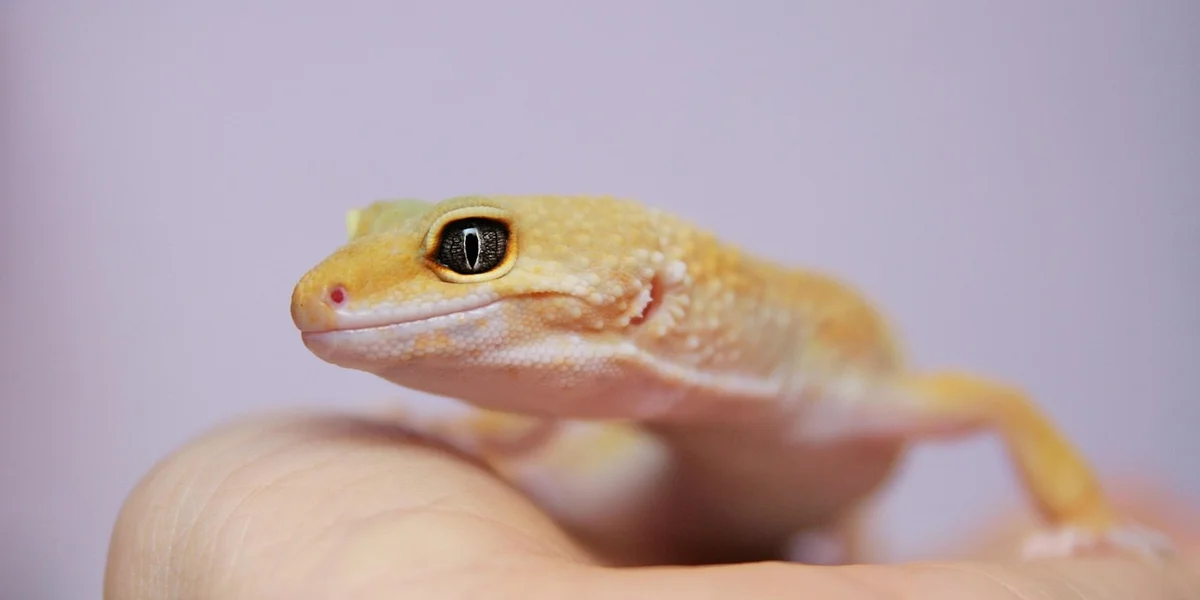
Trust isn’t built in a day. It’s earned through consistent, positive interactions. Rushing this process is the number one way to create a skittish, fearful gecko. I learned this the hard way with my first gecko years ago.
How to Properly Hold Your Gecko
Never grab your gecko from above like a predator would. This will terrify them. Follow these steps for a stress-free handling session.
- Wash your hands thoroughly to remove any scents that might smell like food.
- Move your hand slowly into the enclosure, approaching from the side or below their line of sight.
- Gently scoop them up from underneath, supporting their entire body and all four legs.
- Let them walk from hand to hand over your open palms. Never squeeze or restrain them.
- Keep handling sessions short-just 5 to 10 minutes at first. Always end on a positive note.
Hand-Feeding as a Bonding Tool
This is my favorite and most effective bonding technique. Hand-feeding directly associates your presence with a wonderful, positive experience: food.
- Start with long feeding tweezers if you’re nervous about being nipped. My giant day gecko, Babe, is a very enthusiastic eater, so I always use tweezers with him.
- Offer their favorite treat, like a waxworm or a small dubia roach. Hold it steady so they can easily grab it.
- Be patient. It might take a few sessions for them to be brave enough to eat from the tool or your hand.
- Once they are comfortable, you can try offering a treat from your bare, flat palm. This builds incredible trust.
I still remember the first time Jeter took a fruit paste mixture from my hand. That tiny moment of trust felt like a huge victory. It proved he saw me as a source of good things, not a threat.
Creating a Bonding-Friendly Habitat
Optimizing Enclosure for Calm Environment
Think of your gecko’s tank as their personal sanctuary. A stressed gecko will never want to hang out with you. My number one rule is to make their home feel safe and secure before you even think about handling. This starts with plenty of cover. Beyond cover, safety means guarding against common household hazards that could affect the enclosure. Here are quick tips to keep your gecko safe at home.
I use a mix of hides-warm, cool, and a humid one. My leopard gecko, Griffey, loves having options to dart into if he feels spooked. A well-stocked enclosure gives your gecko the confidence to explore because they know a safe retreat is always seconds away.
Place the tank in a low-traffic area of your home. Avoid spots right next to a blaring TV or a constantly slamming door. Sudden loud noises and vibrations will send your gecko into hiding, undoing any trust you’ve built. I learned this the hard way when I first moved Mookie’s tank. If you’re bringing home a new leopard gecko, start with a quarantine tank to monitor health before moving them to the main enclosure. A quiet, separate setup helps you spot issues early and keep everyone safe.
- Provide at least three hides (warm, cool, humid).
- Use live or silk plants to create visual barriers and clutter.
- Ensure the substrate is safe and diggable if your species enjoys it.
- Position the tank against a wall, not in the middle of a room.
- Keep other pets, especially cats and dogs, out of the room.
Species-Specific Bonding Strategies
Bonding with Leopard Geckos
Leopard geckos like my Griffey are often bold but can be skittish. They are terrestrial, so they feel most secure with all four feet on a solid surface. I never try to grab Griffey from above, as he sees my hand as a predator. Instead, I gently scoop him up from below.
Start by just resting your hand, palm up, in the enclosure for five minutes a day. Let them come to you. Patience is everything with leopard geckos; forcing interaction will destroy their trust. Offer a treat from feeding tweezers to build a positive association with your presence. With time and gentle handling, you can tame and bond with your leopard gecko. Stay consistent and calm during each interaction.
- Approach from the side or below, never from above.
- Begin with short, daily sessions of just your hand in the tank.
- Handle them low over a soft surface like a bed or couch.
- Watch for signs of stress like tail wiggling and back off immediately.
Bonding with Crested Geckos
Crested geckos, like my calm Jeter, are arboreal and feel safest up high. Their biggest defense mechanism is jumping, so you must be prepared. I always handle Jeter in a small, secure room with no escape routes to the ceiling. A bathroom is perfect for this.
Let your crested gecko walk from hand to hand on their own terms. They are more likely to bond if they feel in control of the movement. Never hold a crested gecko tightly; a loose, cupped hand makes them feel supported without being trapped. I talk softly to Jeter the entire time to get him used to my voice. Understanding their behavior helps in forming a strong bond.
- Handle in a secure, enclosed space to prevent escape.
- Encourage them to climb from one hand to the other.
- Use a calm, quiet voice during interactions.
- Offer a drop of fruit paste on your finger as a bonding treat.
Recognizing Signs of a Strong Bond
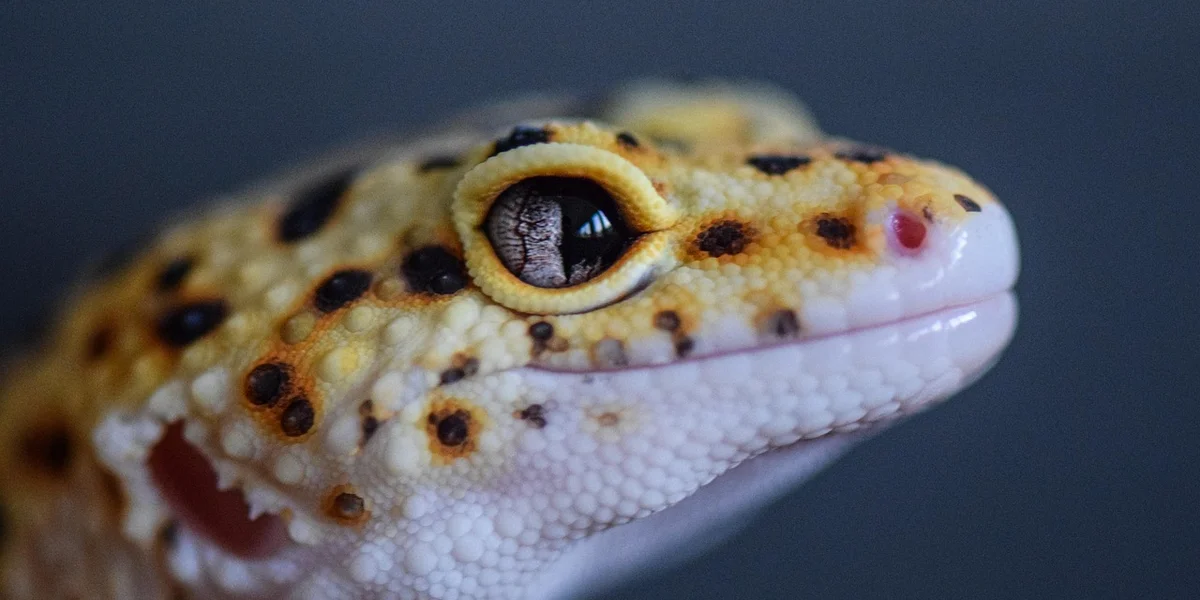
Positive vs. Stress Behaviors
Learning to read your gecko’s body language is the single most important skill for building trust. I’ve spent countless evenings just watching my crew, and the differences between a content gecko and a stressed one are unmistakable once you know what to look for.
A happy, bonded gecko is a calm and curious gecko. You’ll notice them acting relaxed in your presence.
- Voluntarily approaching the front of the enclosure when you’re near.
- Slow, deliberate blinks, often called “gecko kisses.” My Crested Gecko, Jeter, does this when he’s perched and sees me.
- Calmly crawling onto your hand without frantic scrambling or jumping.
- Normal, regular breathing. Their sides won’t be puffing in and out rapidly.
Stress behaviors are your cue to back off and give them space. Ignoring these signs can damage your growing bond.
- Tail wagging or thrashing. In Leopard Geckos like Griffey, a slow, deliberate wave can mean curiosity, but a fast whip is a clear “back off!”
- Squeaking, barking, or chirping sounds. This is a definite vocal protest.
- Gaping their mouth wide in a defensive threat display.
- Trying to flee or hide immediately upon your approach. My A-Rod used to do this constantly before he learned I was the food-bringer.
The ultimate sign of trust is when your gecko falls asleep on you, their body completely relaxed-this is the reptile equivalent of a five-star review.
| Positive Bonding Behavior | Sign of Stress (Give Space!) |
|---|---|
| Voluntarily approaches you | Hides or flees when you appear |
| Slow, relaxed blinking | Fast, frantic tail whipping |
| Calmly sits on your hand | Gaping mouth or vocalizations |
| Falls asleep on you | Puffed, rapid breathing |
Daily Routines and Enrichment for Deeper Connection
Interactive Play and Observation Tips
Bonding isn’t a one-time event; it’s built through consistent, positive daily interactions. Geckos are creatures of habit, and they learn to anticipate and even look forward to a predictable, gentle routine.
Start by integrating these simple activities into your day.
- Hand Feeding: This is the fastest way to build positive associations. Use feeding tongs at first, then progress to offering a worm from your flat, open palm. My geckos now associate my hand with delicious snacks, not danger.
- Supervised Exploration: Let your gecko climb on you in a safe, enclosed space. My playful Gargoyle Gecko, Mookie, loves to leap from my shoulder to my arm, treating me like a giant, warm tree.
- Talk to Them: Use a soft, calm voice when you’re near their tank. They will learn the sound of your voice and that it means no harm is coming.
Enrichment is crucial for a happy, engaged gecko. A bored gecko is often a reclusive gecko.
- Rearrange their terrarium décor every few weeks to create a “new” environment for them to explore.
- Introduce new, safe items for them to investigate, like a clean, smooth rock or a new type of branch.
- For climbers like Crested and Gargoyle geckos, create challenging vertical pathways with vines and cork bark.
The most powerful bonding tool you have is quiet observation. Sit by their enclosure for 15 minutes and just watch. You’ll learn their unique personality, their favorite routes, and their habits. You’ll see that my Babe has a specific basking spot she defends with gusto, much like her namesake calling his shot.
FAQs
How often should I handle my gecko to build trust without causing stress?
Handle your gecko for brief, 5-10 minute sessions a few times per week, always ending on a positive note to reinforce trust. Regular, gentle handling is a core part of leopard gecko taming and bonding tips. Keeping sessions short and positive helps your gecko stay calm and build trust over time.
What should I do if my gecko bites me during handling?
Stay calm, avoid sudden movements, and gently place them back in their enclosure, as biting is typically a fear-based response that subsides with consistent, gentle interactions.
Can geckos recognize their owners and form individual bonds?
Yes, geckos can learn to identify their primary caretaker through repeated positive experiences like hand-feeding and a calm voice, leading to a unique bond over time. No matter the species, geckos are known to recognize their owners in their own way.
Your Gecko Bonding Journey Starts Now
Building a bond with your gecko boils down to consistent, gentle interactions rooted in patience and observation. Spend time near their enclosure daily, offer food by hand or with tongs, and always handle them with slow, confident movements to build trust over weeks and months. A light target-training routine can be a fun, practical way to reinforce calm behavior and strengthen your bond. Plus, it naturally simplifies health checks by giving you quick, observable cues about their condition.
Remember that a trusting relationship is built on the foundation of exceptional care. For the care of a Mediterranean house gecko care, that means tailoring your approach to this species and its natural habitat. This species benefits from careful temperature and humidity control, UVB lighting, and a secure, enriching enclosure. Continue learning about your gecko’s specific species, provide a pristine and enriching habitat, and always prioritize their well-being over your desire for interaction.
Further Reading & Sources
- How do I bond with my Leopard Gecko? : r/leopardgeckos
- How to Bond with a Leopard Gecko (simple steps) – Leopard Gecko Habitat
- How to Bond with Your Leopard Gecko – All Gecko
The Gecko Guide is your ultimate resource for gecko enthusiasts, providing expert advice and practical tips to ensure the health and happiness of your scaly companions. Alexander is a passionate gecko owner with over a decade of experience in reptile care. We are dedicated to offering accurate, up-to-date information to support your gecko journey.Our mission is to foster a community of responsible gecko owners who are passionate about the well-being of these fascinating creatures.
Behavior and Socialization