
How to Tame and Bond with Your Leopard Gecko
Published on: January 8, 2026 | Last Updated: January 8, 2026
Written By: Alexander 'Gecko Geek' Johnson
Your new leopard gecko seems more like a tiny, skittish dinosaur than a friendly pet, and you’re worried you’ll never build a real connection. You see videos of calm, handleable geckos and wonder what you’re doing wrong. I’ve been there, watching my gecko Griffey dart for cover every time I walked by.
But I can help. Taming a leopard gecko isn’t about dominance; it’s about building trust through patience and understanding their unique world. In this guide, I’ll walk you through the process with simple, experience-based steps.
You will learn three key things:
- How to interpret your gecko’s body language to avoid stress.
- A proven, step-by-step method to go from scary giant to trusted friend.
- How to turn short, positive interactions into a lasting bond.
You will get clear, actionable advice that respects your gecko’s well-being. The complete roadmap we’ll cover is: Understanding Gecko Psychology, Creating a Safe Habitat, The Hand-Feeding Method, The Gradual Introduction to Handling, Reading Stress & Comfort Cues, and Building a Long-Term Bond.
Understanding Your Leopard Gecko’s Natural Behavior
Leopard geckos are not like dogs or cats; their body language is subtle and built for survival. They are crepuscular, meaning most active at dawn and dusk. You’ll see them vibrate their tails when excited or nervous, a rapid little shimmy that can signal anything from hunting focus to mild annoyance. Geckos also vocalize, producing soft chirps or clicks that accompany these movements. In that sense, common gecko vocalizations are indeed part of their body language cues—often signaling stress, territoriality, or mating readiness.
Their primary instinct is to hide, and respecting this is the single biggest key to building trust. A gecko that feels exposed is a stressed gecko, and a stressed gecko will not want to interact with you.
I learned this firsthand with my gecko, Griffey. For weeks, he’d duck into his hide the moment I entered the room. Instead of reaching for him, I just sat nearby and read a book. Over time, he started peeking out, realizing my presence didn’t mean danger. Now, he often comes to the front of the tank when he sees me, curious and ready for a snack.
Setting Up the Perfect Enclosure for Bonding
A comfortable gecko is a confident gecko. Your enclosure setup is not just about survival; it’s the foundation for your entire relationship. When your pet feels secure in its home, it’s far more likely to be receptive to your presence.
The goal is to mimic their natural rocky, arid environment while providing clear zones for different activities. You need a warm basking area, a cooler retreat, the right humidity for shedding, and, most importantly, multiple hiding spots. This setup tells your gecko, “You are safe here,” which directly reduces their stress and opens the door for bonding.
Heating and Lighting for Comfort
Leopard geckos are ectotherms; they rely on their environment to regulate their body temperature. A proper temperature gradient is non-negotiable for their digestion and overall well-being. So, what are leopard gecko tank temperature requirements? In captivity, providing a warm basking area on one side and a cooler retreat on the opposite side helps maintain that essential gradient.
I use an under-tank heating pad connected to a thermostat on one side of the tank to create a warm belly heat of about 88-92°F. This is part of creating a perfect temperature gradient in a gecko enclosure. The other side should stay around 75°F. This allows your gecko to self-regulate by moving between the warm and cool zones. A well-defined gradient supports natural behavior and health. Avoid bright, colored heat bulbs as they can damage your gecko’s sensitive eyes.
Choosing the Right Hides and Substrate
Hides are your gecko’s safe spaces. You need at least three: one on the warm side, one on the cool side, and a humid hide in the middle for shedding. There are different types of hides for geckos—tubes, caves, and humidity-enabled options—so pick ones that fit your enclosure and your gecko’s needs. Using a variety of hides helps them feel secure and supports proper humidity and shedding.
A humid hide packed with damp sphagnum moss is a lifesaver during shed and prevents dangerous stuck skin on their toes. I use simple, enclosed reptile caves, but even clean, overturned plastic containers with an entrance hole work perfectly.
For substrate, skip the loose sand. It can cause fatal impaction if ingested. My go-to is slate tile or a non-adhesive shelf liner because it’s safe, easy to clean, and helps file their nails down naturally. Paper towel is also a fantastic and super safe option, especially for new geckos.
Gentle Handling Techniques for Taming
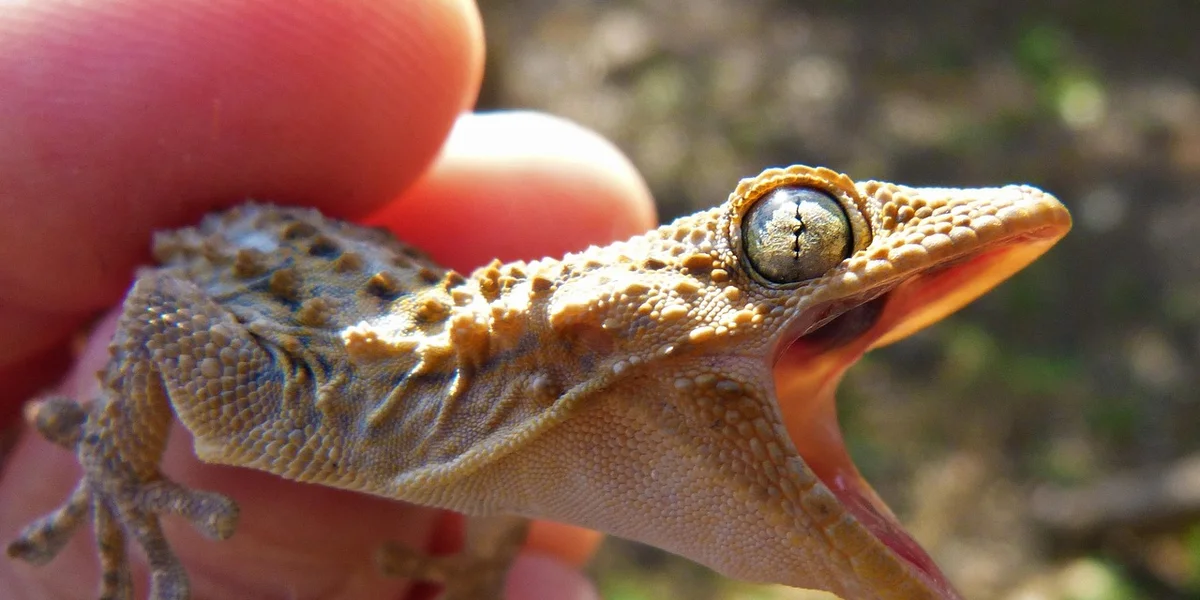
When I first started taming Griffey, my leopard gecko, I learned that rushing things only made him retreat into his hide. Successful taming begins with short, predictable sessions that respect your gecko’s comfort zone.
- Start with just 5 minutes of handling per day, gradually increasing as your gecko becomes more curious and less fearful.
- Move your hands slowly and avoid sudden gestures-imagine you’re trying not to startle a sleeping cat.
- Kneel or sit beside the enclosure so you’re at eye level, which feels less intimidating to your gecko.
Patience is non-negotiable here. Consistency in your daily routine teaches your gecko that you are a safe presence, not a threat. With Griffey, I handled him at the same time each evening, and within two weeks, he began crawling onto my hand voluntarily.
How to Lift and Hold Your Gecko Safely
Proper hand placement prevents accidents and builds confidence. Slide one hand gently underneath your gecko’s belly, supporting its whole body and legs.
- Keep your grip loose but secure-think of cradling a delicate egg rather than grabbing.
- If your gecko tail-whips, hisses, or tries to bolt, lower it back into the enclosure immediately and try again later.
I remember Griffey once froze mid-handling, so I placed him on a soft towel in his tank to let him calm down. Respecting fear signals prevents setbacks in trust-building.
Using Treats to Encourage Interaction
Live, gut-loaded crickets dusted with calcium are like gecko candy. Offering treats from your hand turns you into a source of good things, not stress.
- Hold a cricket with feeding tongs or your fingers and let your gecko approach to eat.
- Repeat this during calm moments to reinforce positive associations with your presence.
Griffey now associates my hand with mealworms, and he’ll even lick my finger in anticipation. Treat-based positive reinforcement speeds up bonding by linking you with rewards.
Reading Your Gecko’s Body Language
Your gecko’s movements tell a vivid story about its mood. Learning to interpret body language is like understanding a silent language that keeps your pet happy.
- Stress signs include rapid tail twitching (similar to a rattlesnake’s warning), hiding for hours, or skin darkening.
- Positive cues are a relaxed, flat body posture, coming to the front glass when you’re near, or eagerly taking food.
Think of a relaxed gecko as a sunbather lounging comfortably, while a stressed one resembles a commuter trapped in a crowded subway. Spotting these signals early helps you adjust your approach for a happier gecko.
When to Give Your Gecko Quiet Time
Even social geckos need alone time to recharge. Pushing interaction during sensitive periods can undo weeks of progress.
- Skip handling for 24-48 hours after feeding to allow proper digestion-geckos are sluggish post-meal.
- Avoid contact during shedding, when their vision is blurry and they feel vulnerable.
- If your gecko repeatedly avoids you or stays hidden, it’s signaling for a break.
I once ignored Griffey’s shed cues and he refused to eat for days. Honoring your gecko’s need for space ultimately deepens trust and well-being.
Building Trust Through Feeding and Patience
Feeding time is your golden ticket to building a strong bond with your leopard gecko. I stick to a consistent evening schedule because that’s when Griffey, my high-yellow leopard gecko, is most active and ready to eat. This routine ensures he gets his meals at the right time— feeding in the evening is ideal for leopard geckos. Offer live insects like crickets or mealworms to mimic their natural hunting instincts.
- Feed young geckos daily with 2-3 small, gut-loaded insects.
- Adult geckos thrive on meals every other day, about 4-5 insects per session.
- Always present food with feeding tongs or from your hand to associate your presence with positive rewards.
Hydration plays a huge role in their health and trust-building. Keep a shallow water dish filled with fresh, dechlorinated water changed daily to prevent bacteria growth. I lightly mist one corner of Griffey’s tank occasionally to aid shedding, and he often licks droplets right off the leaves.
Some of my best bonding moments happen during feeding. Griffey now eagerly approaches the front glass when he sees me, his tail wagging slightly as if saying, “Dinner’s here!” That routine has turned mealtime into our special daily check-in.
Common Feeding Mistakes to Avoid
Avoid overfeeding your gecko to prevent obesity and health issues. Stick to portion sizes based on age and size, and never leave uneaten insects in the enclosure overnight. Inappropriate insects, like those that are too large or hard-shelled, can cause impaction or injury. This is one of the 9 common gecko feeding mistakes that compromise health. Being mindful of feeding choices helps keep your gecko healthy.
- If your gecko refuses food, check the tank temperature and ensure they’re not stressed.
- Try offering a different insect type or hand-feeding to encourage eating without force.
Enrichment Activities for a Stronger Bond
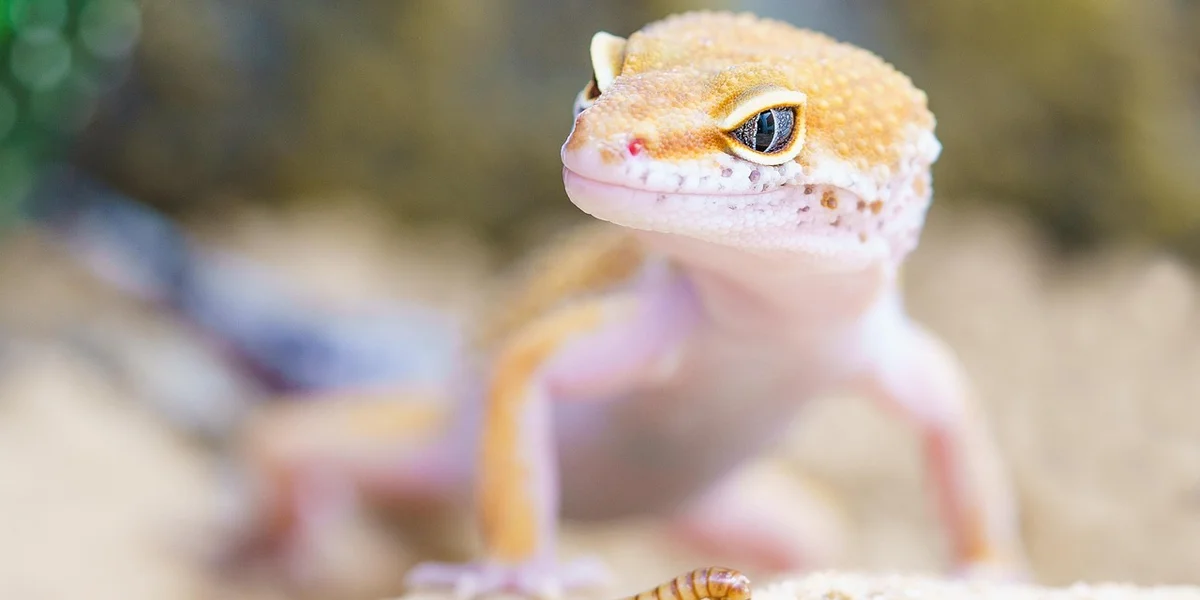
Enrichment keeps your gecko’s mind sharp and deepens your connection. Simple changes, like rearranging hides and climbing branches weekly, spark their curiosity and reduce boredom. I introduce new items like cork rounds or safe plants to encourage exploration. These are part of 12 DIY enrichment ideas to bust gecko boredom, offering simple ways to keep your reptile active and engaged.
- Supervise short, safe explorations outside the tank in a enclosed area to satisfy their wanderlust.
- Add varied textures, such as smooth rocks or rough bark, to stimulate their senses during climbs.
Enrichment isn’t just fun-it strengthens your bond by making interactions predictable and positive. When I swapped out Griffey’s old hide for a new one, he spent hours investigating, and now he “poses” there like he’s showing off his upgraded digs. This routine helps him see me as a source of good things, not just food.
Playful activities can lead to hilarious moments. Once, I dangled a feather toy near Mookie, my gargoyle gecko, and he leaped at it with such gusto, it reminded me of his wild climbing bursts. These small games build trust and keep your gecko engaged and happy.
How Long Does Taming Take? Realistic Timelines
-
Young leopard geckos under six months might show trust in just two to four weeks, while juveniles up to a year often need one to two months. Adults over a year can take two to six months, depending on their past experiences. Bold personalities like my Griffey’s often warm up faster than shy, reserved ones.
-
No two geckos bond at the same speed, so embrace patience as your guiding principle. I’ve cared for geckos who acted like reclusive artists one day and curious explorers the next. Pushing them too hard risks their well-being, so let their comfort lead the way.
-
My gecko Griffey taught me that progress comes in tiny, joyful steps. He started by hiding for three weeks, then gradually peeked out during feedings. By two months, he’d eagerly climb onto my hand, and now he basks like he’s on stage! Each milestone, no matter how small, built our bond stronger.
FAQs
How long should I wait before attempting to handle a new leopard gecko?
It’s best to wait at least one week after bringing your leopard gecko home to allow it to acclimate to its new environment before starting handling sessions.
Can leopard geckos recognize their owners?
Yes, leopard geckos can learn to recognize their owners through consistent positive interactions, such as feeding and handling. Scientists study whether geckos truly recognize familiar people. This fits into the broader science of reptile recognition and cognition.
What should I do if my leopard gecko drops its tail?
Tail dropping is a stress-driven defensive response and can occur when the gecko feels threatened. If your leopard gecko drops its tail, ensure it has a clean environment, provide extra hiding spots, and avoid handling until the tail regrows to prevent stress and infection.
Final Words
To build a real bond with your leopard gecko, you need to trade your urgency for their patience. Start slow, use food as a positive motivator, and let your gecko’s comfort level dictate the pace of every interaction. Consistent, gentle handling in short sessions will build a foundation of trust that can’t be rushed. How often you should handle your leopard gecko is an important part of this process.
Remember that taming is just one small part of being a fantastic gecko guardian. True responsible ownership means continuously learning about their needs, from perfecting their habitat to understanding their unique behaviors. Your commitment to their lifelong wellbeing is what truly forges an unbreakable bond.
Further Reading & Sources
- Handling and taming guide | Wiki | Leopard Geckos Amino
- How To Tame Your Leopard Gecko – Step By Step Guide | LeopardGeckoLand.com
- 5 Leopard Gecko Handling Tips & 1 Thing to Never Do! – Leopard Gecko Habitat
The Gecko Guide is your ultimate resource for gecko enthusiasts, providing expert advice and practical tips to ensure the health and happiness of your scaly companions. Alexander is a passionate gecko owner with over a decade of experience in reptile care. We are dedicated to offering accurate, up-to-date information to support your gecko journey.Our mission is to foster a community of responsible gecko owners who are passionate about the well-being of these fascinating creatures.
Handling & Behavior Signs