
How Chronic Stress Weakens Your Gecko’s Immune System
Published on: March 7, 2026 | Last Updated: March 7, 2026
Written By: Alexander 'Gecko Geek' Johnson
Has your gecko been acting skittish, eating less, or hiding constantly? Chronic stress is a stealthy enemy that can cripple your pet’s immune defenses, leaving them open to infections and disease. I’ve watched my own crestie, Jeter, go through stressful phases after a tank move, and the difference in his vitality was startling.
I will guide you through the science and my hands-on experience to keep your gecko healthy. Here are the key takeaways you will grasp:
- How to spot the subtle, ongoing signs of chronic stress in geckos.
- The direct biological link between prolonged stress and a suppressed immune system.
- Actionable, simple changes to your husbandry that lower stress and boost immunity.
My advice is clear, proven, and designed for real-life application. We will cover: stress triggers, immune system mechanics, symptom identification, and effective prevention techniques.
What Is Chronic Stress in Pet Geckos?
Think of chronic stress as an alarm system that never turns off. It’s not the brief panic of a dropped hide; it’s a constant, low-grade feeling of unease that grinds your gecko down day after day. This long-term state of alert is what truly dismantles their health from the inside out.
In my years of keeping geckos like my curious leopard gecko, Griffey, I’ve learned to spot the subtle signs. It’s not always dramatic. Chronic stress often looks like: These signals are often linked to the gecko’s environment—temperature, humidity, lighting, and enclosure setup. Adjusting those factors can reveal whether stress is environmental in origin.
- Consistently hiding and refusing to come out, even at night.
- A noticeable drop in appetite or complete refusal of food.
- Unusual weight loss, where the tail becomes thin.
- Unprovoked aggression or frequent glass-surfing.
- A general lack of curiosity about their surroundings.
This state is usually caused by persistent environmental problems. Your gecko’s world is small, so every detail matters immensely to their sense of security. Understanding what is normal for your gecko and what isn’t can help you identify stress factors early.
How Stress Hormones Like Corticosterone Suppress Immunity
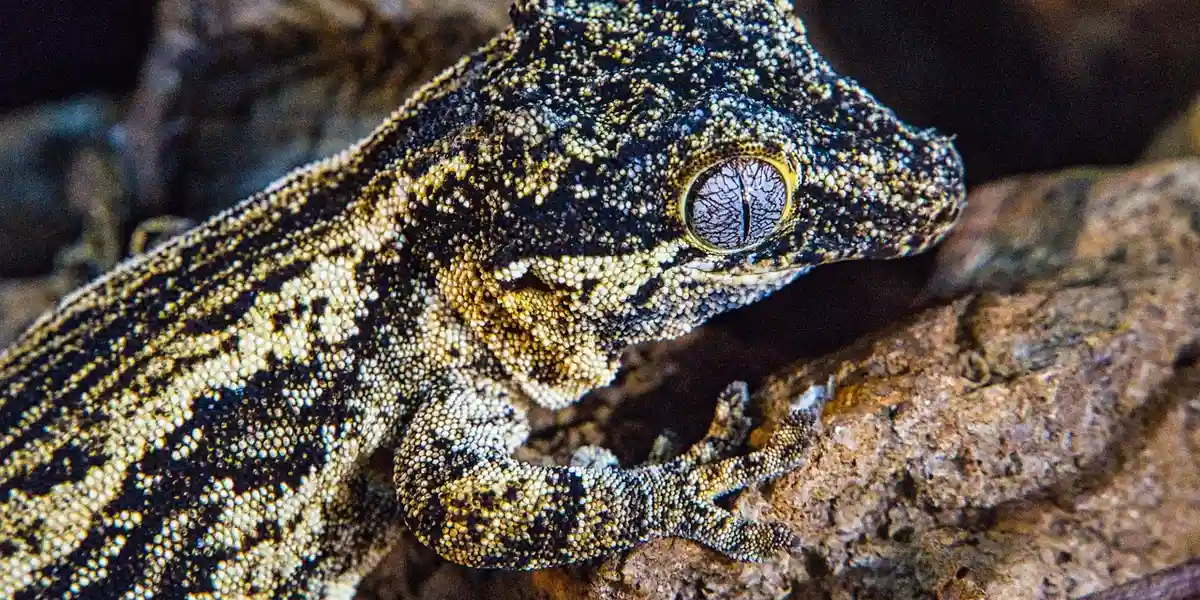
When your gecko feels threatened, its body releases a hormone called corticosterone. This is the reptile version of our cortisol. In a short-term crisis, this is a lifesaver. It provides a burst of energy to flee from a predator. The problem starts when this survival hormone becomes a permanent resident in their bloodstream.
I saw this with my crested gecko, Jeter, when a faulty thermostat created temperature swings. His normally calm demeanor vanished. He became jumpy and stopped eating. I didn’t realize it at the time, but his immune system was being systematically shut down.
The Role of Glucocorticoids
Corticosterone belongs to a class of hormones called glucocorticoids. Their job is to reroute all the body’s energy toward immediate survival. Long-term, this means stealing resources from non-essential systems, with the immune system being the first budget cut.
Here’s what happens inside their tiny bodies:
- White blood cell production slows down. These are the soldiers of the immune system.
- The inflammatory response, crucial for healing wounds, is suppressed.
- The ability to create antibodies against new infections plummets.
It’s like a castle under siege, sending all its guards to the walls and leaving the interior completely undefended. A simple scrape or a minor respiratory bug can quickly spiral into a severe, life-threatening infection because there’s no army left to fight it.
Impact on Gut Health and Microbiome
One of the most critical casualties of chronic stress is your gecko’s gut. A healthy gut is a hub of immune activity, home to a diverse community of beneficial bacteria known as the microbiome. Glucocorticoids are like a wrecking ball swung directly at this delicate internal ecosystem.
They disrupt the gut lining, making it “leaky.” This allows harmful bacteria and toxins to pass into the bloodstream, triggering body-wide inflammation. At the same time, they actively kill off the good bacteria your gecko needs to digest food and absorb nutrients.
You might see this show up as:
- Runny, undigested, or foul-smelling stools.
- Bloating or regurgitation of food.
- Sudden weight loss despite a normal appetite.
My African fat-tailed gecko, A-Rod, once had a bout of stress from too much handling. His poops became a mess, and it took weeks of probiotic support and a quiet environment to rebalance his system. A stressed gut means a malnourished and immunocompromised gecko, no matter how much you feed them.
Spotting the Signs: Is Your Gecko Chronically Stressed?
Behavioral Red Flags
Your gecko can’t tell you it’s feeling overwhelmed, but its actions speak volumes. I’ve learned to read the subtle shifts in my own crew’s behavior over the years.
- Excessive Hiding: While geckos are naturally shy, a gecko that never emerges, even for food, is signaling high anxiety. My gecko A-Rod went through a phase like this, and it was my first clue something was off.
- Glass Surfing: Constantly scratching or climbing the tank walls isn’t cute exploration; it’s a sign of frustration and a desperate attempt to escape an unpleasant environment.
- Loss of Appetite: A sudden, prolonged disinterest in food is one of the biggest red flags. A healthy gecko like my Babe is always ready for a snack, so a refusal to eat is a loud cry for help.
- Unusual Aggression: Hissing, biting, or an overall defensive posture when you approach is not normal. This is a terrified animal, not a “mean” one.
Physical Symptoms
When stress becomes chronic, it starts to wear down your gecko’s body. These physical changes are often the final warning before serious illness sets in. There are early warning signs in geckos that you can look for. Watch for changes in appetite, activity, or shedding.
- Weight Loss and a Thin Tail: The tail is a gecko’s fat storage. A thin, bony tail means your pet is burning through its energy reserves, often due to the physical toll of constant stress.
- Dull or Darkened Coloration: A happy, healthy gecko typically displays vibrant colors. A chronically stressed gecko may look consistently washed out or darker than usual, a sign it’s not comfortable.
- Lethargy and Weakness: If your normally energetic gecko, like my Mookie, becomes a limp, unresponsive lump, its body is likely exhausted from trying to manage a constant state of alert.
- Shedding Problems (Dystocia): A strong immune system helps with clean, full sheds. Stuck shed, especially on the toes and eyes, is a direct symptom of a system that’s too run down to function properly.
Practical Steps to Reduce Stress and Support Immunity
Optimizing Terrarium Conditions
Think of the terrarium as your gecko’s entire world. Getting the environment right is 90% of the battle in preventing chronic stress.
- Provide Ample Hides: I offer at least three hides per gecko: one on the warm side, one on the cool side, and a moist hide for shedding. This gives them a choice and a constant sense of security.
- Check Temperature Gradients: Incorrect temperatures are a massive stressor. Use reliable thermometers to ensure a proper warm basking spot and a cooler area so your gecko can thermoregulate.
- Ensure Proper Humidity: Species-specific humidity levels are non-negotiable. Too dry leads to bad sheds; too wet can cause respiratory infections. A digital hygrometer is your best friend here.
- Use Safe, Clutter-Free Décor: Create a cluttered environment with branches and fake plants to make them feel hidden and secure, but avoid sharp objects or cramped spaces where they could get stuck.
Smart Handling and Enrichment
Your interactions can either build trust or create fear. The goal is to be a source of safety, not stress.
- Limit Handling Sessions: Keep handling short, calm, and infrequent, especially for a new or skittish gecko. Let them initiate contact by walking onto your hand.
- Create a Predictable Routine: Geckos thrive on predictability. Feed them at the same time each day and turn lights on/off on a consistent schedule. This reduces the anxiety of the unknown.
- Offer Mental Stimulation: I occasionally rearrange the terrarium décor or offer food in a puzzle feeder. This provides novel enrichment without the stress of a complete tank overhaul.
- Respect Their Boundaries: If your gecko is hiding, in shed, or has just eaten, leave it alone. Forcing interaction during these vulnerable times is a guaranteed way to destroy trust and spike stress hormones.
Boosting Immune Health Through Diet and Care
Nutrition for a Strong Immune Response
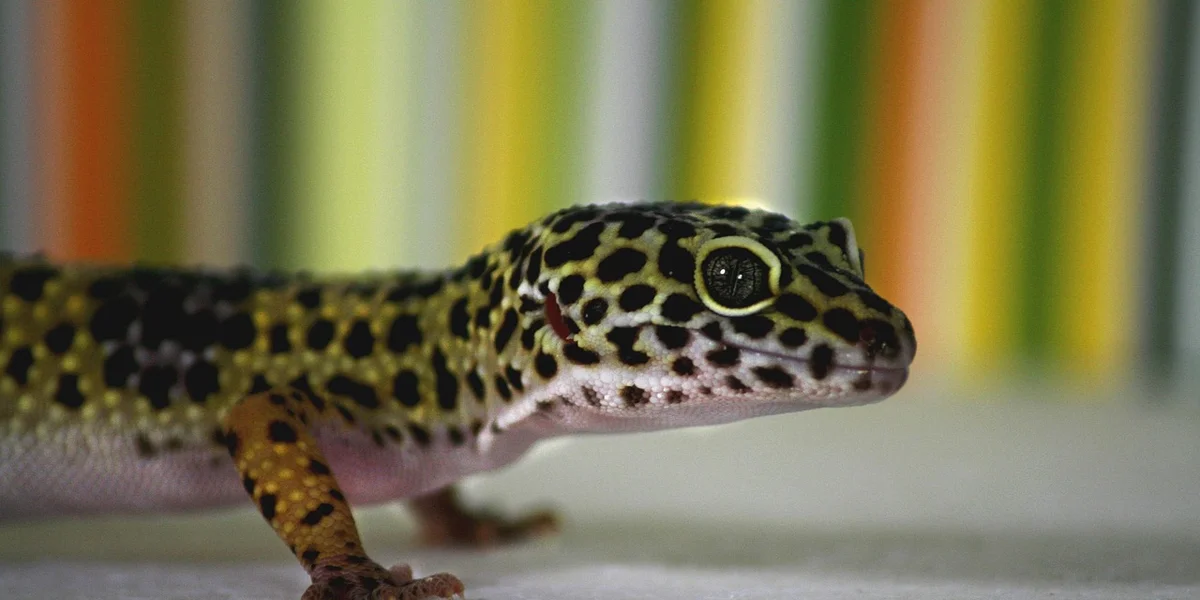
You are what you eat, and for a gecko, a poor diet is a fast track to a weakened immune system. I learned this the hard way with my first gecko, Griffey. His diet was inconsistent, and his health reflected that. A varied, nutrient-rich diet is your gecko’s primary shield against the physical toll of chronic stress. Are signs of nutritional deficiencies in geckos something to watch for? They often manifest as poor appetite, lethargy, or irregular shedding.
Think of their food as their internal medicine cabinet. Here are the key nutrients to focus on:
- Vitamin A: Crucial for healthy skin and the lining of the respiratory and digestive tracts-the body’s first line of defense. A deficiency makes infections easy to set in.
- Calcium and Vitamin D3: This duo supports more than just bones. They are vital for proper nerve function and muscle contraction, helping your gecko stay physically resilient.
- High-Quality Protein: From gut-loaded insects like dubia roaches and crickets. Protein provides the building blocks for all the antibodies and immune cells that fight off pathogens.
I now dust feeders with a high-quality supplement for every meal for my growing geckos, and for my adults, I do it every other feeding. This simple routine has made a world of difference.
Supporting Gut Microbiome Health
The gut is often called the second brain, and in geckos, it’s a command center for immunity. A stressed gecko can have a disrupted gut microbiome, leading to a cascade of health issues. A healthy gut is a fortress, and we build its walls with proper feeder care and probiotics.
My crested gecko, Jeter, had a period of stress-induced appetite loss. Supporting his gut was key to his recovery. Here is how you can do the same:
- Gut-Load Your Feeders: Don’t feed your gecko empty insects. 24-48 hours before feeding, give your crickets and roaches a nutritious salad of leafy greens, carrots, and squash. You are literally packing them with vitamins for your pet.
- Consider a Probiotic: Just like for us, probiotics can help replenish beneficial gut bacteria. You can find reptile-specific probiotic powders to lightly dust onto feeders once or twice a month, especially after a stressful event.
- Provide Clean, Fresh Water: Dehydration wreaks havoc on the entire system, including the gut. Change the water dish daily and mist the enclosure as needed for humidity-loving species.
When Chronic Stress Becomes a Veterinary Emergency
As caretakers, we must know when our best efforts at home are not enough. Chronic stress can suppress the immune system so severely that a gecko can no longer fight off common, otherwise manageable, issues. Learning to distinguish gecko stress from normal behavior is essential. Look for changes in appetite, activity, and hiding that deviate from your gecko’s usual routine. Recognizing this tipping point is a critical skill that can save your gecko’s life.
If you notice any of the following signs, it is time to immediately contact an exotic vet. Do not wait.
- Rapid, Significant Weight Loss: A prominent spine or hip bones are a major red flag. This indicates the body is breaking down its own tissues for energy.
- Lethargy That Doesn’t Improve: All geckos nap, but if yours is consistently unresponsive, unable to climb, or seems weak, it’s a sign of a serious systemic problem.
- Persistent Skin Issues: Stuck shed that leads to constriction of toes or the tail tip, or unexplained sores, can indicate a secondary infection taking hold.
- Respiratory Distress: Listen for clicking sounds, look for mucus around the nostrils, or labored breathing. A stressed immune system cannot fight a respiratory infection.
- Prolonged Lack of Appetite: A gecko that refuses food for over a week, especially when combined with any other symptom, needs professional intervention.
My gecko A-Rod once stopped eating for several days after a terrarium rearrangement. I thought it was just his personality, but when he became lethargic, I rushed him to the vet. It turned out he had a minor parasitic bloom that his stressed body couldn’t contain. Trust your gut. You know your gecko better than anyone, and if something feels off, it probably is. If your gecko isn’t eating, you may wonder what you should do next. Learning the early signs and steps can help you act quickly. A good exotic vet will work with you to diagnose the root cause and get your scaly friend back on track.
FAQs
How quickly can chronic stress impact my gecko’s health?
Chronic stress can start weakening your gecko’s immune system in as little as a week, making them more prone to infections and health issues. Reducing stress can help prevent common health problems geckos face, such as metabolic bone disease and respiratory infections. Good husbandry—proper lighting, temperature, humidity, and hiding spots—supports their overall health and resilience.
Is it possible to over-enrich a gecko’s habitat and cause stress?
Yes, too much clutter or frequent changes to the terrarium can overwhelm your gecko, leading to increased anxiety and stress.
What role does lighting play in gecko stress levels?
Consistent and species-appropriate lighting cycles are essential, as disruptions can disturb your gecko’s natural rhythms and elevate stress.
Final Words
The single most important thing you can do is become a master of your gecko’s environment. Keep their home secure, warm, and predictable to shield their delicate immune system from the silent damage of chronic stress. This careful habitat setup helps prevent common gecko illnesses by supporting proper humidity, temperature, and hygiene. Stable conditions reduce stress and infection risks.
Owning a gecko is a wonderful journey of learning and adaptation. Stay curious, keep observing your pet’s unique behaviors, and always strive to provide the peaceful, enriching life they deserve. For a deeper dive into their actions, check out understanding gecko behavior and temperament.
Further Reading & Sources
- 4 Tips For Reducing Your Reptile’s Stress Quickly | Evolution Reptiles
- How To Tell If A Leopard Gecko Is Stressed (6 Signs)
- 5 Common Gecko Health Problems – Gecko Time
The Gecko Guide is your ultimate resource for gecko enthusiasts, providing expert advice and practical tips to ensure the health and happiness of your scaly companions. Alexander is a passionate gecko owner with over a decade of experience in reptile care. We are dedicated to offering accurate, up-to-date information to support your gecko journey.Our mission is to foster a community of responsible gecko owners who are passionate about the well-being of these fascinating creatures.
Gecko Health