
How Far and High Can Leopard Geckos Jump and Fall Safely?
Published on: January 11, 2026 | Last Updated: January 11, 2026
Written By: Alexander 'Gecko Geek' Johnson
If you’ve ever watched your leopard gecko take a sudden, clumsy leap from your hand or a piece of decor, your heart has probably skipped a beat. I’ve been there, watching my own gecko, Griffey, make a questionable landing more than once. It’s natural to worry about their safety.
I’m here to help you understand your gecko’s physical limits so you can stop worrying and create a truly safe habitat. We will cover:
- The surprising truth about their natural jumping abilities.
- The critical factors that determine a “safe” fall height.
- Actionable steps to “gecko-proof” your terrarium today.
You will get clear, experience-based advice to keep your pet secure. This article covers: anatomy and ability, safe fall height, risk factors, tank setup tips, and handling precautions.
Leopard Gecko Jumping Ability: How High and Far Can They Go?
Leopard geckos are not built for high-flying acrobatics like some other reptiles, but they do have a surprising hop in them. Based on my years of caring for Griffey and others, a typical healthy leopard gecko can jump vertically about 4 to 6 inches and cover a similar distance horizontally. I have seen my own gecko, Griffey, make energetic leaps of this range when a particularly wiggly cricket catches his eye. These jumps are usually quick and purposeful, not sustained or repeated.
Several key factors influence how high and far your gecko can jump. Understanding these can help you gauge what is normal for your pet.
- Size: Larger, heavier geckos generally cannot jump as high as smaller, lighter ones. A full-grown adult like my 2-year-old Griffey has powerful legs but is less springy than a juvenile.
- Age: Younger geckos are often more agile and prone to exploratory jumps, while older ones may be more sedentary and cautious in their movements.
- Health: A well-fed gecko with strong muscles and good bone density will jump more effectively. Any sign of lethargy or weakness drastically reduces their ability and is a cue for a vet visit.
- Motivation: The drive to catch prey or escape a perceived threat can result in a gecko’s most powerful jumps. A hungry gecko will put more force into a pounce than one just casually moving about.
Why Do Leopard Geckos Jump? Understanding Their Behavior
Jumping is a natural behavior for leopard geckos, and it usually stems from a few common instincts. Recognizing the reason behind the jump is your first step in ensuring your gecko feels safe and content in its home. If your leopard gecko keeps trying to escape, it can signal that the enclosure isn’t meeting his needs—temperature, humidity, space, or enrichment. Addressing these factors often helps reduce escape attempts. I have spent countless hours watching Griffey’s antics, and his jumps tell me a lot about his mood.
Here are the most frequent reasons your gecko might take a leap:
- Hunting: This is the most common and joyful reason. Your gecko will crouch, wiggle its tail, and then launch itself at live prey. It is a beautiful display of their natural instincts.
- Exploring: Curious geckos like Griffey will sometimes make small hops to navigate their terrain, moving from one hide to another or checking out a new decoration.
- Stress or Fear: A sudden, frantic jump often means your gecko is scared. This can happen during handling if they feel insecure or in their tank if something startles them.
- Accidental Slips: Geckos can misjudge a climb and take a small, unplanned fall. This is why providing a safe, low-climbing environment is so important for their welfare.
I remember one evening when Griffey was on my hand and a shadow moved quickly across the room. He made a swift, panicked jump onto the sofa. That experience taught me to always handle him in a calm, predictable space to prevent stress-related jumps. To tell a happy hop from a distress signal, watch their body language closely. A focused stare and tail wiggle mean hunting fun, while a flattened body and attempts to hide signal it is time to back off and give them space.
Fall Risks for Leopard Geckos: How Far Is Too Far?
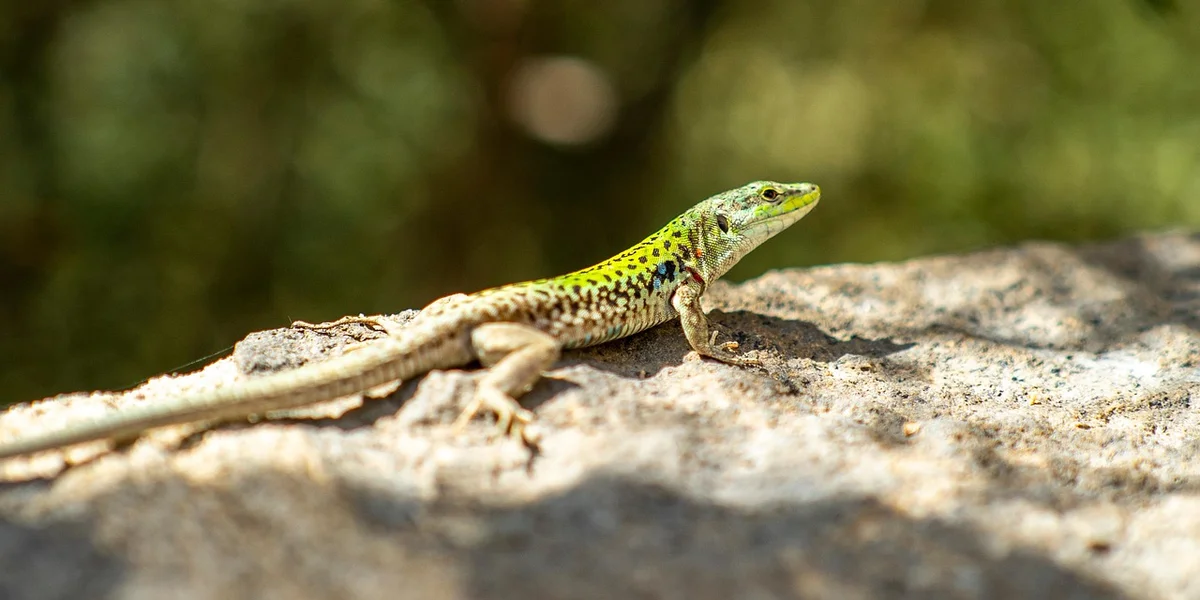
My leopard gecko, Griffey, once took a clumsy tumble from a hide that was only about six inches high. He was perfectly fine, but my heart still skipped a beat. For a small reptile, even a short fall can be a big deal, and there’s a clear line between a safe slip and a dangerous drop.
Safe Heights vs. Dangerous Drops
A general rule of thumb is that a fall from a height greater than 1.5 times your gecko’s body length is cause for concern. For an adult, that’s roughly 8 to 12 inches. Understanding crested gecko weight growth patterns can help you tailor safety expectations to your individual pet, since growth rates vary with age and health. Regularly tracking your gecko’s weight can also show whether weight changes affect the risk a fall would pose.
- Generally Safe (under 8 inches): A fall from a low hide or a short climb. Your gecko will likely be startled but unharmed.
- Risky (8-12 inches): This is the danger zone. Injuries become much more likely from this height.
- Dangerous (over 12 inches): A fall from this height is a veterinary emergency. The risk of severe trauma is very high.
Potential Injuries from Falls
Their light bodies don’t handle impact well. A bad fall can lead to devastating, sometimes hidden, injuries.
- Broken Bones: Their delicate legs and ribs are especially vulnerable to fractures.
- Tail Loss (Autotomy): A fall can trigger this stress-defense mechanism, causing your gecko to drop its tail.
- Internal Damage: The most insidious risk. Organ damage or internal bleeding may not be immediately visible.
How Your Setup Influences Fall Safety
The surface your gecko lands on is just as important as the height it falls from.
- Soft, Loose Substrate: Paper towel, reptile carpet, or a soil/sand mix can cushion a minor fall.
- Hard, Unforgiving Surfaces: Glass, bare plastic, or slate tiles offer no shock absorption and magnify the force of impact.
- Clutter is Your Friend: A busy tank with plants and hides can break a fall, while a sparse one offers no protection.
Preventing Jump and Fall Injuries in Your Gecko’s Home
Enclosure Setup for Maximum Safety
Designing a safe habitat is your first and best line of defense. Think of your gecko’s tank as a toddler-proofed room-everything should be low, secure, and soft. To extend that safety, follow gecko enclosure safety tips for household hazards. Do quick checks for loose cords, plastic bags, and exposed edges around the enclosure.
Ideal Enclosure Height and Layout
- Choose a tank that is longer and wider than it is tall. A 20-gallon long is a perfect example.
- Avoid excessively tall enclosures that encourage high climbing on smooth surfaces.
- Place all climbing decor like branches and vines low to the ground and angled gently.
Safe Bedding for Cushioned Landings
- Paper Towel: My top choice for beginners and quarantined geckos. It’s soft, cheap, and easy to replace.
- Reptile Carpet: Provides a stable, slightly padded surface, but must be cleaned frequently.
- Naturalistic Substrates: A mix of topsoil and play sand can be a soft, diggable option, but avoid pure sand.
Steps for a Fall-Proof Layout
- Anchor all heavy decor like rocks and hides directly to the bottom of the tank to prevent tipping.
- Create “steps” using stacked, flat rocks or low platforms to help your gecko navigate different levels safely.
- Position hides and décor so your gecko can move across the entire tank without needing to jump large gaps.
Handling Tips to Avoid Accidental Falls
Handling is where most accidents happen. Always handle your gecko while seated close to the floor or over a soft, secure surface like a bed or a couch. This is a key point in the gecko health safety guide on safe handling. For best practices, wash your hands before and after handling, and avoid handling if you’re sick or stressed.
Step-by-Step Guide for Secure Handling
- Sit on the floor in a quiet room to minimize the fall distance and external stress.
- Let your gecko walk from your hand onto your arm or leg rather than lifting them high.
- Keep your movements slow and predictable. Never make sudden jerks or lifts.
- Always keep one hand cupped loosely underneath your gecko as a safety net.
Reading Gecko Body Language
- A gecko that is frozen, breathing rapidly, or twitching its tail is stressed and more likely to make a sudden, panicked leap.
- If your gecko tries to climb up your arm quickly, it may be feeling insecure. Gently guide it back to a stable position.
A Personal Lesson Learned
I learned this the hard way with Griffey. He was on my shoulder and a loud noise startled him. He jumped. It was a three-foot drop onto a hardwood floor, and it was one of the most terrifying moments of my life as a pet owner. He was miraculously okay, but it was pure luck. That single mistake taught me to always handle him while seated, a rule I have never broken since.
What to Do If Your Leopard Gecko Falls or Gets Hurt
Seeing your gecko take a tumble is a heart-stopping moment. I’ve been there with my own crew, and the key is to act calmly and quickly. Your immediate response can make a huge difference in their recovery. For sick or injured geckos, safely handling sick geckos is essential. Move slowly, support their body, and minimize stress.
Immediate First Aid Steps
Follow these steps in order to stabilize your pet.
- Check for Injuries: Look them over carefully without turning them upside down. Check for any obvious bleeding, limb misalignment, or a limp tail.
- Reduce Stress: Place them gently back into their familiar and quiet enclosure. Ensure their warm hide is at the perfect temperature to aid recovery.
- Isolate if Needed: If you have other geckos in the same tank, move the injured one to a separate, simple hospital tank. This prevents bullying and allows for close monitoring.
Signs of Serious Harm
Some issues are not immediately visible. Watch for these red flags over the next 24-48 hours.
- Limping or refusing to put weight on a leg
- Visible swelling, especially around joints
- Lethargy or a lack of interest in food
- Twitching, spinning, or other odd behavior changes
Any one of these signs means your gecko is communicating that something is wrong internally.
When to Monitor vs. When to Vet
Use this simple guide to decide on your next move.
- Monitor at Home: If the fall was short (under a foot), they landed on a soft surface, and they show zero signs of injury or behavior change after a few hours.
- Seek Urgent Veterinary Advice: If you see any limping, swelling, bleeding, or if the fall was from a significant height. Reptiles are masters at hiding pain, so when they show it, it’s serious. Don’t gamble with their well-being.
How Age and Size Impact Jumping and Falling Safety
Not all geckos are created equal when it comes to taking a leap or a fall. Their life stage plays a massive role in their resilience.
Juveniles vs. Adults
Think of it like this: a toddler is more fragile than a grown adult. The same principle applies to geckos.
- Juveniles: They are smaller, lighter, and their bones are still developing. A fall that an adult might shake off could cause a serious fracture in a young gecko. My young Mookie is incredibly quick and light, which makes his leaps impressive but also means a higher risk.
- Adults: They have more body mass and sturdier bone structure. My adult Griffey has taken the occasional clumsy slip from a low hide, and his solid build has always allowed him to walk it off.
Smaller size does not mean better shock absorption; it means greater fragility.
The Role of Tail Health and Body Condition
A gecko’s tail is more than just decoration; it’s a vital lifeline.
- A plump, healthy tail stored with fat is a sign of a well-conditioned gecko. This extra nutrition can aid in healing if an injury occurs.
- A thin or emaciated gecko lacks these fat reserves. Their body is already under stress, making recovery from any trauma much slower and more difficult.
- My gecko Babe has a famously chubby tail. While I don’t recommend testing it, his robust body condition suggests he’d have a better shot at recovering from a mishap than a thinner gecko.
Proper nutrition and a healthy weight are your gecko’s best insurance policy against accidents.
Monitoring Your Gecko for Jump-Related Stress or Injury
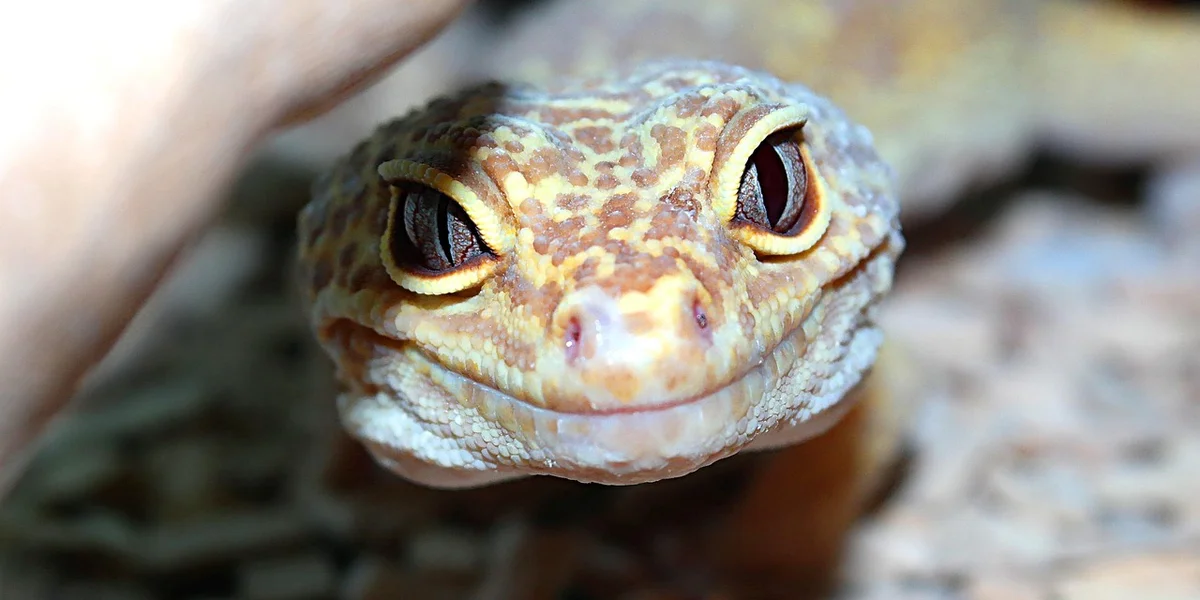
After any unexpected leap, your gecko might feel a little shaken up. I always watch my leopard gecko, Griffey, extra closely for the next day or two. Their behavior tells you everything. Learning what each action means is key to understanding leopard gecko behavior. Different actions signal different moods or needs, so you can respond appropriately.
- Reduced Activity: A normally curious gecko that suddenly becomes a couch potato is a major clue.
- Excessive Hiding: If they are spending all their time buried in a hide and refuse to come out, even for food, they are likely stressed or in pain.
- Loss of Appetite: This is one of the biggest red flags. A happy gecko is a hungry gecko. A skipped meal is normal; refusing food for days is not.
I built a simple daily check into my routine. It takes just five minutes during feeding time. Look for bright, alert eyes, a healthy, plump tail, and a general willingness to move. Gently observe their gait for any limping or favoring of a limb.
This consistent observation is your best tool. You learn their normal “baseline” personality. Catching a small change early can prevent a minor sprain from turning into a long-term problem.
When to Seek Veterinary Care for Jump or Fall Incidents
While leopard geckos are tough, some falls require a professional. Do not hesitate to call a vet if you see any of these red flags. If impaction is suspected, understanding the right substrate depth and how to support recovery is crucial. Our depth guide on treating impaction in geckos explains what to watch for and when to seek professional help.
- Persistent Pain: Any sign they cannot put weight on a leg or move normally after 24 hours.
- Visible Wounds: Cuts, scrapes, or bleeding need immediate attention to prevent infection.
- Tail Drop: This is a huge stress response. While they can regrow their tail, the incident itself and the open wound need vet care.
- Lethargy or lack of movement that lasts more than a day.
When you go to the vet, be prepared. Take a clear photo of your setup and be ready to describe exactly how the fall happened. The vet will likely perform a physical exam, feeling for fractures or internal issues. They may take an x-ray.
I am a huge advocate for proactive care. A quick vet visit for a suspected injury gives you peace of mind. It is always better to be safe than sorry with our scaly friends. A small issue addressed quickly is far better than a chronic condition that impacts their quality of life.
FAQs
Do leopard geckos enjoy jumping?
They may jump for fun or exploration, but it’s primarily instinctual behavior for hunting or escaping.
How can I train my gecko not to jump?
You cannot train them out of natural instincts, but you can create a safe environment to reduce the need.
What is the worst-case scenario if my gecko falls from a high place?
Severe injuries like broken bones, internal damage, or tail loss can occur, requiring immediate veterinary care.
The Final Leap: Keeping Your Gecko Grounded
Ultimately, your leopard gecko is a ground-dwelling creature, not an acrobat. Their safe falling limit is shockingly low—no more than a foot onto a soft surface. When it comes to climbing, brief, cautious exploration is normal, but persistent, high-risk climbing or attempts to reach unsafe edges is not. Keeping the enclosure low and secure helps prevent injuries and supports normal climbing behavior. Always handle them while seated, keep their tank furnishings low, and never assume they will land on their feet like a cat. A simple slip can lead to a severe and heartbreaking injury.
Caring for these unique pets is a continuous journey of learning and observation. By paying close attention to your gecko’s behavior and environment, you become their most important advocate for a long, healthy, and happy life. A complete guide to understanding gecko behavior and temperament can further illuminate each pet’s signals. It helps you interpret behavior and tailor care to their individual temperament. Stay curious, ask questions, and always prioritize their safety and welfare above all else.
Further Reading & Sources
- Did you know? Leopard geckos are great jumpers – OnlineGeckos.com Gecko Breeder
- True or False – A Leopard Gecko can fall over 5 feet without injury | Gecko Forums
- r/leopardgeckos on Reddit: How high can a leopard gecko “jump”
The Gecko Guide is your ultimate resource for gecko enthusiasts, providing expert advice and practical tips to ensure the health and happiness of your scaly companions. Alexander is a passionate gecko owner with over a decade of experience in reptile care. We are dedicated to offering accurate, up-to-date information to support your gecko journey.Our mission is to foster a community of responsible gecko owners who are passionate about the well-being of these fascinating creatures.
Handling & Behavior Signs