
Leopard Gecko Behavior: Understanding What Different Actions Mean
Published on: December 30, 2025 | Last Updated: December 30, 2025
Written By: Alexander 'Gecko Geek' Johnson
Have you ever seen your leopard gecko do something strange, like rapidly wag its tail or lick its eyeballs, and felt a spike of worry about what it means? I’ve been there too, staring at my own gecko, Griffey, and wondering if his curious poses were a sign of happiness or a hidden problem.
After years of caring for my little crew, I’ve learned to decode their unique language, and I’m here to help you do the same. By the end of this, you’ll feel more confident interpreting your pet’s actions for their health and happiness. We’ll cover three main takeaways:
- How to tell the difference between playful curiosity and signs of stress.
- What common behaviors like tail vibrating and eye licking actually mean for their well-being.
- Simple steps you can take to ensure your gecko feels safe and enriched in its home.
You’ll get straightforward, experience-based advice that cuts through the confusion. The key topics we’ll explore are: tail movements, vocalizations, feeding habits, eye licking, hiding behaviors, and breeding signals.
Decoding Your Leopard Gecko’s Body Language
Understanding Tail Movements
Your gecko’s tail is like a mood ring-it tells you exactly how they’re feeling. Pay close attention to tail movements to avoid misunderstandings and keep your pet stress-free. I’ve learned this firsthand with my leopard gecko, Griffey, whose tail antics always keep me on my toes.
Slow tail-wagging often means your gecko is curious or focused on hunting. This gentle swaying is a sign of concentration, not aggression, and it’s common during feeding time. Griffey does this when he’s stalking crickets, wiggling his tail like a cat before pouncing.
Fast tail-lashing, on the other hand, signals agitation or fear. If the tail whips back and forth quickly, your gecko is warning you to back off immediately. I once saw this when Griffey felt threatened by a new decoration-it’s his way of saying “I’m not happy!”
Tail curling is a beautiful sign of contentment, especially during basking. A loosely curled tail shows your gecko is relaxed and enjoying the warmth. You might spot this after they’ve eaten or when they’re soaking up heat from their lamp.
Tail autotomy, or tail-dropping, is a last-resort defense against predators. If your gecko drops its tail, it’s under extreme stress, so act calmly to prevent further harm. Tail dropping is triggered by the gecko’s stress-triggered tail dropping, an instinctual escape mechanism. Understanding this helps explain why staying calm is crucial for its welfare. Here’s how to care for them afterward:
- Move them to a quiet, clean enclosure to reduce stress.
- Keep the habitat sterile to avoid infection-I use paper towels instead of loose substrate.
- Monitor their diet; they’ll need extra nutrients to regrow the tail, which may not look the same.
Interpreting Head and Body Postures
Head and body language can reveal a lot about your gecko’s social and emotional state. Observing these cues helps you respond appropriately to their needs and avoid stressful situations. From my experience, Griffey’s postures have taught me when to interact and when to give space. These cues are a cornerstone of understanding gecko behavior and temperament. They’re all explored in a complete guide on gecko behavior.
Head-bobbing is a social signal, often linked to courtship or territorial displays. Males may bob their heads to assert dominance or attract a mate, while females might do it in response. I’ve noticed Griffey bobbing his head when he sees his reflection-it’s his way of saying “This is my turf!”
Body flattening and puffing up are defensive postures to appear larger to threats. If your gecko presses its body flat or puffs out, it’s scared and trying to intimidate whatever is bothering it. This happened when I introduced a new hide too quickly; Griffey flattened himself to look bigger and safer.
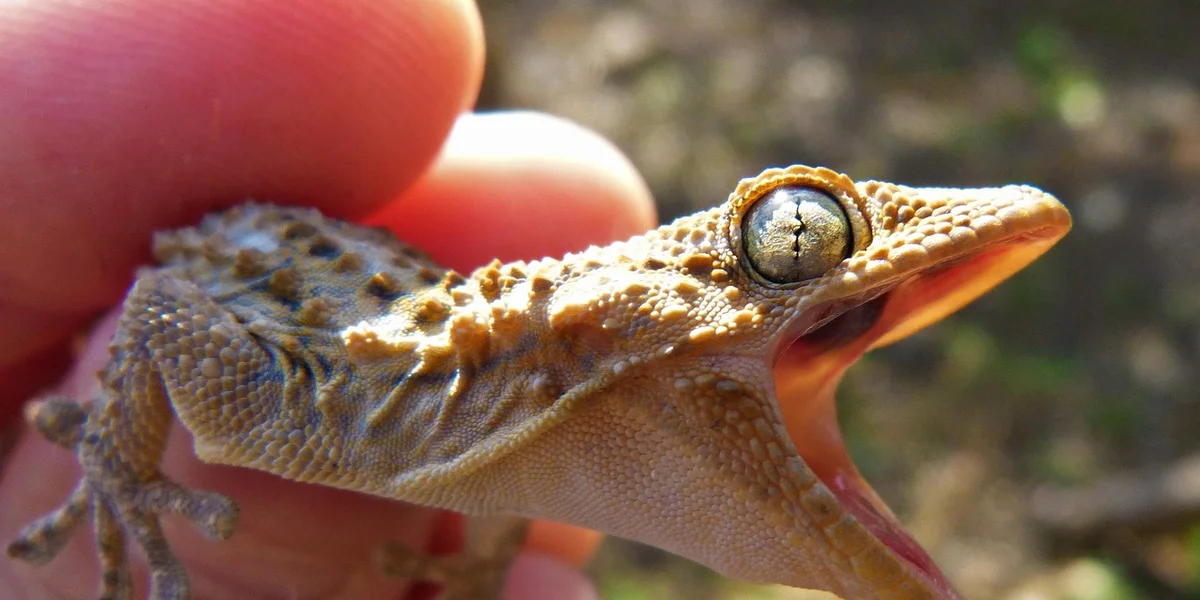
Gaping and hissing are clear warnings of stress or fear. An open mouth or hissing sound means your gecko feels cornered and may bite if provoked. Geckos commonly use vocalizations and body language as cues to their mood. Reading these signals together helps you understand when they’re stressed. Always respect these signals by stepping back and giving them time to calm down.
Daily and Nocturnal Habits Explained
Hunting and Feeding Rituals
Leopard geckos are crepuscular, meaning they’re most active at dawn and dusk. This natural rhythm makes them excellent hunters in low light, using stealth to catch prey. I love watching Griffey’s stalking behavior-he moves slowly, then strikes with surprising speed.
Stalking behavior involves careful, deliberate movements toward prey. Your gecko will freeze, wiggle its tail, and pounce, mimicking wild hunting instincts. It’s a fun ritual that shows their intelligence and focus.
Tongue-flicking is how geckos “taste” the air to explore their environment. This behavior helps them detect food, mates, or potential dangers by picking up scent particles. Griffey flicks his tongue constantly when he’s curious about something new in his tank.
Feeding time is always an event in my house. Griffey gets visibly excited, pacing near his food dish and doing a little “happy dance” with his tail. It’s a reminder that these small rituals strengthen our bond and keep them mentally stimulated.
Hiding and Basking: The Comfort Cycle
Frequent hiding is normal and essential for your gecko’s sense of security. Hides provide a safe retreat where they can relax and avoid perceived threats. I make sure Griffey has multiple hides so he always has a cozy spot to unwind. There are different types of hides—open, tunnel, and cave styles—that geckos use in different situations. A mix of hides lets Griffey choose the best retreat based on mood and temperature.
Basking is crucial for digestion and thermoregulation. Your gecko needs warmth to process food properly, so basking under a heat lamp is a healthy daily habit. After meals, Griffey often stretches out under his lamp, looking utterly content.
Differentiate between healthy hiding and stress-related hiding. Healthy hiding occurs during the day or after activity, while stress hiding involves constant retreat and avoidance of food. By recognizing the difference between gecko stress vs normal behavior, you can respond appropriately. This helps you decide when to adjust the environment or seek veterinary advice. If your gecko is always hiding and not eating, check for issues like incorrect temperatures or loud noises.
Social and Mating Behaviors
Courtship and Mating Displays
Male leopard geckos perform a distinctive head-bobbing motion, often rapid and rhythmic, to signal interest to females. They combine this with tail vibrations that create a soft buzzing sound, which is their way of saying, “I’m ready to mate.” If you house geckos together, you might see the male gently nudge the female or follow her closely, but watch for signs she’s not interested, like hissing or moving away.
Mating rituals can be intense, so I always monitor pairs closely based on my experience with Griffey. If the female isn’t receptive, separate them immediately to prevent stress or injury, as forcing cohabitation can lead to aggression. Responsible ownership means prioritizing their well-being over breeding attempts, especially for beginners.
From caring for Griffey, I’ve learned that even curious geckos can get overwhelmed. Advocate for your pet’s comfort by providing separate enclosures if you notice any chasing or avoidance, as this prevents unnecessary strain on their health.
Signs of a Happy and Content Gecko
A happy leopard gecko shows clear, positive behaviors that make ownership rewarding. Look for alertness where they actively scan their surroundings, a healthy appetite with eager feeding, smooth shedding without leftover skin, and calm exploration of their habitat. These signs help you tell if your leopard gecko is happy and content. Consistent, positive behavior over time is a good indicator of well-being.
When relaxed, a leopard gecko has a soft body posture, moves slowly, and might bask openly without tension. Their tail will be plump and held high, indicating they feel secure and well-fed in their environment.
I recall a “good day” with Griffey where he spent hours curiously poking around his hides and then settled under his heat lamp, looking utterly content. Seeing him enjoy simple moments like that reminds me how rewarding it is to provide a stable, loving home for these amazing creatures.
- Alert and responsive to movement
- Eats regularly without hesitation
- Sheds skin completely in one piece
- Explores enclosure calmly and without fear
Recognizing Stress Signals and Avoidance
Common Stress Triggers
Leopard geckos can get stressed from environmental issues that disrupt their comfort. Incorrect temperatures, such as a tank that’s too cold or hot, are a top cause, along with loud noises or vibrations that startle them. Excessive handling, especially for new geckos, can also trigger avoidance behaviors like running away or hiding.
If your gecko refuses food or constantly retreats to hides, it’s often a sign they feel unsafe. Addressing these triggers quickly can prevent long-term health issues and help your pet feel more at ease in their home.
Use this simple checklist to review your habitat and reduce stress factors:
- Check temperature gradients: warm side around 88-90°F, cool side 75-80°F
- Ensure low noise levels and minimal sudden movements nearby
- Limit handling to short, gentle sessions after they’re acclimated
- Provide multiple hides for security and privacy
When Behavior Signals a Health Problem
It’s key to tell the difference between normal quirks and potential illness in your gecko. While occasional hiding is fine, persistent hiding coupled with lethargy or weight loss could point to underlying issues like parasites or infection. Other red flags include labored breathing, discolored skin, or a sunken belly. Recognizing these signs early can make a big difference in your gecko’s health.
If you notice symptoms like these, consult a reptile vet promptly for a proper diagnosis. Early intervention can make a huge difference, as reptiles often hide illness until it’s advanced, so don’t wait to seek professional help.
I once saw Griffey become unusually sluggish and stop eating, which worried me. After a vet visit, we adjusted his diet and habitat, and he bounced back quickly, reinforcing how vital it is to trust your instincts and act fast for your pet’s sake.
FAQs
Why do leopard geckos lick their eyes?
Leopard geckos lick their eyes to keep them clean and moist since they lack eyelids, using their tongue to remove debris or hydrate the surface. Common eye problems can occur, so regular checks are part of proper leopard gecko eye care. If you notice discharge, redness, swelling, or cloudiness, consult a reptile veterinarian promptly for evaluation.
What does it mean when a leopard gecko makes chirping or clicking sounds?
Chirping or clicking sounds often indicate curiosity, communication during social interactions, or mild agitation, depending on the context and frequency.
How can I tell if my leopard gecko is comfortable with handling?
Your leopard gecko is likely comfortable with handling if it remains calm, doesn’t try to escape, and shows no signs of stress like hissing or tail lashing. This is a good sign you can tame and bond with your leopard gecko. With patient, regular, gentle handling, you can gradually strengthen that bond over time.
Why is my leopard gecko digging in its substrate?
Digging behavior is normal and can indicate your gecko is exploring, creating a comfortable resting spot, or responding to environmental changes like humidity levels.
What are common behavioral differences between male and female leopard geckos?
Males often display more territorial behaviors like frequent head-bobbing and may be more active in seeking mates, while females might be calmer and show nesting behaviors when gravid.
Final Thoughts
Ultimately, learning your leopard gecko’s unique language of tail wags, chirps, and postures is the key to a happy life together. Pay close attention to their daily rhythms and remember that behaviors like glass surfing or hiding often signal a need, not a personality flaw. With patient observation, you’ll become an expert in what your scaly friend is trying to tell you.
Being a great gecko guardian means committing to lifelong learning and always putting your pet’s welfare first. I’m constantly researching and learning from my own crew, and I encourage you to use resources like our care guides here at `{website_name}` (`{home_link}`) and connect with our community. Your dedication makes all the difference in their world.
Further Reading & Sources
- Leopard Gecko Behavior & Body Language
- Leopard Gecko Handling & Body Language Guide
- Leopard Gecko Behavior (Common & Unusual), Health & Diseases
The Gecko Guide is your ultimate resource for gecko enthusiasts, providing expert advice and practical tips to ensure the health and happiness of your scaly companions. Alexander is a passionate gecko owner with over a decade of experience in reptile care. We are dedicated to offering accurate, up-to-date information to support your gecko journey.Our mission is to foster a community of responsible gecko owners who are passionate about the well-being of these fascinating creatures.
Handling & Behavior Signs